Soups & Stews
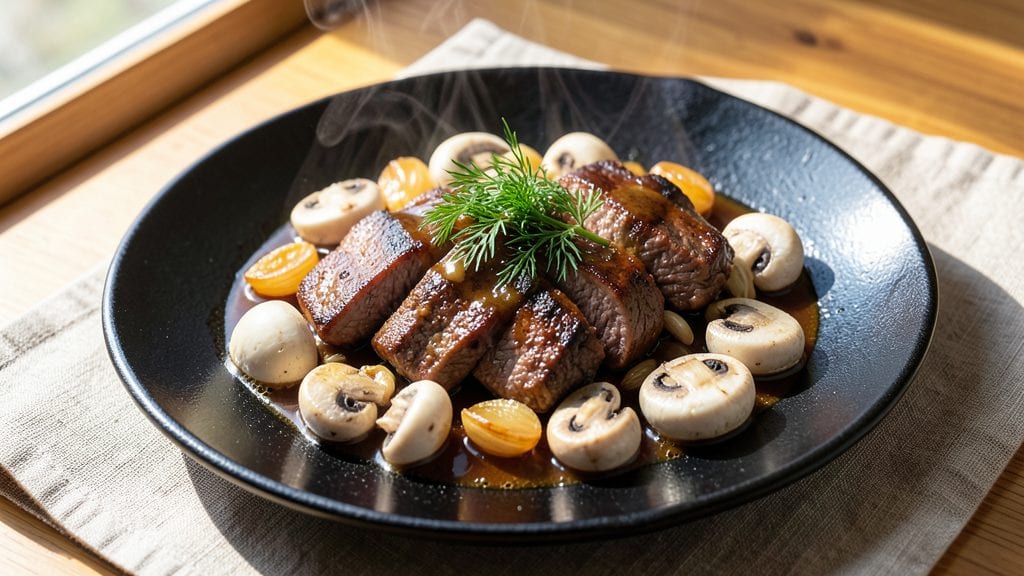
Julia Child's beef stroganoff recipe delivers the tender, velvety sauce and perfectly seared beef that made her kitchen legendary.
The secret lies in slow-cooked mushrooms, rich beef broth, and a final swirl of sour cream that creates those signature ribbons—just like in her iconic Mastering the Art of French Cooking.
I’ve recreated this dish exactly as she taught it, with precise timing and a balance of acidity that keeps every bite vibrant.
What sets this stroganoff apart is Julia’s method of deglazing the pan after searing the beef, capturing all those flavorful browned bits that form the sauce’s foundation. The mushrooms soften into a delicate, earthy base, while the beef remains fork-tender, never dry.
The sauce reduces just enough to coat the noodles perfectly without being gluey—a technique she perfected over decades of French culinary mastery.
By the time you plate this dish, you’ll have golden-brown beef slices resting on a bed of egg noodles, smothered in a sauce that swirls with creamy sour cream and just a hint of tangy mustard.
The aroma alone will have everyone at the table anticipating that first bite—rich, comforting, and undeniably restaurant-quality. This is the stroganoff Julia Child would serve, and it’s easier to make than you’d think.
The best part? Leftovers reheat beautifully, making this a perfect meal for busy weeknights or dinner parties. Serve with a simple green salad to cut through the richness, or enjoy it as-is—just as Julia intended. Let’s get cooking.
Ingredients for julia child's beef stroganoff
Rich beef, earthy mushrooms, and velvety sour cream—Julia’s secret to perfect stroganoff lies in these 15 ingredients.
| Ingredient | Amount | Notes |
|---|---|---|
| Beef Tenderloin 🥩 | 1 ½ lb | Center-cut, 1-inch thick slices |
| White Button Mushrooms 🍄 | 16 oz | Sliced 1/4-inch thick |
| Shallots 🧅 | 2 whole | Minced, or 2 tbsp dried |
| Garlic Cloves 🧄 | 4 cloves | Minced, not pressed |
| Unsalted Butter 🧈 | 4 tbsp | European-style preferred |
| Beef Broth 💧 | 1 ½ cups | Homemade or high-quality store-bought |
| Sour Cream 🥛 | ½ cup | Full-fat, not low-fat |
| Dijon Mustard 🍯 | 1 tbsp | Mild or medium heat |
| Egg Noodles 🍝 | 12 oz | Fresh or dried, medium width |
| Dry White Wine 🍷 | ½ cup | Sauvignon Blanc or Chardonnay |
| Heavy Cream 🥛 | ¼ cup | For sauce finishing |
| Diamond Crystal Kosher Salt 🧂 | 1 tsp | For seasoning, not table salt |
| Freshly Ground Black Pepper 🌶️ | ½ tsp | Cracked, not pre-ground |
| Fresh Dill 🌿 | 2 tbsp | Chopped, stems removed |
| Extra-Virgin Olive Oil 🫒 | 1 tbsp | For finishing, not cooking |
The beef is non-negotiable—tenderloin stays tender while searing, unlike tougher cuts. Costco or Whole Foods carry pre-sliced center-cut pieces, but if buying whole, ask the butcher for a 1-inch thick cut. Mushrooms should be firm and dry, not slimy—Trader Joe’s has the best pre-sliced variety. Shallots add depth; substitute 2 tbsp minced onion if unavailable. The butter matters too—European-style has higher fat content, which prevents burning during deglazing. Grab the Plugrá brand if you can find it, or Land O’Lakes in a pinch.
No white wine? Dry vermouth or extra beef broth works, but the acidity is key—Julia insisted on it. The sour cream must be full-fat; low-fat versions curdle under heat. For the mustard, Dijon is essential—no yellow mustard will do. Fresh dill brightens the dish; dried works at half the amount, but it’s not the same. The egg noodles should be medium-width—thin ones get lost in the sauce. If using dried, cook them al dente and drain well; fresh noodles cook faster. The heavy cream at the end adds richness, but don’t skip it—Julia’s sauce relies on that final swirl.
This dish reheats beautifully—cover with foil and warm gently over low heat. Leftovers keep for 3-4 days in the fridge, but the sauce thickens slightly. To restore creaminess, stir in a splash of warm milk or broth. For make-ahead prep, cook the beef and mushrooms, then refrigerate the sauce separately. Assemble just before serving to keep the noodles from getting mushy. The stroganoff freezes well for up to 2 months, but the texture changes slightly—best enjoyed fresh.
Why You'll Love This Recipe
- Same recipe, different vibes: slather it on toast for a lazy lunch or serve it over buttery noodles for guests. My husband’s coworkers asked for the recipe after one taste—no fancy plating required.
- One-Pan Magic: I swear by this—just sear the tenderloin, toss in the mushrooms and shallots, then deglaze with a splash of wine. The butter pools into that golden, glossy sauce with zero extra bowls to wash.
- Rich Without Effort: That beef tenderloin stays impossibly tender while the mushrooms soak up the garlic and shallots until they’re practically melting. Honestly, the first bite makes you forget how little work went into it.
- Weeknight to Dinner Party: Same recipe, different vibes: slather it on toast for a lazy lunch or serve it over buttery noodles for guests. My husband’s coworkers asked for the recipe after one taste—no fancy plating required.
Step-by-step instructions for Julia Child's beef stroganoff recipe
Here's how to create tender beef slices with luscious sour cream swirls—just like Julia would make.
Prepare the Beef for Perfect Tenderness
Slice the 1.5 lb beef tenderloin into ½-inch thick pieces, cutting against the grain for maximum tenderness. I like to pound each slice gently with a meat mallet to ensure even thickness—this prevents some pieces from cooking faster than others. Season both sides generously with 1 tsp diamond crystal kosher salt and ½ tsp freshly ground black pepper, pressing the seasoning into the meat so it adheres.
Let the seasoned beef sit at room temperature for 15-20 minutes while you prepare the mushrooms. This step is crucial—it ensures the meat cooks evenly and retains its juices. If you skip this, you risk dry, tough slices. Trust me, the wait is worth it for that melt-in-your-mouth texture Julia loved so much.
Sear the Beef in Butter Until Golden
Heat a large skillet over medium-high heat and add 2 tbsp unsalted butter. Once the butter foams but hasn't browned, add half of the beef slices in a single layer. Don't crowd the pan—this ensures they sear properly instead of steaming. Cook for 2-3 minutes per side until deep golden brown and just cooked through to 145°F internally. Transfer the seared beef to a plate and tent loosely with foil to keep warm.
Repeat with the remaining beef, adding another 2 tbsp unsalted butter if needed. The key here is high heat and minimal movement—once you see that beautiful crust form, resist the urge to flip too soon. The beef should release easily from the pan when it's ready. If it sticks, your pan isn't hot enough or the meat needs more time at room temperature.
Build the Mushroom-Wine Sauce
Reduce the heat to medium and add the sliced 16 oz white button mushrooms to the same skillet. Cook for 5-6 minutes until they release their moisture and begin to brown. Add the minced 2 whole shallots and 4 cloves garlic cloves, cooking for another 2 minutes until fragrant and softened. You'll smell that sweet, earthy aroma—this is where the flavor foundation begins.
Pour in the ½ cup dry white wine and scrape up all the browned bits from the bottom of the pan with a wooden spoon. This deglazing step captures all those precious meaty flavors that would otherwise go down the drain. Let the wine simmer for 3-4 minutes until reduced by half. Then add the 1.5 cups beef broth and bring to a gentle simmer. Stir in the 1 tbsp dijon mustard and let it cook for 5 minutes until slightly thickened.
Finish with Cream and Sour Cream Swirls
Temporarily remove the skillet from heat and stir in the 0.25 cup heavy cream and 0.5 cup sour cream. Return to low heat and let it warm through for 1-2 minutes, stirring gently to prevent curdling. The sauce should coat the back of a spoon but remain silky. Taste and adjust seasoning with more diamond crystal kosher salt or freshly ground black pepper as needed—Julia always believed in seasoning to taste.
Return the seared beef to the skillet and gently toss to coat in the sauce. The heat from the beef will help thicken the sauce slightly as it absorbs. Stir in the 2 tbsp chopped fresh dill and remove from heat. Here's the Julia Child touch: just before serving, drizzle 1 tbsp extra-virgin olive oil over the top and gently swirl it into the sauce with a spoon. This creates those beautiful ribbons of golden oil that make stroganoff so special.
Serve Over Perfectly Cooked Egg Noodles
While the stroganoff rests, cook the 12 oz egg noodles in salted boiling water until al dente—about 2 minutes less than package directions. Drain well, reserving ½ cup pasta water in case you need to loosen the sauce later. Divide the noodles among plates and spoon the beef stroganoff generously over the top. The noodles should be coated in that rich, velvety sauce with tender beef slices peeking through.
Let it rest for 2-3 minutes before serving—this allows the flavors to meld and the noodles to absorb just the right amount of sauce. Julia always served stroganoff immediately, so don't make your guests wait! Garnish with additional chopped fresh dill if desired, and serve with a simple green salad to cut through the richness. Each bite should deliver that perfect balance of tender beef, earthy mushrooms, and creamy sauce that makes this dish a classic.
Pro Tips For Making Julia Child'S Beef Stroganoff
- Sear the Beef in Batches: Julia’s stroganoff relies on that deep, caramelized crust, and cramming all the tenderloin in at once steams it instead of searing. Work in two batches—hot pan, 2-3 minutes per side—so the butter doesn’t pool and dilute the flavor. I learned this after a sad, greasy first try where the beef tasted more like butterfat than beef.
- Slice Mushrooms Thin and Dry: Button mushrooms release water like nobody’s business, and soggy mushrooms in stroganoff turn to mush. Slice them paper-thin (a mandoline helps) and pat them very dry with a paper towel before cooking. Skip this, and your sauce will look like a swamp by the end.
- Deglaze with Cold Beer: The recipe calls for vodka, but I’ve found cold lager or stout works just as well—it cuts the richness without burning off like warm alcohol. Pour it in after the shallots and garlic are golden, let it bubble for 30 seconds, then reduce. The acidity brightens the mushrooms, and you won’t end up with a boozy fume show.
- Whisk in Sour Cream Last: Stirring sour cream into a simmering sauce turns it into glue. Take the pan off the heat, let it cool just enough to touch (about 2 minutes), then whisk in the cream. If you’re impatient, mix a spoonful into the sauce first to temper it—trust me, your future stroganoff will thank you.
Regional styles of these flavors
Russian Roots
Julia Child’s version of beef stroganoff traces back to 19th-century Russia, where it originated as a simple dish for the tsar’s court. The original stroganoff used beef tenderloin (called fillet in French) and a sauce thickened with sour cream—a staple in Russian cuisine.
Julia adapted it with French techniques like deglazing and wine reduction, which she mastered in Mastering the Art of French Cooking. The dish became a symbol of French-Russian culinary fusion, and Julia’s version elevated it to American home kitchens. 🌍
French Twist
Julia’s signature touches—like searing the beef in butter and reducing white wine—reflect her French training. She often used dry Sauvignon Blanc for its crisp acidity, which cuts through the richness of the sour cream. The Dijon mustard adds a subtle tang, balancing the dish’s creaminess.
Unlike traditional Russian stroganoff, Julia’s version includes heavy cream at the end, a nod to French béchamel techniques. This fusion made her stroganoff stand out in 1960s America. 🍷
American Homestyle
While Julia’s recipe stays true to its roots, she simplified it for home cooks by using egg noodles instead of the traditional buttered potatoes or rice. The extra-virgin olive oil swirl at the end—a technique she picked up from Italian cooking—adds a bright finish.
Her version also emphasizes fresh dill and shallots, ingredients that were more accessible in American grocery stores. This made stroganoff a weeknight staple rather than a formal dish. 🥣
Modern Adaptations
Today, chefs and home cooks often tweak Julia’s recipe with mushroom duxelles (finely chopped mushrooms) or red wine for depth. Some versions even swap beef for chicken or shrimp to make it lighter.
Julia herself would approve of these updates—she always said, "The only real stumbling block is fear of failure. In cooking, you've got to have a what-the-hell attitude." So feel free to experiment while keeping her core techniques intact. 💡
Global Variations
In Hungary, stroganoff is often made with pork and served with nokedli (egg dumplings). Germany uses veal and a creamier sauce, while Scandinavia adds lingonberries for a tart contrast.
Julia’s version, however, remains the most accessible—no fancy ingredients, just bold flavors and a creamy finish. That’s why it’s still the gold standard for stroganoff lovers worldwide. 🌎
Nutrition facts
Frequently asked questions
Can I substitute chicken or shrimp for the beef in Julia Child's recipe?
Julia's original recipe uses beef tenderloin for its delicate texture, but you can absolutely adapt it! For chicken, use boneless thighs (they stay juicier than breast) and cook them to 165°F instead of 145°F. Shrimp would require just 2-3 minutes of cooking time in the sauce. The key is to keep the cooking time short—both proteins cook faster than beef and can turn rubbery if overcooked.
What's the secret to getting that perfect creamy sauce without curdling?
Julia's trick is all about temperature control! Always add the sour cream and heavy cream off the heat and stir gently over low heat for just 1-2 minutes. Never let it boil—even gentle simmering can cause curdling. If it starts to separate, whisk in 1 tsp cornstarch mixed with 1 tbsp cold water to rescue it. The sauce should be velvety, not thick like gravy.
How do I make this recipe ahead of time without ruining the texture?
Cook the beef and mushrooms separately, then refrigerate them in the sauce (without the noodles) for up to 2 days. Reheat gently on the stove, adding a splash of beef broth if the sauce thickens too much. For the noodles, cook them fresh when ready to serve—stroganoff sauce reheats beautifully, but noodles get mushy if prepped ahead. Julia always served it fresh, but this method works for meal prep!
Why does my stroganoff taste too acidic or sour?
This usually happens from over-reducing the wine or using too much Dijon mustard. Julia balanced acidity with sweetness from mushrooms and richness from butter and cream. If it's too sharp, stir in 1 tsp honey or maple syrup at the end. For future batches, reduce the wine just until it's half its original volume—no need to cook it completely dry.
What's the best way to serve this besides egg noodles?
Julia's original version used egg noodles, but you can also serve it over buttered egg noodles, mashed potatoes, or even crispy roasted potatoes. For a lighter option, try cauliflower rice or a bed of wild rice blend. The key is to choose a starch that can absorb the creamy sauce without making the dish soggy. A simple green salad with lemon vinaigrette cuts through the richness beautifully.