
Soups & Stews
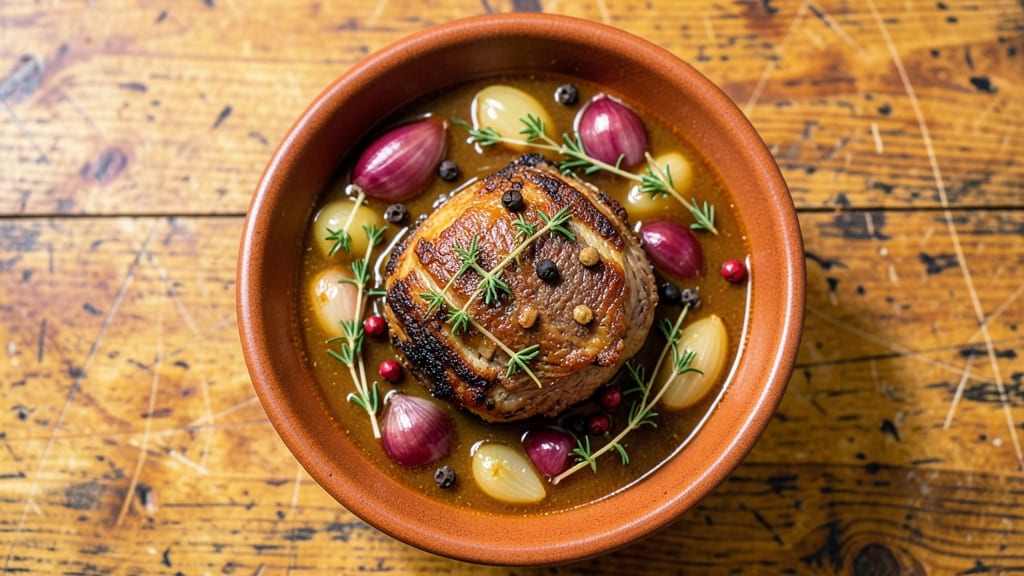
African pepper pot soup delivers the rich, aromatic depth of West African cuisine in one comforting bowl—where tender beef simmers for hours with coconut milk, earthy spices, and hearty vegetables until every bite bursts with complex flavor.
This traditional recipe, rooted in Caribbean and African culinary traditions, transforms tough cuts of meat into melt-in-your-mouth perfection through slow simmering and carefully balanced spices.
The secret lies in the layered flavors: black peppercorns, garlic, thyme, and allspice create a fragrant base that deepens as it cooks, while coconut milk adds creamy richness without overpowering the dish.
I've perfected this version to include yams, sweet potatoes, and carrots—each vegetable absorbing the savory broth while maintaining their natural sweetness and texture.
By the time you're done, you'll have a pot of soup that's hearty enough for a family dinner but elegant enough for company.
The aroma alone will have everyone gathering at the table, and the first spoonful delivers that perfect balance of spicy, sweet, and savory that defines African pepper pot soup.
Whether you're serving it with crusty bread or over steamed rice, this recipe brings the warmth of tradition to your kitchen. The best part? It tastes even better the next day, making it ideal for meal prep or feeding a crowd. Let's get cooking.
Ingredients for african pepper pot soup
Six hearty ingredients transform tough beef into melt-in-your-mouth perfection with West African spice and coconut richness.
| Ingredient | Amount | Notes |
|---|---|---|
| Beef Chuck Roast 🥩 | 2 lb | Tough cut preferred for tenderizing |
| Yellow Onions 🧅 | 2 whole | Medium size, diced |
| Garlic Cloves 🧄 | 6 cloves | Peeled, slightly crushed |
| Fresh Thyme 🌿 | ¼ cup | Leaves only, stems removed |
| Allspice Berries 🌶️ | 1 tsp | Crushed lightly in mortar |
| Black Peppercorns 🌶️ | 1 tbsp | Whole, lightly crushed |
| Scotch Bonnet Peppers 🌶️ | 1 whole | Seeds removed for mild heat |
| Sweet Potatoes 🍠 | 2 medium | Peeled, cubed |
| Yams 🍠 | 1 lb | Peeled, cubed |
| Carrots 🥕 | 3 medium | Peeled, chopped |
| Coconut Milk 🥥 | 1 can (13.5 oz) | Full-fat preferred |
| Tomato Paste 🍅 | 2 tbsp | Smooth, no sugar added |
| Beef Broth 💧 | 4 cups | Low-sodium preferred |
| Olive Oil 🫒 | 2 tbsp | Extra-virgin for richness |
| Salt 🧂 | 1 ½ tsp | Adjust to taste |
| Bay Leaves 🌿 | 2 whole | Remove before serving |
The beef is non-negotiable—chuck roast breaks down beautifully during the long simmer, while leaner cuts stay tough. Look for marbled beef at your local butcher or the meat counter at Whole Foods or Costco for the best quality. If you can't find Scotch bonnet peppers, jalapeño or habanero work in a pinch (just reduce seeds for milder heat). The allspice berries? Penzeys Spices sells them whole—crush them lightly in a mortar and pestle for maximum flavor. Fresh thyme is ideal, but if you're using dried, cut the amount to one-third since it's more concentrated.
No coconut milk? Full-fat evaporated milk adds creaminess, though the flavor won't be identical. The tomato paste is your secret weapon—it deepens the broth's richness without overpowering the spices. For the vegetables, sweet potatoes and yams can be swapped for regular potatoes if needed, but they hold up better to the long cooking time. If you're prepping ahead, par-cook the vegetables for 10 minutes before adding to the pot to speed things up. The beef broth should be low-sodium—you'll be adding plenty of salt later, and you don't want to overdo it.
This soup tastes even better the next day as the flavors meld—double the batch if you're feeding a crowd. Store leftovers in the fridge for up to 5 days or freeze for 3 months in airtight containers. To reheat, add a splash of beef broth or water and simmer gently. The aroma alone will have everyone gathering at the table, and the first spoonful delivers that perfect balance of spicy, sweet, and savory that defines this dish. Serve with crusty bread or steamed rice to soak up every last drop of that fragrant broth.
Why You'll Love This Recipe
- One-Pot Magic: I swear by this recipe—just toss everything into a pot, simmer, and let the beef melt into tender perfection. No chopping marathons or last-minute stress.
- Deep, Warm Spice Bomb: That allspice and thyme? They seep into the beef like a hug, while the onions caramelize into sweet, savory layers. Honestly, it’s the kind of flavor that sticks with you.
- Leftovers That Shine: This soup only gets better the next day. I make a double batch on Sundays—one for dinner, one for lunch—and it’s just as rich reheated.
- Budget-Friendly Feast: A chuck roast stretches for days, and the spices cost pennies. Between us, this is how I feed my whole family without breaking the bank.
Step-by-step instructions for African pepper pot soup
Here's how to build this rich, aromatic stew layer by layer.
Sear the Beef Chuck Roast for Deep Flavor
Heat the 2 tablespoons olive oil in a heavy Dutch oven over medium-high heat until shimmering. Pat the 2 lb beef chuck roast dry with paper towels—this ensures a proper sear. Place the roast in the pot and let it brown undisturbed for 8-10 minutes until a deep golden crust forms on all sides. You'll see the fat begin to render out, which adds incredible richness to the soup.
Flip the roast carefully using tongs and continue searing until all sides are evenly browned. Remove the roast and set it aside on a plate. The caramelized crust we just created will form the flavor foundation for the entire soup. Don't rush this step—proper browning develops the meaty depth that makes this dish so special.
Build the Spice Base with Aromatics
In the same Dutch oven, add the 2 whole yellow onions and cook for 5-6 minutes until softened and beginning to caramelize. Add the 6 cloves garlic cloves and 1 whole scotch bonnet peppers (seeds removed), cooking for 1 minute until fragrant. Here's where the magic happens: Add the 1 teaspoon allspice berries and 1 tablespoon black peppercorns, crushing them lightly with the back of a spoon to release their oils.
Pour in the 2 tablespoons tomato paste and stir vigorously to deglaze the pot, scraping up all those browned bits from the bottom. This step captures all the flavor we've built so far. Add the 0.25 cup fresh thyme and 2 whole bay leaves, stirring to combine. The spices should be sizzling gently—this indicates they're releasing their essential oils into the pot.
Simmer the Vegetables Until Tender
Add the 2 medium sweet potatoes, 1 lb yams, and 3 medium carrots (all peeled and cut as specified). Pour in the 4 cups beef broth and bring everything to a gentle boil. Once boiling, reduce heat to low and cover partially, allowing a small vent for steam to escape. Let it simmer for 45-50 minutes, stirring occasionally, until all vegetables are fork-tender and the flavors have melded together.
Here's the thing—don't lift the lid too often. Each time you peek, you lose heat and extend the cooking time. The vegetables should be soft enough to pierce easily with a fork, but still hold their shape. You'll notice the soup developing a rich, earthy aroma as the spices infuse into the broth. This is when you know you're on the right track.
Finish with Coconut Milk and Rest the Meat
Return the beef chuck roast to the pot, along with any accumulated juices from the plate. Stir in the 1 can (13.5 oz) coconut milk and the 1.5 teaspoons salt, mixing gently to distribute the creaminess evenly. The coconut milk should blend smoothly into the soup, creating a velvety texture that balances the hearty beef and vegetables. Bring the soup back to a gentle simmer and cook for an additional 30-40 minutes until the beef is fork-tender and easily pulls apart.
Once the beef is perfectly tender, remove it from the pot and let it rest for 10 minutes before shredding it with two forks. This resting period allows the meat to reabsorb its juices, ensuring each bite is moist and flavorful. Return the shredded beef to the pot and stir gently to combine. The soup should now have a beautiful balance of textures—creamy from the coconut, hearty from the beef, and tender from the vegetables.
Adjust Seasoning and Serve Warm
Taste the soup and adjust the seasoning if needed. You might want to add a bit more salt or a splash of beef broth to reach your desired consistency. The soup should be rich but not overly thick—it should coat the back of a spoon but still be easy to ladle. Remove the 2 whole bay leaves before serving, as they can be quite bitter if eaten.
Ladle the soup into bowls and serve immediately, garnished with additional fresh thyme if desired. Each spoonful should deliver a symphony of flavors—spicy from the scotch bonnet, warm from the allspice, creamy from the coconut, and hearty from the beef. This is the kind of soup that gets better with each bite, especially when shared with others on a cool evening.
Pro Tips For Making African Pepper Pot Soup
- Brown the Roast First: Crispy edges on the beef chuck roast make all the difference in this soup—don’t skip the sear. After slicing the meat into chunks, hit a hot pot with 1 tablespoon of oil and let them brown for 3-4 minutes per side until deep golden. (Yes, even if you’re tempted to rush it.)
- Crush Allspice Berries: Whole allspice berries just sit there like decorative pebbles if you don’t crush them first. Use the flat side of your knife or a mortar and pestle to break them open—this releases their warm, peppery depth into the broth. (I learned this the hard way after tasting a bland version.)
- Sweat Onions Low and Slow: African pepper pot soup needs onions that caramelize but don’t burn. Cook them over medium-low heat for 10-12 minutes, stirring often, until they’re soft and just starting to turn golden. High heat turns them bitter—trust the process, even if it feels slow.
- Simmer with the Lid Off: The last hour of cooking is where flavors meld, but steam builds up and dilutes the broth if you cover it. Crack the lid or leave it off entirely to let moisture escape—this keeps the soup rich and concentrated, not watery. (Your future self will notice the difference.)
Best sauces and condiments for african pepper pot soup
Coconut Milk Finish
The 13.5 oz can of coconut milk is the star of this dish's creamy texture and rich aroma. I always use full-fat coconut milk—the higher fat content (around 20%) creates that luxurious mouthfeel that balances the hearty beef and vegetables.
For an extra depth of flavor, let the coconut milk come to room temperature before adding it to the pot. This allows the natural oils to fully infuse into the soup.
If you're concerned about the soup becoming too rich, reduce the coconut milk to half a can and add an extra ½ cup of beef broth to maintain balance. 🥥
Spicy Scotch Bonnet
The Scotch bonnet pepper brings the signature heat to this soup, but its flavor is more complex than just spice. I recommend removing the seeds and membranes for a milder heat while keeping the pepper whole until the very end of cooking.
When it's time to add it, slice it open and scrape out the seeds with a spoon—this gives you control over the heat level. For those who prefer a milder version, substitute with jalapeño or habanero, but reduce the seeds by half.
The key is to let the pepper cook for at least 15 minutes to soften its texture and mellow its sharpness. 🌶️
Tomato Paste Magic
Don't skip the 2 tablespoons of tomato paste—this is where the deep, umami-rich base of the soup begins. I use smooth, no-sugar-added tomato paste like Muir Glen to avoid any artificial aftertaste.
Spread it evenly across the bottom of the pot before adding the broth, and let it caramelize slightly for 2-3 minutes on medium heat. This step develops a complex flavor that ties all the spices together.
If you're short on time, you can reduce the cooking time to 1 minute, but the flavor won't be as developed. 🍅
Allspice and Black Pepper
The combination of 1 teaspoon allspice berries and 1 tablespoon black peppercorns is what gives this soup its signature warmth and depth. I crush the allspice berries lightly in a mortar and pestle to release their oils without turning them into powder.
For the black peppercorns, a quick crush with the back of a spoon is enough to infuse their flavor into the onions. If you can't find whole allspice berries, ground allspice works in a pinch, but use only ½ teaspoon—ground spices are much stronger.
The key is to let these spices cook with the onions for at least 5 minutes to fully develop their aromatic compounds. 🌶️
Fresh Thyme Infusion
The ¼ cup of fresh thyme adds an earthy, slightly floral note that brightens the rich flavors of the soup. I always use fresh thyme because it has a more vibrant flavor than dried.
If you're using dried thyme, reduce the amount to 1 teaspoon and add it at the very end of cooking to preserve its flavor. To maximize its impact, I like to bruise the thyme leaves slightly between my fingers before adding them to the pot.
This releases their essential oils and intensifies their aroma. The thyme should be the last herb added to the soup, allowing it to infuse gently without overpowering the other flavors. 🌿
Bay Leaf Balance
The 2 whole bay leaves might seem like a small detail, but they play a crucial role in rounding out the soup's flavor profile. I add them early in the cooking process to allow their subtle bitterness and pine-like aroma to infuse into the broth.
However, it's essential to remove them before serving—bay leaves can be quite bitter if eaten. To make removal easier, I tie them in a small piece of cheesecloth or place them in a tiny metal strainer before adding them to the pot.
This way, you can simply lift them out with tongs at the end of cooking. 🌿
Nutrition facts
Frequently asked questions
Can I make this soup with chicken or fish instead of beef?
While beef is traditional for its rich flavor, you can absolutely adapt this recipe! For chicken, use 2 bone-in thighs and 2 drumsticks (about 2 lbs total) and reduce simmering time to 30-40 minutes after adding the coconut milk. For fish, opt for firm white fish like cod or snapper and cook it for just 10-15 minutes after adding the vegetables to avoid overcooking. The coconut and spices will still shine, but the texture will be lighter.
How do I adjust the heat level if Scotch bonnet peppers are too spicy?
First, remove the pepper entirely if you want zero heat. For milder spice, substitute with jalapeño or habanero and remove all seeds and membranes. If you've already added the pepper, stir in 1 tablespoon of honey or coconut milk to balance the heat. The longer the pepper cooks, the more its sharpness mellows—aim for at least 15 minutes of cooking time.
Can I prepare this soup ahead of time?
This soup tastes even better the next day as flavors meld! Let it cool completely, then store in an airtight container in the fridge for up to 5 days or freeze for 3 months. Reheat gently on the stove with a splash of beef broth or water. For best results, don't boil—simmer at low heat until warmed through. The textures hold up beautifully when reheated properly.
What can I serve with African pepper pot soup?
This hearty soup pairs perfectly with crusty bread (like sourdough or whole wheat) to soak up the rich broth. For a complete meal, serve with steamed jasmine rice or garlic mashed potatoes. A simple green salad with lime dressing cuts through the richness, while plantains or fried dumplings add a Caribbean touch. The soup's bold flavors stand alone, but these sides enhance the experience.
Why does my soup taste bland after simmering?
Blandness usually means the spices didn't infuse properly. First, ensure you crushed the peppercorns and allspice to release their oils. Second, don't rush the cooking—simmer uncovered for the last 15-20 minutes to let flavors concentrate. If needed, stir in 1 teaspoon fish sauce or soy sauce for umami depth, or add a pinch of MSG (if using). Taste as you go and adjust gradually.