
Sauces & Condiments
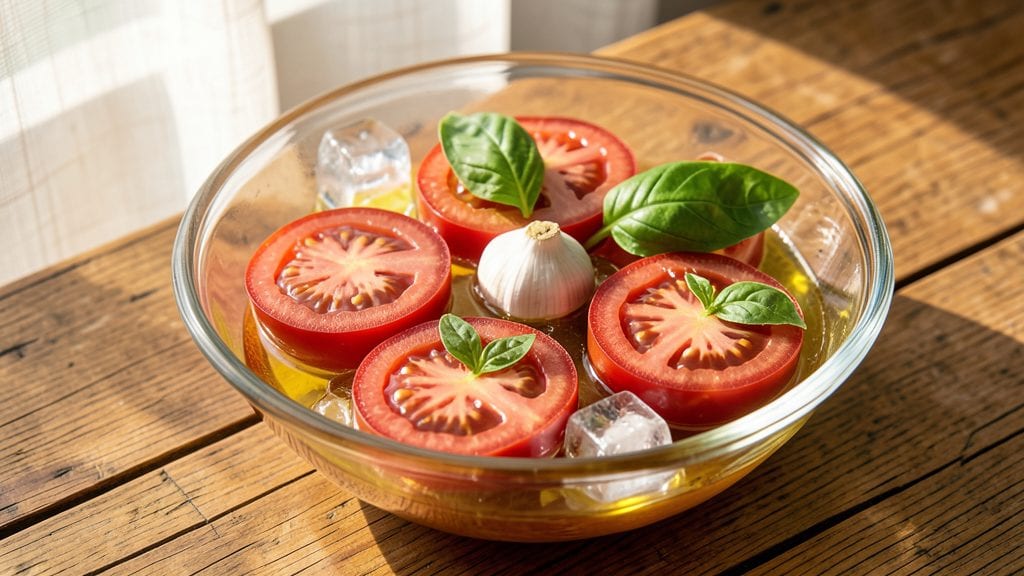
Blanching tomatoes transforms them into a bright, acidic base that elevates sauces and salsas to restaurant-quality levels. The process—briefly boiling, shocking in ice water, then peeling—removes skins and seeds, leaving tender, flavorful pulp ready for any recipe.
I perfected this technique after struggling with watery, skin-heavy tomatoes that ruined my homemade dishes.
This method works with any ripe tomato variety, producing a clean, concentrated flavor perfect for salsas, bruschetta, or as a base for sauces. The blanching step ensures you eliminate bitterness and excess moisture, while the peeling creates a silky texture that blends seamlessly.
It’s a game-changer for anyone who’s ever dealt with tough tomato skins or uneven cooking in finished dishes.
Once blanched, you’ll have tomatoes that hold their shape when cooked yet break down smoothly into sauces. The bright acidity cuts through richness in dishes, making it ideal for pairing with garlic, basil, or olive oil.
Store blanched tomatoes in the fridge for up to 5 days or freeze them for longer use—perfect for meal prep or batch cooking.
Whether you’re making a vibrant summer salsa or a rich tomato sauce, blanched tomatoes deliver consistent, professional results every time. The technique is simple but transformative, turning ordinary tomatoes into a versatile ingredient for any dish. Let’s get started with the step-by-step process.
Ingredients for blanched tomatoes
Six ingredients transform ordinary tomatoes into a silky, restaurant-quality base for sauces and salsas.
| Ingredient | Amount | Notes |
|---|---|---|
| Ripe Tomatoes 🍅 | 2 lb | Roma or vine-ripened preferred |
| Large Ice Cubes ❄️ | 4 cups | Or frozen ice water bath |
| Salt 🧂 | 2 tbsp | Diamond Crystal kosher salt |
| Lemon Juice 🍋 | 1 tbsp | Freshly squeezed, optional |
| Fresh Basil Leaves 🌿 | ¼ cup | Chopped for finishing (optional) |
| Garlic Cloves 🧄 | 2 cloves | Minced for flavor pairing |
| Extra-Virgin Olive Oil 🫒 | ¼ cup | For finishing drizzle |
| Red Wine Vinegar 🍷 | 1 tbsp | For acidity balance |
| Black Pepper 🌶️ | ¼ tsp | Freshly cracked |
| Water 💧 | 6 cups | For boiling bath |
Tomatoes are the star—Roma or vine-ripened work best for their consistency, but any ripe tomato will do. Hit the farmers market for peak flavor or grab heirloom varieties at Whole Foods if you want that extra depth. Avoid green or hard tomatoes—they won’t soften properly. For a big batch, Costco’s Roma tomatoes are my go-to, but any grocery store’s fresh produce section will have what you need. Look for tomatoes that yield slightly when gently squeezed—they’ll blanch perfectly. Pro tip: Don’t wash them first—moisture ruins the blanching process.
No ice cubes? Frozen ice water in a bowl works just as well. Short on basil? Fresh parsley or oregano adds a different but still bright note. The garlic can be roasted for a sweeter flavor—just wrap whole cloves in foil and bake at 400°F for 15 minutes. No red wine vinegar? Balsamic or apple cider vinegar keeps the acidity. The olive oil matters here—use something fruity and peppery like California extra-virgin. If you’re making a big batch, double the vinegar and oil for finishing. And trust me, the lemon juice is optional but adds that bright pop that makes everything taste fresh.
Blanched tomatoes keep beautifully in the fridge for 5 days if stored in a sealed container with a thin layer of water or oil on top. For longer storage, freeze them in ice cube trays or silicone molds—they’ll thaw perfectly for sauces or salsas. I always portion mine into small jars or containers so I can grab exactly what I need for a recipe. The acidity intensifies over time, so they’re even better the next day. Freeze extras for up to 6 months—perfect for meal prep or when you’re craving homemade sauce but don’t want to blanch fresh tomatoes.
Why You'll Love This Recipe
- No-Fuss Technique: I swear by the ice bath trick—just drop those tomatoes in boiling water, then plunge them into icy cubes. The skins slip off like magic, and you’re left with perfectly prepped tomatoes in 10 minutes flat. (Yes, even when I’m multitasking with a toddler on my hip.)
- Bright & Tangy: That splash of lemon juice? It’s the secret weapon. The acid cuts through the sweetness of the tomatoes, while the basil adds a fresh, herby punch—like summer in a jar. Honestly, I reach for these instead of store-bought sauce every time.
- Meal Prep Hero: Store them in the fridge for up to a week, and they’re ready to toss into pasta, grain bowls, or even sandwiches. I make a big batch on Sundays so I can throw them into salads or bruschetta all week without stress.
- Budget Magic: You’re basically turning cheap tomatoes into gourmet ingredients for pennies. The ice cubes are free, the salt is cheap, and basil grows like a weed. It’s my go-to way to make simple meals feel fancy without breaking the bank.
Step-by-step instructions for bright, acidic blanched tomatoes
This method transforms ordinary tomatoes into a vibrant, acidic base perfect for sauces and salsas.
Prepare the Tomatoes for Blanching
Start by cutting the 2 lb ripe tomatoes in half crosswise, removing the cores and any seeds. You want to keep the flesh intact—this ensures maximum flavor retention. For Roma tomatoes, a simple knife cut down the middle works perfectly. Vine-ripened varieties might need a little more trimming, but don't worry about perfection here; the blanching process will soften everything evenly.
Place the halved tomatoes in a single layer on a baking sheet lined with paper towels. This step is crucial for even cooking. If you stack them, some pieces will steam instead of blanch, leading to uneven results. Sprinkle the tomatoes with 1 tablespoon lemon juice—this brightens their natural acidity and prevents browning during the process. Let them sit at room temperature while you prepare the ice bath.
Blanch the Tomatoes in Boiling Water
In a large pot, combine 6 cups water with 2 tablespoons salt. Bring to a rolling boil over high heat—you want vigorous bubbling to ensure the tomatoes cook quickly and evenly. Once boiling, carefully add the tomato halves, working in batches if needed to avoid crowding. The water should return to a full boil within 30 seconds.
Blanch the tomatoes for exactly 1 minute and 30 seconds. You'll see the edges start to soften slightly, but the centers should still hold their shape. This precise timing is key—overblanching turns them mushy, while underblanching leaves them too firm. Use a slotted spoon to transfer them immediately to the ice bath. Don't let them sit in the hot water longer than necessary, or you'll lose that bright, fresh flavor.
Shock in Ice Water to Halt Cooking
Fill a large bowl or container with 4 cups large ice cubes and 2 cups cold water. The ice should be packed tightly—this creates an instant shock that stops the cooking process. As you transfer the blanched tomatoes from the boiling water to the ice bath, you'll notice their skins tighten slightly. This is normal and actually helps preserve their color and texture.
Let the tomatoes sit in the ice water for 5 minutes, stirring occasionally to ensure even cooling. The water will turn a light pink—this is just tomato juice releasing, not a sign of anything going wrong. After 5 minutes, drain the tomatoes thoroughly in a colander, shaking gently to remove excess water. The goal is to have them damp but not dripping, as excess moisture can dilute your final preparation.
Finishing Touches for Maximum Flavor
Transfer the cooled tomatoes to a cutting board and pat them dry with paper towels. Now's the time to get creative—this is where you build flavor. In a small bowl, combine 2 cloves minced garlic, 1 tablespoon red wine vinegar, and 0.25 teaspoon black pepper. The vinegar adds a bright tang that cuts through the tomatoes' natural sweetness, while the garlic and pepper add depth.
Gently toss the tomatoes with the 0.25 cup extra-virgin olive oil and the garlic-vinegar mixture. The oil should coat the tomatoes evenly, creating a silky texture. If you're using the 0.25 cup chopped fresh basil leaves, fold them in now—their aromatic oils will infuse the tomatoes as they sit. For best results, let the mixture rest at room temperature for 15 minutes before using. This allows all the flavors to meld together, creating a vibrant, acidic base that's perfect for sauces, salsas, or even as a topping for grilled meats.
Pro Tips For Making Blanched Tomatoes
- USE BOILING WATER: Boil your water first—don’t just heat it. Cold water in the pot slows everything down, and you’ll end up with uneven blanching. A rolling boil means consistent results every time.
- CUT TOMATOES EVENLY: Slice them about ½-inch thick—thinner pieces overcook, thicker ones stay raw inside. I learned this after pulling out mushy centers from uneven cuts.
- SALT THE ICE WATER: Add a generous pinch of salt to the ice bath. It helps draw out excess water from the tomatoes faster, so they’re ready to drain and dress without soggy texture.
- STACK THEM DRY: After blanching, nestle tomatoes in a single layer on a wire rack (or a clean kitchen towel) instead of piling them. Airflow keeps them from steaming back into mush—yes, even if you’re impatient like me.
Troubleshooting your blanched tomatoes
Uneven Blanching
If your blanched tomatoes have some pieces overcooked and others underdone, the issue is likely uneven heat distribution in your boiling water. Crowding the pot causes temperature drops, while small batches may not reach a full boil.
I fix this by blanching in smaller batches—never more than 4 tomatoes at a time—and ensuring the water returns to a rolling boil between additions. A thermometer (like the Thermoworks Thermapen) helps verify water reaches 212°F before adding tomatoes. 🌡️
Skin Not Peeling
Stubborn skins? Your tomatoes might not have been hot enough during blanching or cooled quickly enough in the ice bath. Increase blanching time by 15-30 seconds (up to 2 minutes total) and ensure your ice bath uses fresh ice cubes—not just cold water.
For extra help, rub the blanched tomatoes gently with your fingers under cool running water after the ice bath. Roma tomatoes peel more easily than heirlooms, so adjust timing accordingly.
Watery Texture
Excess moisture usually means over-shocking in the ice bath or not draining well afterward. Reduce ice bath time to 3-4 minutes (instead of 5) and pat tomatoes dry with paper towels after draining.
For sauces, simmer blanched tomatoes uncovered for 5-10 minutes to evaporate extra liquid. If using for salsas, press tomatoes lightly through a fine-mesh sieve to remove excess juice before mixing with other ingredients.
Bitter Taste
Bitterness often comes from overcooking or using underripe tomatoes. Stick to 1 minute 30 seconds max for blanching and choose fully ripe, slightly soft tomatoes (they should yield gently when squeezed).
To neutralize bitterness, add 1 extra tablespoon of lemon juice or ½ teaspoon sugar to the finishing mixture. Roasting the tomatoes at 400°F for 15 minutes before blanching also mellows flavors beautifully.
Tomatoes Turning Gray
Grayish tomatoes mean oxidation from exposure to air or overhandling after blanching. Work quickly when transferring from boiling water to ice bath, and cover blanched tomatoes with plastic wrap until ready to use.
For storage, keep them submerged in cold water or olive oil in an airtight container. Adding ¼ teaspoon ascorbic acid (vitamin C powder) to the ice bath also prevents discoloration.
Peeling Difficulties
If skins tear instead of peel cleanly, your tomatoes were overblanched or not shocked properly. For heirloom varieties, try microwaving whole tomatoes for 30 seconds before blanching—this softens skins without overcooking.
After blanching, place tomatoes in a bowl of cold water for 1 minute, then gently rub skins under running water. A paring knife helps slide skins off more easily once softened. 💡
Nutrition facts
Frequently asked questions
Why do we blanch tomatoes before using them?
Blanching removes skins and seeds while concentrating the natural sweetness and acidity. This creates a cleaner texture perfect for sauces and salsas, eliminating bitterness and excess moisture. The process also helps preserve color and flavor during cooking.
Can I use any tomato variety for blanching?
Roma or vine-ripened tomatoes work best due to their consistent texture, but any ripe tomato will work. Avoid green or hard tomatoes—they won't soften properly. Heirloom varieties may require slightly longer blanching times (up to 2 minutes) for easier peeling.
How long will blanched tomatoes keep in the fridge?
Store blanched tomatoes in an airtight container with a thin layer of water or oil on top for up to 5 days. For longer storage, freeze them in ice cube trays or small containers for up to 6 months. The acidity intensifies over time, making them even better for sauces!
What are the best ways to use blanched tomatoes?
They're perfect for vibrant salsas, bruschetta toppings, or as a base for rich sauces. Toss with olive oil, garlic, and basil for a fresh caprese salad, or blend into a smooth marinara. The bright acidity also pairs beautifully with grilled meats or cheeses like mozzarella.
Can I skip the ice bath step?
No—skipping the ice bath will result in uneven cooking and potential bitterness. The cold shock stops the cooking process instantly, preserving texture and flavor. If you're short on ice, use frozen water or even a bowl of very cold tap water as a last resort. Always shock for at least 3 minutes for best results.