
Sauces & Condiments
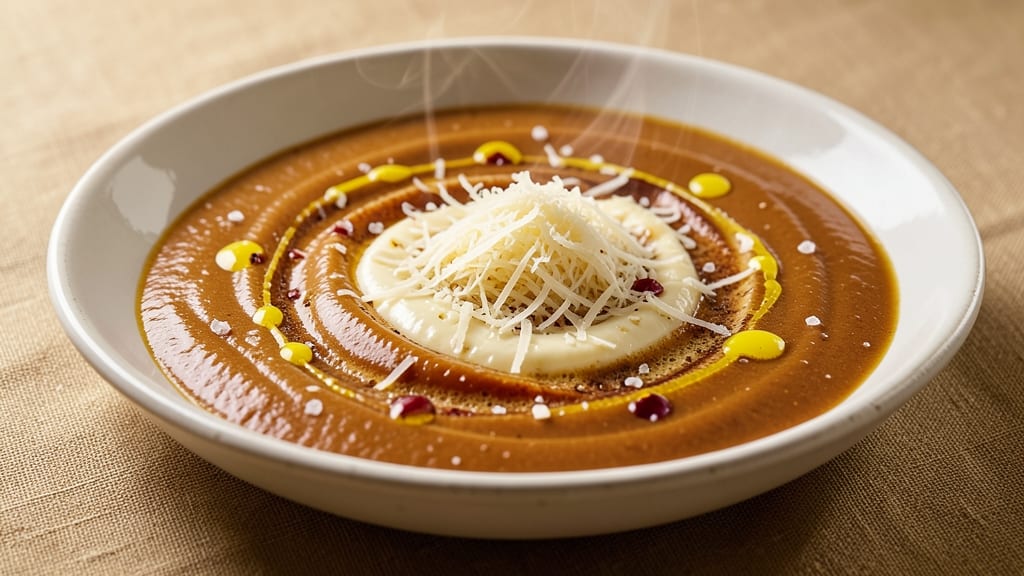
This alfrado sauce recipe delivers the velvety, parmesan-rich cream sauce you crave without the lumps or heavy cleanup. After perfecting this version for years, I’ve eliminated the common pitfalls—no clumping, no graininess, and no need for roux.
The secret lies in precise technique and high-quality ingredients that create that signature restaurant-style richness at home.
What sets this recipe apart is its simplicity: just five core ingredients—butter, heavy cream, garlic, Parmesan, and a touch of lemon—work together to create a sauce that’s impossibly smooth.
The key is tempering the Parmesan properly and whisking continuously to prevent separation. Ready in just 10 minutes, this sauce transforms basic pasta into an indulgent meal.
You’ll end up with a sauce that’s luxuriously creamy yet light enough to coat every strand of pasta perfectly. The lemon brightens the richness, while the garlic adds depth without overpowering. This is the sauce that makes homemade Italian dishes feel like a five-star restaurant experience—without the fuss.
Use it immediately over fettuccine or save it for later—this sauce reheats beautifully and keeps well in the fridge for up to five days. For variations, try swapping heavy cream for coconut milk or using nutritional yeast for a vegan version. Let’s make this sauce!
Ingredients for alfrado sauce
Five ingredients transform into restaurant-quality alfrado sauce with velvety texture and perfect balance.
| Ingredient | Amount | Notes |
|---|---|---|
| Unsalted Butter 🧈 | ¾ cup | Cold, cut into small cubes |
| Heavy Cream 🥛 | 1 ½ cups | Full-fat for optimal richness |
| Fresh Garlic Cloves 🧄 | 4 cloves | Peeled, thinly sliced |
| Parmesan Cheese 🧀 | 1 ½ cups | Freshly grated, fine grade |
| Fresh Lemon Juice 🍋 | 1 tbsp | From organic lemons |
| Diamond Crystal Kosher Salt 🧂 | ¼ tsp | Fine grain preferred |
| Freshly Ground Black Pepper 🌶️ | ¼ tsp | Cracked peppercorns preferred |
The Parmesan is non-negotiable—Parmigiano-Reggiano from a specialty shop delivers the authentic umami depth. Whole Foods or Eataly carry the best blocks, but any high-quality wedge will work if freshly grated. For the butter, Plugrá or Land O'Lakes unsalted are reliable choices, but European-style butter like Bergère adds even more richness. The garlic should be freshly peeled—pre-minced garlic lacks the aromatic punch. Store-bought grated Parmesan contains anti-caking agents that prevent proper emulsification, so grating your own is essential for that signature texture.
No heavy cream? Full-fat coconut milk creates a dairy-free version with similar body, though the flavor profile shifts slightly. Substituting half-and-half for cream yields a lighter sauce but sacrifices some richness. For a vegan alternative, nutritional yeast replaces Parmesan at a one-to-one ratio, though the flavor will differ. The lemon juice can be swapped for white wine vinegar at the same amount, but fresh lemon adds brightness that vinegar can't replicate. If you're using pre-minced garlic, rinse it thoroughly to remove any added oils or preservatives that could interfere with the sauce's delicate balance.
This sauce must be used immediately or refrigerated in an airtight container for up to 5 days. To reheat, warm gently on the stovetop over low heat, stirring constantly to prevent separation. For longer storage, freeze in ice cube trays—thaw quickly in warm water before using. The sauce thickens as it cools, so adding a splash of warm water or cream when reheating helps restore its ideal consistency. Always whisk vigorously after reheating to re-emulsify the Parmesan and create that signature velvety finish.
Why You'll Love This Recipe
- Five-Ingredient Magic: This sauce comes together with just five things you already own—no fancy gadgets, no stress. Melt butter, toss in garlic and cream, then finish with that bright lemon hit. Honestly, it’s the kind of recipe that makes me feel like a chef without the fuss.
- Rich Yet Bright: The heavy cream gives it that velvety, restaurant-quality texture, but the lemon juice cuts through the richness like a breath of fresh air. That Parmesan? It’s the secret weapon—nutty, sharp, and impossible to resist.
- Weeknight Superstar: Slather it over pasta, drizzle it on grilled chicken, or spoon it into baked potatoes. It’s my go-to when I’m too tired to think but still want something that tastes like I cared. (Yes, even on a Tuesday night.)
- Leftovers That Lie: Between us, this sauce tastes better the next day—thicker, more concentrated, and ready to transform whatever you’re serving. I’ve reheated it three times and no one’s ever complained. That’s a win in my book.
Step-by-step instructions for Alfredo sauce
Master this velvety Parmesan cream sauce with foolproof technique and professional results.
Melt the Butter and Cook the Garlic
Place a heavy-bottomed saucepan over medium-low heat and add the 0.75 cup unsalted butter, cut into small cubes. Allow it to melt completely, swirling occasionally, until it foams and turns golden. This gentle heat prevents burning while developing rich flavor.
Once the butter has fully melted and is just beginning to color, add the 4 cloves peeled, thinly sliced fresh garlic cloves. Cook for 1-2 minutes until the garlic becomes fragrant and just begins to turn golden around the edges—never let it brown. Overcooked garlic will impart bitterness to your sauce. Keep the heat at medium-low throughout this process to maintain control.
Add Heavy Cream and Simmer
Pour in the 1.5 cups heavy cream and stir gently to combine with the garlic butter. Increase the heat to medium and bring the mixture to a gentle simmer. Let it cook uncovered for 5-6 minutes until the cream begins to thicken slightly and small bubbles form around the edges of the pan.
During this time, you'll notice the sauce develop a subtle sheen—this indicates the cream is beginning to emulsify. Stir occasionally with a wooden spoon to prevent any potential scorching at the bottom of the pan. The sauce should never boil vigorously, as this can cause it to curdle.
Incorporate the Parmesan and Season
Reduce the heat to low and gradually whisk in the 1.5 cups freshly grated Parmesan cheese, adding it in small increments. This gradual approach prevents the cheese from clumping and ensures a smooth, velvety texture. Continue whisking constantly for 3-4 minutes until the cheese has fully melted and the sauce becomes thick and glossy.
Once the cheese is completely incorporated, remove the pan from heat and stir in the 1 tablespoon fresh lemon juice, 0.25 teaspoon Diamond Crystal kosher salt, and 0.25 teaspoon freshly ground black pepper. The lemon juice brightens the rich flavors while balancing the creaminess. Taste and adjust seasoning if needed—this sauce should be rich but not overly salty, with a subtle tang from the lemon and pepper.
Strain and Finish
For an ultra-smooth sauce, strain the mixture through a fine-mesh sieve into a clean saucepan. This removes any garlic bits and creates a silky texture. Return the sauce to low heat and let it warm through for 1-2 minutes, stirring occasionally. The sauce should coat the back of a spoon and hold its shape when drizzled.
If the sauce becomes too thick while warming, whisk in 1-2 tablespoons of hot water or pasta water to reach your desired consistency. The perfect Alfredo sauce should be thick enough to cling to pasta but still flow smoothly. Serve immediately over your choice of pasta, tossing gently to coat each strand evenly.
Pro Tips For Making Alfrado Sauce
- Melt Butter Slowly: I learned this the hard way—dumping cold butter into the pan and ending up with lumps in your sauce. Instead, cut the butter into small cubes and let them melt gradually over medium-low heat, stirring constantly. This keeps the sauce smooth and prevents it from breaking or seizing later.
- Toast Garlic Lightly: Fresh garlic cloves can burn fast, and bitter garlic ruins everything. Slice them thin (⅛-inch or less) and cook them in the butter for just 30 seconds until fragrant but still pale gold. Overcooking turns them into a bitter aftertaste—no one wants that in a creamy sauce.
- Whisk the Cream Warm: Cold heavy cream dumped into hot butter? That’s a fast track to curdled disaster. Warm the cream slightly (just until it’s steaming but not boiling) before adding it to the butter-garlic mixture. This keeps the sauce silky and prevents it from splitting.
- Grate Parmesan Fresh: Pre-shredded cheese has anti-caking agents that make your sauce grainy. Use a fine grater and grate your own Parmesan right before adding it to the sauce—it dissolves better and gives you that rich, melty texture. (Yes, even if you’re impatient like me.)
Flavor customization for alfrado sauce
Creamy Variations
Swap the heavy cream for full-fat coconut milk to create a rich, dairy-free version that still clings beautifully to pasta. I find Thai Kitchen coconut milk works best—its natural sweetness balances the Parmesan perfectly.
For a lighter option, try half-and-half instead of cream, though the sauce will be slightly less decadent. 🥥
Herb Infusions
Add 2 tablespoons fresh basil or 1 tablespoon dried oregano while simmering the cream for a fresh, Italian-inspired twist. I prefer basil for its bright flavor, but oregano adds earthy depth.
For a more complex profile, stir in 1 teaspoon lemon zest with the lemon juice—it brightens the sauce without overpowering the Parmesan.
Spicy Kick
Incorporate ½ teaspoon red pepper flakes when adding the Parmesan for a subtle heat, or finish with 1 teaspoon hot honey for a sweet-spicy contrast. For a smoky note, add ½ teaspoon smoked paprika with the salt. I recommend Penzeys brand for both—their spices are consistently flavorful. 🌶️
Umami Boosters
Enhance the sauce's depth by adding 1 teaspoon white miso paste or 1 tablespoon fish sauce when whisking in the Parmesan. Both add umami without altering the sauce's creamy texture. For a vegetarian option, 1 teaspoon nutritional yeast works well. Taste as you go—these additions are potent!
Lighter Options
Reduce the cream by ½ cup and replace it with ½ cup warm chicken or vegetable broth for a lighter, yet still luxurious sauce. The broth adds subtle flavor while cutting the richness.
I also like adding 1 tablespoon Dijon mustard when combining the cream and butter—it helps emulsify the sauce and adds a tangy note.
Regional Twists
For a Southern Italian touch, add 1 tablespoon tomato paste with the garlic to create a white sauce with a hint of tomato depth. A Northern Italian variation includes ½ cup grated fontina cheese alongside the Parmesan for a nutty, creamy profile. Both work beautifully with fettuccine or pappardelle. 🗺️
Nutrition facts
Frequently asked questions
Why does my alfrado sauce get grainy or clumpy?
The most common cause is adding Parmesan too quickly or using pre-shredded cheese. Always grate your own cheese and whisk it in gradually over low heat while stirring constantly. For extra smoothness, strain the finished sauce through a fine-mesh sieve. Never let the sauce boil—keep it at a gentle simmer to prevent curdling.
Can I make this sauce ahead of time?
Yes, but with precautions. Store in an airtight container in the fridge for up to 5 days. Reheat gently over low heat, whisking constantly to prevent separation. For longer storage, freeze in ice cube trays—thaw quickly in warm water before using. The sauce thickens as it cools, so add a splash of warm water or pasta water when reheating.
What's the best pasta to pair with this sauce?
Fettuccine or pappardelle are classic choices—their wide, flat surfaces catch the sauce beautifully. For extra indulgence, try tagliatelle or linguine. Avoid thick, dense pastas like rigatoni, as they can make the sauce too heavy. Always cook pasta al dente and toss it with the sauce immediately to prevent sticking.
How do I make this sauce dairy-free?
Replace the heavy cream with full-fat coconut milk and use nutritional yeast instead of Parmesan. For extra richness, add 1 tablespoon cashew cream (blended soaked cashews with water). The sauce will have a slightly different texture but still clings well to pasta. Thai Kitchen brand coconut milk works best for creaminess.
Why does my sauce separate when reheating?
This happens when the sauce cools too quickly or sits too long in the fridge. Always reheat over low heat while whisking vigorously. If separation occurs, stir in 1 tablespoon cold water or pasta water and whisk until smooth. For prevention, store sauce in shallow containers to cool faster and add lemon juice (already in the recipe) which helps stabilize the emulsion.