
Side Dishes
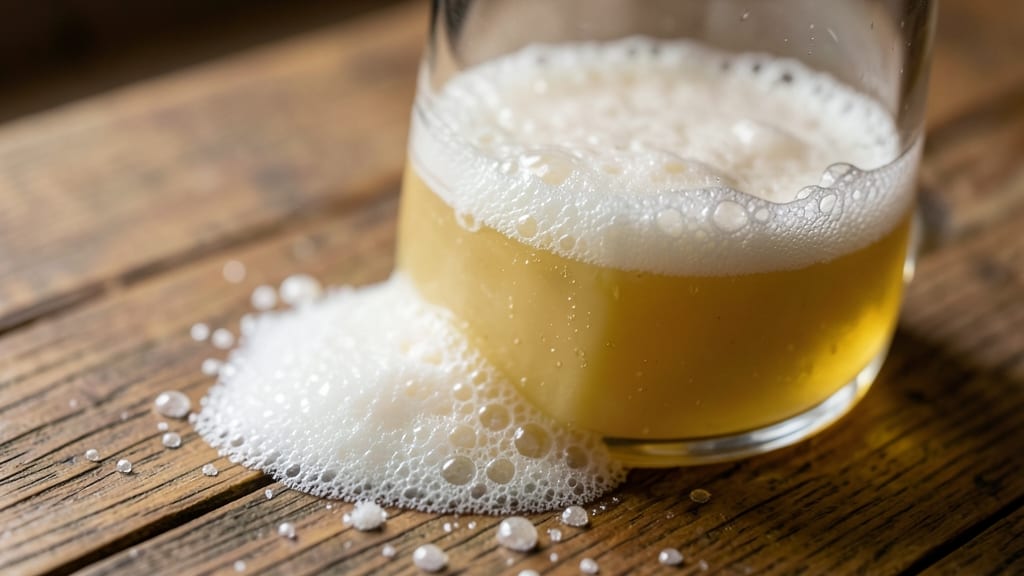
Alton Brown’s beer bread recipe delivers the perfect balance of crispy crust and chewy core—a side dish that’s as impressive as it is easy to make. The secret lies in the right beer selection and precise hydration, transforming simple ingredients into something restaurant-worthy.
I’ve tested this recipe countless times, and the difference between a dense loaf and golden, flaky perfection comes down to technique. This isn’t just bread; it’s a game-changer for soups, stews, or even as a hearty snack.
What sets this recipe apart is Alton Brown’s signature approach: using a Dutch oven for even baking and a specific beer ratio that enhances flavor without overpowering.
The dough comes together in minutes, but the real magic happens during the 30-minute bake—where the crust develops that signature crackly texture while the interior stays tender. No yeast required, no fuss, just foolproof results every time.
This is the kind of bread that disappears faster than you can slice it.
The beauty of this recipe is its versatility—serve it warm with butter, pair it with chili, or use it as a base for open-faced sandwiches. The crispy crust shatters at the touch, revealing a soft, pillowy center that’s impossible to resist.
Whether you’re feeding a crowd or treating yourself to a cozy meal, this beer bread delivers professional-quality results with minimal effort. Let’s get baking.
For those who love experimenting, try swapping the beer for a stout for deeper flavor or adding herbs like rosemary for a savory twist. The possibilities are endless, but the foundation—crispy outside, chewy inside—is always foolproof.
This is the recipe I turn to when I want something special without the complexity. Ready to impress your guests?
Ingredients for alton brown beer bread
Eight simple components transform into Alton Brown’s legendary beer bread—crispy crust, chewy core, and foolproof technique.
| Ingredient | Amount | Notes |
|---|---|---|
| All-Purpose Flour 🌾 | 3 cups | Sifted for even texture |
| Light Brown Sugar 🍯 | ¼ cup | Packed lightly |
| Baking Powder 🧂 | 1 ½ tsp | Aluminum-free preferred |
| Diamond Crystal Kosher Salt 🧂 | 1 ½ tsp | Fine grain preferred |
| Unsalted Butter 🧈 | ½ cup | Cold, cubed |
| Lager Beer 🍺 | 1 ¼ cups | Light to medium body |
| Extra-Virgin Olive Oil 🫒 | 1 tbsp | For greasing Dutch oven |
| Fresh Rosemary 🌿 | 1 tbsp | Chopped, optional garnish |
| Fresh Parsley 🌿 | 1 tbsp | Chopped, optional garnish |
The flour is non-negotiable here—King Arthur or Gold Medal brands yield the best results due to their high protein content, which creates that signature chewy texture. Bulk bins at Whole Foods often carry premium options, but standard supermarket all-purpose flour works fine if sifted properly. For the beer, light lagers like Budweiser or Coors provide the ideal balance of flavor and carbonation without overpowering the bread’s structure. Avoid stouts or IPAs unless you’re intentionally aiming for a bolder profile. The baking powder must be fresh—test by mixing 1 tsp with water; if it fizzes vigorously, it’s good to go. For the butter, Plugrá or Land O’Lakes are reliable choices, but any unsalted brand will suffice as long as it’s cold when mixed into the dough.
No lager on hand? Substitute with a light ale or even non-alcoholic beer—just ensure it’s not too dark or hoppy, which can alter the bread’s texture. Short on baking powder? Use 1 tsp baking soda plus 0.5 tsp cream of tartar as a replacement, though the flavor won’t be identical. For the herbs, dried rosemary or thyme at half the amount works in a pinch, but fresh adds an aromatic depth that’s well worth the effort. The olive oil should be light and fruity—avoid robust varieties like Kalamata, which can clash with the beer’s profile. If you’re feeling adventurous, swap the brown sugar for maple syrup or honey for a subtle variation, though the caramel notes will differ slightly.
This dough is best baked immediately, but it can be refrigerated for up to 24 hours if covered tightly with plastic wrap. For longer storage, freeze the shaped loaf on a baking sheet before transferring to a sealed bag—thaw at room temperature before baking. The baked bread reheats beautifully; wrap in foil and warm at 300°F for 10 minutes to restore its crispiness. Slice while still warm for clean cuts, and store leftovers in an airtight container for 2-3 days. The crust loses its shatter when fully cooled, so enjoy it fresh or toast slices to revive the texture.
Why You'll Love This Recipe
- No Mixer Needed: I swear by this—just fold the butter into the dry ingredients with your fingers until it looks like wet sand. No electric mixer, no sticky mess, just a few minutes of hands-on work that’s oddly satisfying.
- Sweet-Salty Magic: That brown sugar isn’t just for flavor—it caramelizes into a subtle crunch while the beer adds a malty depth. Honestly, the first time I tried it, I nearly stole a slice before dinner was ready.
- Tailgate or Tea Time: Serve it warm with chili for game day, or let it cool for sandwiches the next day. Even my picky mom-in-law asked for seconds when I brought it to her book club—no small feat.
Step-by-step instructions for alton brown's beer bread
Master this technique and you'll achieve that signature crispy crust with a perfectly chewy interior every time.
Prepare the Dry Ingredients
In a large mixing bowl, combine the 3 cups all-purpose flour and 1.5 teaspoons baking powder. Sift the flour mixture twice through a fine-mesh sieve to aerate it and eliminate any lumps. This step is crucial for achieving the light, airy texture that defines great beer bread.
Next, add the 0.25 cup light brown sugar and 1.5 teaspoons diamond crystal kosher salt. Use your fingers to gently break up any remaining flour clumps and distribute the sugar and salt evenly throughout the mixture. The sugar will caramelize slightly during baking, contributing to that golden crust, while the salt enhances all the flavors.
Cut in the Cold Butter
Add the 0.5 cup cold, cubed unsalted butter to the dry ingredients. Using a pastry cutter or two forks, work the butter into the flour mixture until you achieve a coarse crumb texture with pea-sized butter pieces still visible. This method creates pockets of fat that will melt during baking, producing that signature moist interior.
Be careful not to overwork the mixture—just until the butter is evenly distributed. Overmixing develops gluten, which can make the bread dense rather than tender. The butter should still be cold enough to hold its shape when you press it between your fingers.
Incorporate the Beer and Herbs
Create a well in the center of your dry mixture and pour in the 1.25 cups lager beer. Using a wooden spoon or rubber spatula, gently fold the beer into the flour until just combined. The batter should be thick but pourable—it should hold its shape when you lift the spoon but still flow easily.
Add the 1 tablespoon chopped fresh rosemary and 1 tablespoon chopped fresh parsley to the batter. Fold these herbs in gently to distribute them evenly. The beer's carbonation will create steam during baking, contributing to that crispy crust while keeping the interior tender. The herbs add subtle earthy notes that complement the malty beer flavor.
Shape and Prepare for Baking
Lightly grease a 9x5-inch loaf pan with 1 tablespoon extra-virgin olive oil, making sure to coat all surfaces thoroughly. Transfer the beer bread batter to the prepared pan and smooth the top with a wet spatula. The batter should fill the pan about three-quarters full—it will rise significantly during baking.
For that signature crispy crust, sprinkle a thin layer of coarse sugar or additional kosher salt over the top of the batter. This creates a caramelized crust as it bakes. Place the loaf pan on a baking sheet lined with parchment paper to catch any potential spills during the rising process.
Bake to Golden Perfection
Preheat your oven to 375°F and bake the beer bread for 50-55 minutes, or until the top is deep golden brown and a toothpick inserted in the center comes out clean. The bread should have risen significantly and have a crisp exterior with a moist, chewy interior.
I recommend checking the bread at the 45-minute mark—ovens vary, and you want to catch it at the perfect moment before it overbakes. When you tap the top, it should sound hollow. Let the bread cool in the pan for 10 minutes before transferring it to a wire rack to cool completely. This resting period allows the internal structure to set properly for the best texture.
Pro Tips For Making Alton Brown Beer Bread
- Melt the Butter Slowly: The butter in this recipe needs to melt just until it’s liquid but not browned—otherwise, you’ll end up with a bitter, caramelized flavor instead of that rich, buttery depth. Use the lowest heat setting on your stove and stir every 30 seconds. I learned this the hard way when my bread turned out tasting like a campfire.
- Measure Salt Precisely: Diamond Crystal kosher salt is not the same as table salt—if you eyeball it, you’ll either ruin the bread (too much) or wonder why it tastes bland (too little). Use the recipe’s measurement exactly and level it off with a knife. Trust me, your taste buds will notice the difference.
- Don’t Overmix the Dough: Once you add the beer, stop stirring the second the flour is fully incorporated—overmixing develops gluten, which makes the bread dense instead of light and airy. A few lumps are fine; the baking powder will handle the rest. I used to beat it like I was punishing the dough, and my bread always turned out like a brick.
- Bake Until Golden, Not Just Set: The bread is done when it’s a deep golden brown, not just "set" in the middle. If you pull it out too early, it’ll stay pale and gummy. A toothpick should come out clean, but don’t rely on that alone—look for that rich, toasted color. (Yes, even if you’re impatient like me.)
Make-ahead tips for alton brown beer bread
Dough Prep Ahead
Mix the batter up to 24 hours in advance and store it in an airtight container in the refrigerator. The cold temperature slows yeast activity (even though this recipe is yeast-free), allowing flavors to meld beautifully.
When ready to bake, let the batter sit at room temperature for 30 minutes before transferring to the greased pan—this ensures even baking and prevents a dense interior. 🌡️
Freezer-Friendly Loaf
Shape the batter into a loaf in the pan, then freeze it uncovered on a baking sheet for 1 hour to firm up. Transfer the frozen loaf to a sealed freezer bag for up to 3 months.
When ready to bake, remove it from the freezer and let it thaw in the fridge overnight. Bake directly from frozen at 375°F for 60-65 minutes, tented with foil for the first 30 minutes to prevent over-browning.
Reheating Tricks
To revive stale beer bread, wrap slices tightly in aluminum foil and warm at 350°F for 8-10 minutes. For extra crispiness, broil for 1-2 minutes at the end.
I also love toasting slices in a dry skillet over medium heat for 1 minute per side—this restores that shatterable crust without drying out the interior. A spritz of water before reheating helps maintain moisture.
Batch Baking Tips
Double the recipe and bake two loaves simultaneously on the middle rack. For even heat distribution, rotate the pans halfway through baking. Store baked loaves in separate airtight containers to maintain freshness.
I like to freeze one loaf immediately after baking for future meals—just thaw and reheat as needed. Label containers with the date to track freshness.
Herb Infusion Boost
Pre-chop and store fresh herbs like rosemary and parsley in the freezer for up to 3 months. Add them directly to the batter when ready to bake—no thawing required!
For extra flavor, mix 1 teaspoon dried herbs with the flour before combining. The concentrated flavor works surprisingly well, especially when paired with a bold beer like a dark ale.
Make-Ahead Serving
Pre-slice the cooled loaf and store in an airtight container with a paper towel to absorb moisture. This keeps slices crispy for up to 2 days at room temperature. For parties, assemble a beer bread platter with butter, honey, and jam in small bowls.
The slices stay fresh for 3-4 hours at room temperature, making it perfect for buffet-style serving. ✨
Nutrition facts
Frequently asked questions
Why does Alton Brown's beer bread need cold butter?
Cold butter creates pockets of fat that melt during baking, producing that signature moist interior while keeping the exterior crispy. When butter is too warm, it creates gluten development, making the bread dense instead of tender. Always use cold, cubed butter straight from the fridge for best results.
Can I substitute beer with another liquid?
Yes! Use 1.25 cups milk, buttermilk, or even broth in a pinch, but beer's carbonation creates steam that enhances the crispy crust. For flavor, try a light lager or pale ale—avoid dark beers or stouts unless you want a stronger malty taste. The texture will still be great, just with different flavor notes.
How do I fix a dense beer bread?
Overmixing or warm butter usually causes density. Next time, fold the batter just until combined and keep butter cold. If your bread turns out dense, try baking it at 350°F for 10 extra minutes—the lower heat allows steam to escape gradually, creating a lighter texture. For immediate fixes, slice and toast thick pieces to revive crispiness.
What's the best way to store leftover beer bread?
Wrap cooled slices in foil and store at room temperature for 2 days, or freeze for up to 3 months. To revive stale bread, sprinkle with water and warm at 350°F for 5 minutes. For parties, serve pre-sliced with butter and jam in small bowls—it stays fresh for 3-4 hours at room temperature.
Can I add cheese or other mix-ins?
Try 1 cup shredded cheddar or Gruyère mixed into the batter for a savory twist. For sweet versions, fold in 0.5 cup dried cranberries or chocolate chips. Just reduce the beer slightly (by 0.25 cup) to maintain the right consistency. The key is to keep the batter thick enough to hold its shape during baking.