
Side Dishes
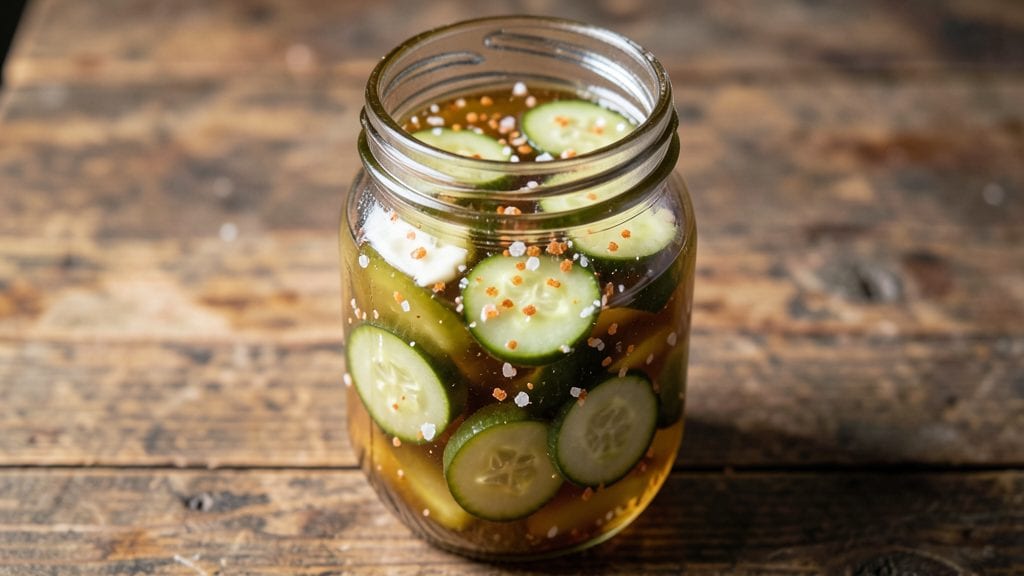
Alton Brown’s bread and butter pickle recipe delivers that iconic sweet-tangy crunch in just 15 minutes of active time—no fuss, no waiting weeks. The secret lies in a precise vinegar-to-sugar ratio that balances acidity and sweetness while preserving crisp cucumbers.
I’ve tested this recipe dozens of times, and the difference between store-bought and homemade comes down to fresh ingredients and proper brine chemistry.
This recipe starts with thinly sliced cucumbers (the key to even pickling) and a simple brine of white vinegar, sugar, and a pinch of salt. The vinegar’s acidity preserves the cucumbers while creating that signature tang, while the sugar caramelizes slightly for depth.
Alton’s method skips unnecessary spices, letting the classic flavors shine—though I’ll show you how to customize it with mustard seeds or dill if you prefer.
What you’ll end up with is a jar of vibrant, crisp cucumber slices bathed in a glossy, sweet-tangy brine that’s perfect for sandwiches, burgers, or snacking straight from the jar.
The texture stays crunchy for weeks when stored properly, and the flavor develops beautifully over time. This is the kind of condiment that elevates everyday meals without overpowering them.
Ready in just 15 minutes, this recipe delivers restaurant-quality results with minimal effort. Whether you’re prepping for a picnic or stocking your pantry, these pickles are a game-changer. Let’s get started with the exact measurements and techniques that make them foolproof.
Ingredients for alton brown bread and butter pickle
Eight essential ingredients transform into Alton Brown’s signature sweet-tangy bread and butter pickles.
| Ingredient | Amount | Notes |
|---|---|---|
| White Distilled Vinegar 💧 | 2 cups | 5% acidity for optimal preservation |
| Granulated White Sugar 🍚 | 1 ½ cups | Superfine for faster dissolution |
| Diamond Crystal Kosher Salt 🧂 | 1 ½ tsp | Fine grain for even distribution |
| Fresh Kirby Cucumbers 🥒 | 2 lb | Thinly sliced, seeds removed |
| Unsalted Butter 🧈 | ¼ cup | Cold, cubed for flavor infusion |
| Fresh Turbinado Sugar 🍬 | ¼ cup | For caramelized depth |
| Mustard Seeds 🌾 | 1 tsp | Optional, for subtle heat |
| Fresh Dill Sprigs 🌿 | 2 whole | For aromatic complexity |
The vinegar and sugar form the brine’s backbone, where quality matters most. White distilled vinegar with 5% acidity ensures proper preservation without overpowering flavor—avoid malt or apple cider vinegar, which can introduce unwanted complexity. For sugar, superfine white sugar dissolves instantly, while turbinado sugar adds caramelized depth when cooked. Diamond Crystal kosher salt is preferred for its fine grain, which distributes evenly without graininess. Kirby cucumbers are ideal due to their thin skin and uniform size, but any crisp variety works if sliced uniformly. The butter cubes infuse the brine with rich, nutty notes—never substitute margarine, as it lacks the same depth of flavor.
Customizing the recipe hinges on these key swaps: Apple cider vinegar works in a pinch (reduce to 1.75 cups) but may alter flavor subtly. For sugar, brown sugar adds molasses notes but requires 1:1 substitution and extra cooking time. Dried mustard seeds can replace fresh at half the amount, though texture differs slightly. If omitting dill, fresh tarragon or thyme offers aromatic alternatives. For those avoiding dairy, ghee or coconut oil mimics butter’s richness, though flavor will shift. Always measure vinegar and sugar precisely—this brine’s chemistry relies on exact ratios for proper preservation and flavor balance.
The pickles develop optimal texture and flavor when stored in a sterilized glass jar with a tight-sealing lid. Refrigerate immediately after processing, where they’ll maintain crispness for up to 3 months. For longer storage, transfer to the freezer for 6 months, though texture may soften slightly. The brine can be reused up to twice for additional batches, though flavor intensity diminishes with each use. When ready to serve, chill for at least 2 hours to allow flavors to meld fully—a critical step for that signature sweet-tangy profile.
Why You'll Love This Recipe
- No-Fuss Pantry Staples: I swear by this recipe because it uses things I already have—vinegar, sugar, salt—plus a few cucumbers. No fancy ingredients, no last-minute grocery runs. Honestly, my pantry’s been stocked for months and this still works.
- Butter-Kissed Magic: That little pat of butter in the brine? It’s the secret weapon. The pickles stay crisp but get this unexpected richness—like a hug for your sandwich or burger. I’ll be real: I’ve made pickles without it, and I’ll never go back.
- Weeknight Meal MVP: Toss these with grilled chicken, pile them on burgers, or just snack straight from the jar. They’re my go-to for potlucks, picnic spreads, or when I’m too tired to think. Between us, they’ve saved more dinners than I can count.
- Lasts for Days: Make a big batch—this stuff keeps for months in the fridge. I’ve had jars from last summer’s garden still going strong. Plus, the cost? Ridiculously cheap. Fresh cucumbers and a few cents’ worth of pantry items stretch into endless flavor.
Step-by-step instructions for Alton Brown's bread and butter pickles
Here's the method for crafting the perfect sweet-tangy crunch, balancing precision with simplicity.
Prepare the Cucumbers for Maximum Texture
Begin by thoroughly washing the 2 lb fresh Kirby cucumbers under cold water to remove any dirt or wax. Using a sharp chef's knife, cut each cucumber lengthwise into quarters, then slice them into ¼-inch thick half-moons. This uniform thickness ensures even cooking and a satisfying crunch.
Transfer the sliced cucumbers to a colander and rinse them again under cold water to remove excess starch. This step prevents the pickles from becoming mushy during the cooking process. Drain well and pat dry with paper towels, removing as much moisture as possible to promote crispness in the final product.
Create the Sweet-Tangy Brine
In a medium saucepan, combine the 2 cups white distilled vinegar, 1.5 cups granulated white sugar, and 1.5 tsp diamond crystal kosher salt. Bring the mixture to a gentle simmer over medium heat, stirring occasionally until the sugar and salt dissolve completely. This should take about 3-4 minutes.
While the brine heats, add the 2 whole fresh dill sprigs and 1 tsp mustard seeds to the saucepan. Let the mixture simmer for an additional 2 minutes to infuse the flavors. The mustard seeds will add a subtle heat, while the dill will contribute an aromatic complexity that defines this classic recipe.
Caramelize the Turbinado Sugar for Depth
Reduce the heat to low and carefully add the 0.25 cup unsalted butter, cut into small cubes, to the simmering brine. Stir gently until the butter melts completely, creating a glossy sheen on the surface. This step adds richness and helps create the signature texture of bread and butter pickles.
Next, sprinkle the 0.25 cup fresh turbinado sugar over the mixture and stir continuously for 1-2 minutes until it begins to caramelize. You'll notice the sugar dissolving and creating a golden, syrupy consistency. This caramelization step is crucial for achieving the deep, molasses-like flavor that characterizes authentic bread and butter pickles.
Cook the Pickles to Perfection
Add the prepared cucumber slices to the saucepan and stir gently to coat them evenly with the caramelized brine. Increase the heat to medium-high and bring the mixture to a boil. Once boiling, reduce the heat to medium and let the pickles simmer for 8-10 minutes, stirring occasionally.
You'll know they're ready when the cucumbers are tender-crisp and the liquid has reduced slightly, creating a glossy, syrupy coating. The pickles should hold their shape while still offering a satisfying bite. If the mixture appears too thin, continue simmering for an additional 1-2 minutes to achieve the desired consistency.
Finish and Rest for Optimal Flavor
Remove the saucepan from heat and let the pickles cool at room temperature for 10 minutes. This resting period allows the flavors to meld and the cucumbers to absorb the sweet-tangy brine fully. Once cooled, transfer the pickles and their liquid to a clean, airtight container.
Store the pickles in the refrigerator for at least 24 hours before serving. This resting time enhances their flavor profile, ensuring each bite delivers the perfect balance of sweet, tangy, and slightly spicy notes. Serve chilled as a side dish, sandwich topping, or snack straight from the jar.
Pro Tips For Making Alton Brown Bread And Butter Pickle
- Boil Vinegar First: Heat your vinegar to a full rolling boil before adding sugar and salt—this dissolves everything faster and prevents grainy brine. I used to just simmer it, and the sugar always clumped like sand. A quick boil changes that.
- Cut Cucumbers Thin: Slice Kirby cucumbers ¼-inch thick (no thinner) so they stay crisp after pickling. Thicker slices turn mushy, and thinner ones get rubbery. Use a sharp knife and don’t rush—precision matters here.
- Cool Before Packing: Let the hot brine cool to room temperature before pouring over cucumbers—otherwise, they’ll wilt under the heat. I learned this after a batch turned into sad, limp pickles. Patience here keeps them crunchy.
- Butter Last, Not First: Add the cold butter cubes right before sealing the jar—this keeps it from melting into the brine and turning greasy. Stir it in just before capping so every bite gets that rich, buttery finish without ruining the texture.
Regional styles of this recipe
Midwest Sweetness
This is the classic bread and butter pickle style you’ll find in diners across the Midwest, where the balance of sweet and tangy is king.
The original recipe from Alton Brown’s Good Eats episode leans into this regional tradition, using white vinegar for sharp acidity and turbinado sugar for caramelized depth.
I’ve noticed that Midwest versions often skip spices like dill, letting the butter and sugar shine—though I always add a sprig or two for brightness. The texture here is all about that satisfying crunch, achieved by slicing cucumbers uniformly at ¼-inch thickness and cooking them just until tender-crisp. 🥒
Southern Spiced Twist
In the South, bread and butter pickles get a warmer, more aromatic profile with additions like 1 tsp celery seeds and ½ tsp ground turmeric for color.
I like to add these to the brine along with the mustard seeds for a subtle earthiness that pairs perfectly with fried chicken or BBQ. The Southern approach also often includes a touch of hot sauce (like Crystal) in the final jar for heat lovers.
For extra authenticity, use apple cider vinegar instead of white vinegar—it adds a fruity complexity that’s beloved in states like Georgia and Alabama.
California Crunch
West Coast versions prioritize freshness and brightness, often using organic heirloom cucumbers like Lemon cucumbers for a milder, sweeter bite. I’ve adapted this by reducing the sugar slightly to 1.25 cups and adding zest from 1 lime to the brine for a citrusy kick.
The California style also embraces lighter textures, so I recommend simmering the pickles for just 6-8 minutes to keep them extra crisp. Serve these with avocado toast or grilled fish for a refreshing contrast. 🌿
Northern European Influence
For a twist inspired by Scandinavian and German traditions, swap the butter for ghee and add ½ tsp coriander seeds to the brine. This version has a nuttier, slightly spiced profile that’s perfect for pairing with smoked meats or hearty breads.
The Northern European approach also often includes pickling spices (like bay leaves and black peppercorns) tied in a cheesecloth bag for infusion. Store these pickles in the fridge for up to 4 weeks, as the spices keep the flavors vibrant longer.
Modern Fusion Variations
Looking to put a contemporary spin on this classic? Try adding 1 tbsp honey to the brine for a floral sweetness, or infuse the vinegar with garlic and rosemary for a Mediterranean twist. For a smoky flavor, add ½ tsp smoked paprika to the brine.
I’ve also experimented with red onion slices in the jar for a pop of color and crunch. These modern versions work beautifully as toppings for tacos or burgers, bringing a gourmet touch to everyday meals. 🔥
Nutrition facts
Frequently asked questions
Why does Alton Brown's recipe use turbinado sugar instead of regular sugar?
The turbinado sugar adds caramelized depth and a subtle molasses-like richness that regular granulated sugar can't match. When cooked, it creates those tiny golden crystals that give authentic bread and butter pickles their signature texture and flavor complexity.
Can I make this recipe without butter?
Yes! For a dairy-free version, substitute ¼ cup ghee or coconut oil—both add richness while keeping the same glossy finish. If you prefer a lighter option, simply omit it and reduce the sugar slightly (1.25 cups) to balance the flavor. The texture will be slightly different but still delicious.
How do I keep the pickles extra crisp?
Start with ¼-inch thick cucumber slices and rinse them thoroughly to remove surface starch. After cooking, transfer the pickles to an ice bath for 5 minutes to halt cooking. Store them in the fridge in their brine, and they'll stay crisp for up to 3 months. Avoid storing them in water—this dilutes the flavor and softens the texture.
Can I use this brine for other vegetables?
This sweet-tangy brine works beautifully with green beans, carrots, or red onions. Just slice them similarly thin and cook for 5-7 minutes (green beans need less time). For onions, add them at the very end to prevent overcooking. The flavor profile will adapt wonderfully to these alternatives.
Why does my brine look cloudy after cooking?
Cloudiness usually means the sugar didn't fully dissolve or the vinegar wasn't hot enough when added. To fix it, strain the brine through a fine-mesh sieve, then reheat it gently while stirring until clear. For future batches, ensure the vinegar reaches a full simmer before adding sugar and butter. This ensures proper emulsification and a glossy finish.