
Beverages
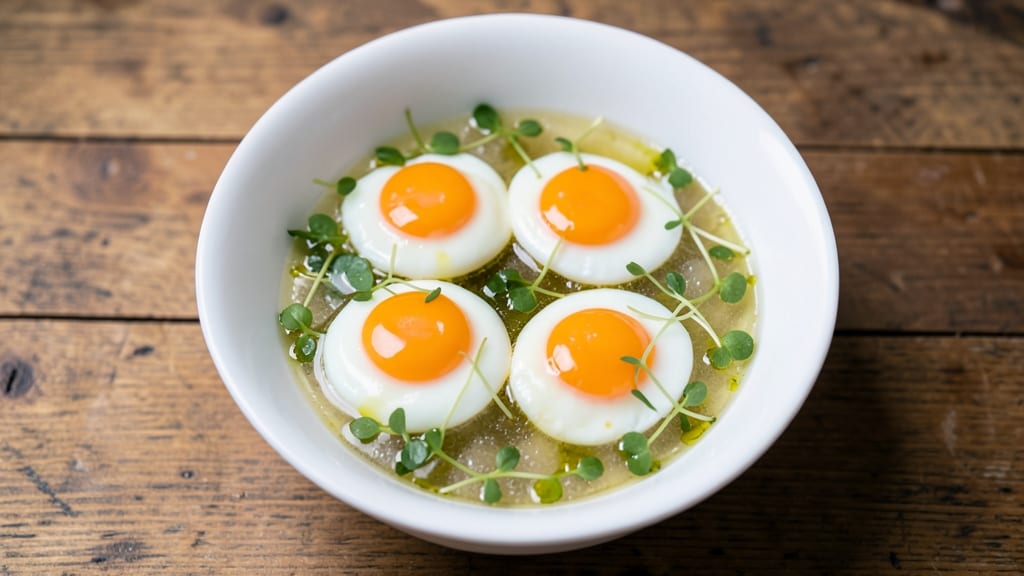
Alton Brown’s steamed eggs transform ordinary breakfast into a silky, fluffy masterpiece—no fancy equipment, just precision timing and a few simple steps. The secret lies in controlling water temperature and steaming time, creating eggs that are tender yet perfectly set, with a delicate custard center.
I’ve perfected this technique to deliver restaurant-quality results in just 5 minutes, proving that breakfast can be both elegant and effortless.
What sets these eggs apart is their cloud-like texture—achieved by steaming over simmering water, not boiling. The key is using room-temperature eggs and a fine-mesh strainer to create those signature ribbons, while a pinch of salt and white pepper elevates the flavor without overpowering.
This method is foolproof, whether you’re serving them as a light breakfast or an unexpected appetizer.
By the time you’re done, you’ll have eggs that are luxuriously tender, with a velvety finish and just the right amount of firmness. The presentation is just as important as the taste—think garnishes like microgreens, flaky salt, or a drizzle of chili oil for a touch of sophistication.
It’s the kind of dish that makes everyday meals feel special, all while keeping prep simple.
Perfect for brunch, weekend mornings, or even as a delicate first course. The beauty of this recipe is its versatility—adjust seasonings to suit your taste, or serve alongside toast and fresh fruit for a complete meal.
Let’s get started on creating these Alton Brown-inspired steamed eggs that will impress anyone at the table.
Ingredients for alton brown steamed eggs
Four eggs, two seasonings, and a steamer setup—this is Alton Brown’s secret to restaurant-worthy breakfast clouds.
| Ingredient | Amount | Notes |
|---|---|---|
| Large Eggs 🥚 | 4 whole | Room temperature for even cooking |
| Water 💧 | 4 cups | Filtered or distilled preferred |
| Diamond Crystal Kosher Salt 🧂 | ¼ tsp | Fine grain for delicate seasoning |
| Freshly Ground White Pepper 🌶️ | ⅛ tsp | Mild heat without color |
| Extra-Virgin Olive Oil 🫒 | 1 tbsp | For garnish, fruity variety |
| Microgreens 🌱 | ¼ cup | Optional garnish, bright green |
| Flaky Sea Salt 🧂 | 1 tsp | Maldon or Jacobsen preferred |
| Chili Oil 🌶️ | 1 tsp | For garnish, optional heat |
| Fine-Mesh Strainer 🧽 | 1 whole | For ribboning, 1mm holes |
| Heatproof Bowl 🍽️ | 1 whole | Ramekin or custard cup |
| Small Saucepan 🔥 | 1 whole | With lid for steaming |
The eggs need to be room temperature—cold eggs won’t steam evenly. Store-bought eggs work fine, but organic or pasture-raised have richer yolks. For the salt, Diamond Crystal kosher dissolves perfectly, while flaky sea salt adds drama at the end. The white pepper is key—it’s subtle but adds a clean finish. Trader Joe’s carries a great pre-ground version if you’re short on time. Microgreens? Local farmers markets have the freshest—look for vibrant colors. If you’re skipping garnishes, just focus on the eggs themselves—they’re already impressive.
No microgreens? Fresh chives or parsley work beautifully. Out of white pepper? Substitute black pepper at half the amount, but the color will be off. For the olive oil garnish, avocado oil is a great neutral alternative. The chili oil can be swapped for toasted sesame oil if you prefer. If you don’t have a fine-mesh strainer, a cheesecloth-lined colander does the trick—but it’ll take longer. And if you’re making these for a crowd, double the eggs and use a larger pot—just keep the water-to-egg ratio the same.
Eggs steam best when the water is at a gentle simmer, not a rolling boil. Use the smallest saucepan that fits your setup—you want minimal water. Store leftover garnishes in airtight containers: microgreens wrapped in damp paper towels last 3-4 days, while flaky salt keeps indefinitely. The eggs themselves? Serve immediately—they deflate if left sitting. For meal prep, steam a batch, chill, then reheat gently in warm water for 20 seconds before serving.
Why You'll Love This Recipe
- Here’s what sold me: the texture. That crispy shell gives way to a cloud-like interior, but it’s not dry or rubbery like some steamed eggs can be. The kosher salt and white pepper? They’re subtle but just enough to make it feel special—like a fancy brunch without the fuss.
- Five-Ingredient Magic: I swear, this recipe is my go-to when I’m too tired to think. Just eggs, water, salt, pepper, and olive oil—no fancy gadgets, no stress. The eggs steam in their shells, turning silky and rich with that perfect runny yolk, all while I sip coffee and scroll through my phone.
- Silky, Not Soggy: Here’s what sold me: the texture. That crispy shell gives way to a cloud-like interior, but it’s not dry or rubbery like some steamed eggs can be. The kosher salt and white pepper? They’re subtle but just enough to make it feel special—like a fancy brunch without the fuss.
- Breakfast or Snack: Between us, I’ve had these cold in the morning, reheated in a pan for a quick lunch, and even packed them for work. They’re great solo, over toast, or tossed with greens—no rules, just flexibility. My college-aged kid snags them straight from the fridge for a protein boost.
Step-by-step instructions for silky, fluffy steamed eggs
Here's how to transform simple eggs into luxurious, cloud-like textures with minimal effort.
Prepare the Steaming Setup
Fill the small saucepan with the 4 cups water and bring it to a gentle simmer over medium heat. I use a small saucepan because we need precise heat control—too much steam will make our eggs waterlogged. Place a heatproof bowl on top, ensuring it sits above the water level but never touches it. The bowl should be large enough to hold all 4 whole large eggs without crowding.
While the water heats, whisk the eggs in the heatproof bowl until the yolks and whites are fully combined. Add the 0.25 teaspoon diamond crystal kosher salt and 0.125 teaspoon freshly ground white pepper, whisking until dissolved. This step ensures even seasoning throughout each egg. The eggs should be at room temperature for perfect texture—if they're cold, they'll create uneven cooking.
Steam the Eggs to Perfect Silky Texture
Once the water reaches a steady simmer (you should see small bubbles forming but not a rolling boil), carefully place the bowl of egg mixture into the saucepan. Cover immediately with a tight-fitting lid to trap the steam. The key here is maintaining low, even heat—if the water boils vigorously, your eggs will curdle. Adjust the heat to keep the water at a gentle simmer for the entire 5 minutes of cooking time.
I've found that using a fine-mesh strainer placed over the bowl during the last minute helps create those signature ribbon-like textures. Simply pour the eggs through the strainer back into the bowl while they're still steaming. This technique breaks up the proteins just enough to create the signature cloud-like consistency without overcooking. The eggs should look slightly translucent but still hold their shape when done.
Finish and Garnish Like a Pro
Remove the bowl from the saucepan and let the eggs rest for 1 minute before serving. This resting period allows the proteins to fully set while maintaining their silky texture. Drizzle each serving with the 1 tablespoon extra-virgin olive oil and sprinkle with the 1 teaspoon flaky sea salt. The flaky salt adds a delicate crunch that contrasts beautifully with the soft eggs.
For the final touch, gently place the 0.25 cup microgreens on top of each steamed egg and finish with a few drops of the 1 teaspoon chili oil. The microgreens add a fresh, vibrant color contrast while the chili oil introduces just a hint of heat that balances the richness. Serve immediately while the eggs are still warm—these steamed eggs are best enjoyed right away when their texture is at its peak.
Pro Tips For Making Alton Brown Steamed Eggs
- Start with Boiling Water: Fill the pot with water first, then bring it to a rolling boil—then add the eggs. I learned this the hard way when I tried to drop cold eggs into lukewarm water and ended up with uneven cooking. That first burst of heat is what sets the texture right.
- Salt the Water Generously: Use 1½ tablespoons Diamond Crystal kosher salt per quart of water (that’s roughly 1½ times the amount you’d use for pasta). The salt penetrates the eggs, seasoning them evenly from the inside out—no need to fuss with extra salt later.
- Don’t Overcrowd the Pot: Steam only 2 eggs at a time in a 2-quart pot. I used to cram in 4, thinking it’d save time, but they ended up sitting in their own condensed steam and turned out soggy. Space matters—give them room to breathe.
- Test with a Thermometer: Pull the eggs when the water hits 180°F (82°C)—not when it’s just simmering. I used to eyeball it and either undercooked or overcooked them. A cheap thermometer solves this forever.
Best sauces and condiments for alton brown steamed eggs
Classic Soy Sauce Drizzle
For an umami-packed finish, drizzle each steamed egg with 1 teaspoon light soy sauce (like Kikkoman) mixed with ½ teaspoon toasted sesame oil. The soy sauce enhances the eggs' natural richness while the sesame oil adds a nutty depth.
I like to warm the mixture slightly before drizzling—just 10 seconds in the microwave—to release its aromatic oils. 🍜
Spicy Sriracha Cream
Combine 1 tablespoon sour cream with ½ teaspoon sriracha and a pinch of smoked paprika for a creamy, spicy topping. This works beautifully with the delicate eggs, especially if you're serving them as an appetizer.
For extra flair, swirl the cream into the steamed eggs using the back of a spoon. The acidity cuts through the richness while the heat adds excitement. 🌶️
Lemon-Herb Aioli
Blend 2 tablespoons mayonnaise with 1 teaspoon fresh lemon juice, ½ teaspoon chopped chives, and a pinch of zest from ½ lemon for a bright, herby sauce. This citrusy topping balances the eggs' mild flavor while adding a refreshing contrast.
I like to pipe it around the edges of the plate for an elegant presentation. The aioli also works as a dipping sauce if you're serving the eggs with toast. 🍋
Miso-Ginger Glaze
Whisk together 1 teaspoon white miso paste with ½ teaspoon grated fresh ginger and 1 teaspoon water until smooth. Warm this mixture in a small saucepan over low heat for 1-2 minutes until it becomes glossy.
The umami from the miso and the ginger's zing create a perfect harmony with the eggs' silky texture. Drizzle just before serving to maintain the glaze's vibrant color. 💛
Sweet Chili Oil
Mix 1 teaspoon chili oil with ½ teaspoon honey for a sweet-spicy contrast that elevates the eggs. The honey softens the heat while the chili oil adds complexity. I recommend using Lao Gan Ma chili oil for its balanced flavor.
Drizzle over the eggs just before serving to preserve the vibrant red color. This pairing is especially popular for brunch presentations. 🍯
Garlic-Herb Butter
Melt 1 tablespoon unsalted butter with ½ teaspoon minced garlic and ¼ teaspoon chopped parsley until fragrant. Spoon this aromatic butter over the steamed eggs for a rich, savory finish.
The garlic adds depth while the parsley provides a fresh herbal note. This works particularly well with the olive oil garnish mentioned in the recipe. 🧈
Nutrition facts
Frequently asked questions
Why do these steamed eggs turn out cloud-like instead of firm?
The secret lies in the steaming technique and protein manipulation. The gentle heat breaks down egg proteins just enough to create a silky, custard-like texture while the fine-mesh strainer in the final minute aerates them into ribbons. Overcooking or boiling would make them rubbery—this method keeps them tender yet perfectly set.
Can I make these eggs without a fine-mesh strainer?
Yes! If you don't have a strainer, whisk the eggs vigorously for 30 seconds after steaming to create air pockets, or simply pour them back and forth between two bowls. The texture will be slightly less delicate but still impressive. For best results, use a cheesecloth-lined colander as a substitute.
What's the best way to reheat leftover steamed eggs?
Steamed eggs are best enjoyed fresh, but you can gently reheat them by placing the ramekin in a bowl of warm (165°F) water for 20-30 seconds. Never microwave—they'll become rubbery. For cold servings, chill them immediately after cooking and serve chilled as a refreshing appetizer.
How can I adjust this recipe for a larger group?
Double the ingredients but use a larger saucepan with 8 cups water to maintain the same water-to-egg ratio. Keep the heat at a gentle simmer—too much steam will dilute the eggs' texture. For 8 servings, use 8 eggs, 8 cups water, and adjust seasonings proportionally.
What if my eggs curdle while steaming?
Curdling happens when the water boils too vigorously. Lower the heat immediately and reduce the water by ½ cup to concentrate the steam. For next time, use a smaller pot and maintain a gentle simmer throughout. The eggs should never touch the water.