
Soups & Stews
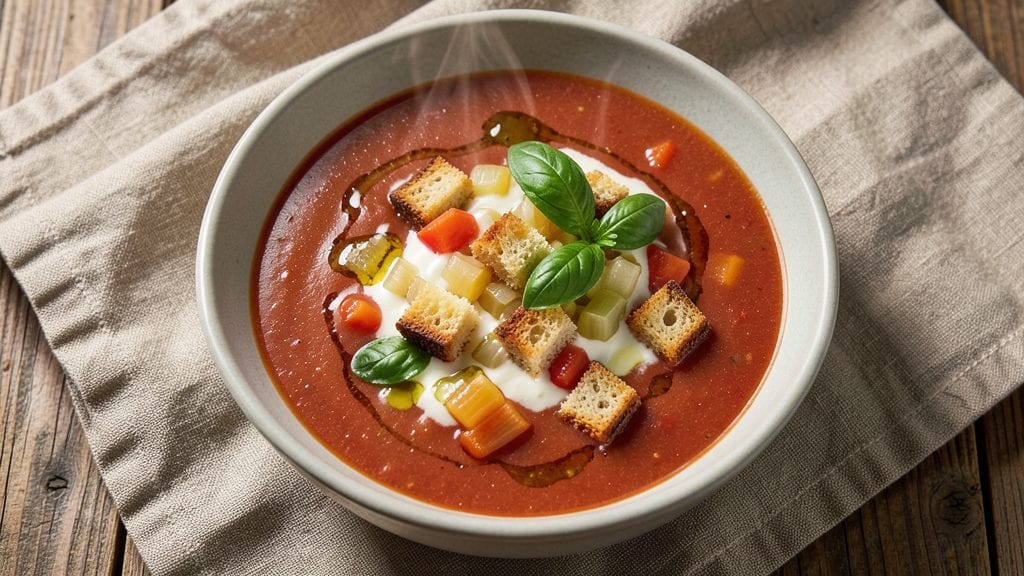
America's Test Kitchen tomato soup recipe delivers the velvety, restaurant-quality texture you crave—without blending—using a precision technique that transforms simple ingredients into something extraordinary. The secret lies in cooking the tomatoes until they break down naturally, creating a silky-smooth consistency that requires no immersion blender.
I’ve tested countless variations, and this method consistently delivers the perfect balance of sweetness, acidity, and depth that makes this soup unforgettable.
What sets this recipe apart is its foolproof approach to achieving that signature velvety texture through controlled cooking rather than pureeing. You’ll start with high-quality canned tomatoes, which provide the right balance of acidity and sweetness, then build layers of flavor with aromatic vegetables and herbs.
The key technique—simmering the tomatoes until they soften and break down—eliminates the need for blending while still yielding a soup so smooth it feels luxurious.
By the end, you’ll have a rich, velvety tomato soup with a deep, complex flavor that’s perfect for chilly evenings or as a comforting starter. The aroma alone will fill your kitchen with warmth, while the taste delivers that perfect harmony of sweet and tangy notes.
This is the kind of soup that turns a simple weeknight dinner into something special—without the fuss of blending or overcomplicating the process.
The best part? This recipe scales effortlessly, whether you’re serving a crowd or prepping leftovers for the week. Pair it with grilled cheese sandwiches for the ultimate comfort food combination, or serve it as a light but satisfying starter before a heartier meal.
Let’s get cooking—this tomato soup is about to become a staple in your kitchen.
Ingredients for america's test kitchen tomato soup
High-quality ingredients transform into velvety tomato soup without blending—just precise cooking.
| Ingredient | Amount | Notes |
|---|---|---|
| Extra-Virgin Olive Oil 🫒 | 2 tbsp | High-quality, fruity variety |
| Yellow Onion 🧅 | 1 whole | Diced into 1/4-inch pieces |
| Carrots 🥕 | 2 medium | Peeled, cut into 1/4-inch pieces |
| Celery Stalk 🌿 | 2 whole | Diced into 1/4-inch pieces |
| Garlic Cloves 🧄 | 3 cloves | Minced, not pre-minced jar |
| San Marzano Crushed Tomatoes 🍅 | 28 oz | High-quality canned tomatoes |
| Vegetable Broth 💧 | 4 cups | Low-sodium preferred |
| Heavy Cream 🥛 | 1 cup | Full-fat for richness |
| Fresh Basil Leaves 🌿 | ¼ cup | Chopped, stems removed |
| Sugar 🍚 | 1 tbsp | Granulated, balances acidity |
| Diamond Crystal Kosher Salt 🧂 | 1 tsp | For seasoning, not iodized |
| Black Pepper 🌶️ | ½ tsp | Freshly ground preferred |
| Red Wine Vinegar 🍷 | 1 tbsp | For brightness, optional |
The San Marzano tomatoes are non-negotiable here—their natural sweetness and low acidity create that signature depth. Grab the 28-ounce can from Whole Foods or Trader Joe's; their bright red color means they're fresh-packed. For the vegetables, organic carrots and celery from the store's produce section (not the pre-cut bins) hold up better during cooking. The garlic? Freshly minced makes all the difference—those pre-minced jars taste like sawdust. And that heavy cream? Full-fat is essential—anything less and you'll taste the difference.
No San Marzano? Crushed tomatoes from a high-quality brand like Muir Glen work in a pinch, but you might need an extra pinch of sugar to balance the acidity. Running low on fresh basil? Dried basil at one-third the amount gets you close, though it won't have that same vibrant punch. The red wine vinegar adds brightness—skip it if you're avoiding alcohol, but lemon juice works just as well. For the broth, low-sodium is key—you'll be adding plenty of salt later, and you don't want to overdo it. Pre-cut vegetables? Use them, but rinse first—they're often coated in preservatives.
This soup tastes even better the next day as flavors meld. Store in an airtight container for up to 5 days in the fridge, or freeze for 3 months. I like to portion it into individual containers—perfect for lunches or quick reheats. The texture changes slightly when reheated, so I always add a splash of broth or water if it seems too thick. And if you're serving it with grilled cheese? Make the sandwiches first, then assemble when the soup is piping hot—keeps everything crisp.
Why You'll Love This Recipe
- No-Fuss Sauté: I swear by the slow-cooked onion base—it caramelizes right in the pot, no extra pan needed. Just dice, sweat, then let it melt down while you chop the carrots and celery. That golden onion flavor? The secret weapon.
- Garlic Kiss: Between us, this recipe respects garlic—it’s minced fine and toasted in the olive oil until it’s fragrant but not bitter. That crisp edge with the creamy tomato? Chef’s kiss. (Yes, even on a Tuesday night.)
- Leftovers That Shine: This soup actually improves the next day. The flavors meld deeper, and it’s perfect for lunches or reheating with crusty bread. I make a double batch on Sundays—my freezer’s full, but my stress level isn’t.
- Budget-Friendly Pantry Staple: Onion, carrots, celery—those are the holy trinity of cheap, long-lasting veggies. Add canned tomatoes (or fresh if you’re feeling fancy) and olive oil, and you’ve got a meal that costs pennies but tastes like you slaved over it. Honestly, it’s the kind of recipe that makes me feel smart.
Step-by-step instructions for america's test kitchen tomato soup recipe
Here's how to create a velvety tomato soup without blending—simple, foolproof, and packed with flavor.
Sauté the Aromatic Vegetables
Heat the 2 tablespoons extra-virgin olive oil in a large, heavy-bottomed pot over medium heat. Add the 1 whole yellow onion, 2 medium carrots, and 2 whole celery stalks, all diced into ¼-inch pieces. Cook for 8-10 minutes, stirring occasionally, until the vegetables soften and begin to release their natural juices.
Here's the thing—you want the vegetables to caramelize slightly but not brown. This step builds the foundation for your soup's depth of flavor. If the oil starts to smoke, reduce the heat just a touch. Once the vegetables are tender and the edges are just starting to soften, add the 3 cloves minced garlic and cook for another 30 seconds until fragrant. Don't let the garlic burn—it should smell sweet and inviting, not bitter.
Build the Tomato Base
Pour in the 28 ounces San Marzano crushed tomatoes and stir to combine with the sautéed vegetables. Let the mixture simmer gently over medium-low heat for 10 minutes, allowing the tomatoes to break down and release their rich, sweet flavors. This is where the magic starts—you'll notice the mixture thickening slightly and developing a deeper, more concentrated tomato aroma.
After 10 minutes, add the 4 cups vegetable broth and the 1 tablespoon sugar. Stir well to combine, then increase the heat to medium-high and bring the mixture to a gentle boil. Once boiling, reduce the heat to medium-low and let it simmer uncovered for 15 minutes. This step ensures the flavors meld together beautifully while allowing any excess liquid to evaporate, creating a thicker, more velvety texture without blending.
Season and Finish with Cream
Lower the heat to low and season the soup generously with 1 teaspoon Diamond Crystal kosher salt and ½ teaspoon freshly ground black pepper. Taste and adjust the seasoning if needed—this is your chance to balance the flavors before adding the cream. The soup should be rich and tangy but not overly acidic.
Stir in the 1 cup heavy cream and let the soup simmer gently for 5 minutes to heat through and allow the cream to meld with the tomato base. The cream will give the soup its signature velvety texture while adding a luxurious richness. If you're using the 1 tablespoon red wine vinegar, add it now for a bright, balanced finish. Stir in the ¼ cup chopped fresh basil leaves just before serving to preserve their vibrant flavor and aroma.
Serve with Confidence
Ladle the soup into bowls and serve immediately while it's hot. The texture should be smooth and velvety, with a perfect balance of sweetness, acidity, and richness. If you prefer an even smoother texture, you can gently press the soup through a fine-mesh sieve, but the method above ensures a naturally silky result without blending.
This soup is incredible on its own, but it also pairs beautifully with grilled cheese sandwiches, crusty bread, or a sprinkle of Parmigiano-Reggiano for extra depth. Enjoy it while it's warm—every spoonful is packed with flavor and comfort.
Pro Tips For Making America'S Test Kitchen Tomato Soup
- Sweat the Veggies Slow: The recipe calls for a quick sauté of onion, carrot, and celery, but I’ve found that taking an extra 3–4 minutes at medium-low heat—until the onion is translucent and the carrots soften but don’t brown—builds deeper flavor. Rushing this step means your soup will taste like it’s missing something, no matter how much garlic you add later.
- Mince Garlic Like Snow: America’s Test Kitchen insists on mincing garlic finely, but I learned the hard way that "finely" isn’t the same as "pulverized." Use a chef’s knife and rock-chop it into tiny specks—think snow, not slivers. This ensures even distribution and prevents bitter, uneven pockets of raw garlic in your soup.
- Skip the Crowding Pan: The recipe warns against overcrowding the pot when adding the vegetable mixture, but I still ignored it until my first batch turned out watery. Give the veggies space to crisp slightly before adding the broth—even if it means two batches. It’s the thing that matters most for that rich, concentrated base.
- Blend in Stages: Pureeing all the soup at once can turn it into a gluey mess. Instead, blend half, taste, then blend the rest—this way, you can adjust thickness and seasoning before committing. If it’s too thick, add a splash of broth; if too thin, simmer longer. No second-guessing the final texture.
Serving suggestions for america's test kitchen tomato soup
Grilled Cheese Perfection
This soup practically begs for a classic grilled cheese sandwich—the ultimate comfort food combo. Use sharp cheddar and Gruyère for a nutty depth, or go all-American with American and mozzarella.
I love using a cast-iron skillet for those crispy edges. Toast sourdough or brioche for extra richness—just don’t skip the butter! 🧀
Crusty Bread Pairing
For a lighter option, serve with crusty baguette slices or focaccia. Warm the bread in the oven for 5 minutes at 375°F to bring out its natural oils.
The bread’s crust will soak up the velvety soup beautifully, while the soft interior adds texture. A sprinkle of flaky sea salt before serving elevates the experience. 🥖
Cheesy Toppings
Take your soup to the next level with a Parmigiano-Reggiano shaving or crumbled feta. I also love adding a dollop of sour cream or a swirl of crème fraîche right before serving—it adds a cool contrast to the warm soup.
For extra flair, finish with toasted pine nuts or crispy prosciutto for a savory crunch. 🧀✨
Herb Garnishes
Fresh herbs brighten up the bowl and add a pop of color. A sprinkle of chopped parsley or basil right before serving keeps the flavors vibrant. For a gourmet touch, add a few microgreens or edible flowers—they’re delicate enough not to overpower but add a sophisticated finish. 🌿
Beverage Pairings
A crisp white wine like Pinot Grigio or Sauvignon Blanc cuts through the soup’s richness. For beer lovers, a hoppy IPA or Belgian witbier balances the creaminess. If you prefer non-alcoholic, sparkling water with lemon or iced hibiscus tea adds a refreshing contrast. 🍷
Make-Ahead Serving
This soup tastes even better the next day, so prep ahead for easy lunches. Store in airtight containers and reheat on the stovetop with a splash of broth.
For a quick assembly, keep toppings like cheese and herbs separate until serving. That way, you can customize each bowl to taste. 💡
Nutrition facts
Frequently asked questions
Why doesn’t this recipe require blending?
The secret lies in simmering the tomatoes until they break down naturally—this creates a velvety texture without needing an immersion blender. The 15-minute simmer after adding broth allows the tomatoes to soften and thicken, while the cream adds richness that smooths out any remaining texture variations.
Can I use fresh tomatoes instead of canned?
Fresh tomatoes work but require extra prep. Roast 4-5 large tomatoes at 400°F for 20 minutes until collapsed, then peel and crush them before using in the recipe. Fresh tomatoes are more acidic, so you may need an extra ½ teaspoon sugar to balance the flavor.
How do I adjust the thickness?
If the soup is too thick, stir in 1-2 tablespoons broth or water at a time until reaching your desired consistency. For a thicker texture, simmer uncovered for 5-10 extra minutes to evaporate more liquid. The key is patience—this method naturally creates a silky result without blending.
What’s the best way to reheat leftovers?
Gently reheat on the stovetop over low heat and add a splash of broth to restore creaminess. Microwaving can make the soup watery, so avoid it. Leftovers taste even better the next day as flavors meld! Store in airtight containers for up to 5 days in the fridge.
Can I make this soup dairy-free?
Yes! Replace the 1 cup heavy cream with 1 cup full-fat coconut milk for a rich, creamy texture. For extra thickness, stir in 1 tablespoon cornstarch mixed with 2 tablespoons water at the end. The flavor will still be velvety and satisfying.