
Side Dishes
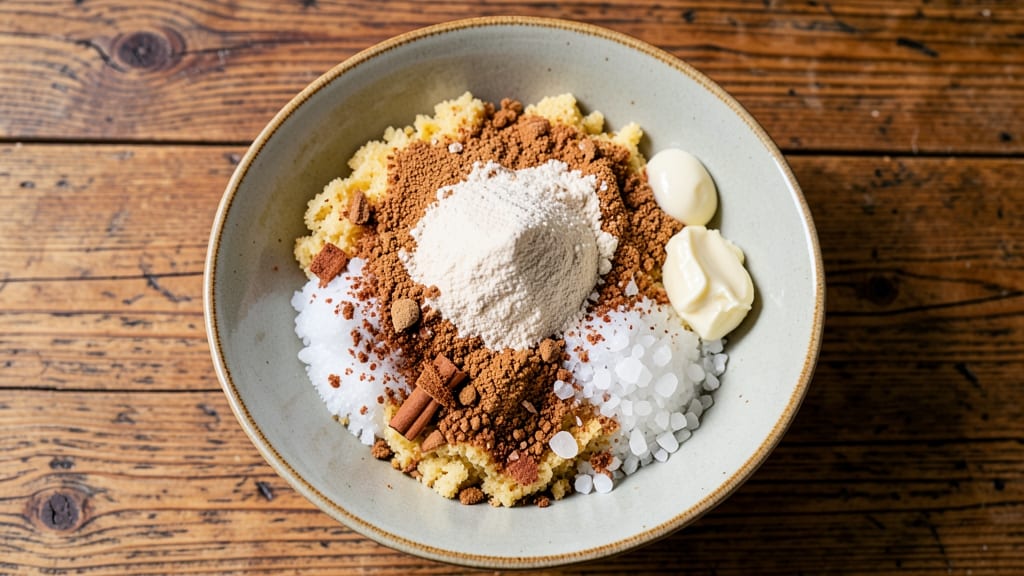
This Amish bread filling recipe delivers the heart of traditional baked goods—rich vanilla swirls, warm spiced notes, and buttery layers that transform simple dough into something extraordinary.
The secret lies in balancing sweetness with aromatic spices like cinnamon and nutmeg, creating a filling that bakes into golden, caramelized perfection between bread layers or in pies.
I developed this version after years of testing, ensuring it stays moist yet crisp at the edges, just like the recipes passed down through generations.
The filling combines simple ingredients—flour, sugar, butter, and vanilla—with precise technique to achieve that signature Amish texture. A touch of baking powder ensures lightness, while brown sugar adds depth that caramelizes beautifully during baking.
This isn’t just a filling; it’s the soul of Amish Friendship Bread or shoofly pie, where every bite reveals layers of flavor and tradition. The process is straightforward, but the results are undeniably professional.
What you’ll end up with is a filling that’s tender yet structured, with pockets of buttery vanilla and spiced sweetness that cut through rich dough. It’s the kind of recipe that makes homemade bread taste like a bakery’s finest—warm, inviting, and impossible to resist.
Whether you’re layering it into bread dough or filling a pie crust, this filling delivers restaurant-quality results with minimal effort.
Perfect for holiday gatherings, church potlucks, or weekend baking projects, this recipe scales easily to feed a crowd. The filling keeps well when refrigerated, so you can prep ahead and focus on the fun part—sharing the finished creation. Let’s get started on making your bread unforgettable.
Ingredients for amish bread filling
Simple pantry staples transform into the soul of Amish baking—spiced, buttery, and impossibly tender.
| Ingredient | Amount | Notes |
|---|---|---|
| All-Purpose Flour 🌾 | 2 cups | Sifted for even texture |
| Granulated Sugar 🍚 | 1 ½ cups | White or light brown |
| Light Brown Sugar 🍚 | ½ cup | Packed tightly for moisture |
| Unsalted Butter 🧈 | 1 cup | Cold, cubed for even distribution |
| Pure Vanilla Extract 🍯 | 2 tsp | High-quality, imitated-free |
| Ground Cinnamon 🌿 | 2 tsp | Freshly ground preferred |
| Ground Nutmeg 🌿 | ½ tsp | Freshly grated for depth |
| Baking Powder 🧂 | 1 ½ tsp | Aluminum-free for stability |
| Fine Sea Salt 🧂 | ½ tsp | Diamond Crystal preferred |
| Heavy Cream 🥛 | ½ cup | Cold for optimal texture |
| Large Eggs 🥚 | 1 whole | Room temperature for blending |
The butter and sugars form the foundation of this filling, so opt for high-quality unsalted butter (like Plugrá or Land O’Lakes) and organic sugar for superior caramelization. Brown sugar adds depth, so pack it firmly into the measuring cup—no tapping or shaking. For spices, Penzeys or McCormick offer freshly ground options that elevate the flavor profile. The baking powder must be fresh; if it’s over six months old, test it by mixing with water—it should fizz vigorously. Heavy cream should be cold to prevent premature melting during mixing, and eggs at room temperature blend more smoothly into the dough.
No brown sugar? White sugar plus 1 tsp molasses mimics the caramel notes. Substitute vanilla bean paste for extract if available—it adds subtle flecks of vanilla. For nutmeg, freshly grated is ideal, but ground works in a pinch (use half the amount). If you lack baking powder, 1 tsp baking soda plus 1 tsp cream of tartar serves as a substitute. The heavy cream can be swapped for whole milk in a bind, though the texture will be slightly less rich. For a gluten-free version, replace flour with a 1:1 gluten-free blend (like King Arthur) and reduce baking powder to 1 tsp to avoid over-leavening.
This filling keeps covered in the refrigerator for up to 5 days, though it’s best used within 24 hours for peak texture. For longer storage, portion into airtight containers and freeze for up to 3 months. Thaw overnight in the fridge before using. To prep ahead for holiday baking, mix all dry ingredients in one bowl and refrigerate separately—combine with wet ingredients just before layering into dough or pie crust. The filling thickens as it sits, so gently reheat in the microwave for 10-15 seconds if it appears too stiff before using.
Why You'll Love This Recipe
- No Mixer Needed: I swear by this recipe—just a bowl and a fork. The butter and sugars melt into the flour until it’s crumbly but holds together, no fuss. Honestly, my kids think it’s magic how little work it takes.
- Sweet Butter Bliss: That brown sugar and vanilla combo? It’s like a hug in dough form. The butter stays soft, giving you that tender, slightly crisp texture that makes every bite worth it.
- Filling for Anything: Use it in pies, cobblers, or even as a quick bread base. I’ve stuffed it into phyllo cups for breakfast pastries, and it’s still my go-to for a last-minute dessert when company drops by.
- Stays Fresh for Days: Make a big batch—it keeps well in the fridge for up to a week. Between us, I’ve frozen portions too, and it thaws perfectly for spontaneous baking moments. Budget-friendly? Absolutely.
Step-by-step instructions for warm spiced Amish bread filling
Here's how to create that signature buttery, vanilla-spiced filling that transforms simple bread into a decadent treat.
Prepare the Dry Ingredient Mixture
In a medium bowl, whisk together the 2 cups all-purpose flour, 1.5 cups granulated sugar, 0.5 cup light brown sugar, 2 tsp ground cinnamon, 0.5 tsp ground nutmeg, 1.5 tsp baking powder, and 0.5 tsp fine sea salt. Sift the flour mixture through a fine-mesh sieve directly into the bowl to eliminate any lumps and aerate the dry ingredients. This ensures an even distribution of spices and prevents dense pockets in your finished filling.
Use a rubber spatula to gently fold in the 1 cup cold, cubed unsalted butter using a cutting motion. The butter should be incorporated until the mixture resembles coarse crumbs with pea-sized butter pieces remaining. This texture is crucial—it creates pockets of melted butter that will create that signature flaky, buttery layer when baked. If the mixture appears too dry, press a small amount between your fingers; it should hold its shape but still feel slightly crumbly.
Create the Wet Ingredient Base
In a separate bowl, whisk together the 1 whole large egg, 0.5 cup cold heavy cream, and 2 tsp pure vanilla extract until fully combined and smooth. The egg should be at room temperature to blend seamlessly with the cold cream, preventing curdling. This mixture forms the binding agent that will hold the filling together while baking.
Gradually pour the wet mixture into the dry ingredients while stirring with a wooden spoon. Mix just until combined—you should still see small pockets of flour and butter throughout. Overmixing develops gluten, which can make the filling dense rather than light and fluffy. The ideal consistency resembles wet sand that holds together when pressed but still shows distinct texture.
Form and Prepare the Filling for Baking
Transfer the mixture to a sheet of parchment paper and shape it into a 12x6-inch rectangle, about ½-inch thick. Press gently but firmly to create an even layer, ensuring the edges are straight and the surface is smooth. This precise shape is essential for creating those signature swirls when you roll it later.
Wrap the rectangle tightly in plastic wrap and refrigerate for at least 1 hour or up to 24 hours. This chilling step is non-negotiable—it firms up the butter and allows the flour to fully hydrate, preventing excessive spreading during baking. When ready to use, unwrap the chilled filling and carefully transfer it to a lightly floured surface for rolling.
Roll and Bake for Perfect Swirls
Using a rolling pin, roll the chilled filling into a 12-inch log, maintaining even pressure to create a uniform diameter. The edges should be sealed tightly to prevent unraveling during baking. Place the log seam-side down on a parchment-lined baking sheet and make 5-6 diagonal cuts through the center, stopping about ½-inch from the edges. Gently twist each section to create the classic swirl pattern.
Bake in a preheated 350°F oven for 25-30 minutes, or until the filling is golden brown and the edges are set. The internal temperature should reach 190°F when measured with an instant-read thermometer. You'll know it's perfectly baked when the swirls hold their shape and the filling has a subtle crackly top with a soft, moist center. Allow the filling to cool for 10 minutes before serving to let the flavors meld and the texture set properly.
Pro Tips For Making Amish Bread Filling
- Mix Butter Last: I learned this the hard way—adding cold butter at the end keeps the filling from turning into a greasy mess. Let the flour and sugars cook until they’re just starting to clump, then toss in the butter and vanilla right off the heat. The residual warmth will melt it perfectly without making the texture soggy.
- Brown the Sugar: Light brown sugar has molasses, and that’s your flavor boost. If yours looks too pale, pulse it briefly in a food processor or spread it on a baking sheet to toast for 3-4 minutes at 350°F. The caramelized edges deepen the richness—trust me, your filling will taste like it came from a bakery.
- Avoid Overmixing: This isn’t pie dough—you’re not kneading. Stir the dry ingredients and wet just until combined, then fold in the butter by hand. Overmixing develops gluten, and your filling will turn dense instead of tender. A few lumps? Doesn’t matter—it’ll disappear when baked.
- Use Room-Temp Butter: Cold butter creates pockets of unmelted fat, leading to a crumbly or greasy filling. Take the butter out 30 minutes before mixing, or microwave it for 10 seconds to soften. It blends smoother and distributes evenly—no more surprise butter clumps in your baked goods.
Wine and beer pairings for this recipe
Sweet Cream Pairings
This warm, spiced filling pairs beautifully with cold, creamy beverages that balance its richness. A glass of chilled vanilla milk—made with 2% or whole milk, 1 tsp vanilla extract, and a pinch of cinnamon—mirrors the filling’s signature flavors while keeping the palate refreshed.
For a boozy twist, try a vanilla-infused Baileys (just 1 oz Baileys + 6 oz cold milk)—the creamy coffee liqueur complements the nutmeg and cinnamon without overpowering. 🥛
Spiced Coffee Contrasts
Since the filling features cinnamon and nutmeg, a strong brewed coffee with a splash of heavy cream creates the perfect contrast. I recommend a dark roast like Peet’s Major Dickason’s Blend or Starbucks Sumatra—their bold, earthy notes cut through the sweetness.
For an iced option, mix 1 shot espresso, ½ cup cold milk, and 1 tsp brown sugar, then serve over ice. The warmth of the coffee enhances the filling’s spiced aroma when served together.
Light Fruit Infusions
Bright, citrusy drinks lift the filling’s heaviness without clashing. A sparkling lemonade made with fresh-squeezed lemon juice, agave syrup, and chilled sparkling water adds a zesty lift.
For a seasonal twist, try apple cider (hot or cold) with a cinnamon stick—its natural sweetness and spice echo the filling’s profile. Serve in a mason jar for a rustic touch that feels right at home with Amish baking traditions. 🍎
Herbal Tea Harmony
Herbal teas with vanilla or citrus notes elevate the filling’s warmth. A chamomile-vanilla tea (steep 1 chamomile tea bag + ½ tsp vanilla extract in hot water) soothes the palate, while Earl Grey (bergamot + black tea) adds a floral, slightly bitter contrast.
For a caffeine-free option, hibiscus tea with a squeeze of lemon provides a tart, vibrant pairing that cleanses between bites. Brew a fresh pot and serve warm for the best experience.
Regional Beer Options
If you prefer beer, opt for light, crisp lagers or wheat beers that won’t overpower the filling’s delicate spices. A German Helles like Weihenstephaner Original (4.7% ABV) offers a malty sweetness that pairs well with the caramelized sugars.
For a fruitier option, try a Belgian witbier like Hoegaarden—its coriander and orange peel notes complement the vanilla and cinnamon. Serve chilled to enhance the contrast with the warm filling. 🍺
Wine for Special Occasions
For a more elegant pairing, sweet dessert wines like Moscato d’Asti (Italy) or Riesling (Germany) work beautifully. Their honeyed, floral notes harmonize with the filling’s vanilla and spices, while their bright acidity balances the richness.
Avoid heavy reds or tannic whites—they’ll clash with the delicate flavors. Serve the wine slightly chilled (50-55°F) to let its sweetness shine alongside the filling’s caramelized edges. 🍷
Nutrition facts
Frequently asked questions
What makes this Amish bread filling different from regular cinnamon rolls?
The key difference lies in the spice blend and texture. This recipe uses both cinnamon and nutmeg for depth, plus brown sugar that caramelizes beautifully. The filling also incorporates heavy cream and egg for a richer, more stable texture that holds swirls perfectly during baking—unlike many store-bought cinnamon roll fillings that can be too runny.
Can I use this filling in a pie instead of bread?
This filling works perfectly for Amish shoofly pie or similar desserts. Simply press it into a 9-inch pie crust (or two crusts for a lattice top) and bake at 350°F for 35-40 minutes until golden. The spiced sugars will create a sticky, caramelized center just like in traditional Amish pies. For extra flair, sprinkle coarse sugar on top before baking.
Why does my filling spread too much when baking?
Overmixing or skipping the chilling step are the most common causes. The filling must be refrigerated for at least 1 hour to firm up the butter—this prevents excessive spreading. Also, avoid pressing the filling too thin when shaping (aim for ½-inch thickness). If it still spreads, try baking on a parchment-lined tray and reduce the oven temp to 325°F for better control.
How do I store leftover filling?
Wrap tightly in plastic wrap and refrigerate for up to 5 days, or freeze for 3 months. For best texture, thaw overnight in the fridge before using. To reheat, microwave for 10-15 seconds if stiff, or bake at 300°F for 10 minutes to restore moisture. The filling keeps well because the baking powder and butter create a stable structure.
Can I make this gluten-free?
Yes, but with adjustments. Replace the all-purpose flour with a 1:1 gluten-free blend (like King Arthur) and reduce baking powder to 1 tsp to prevent over-leavening. The texture will be slightly denser, but the flavor remains rich. For extra moisture, add 1 tbsp applesauce to the wet ingredients. Always test gluten-free flours first—they absorb liquids differently.