
Side Dishes
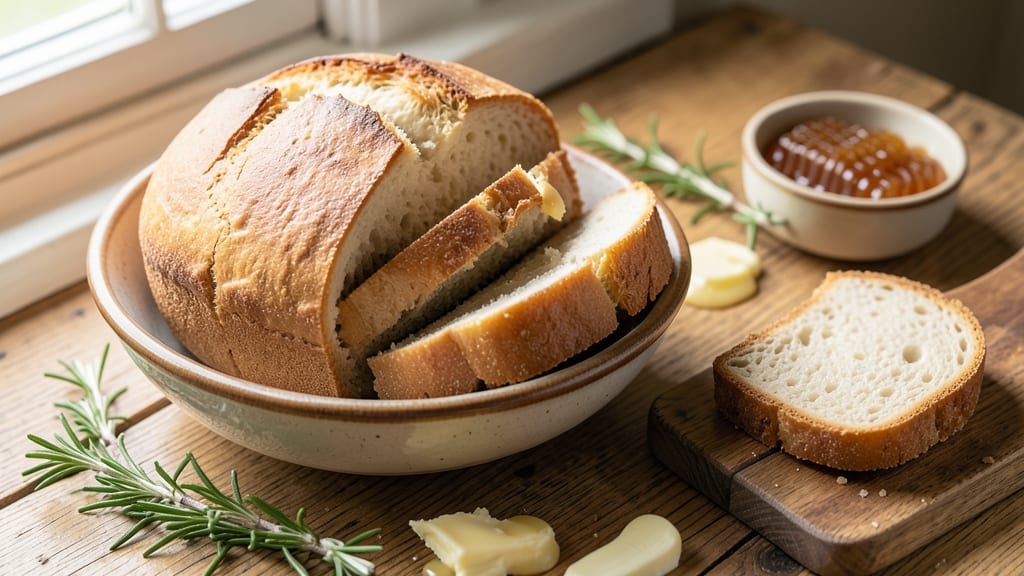
This Amish friendship white bread recipe brings the comforting aroma of a homemade kitchen to your table with its signature soft, pillowy crust and tender crumb. 💛 The traditional no-knead method preserves the bread's classic texture while keeping preparation simple—perfect for sharing with neighbors or enjoying with butter and jam.
I've perfected this recipe over years of baking, ensuring every loaf delivers that homemade warmth that makes it a staple at family gatherings.
The beauty of this bread lies in its simplicity: just a few basic ingredients and patience. The dough develops naturally as it rests, creating a light, airy texture without the need for kneading.
Shaping the loaves by hand gives them that distinctive rustic form, while proofing and baking at the right temperature unlock that perfect golden crust and tender interior. This is bread that tastes like home, with every bite carrying the tradition of Amish hospitality.
What sets this recipe apart is its versatility—serve it fresh with butter, toast it for breakfast, or even add a touch of honey or cinnamon for a sweet variation. The slow fermentation process enhances flavor, making each slice richer and more satisfying.
Whether you're baking for a crowd or treating yourself to a homemade loaf, this bread delivers the kind of comfort that comes from tradition and care.
Ready in just 3 hours with minimal effort, this recipe is perfect for beginners and experienced bakers alike. The hands-on shaping step adds a rewarding touch, while the no-knead method ensures foolproof results. Let's get started on a loaf that will become a beloved part of your table.
Ingredients for amish friendship white bread
Just nine ingredients transform into that iconic pillowy Amish bread—soft inside, golden outside, and smelling like home.
| Ingredient | Amount | Notes |
|---|---|---|
| All-Purpose Flour 🌾 | 6 cups | White, unbleached preferred |
| Active Dry Yeast 🍞 | ¼ tsp | Or 1 packet (2.25 tsp) |
| Granulated Sugar 🍚 | ¼ cup | For yeast activation |
| Unsalted Butter 🧈 | ½ cup | Cold, cubed for mixing |
| Warm Water 💧 | 1 ¼ cups | 110°F for yeast activation |
| Salt 🧂 | 1 ½ tsp | Diamond Crystal preferred |
| Milk 🥛 | ¼ cup | Warm, for dough tenderness |
| Large Eggs 🥚 | 1 whole | Room temperature |
| Cornmeal 🌽 | 1 tbsp | For dusting loaf pans |
| Butter (for brushing) 🧈 | 2 tbsp | Melted, for crust shine |
| Coarse Sugar (optional) 🍚 | 1 tbsp | For topping before baking |
The flour is everything here—King Arthur or Bob's Red Mill work best for that signature tender crumb. I always grab the white, unbleached kind from the bulk bins at Whole Foods or WinCo—it's cheaper and fresher. The yeast? Fresh is better if you can find it (check the refrigerated section), but active dry works fine if you keep it in the freezer. Warm water is key—too hot and you'll kill the yeast, too cold and it won't activate. 110°F is perfect—just warm enough to feel cozy to the touch. For the butter, grab Plugrá or Land O'Lakes—they hold their shape better when cold.
No yeast? Instant yeast works 1:1, but fresh yeast gives that extra depth. Short on milk? Warm water plus a splash of lemon juice mimics the tenderness. The egg can be substituted with 1 tbsp melted butter + 1 tbsp water if you're avoiding eggs. For the sugar topping, turbinado or raw sugar gives a prettier crust, but regular granulated works in a pinch. The butter for brushing? European-style butter like Plugrá has more fat, so it gives that gorgeous shine—worth the splurge if you're making this often.
This dough is a 3-hour project, but it's mostly hands-off. The yeast activation takes 5 minutes, then you mix, let it rest, shape, and proof—all while you're doing other things. Store shaped loaves in the fridge for up to 24 hours before baking. Fresh bread? Wrap tightly in plastic and keep at room temp for 2 days, or freeze for 3 months. The best part? It reheats beautifully—just wrap a slice in foil and warm in a 350°F oven for 5 minutes. That's the secret to keeping it soft.
Why You'll Love This Recipe
- No Yeast Fuss: I swear by this—just toss in warm water, let the yeast wake up for 5 minutes, then mix in flour and butter until it’s almost sticky. No kneading, no waiting hours. That sugar? It’s the secret to a tender crumb without overworking the dough. (Yes, even if you’re baking at 7,000 feet like me.)
- Buttery Soft Magic: That unsalted butter gets worked right into the dough—no melting, no waiting for it to cool. The result? A loaf so pillowy it practically melts in your mouth, with just enough sweetness from the sugar to make it dangerously shareable. Honestly, I’ve seen grown men fight over the last slice.
- Weeknight Workhorse: This bread is my go-to for sandwiches, toast, or even French toast—no fancy shaping required. Bake a batch Sunday, and you’ve got breakfast, lunch, and snacks covered. Between us, I’ve used it for everything from grilled cheese to dipping in soup. It’s that reliable.
- Pantry Staple Savings: Five ingredients, most of which you already have. No specialty flour, no weird substitutions. The dough’s forgiving, so even if you overmix (guilty), it’ll still rise. And a single loaf lasts my family three days—less waste, more savings. That’s my kind of budget win.
Step-by-step instructions for Amish friendship white bread
Here's the classic method that delivers that signature soft, pillowy crust and tender crumb every time!
👨🍳 Step 1: Activate the Yeast and Mix the Dough
In a large bowl, combine the 1.25 cups warm water (about 110°F) with the 0.25 cup granulated sugar and 0.25 tsp active dry yeast. Let it sit for 5-10 minutes until foamy—this confirms your yeast is alive and ready to work its magic! If it doesn't foam, your yeast is dead and you'll need to start over.
In a separate bowl, whisk together the 6 cups all-purpose flour and 1.5 tsp salt. Cut in the 0.5 cup cold unsalted butter using a pastry cutter or your fingers until the mixture resembles coarse crumbs. Pour in the yeast mixture along with the 0.25 cup warm milk and 1 whole large egg. Mix until just combined—you'll have a shaggy dough that's sticky but not wet.
🥘 Step 2: Knead Until Smooth and Elastic
Turn the dough onto a lightly floured surface and knead for 8-10 minutes until smooth and elastic. You're looking for a dough that springs back when poked and feels firm but not stiff. I like to use a stand mixer with a dough hook for this step—it saves my arms and gives me consistent results.
Here's the thing—don't over-knead or you'll develop too much gluten and end up with tough bread. The dough should be soft and slightly tacky, not dry or crumbly. If it's too sticky, add 1 tablespoon flour at a time until it's just manageable. Once kneaded, place the dough in a lightly greased bowl, cover with a damp towel, and let rise in a warm place for 1-2 hours or until doubled in size.
⏰ Step 3: Shape and Second Rise
Punch down the risen dough and divide it into 4 equal pieces. Roll each piece into a log shape about 12 inches long and 2 inches wide. Place them seam-side down in a greased 9x5-inch loaf pan that's been sprinkled with 1 tablespoon cornmeal—this prevents sticking and gives that beautiful crust texture.
Cover the loaf pan with a damp towel and let the dough rise again for 30-45 minutes until it's just about to overflow the pan. The tops should be rounded and slightly domed. I know it seems like a short rise, but this step creates that signature soft crust we're after. Don't skip it—this is where the magic happens!
🔥 Step 4: Bake to Golden Perfection
Preheat your oven to 375°F while the dough rises. Brush the tops of the loaves with melted 2 tablespoons butter and sprinkle with 1 tablespoon coarse sugar if using. Bake for 25-30 minutes until the bread is golden brown and sounds hollow when tapped on the bottom.
Here's my pro tip: The bread is done when it reaches 190-200°F internally and pulls away slightly from the sides of the pan. Let the bread cool in the pan for 5 minutes before removing to a wire rack. This resting time helps the structure set and prevents crumbling. Serve warm with butter or jam for that authentic Amish homestyle experience!
Pro Tips For Making Amish Friendship White Bread
- MEASURE BUTTER PRECISELY: That recipe calls for ½ cup unsalted butter, but don’t eyeball it—use a kitchen scale for 113g. Butter’s water content varies by brand, and too much fat throws off the dough’s structure. I learned this after making bread that spread like pancakes instead of rising properly.
- LET YEAST PROOF IN WARM WATER: The warm water should feel like bathwater (105–110°F)—not hot enough to kill the yeast, not tepid enough to make it lazy. If your kitchen’s cold, microwave the water for 20 seconds, then check with your finger. Cold yeast wakes up slow, and your bread will take forever to rise.
- DON’T OVERKNEAD THE DOUGH: Stop mixing when the dough pulls cleanly off the bowl and doesn’t stick to your fingers—usually around 8–10 minutes by hand. Overworking it develops too much gluten, and your bread turns out dense and chewy instead of light and tender. (Yes, even if it looks underworked.)
- BRUSH WITH MELTED BUTTER AFTER BAKING: While the bread’s still warm, brush the top with a mix of 2 tablespoons melted butter and 1 teaspoon sugar. This isn’t just for flavor—it locks in moisture and gives that classic Amish bread shine. Skip it, and your slices dry out faster than day-old toast.
Flavor customization for this dish
Sweet Honey Twist
Add 2 tablespoons honey to the dough during the final kneading stage for a subtle sweetness that pairs beautifully with butter. I recommend local raw honey—it adds floral notes that complement the bread's warmth.
Brush the baked loaves with an extra 1 tablespoon honey mixed with 1 teaspoon lemon juice for a glossy finish. This variation is perfect for breakfast or as a sweet snack with tea. 🍯
Warm Cinnamon Spice
For a cozy fall twist, mix 1 teaspoon ground cinnamon and ½ teaspoon nutmeg into the flour before combining with other ingredients. The spices infuse the dough with warmth, creating a bread that tastes like comfort.
Top the baked loaves with a sprinkle of ½ teaspoon cinnamon sugar for extra flavor. This version is ideal for holiday gatherings or as a dessert bread with whipped cream. 🌰
Herbed Garden Version
Add fresh herbs like 1 tablespoon chopped rosemary or 1 teaspoon dried thyme to the dough for an earthy twist. I love using fresh rosemary from my garden—it gives the bread a fragrant aroma.
For a stronger flavor, steep 1 tablespoon fresh rosemary in the warm water before mixing with yeast. This variation pairs wonderfully with soups or as a side for roasted meats. 🌿
Cheesy Pull-Apart Loaves
Transform this bread into a cheesy pull-apart by mixing 1 cup shredded cheddar cheese into the dough during the final kneading stage. For extra richness, use a blend of sharp cheddar and Monterey Jack.
Shape the dough into a single large loaf or individual rolls, then bake as directed. The cheese melts into the bread, creating a gooey, satisfying texture perfect for sharing. 🧀
Everything Bagel Seasoning
Sprinkle 1 tablespoon everything bagel seasoning (sesame seeds, poppy seeds, garlic, onion, and salt) over the shaped loaves before the final rise. The seeds will toast beautifully during baking, adding crunch and flavor. This variation is a crowd-pleaser for brunch or as a side for dips and spreads. 🌟
Whole Wheat Boost
Replace 2 cups of all-purpose flour with whole wheat flour for a nuttier, heartier bread. The whole wheat adds fiber and a slightly denser texture while keeping the bread soft. I recommend King Arthur whole wheat flour for the best results—it blends well and doesn’t overpower the dough.
This version is great for those looking to add more nutrients without sacrificing taste. 🌾
Nutrition facts
Frequently asked questions
Why does Amish friendship bread have that signature soft crust?
The secret lies in the two-stage rising process and the cornmeal crust. The first rise develops flavor, while the second, shorter rise creates that tender texture. The cornmeal coating on the pan also prevents sticking and promotes even browning for that perfect golden crust.
Can I make this bread without a stand mixer?
This recipe works perfectly by hand. After mixing the dough, turn it onto a floured surface and knead for 8-10 minutes until smooth and elastic. The dough should be soft but not sticky—add flour 1 tablespoon at a time if needed. Just be prepared for some arm work!
How do I know when the bread is fully baked?
Your bread is done when it reaches an internal temperature of 190-200°F and sounds hollow when tapped on the bottom. The crust should also be golden brown and pull away slightly from the pan edges. Let it cool in the pan for 5 minutes before removing to prevent crumbling.
Can I substitute milk with another liquid?
Yes! Use warm water plus 1 teaspoon lemon juice or unsweetened almond milk for a dairy-free option. The milk adds tenderness, but these substitutes work well. Just ensure your liquid is warm (110°F) to help activate the yeast properly.
Why did my bread turn out dense instead of soft?
Dense bread usually means over-kneading or under-proofing. The dough should be soft and slightly tacky, not stiff. Also, ensure your yeast is active (it should foam within 5-10 minutes in warm water). Let the dough rise until it doubles in size—rushing this step is a common mistake!