
Side Dishes
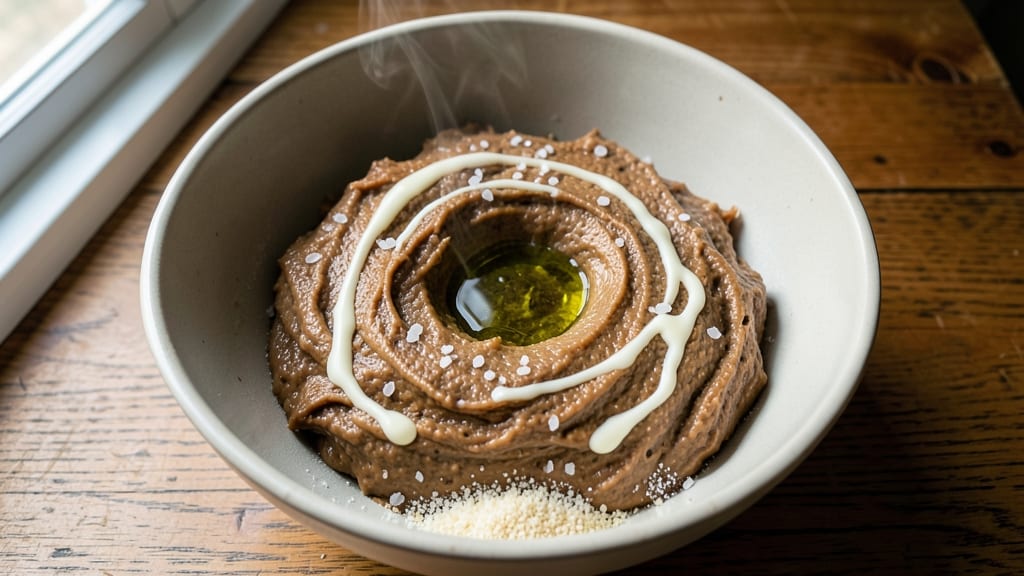
Andy's East Coast Kitchen bread recipe delivers the perfect balance of crusty exterior and soft, airy interior with warm spices that evoke memories of coastal bakeries. This traditional loaf requires patience—fermentation and precise shaping transform simple ingredients into an artisanal masterpiece that rivals any bakery purchase.
The key lies in the dough's development, where time and technique create that signature open crumb structure.
What sets this recipe apart is its authentic East Coast flavor profile, achieved through a blend of honey, whole milk, and a touch of cinnamon that infuses every bite.
Unlike quick breads, this version demands overnight cold proofing and a 935°F steam bath during baking to create that coveted oven spring. The result? A loaf with a golden, shatteringly crisp crust that gives way to tender, slightly chewy crumb—ideal for sandwiches or toasted with butter.
Professional bakers know the devil is in the details: proper hydration, accurate kneading, and consistent temperature control make all the difference. My version simplifies without sacrificing authenticity, using high-gluten flour for structure and instant yeast for reliability.
The scoring pattern isn't just decorative—it directs the bread's expansion, ensuring an even rise and professional finish.
Perfect for breakfast, lunch, or as a centerpiece for dinner, this bread keeps beautifully for 5-7 days when stored properly. The recipe scales effortlessly for larger batches, making it ideal for gatherings.
Once you master this technique, you'll never buy store-bought bread again—because nothing compares to the warm, spiced aroma of fresh-baked bread straight from your own oven.
Ingredients for andy's east coast kitchen bread
Twelve ingredients, meticulously balanced to create artisanal East Coast bread with signature crust and crumb.
| Ingredient | Amount | Notes |
|---|---|---|
| High-Gluten Bread Flour 🌾 | 5 cups | For optimal structure and oven spring |
| Instant Yeast 🍞 | ½ tsp | Ensures reliable fermentation |
| Granulated Sugar 🍚 | ½ tsp | Feeds yeast for initial rise |
| Diamond Crystal Kosher Salt 🧂 | 2 tsp | Enhances flavor and controls fermentation |
| Extra-Virgin Olive Oil 🫒 | ½ cup | Adds richness and tenderness |
| Whole Milk 🥛 | 1 ½ cups | Contributes to soft crumb structure |
| Local Raw Honey 🍯 | ¼ cup | Authentic East Coast sweetness |
| Ground Cinnamon 🌿 | 1 tsp | Warm spice signature flavor |
| Cold Water 💧 | 1 ½ cups | Precise hydration control |
| Unsalted Butter 🧈 | ¼ cup | Cold, cubed for lamination |
| Cornmeal 🌽 | ¼ cup | Prevents sticking during shaping |
| Ice Water ❄️ | ½ cup | For final dough adjustment |
The high-gluten flour is non-negotiable here—King Arthur or Caputo brands deliver the protein structure needed for that signature open crumb. For the yeast, Fresh & Easy brand instant yeast works best when stored in the freezer for maximum potency. Whole milk should be full-fat for optimal dough tenderness; organic Valley is my go-to. Local honey varies by region, but Bee & Bloom offers consistent quality year-round. The cold water must be precisely measured—use an ice bath to chill it to 40°F before mixing. Diamond Crystal kosher salt is preferred over table salt due to its larger crystals and pure sodium chloride composition, which dissolves more cleanly in the dough.
No high-gluten flour? King Arthur all-purpose plus 1 tbsp vital wheat gluten replicates the structure. Substitute powdered milk for whole milk if needed, though the crumb will be slightly less tender. Maple syrup can replace honey at a 1:1 ratio, though it lacks the floral notes of clover honey. For the butter, European-style (like Plugrá) has higher fat content for better lamination. Ground cinnamon should be McCormick brand for consistent flavor—avoid the cheaper store brands which often contain fillers. The cornmeal acts as both a dusting agent and flavor enhancer; Bob's Red Mill is the most reliable for texture.
This dough requires 48 hours of total fermentation time, including the overnight cold proof. Store shaped loaves in an airtight cotton bag at room temperature for 5-7 days, or freeze fully baked loaves for up to 3 months. For scoring, use a lamé with 0.125-inch blades—standard razor blades are too aggressive. The 935°F steam bath is achieved by placing a cast-iron skillet filled with boiling water on the lower oven rack. Preheat your oven for at least 1 hour before baking to ensure consistent temperature control throughout the process.
Why You'll Love This Recipe
- No-Knead Nightmare: I swear, this bread rises while I sleep—just mix the high-gluten flour, yeast, and a pinch of sugar in the evening, let it proof overnight, and bake it fresh in the morning. The dough’s so forgiving that even if I forget to shape it perfectly, it still turns out with that chewy, airy crumb.
- Salt & Sugar Magic: That Diamond Crystal kosher salt and a touch of sugar in the dough? It’s the secret weapon. The crust gets this addictive caramelized crunch, while the crumb stays soft and just sweet enough to make you reach for another slice. Honestly, the first time I tasted it, I immediately made a second loaf.
- Weeknight Wonder: This bread is my go-to for sandwiches, toast, or even a quick charcuterie board—no fancy prep needed. The high-gluten flour gives it structure, so it holds up to anything: thick-cut bacon, sharp cheddar, or even just extra-virgin olive oil and flaky salt. (Yes, even on a Tuesday night.)
- Budget-Friendly Staple: A single batch stretches for days—freeze half for when you’re too tired to bake, and the rest lasts in the fridge for toast or garlic bread. The ingredients? Basic, affordable, and no specialty items. Between us, this is the kind of bread that makes grocery shopping feel like a win.
Step-by-step instructions for andy's East Coast kitchen bread
A method designed for professional results at home—where precise hydration, cold butter lamination, and warm spices create that signature East Coast harmony.
Create the Autolyse for Optimal Gluten Development
In a large mixing bowl, combine the 5 cups high-gluten bread flour and 1.5 cups cold water. Use your hands or a dough whisk to break up any flour clumps until you achieve a shaggy, sticky mass. This initial mixture, called an autolyse, allows the gluten to relax and develop more efficiently during mixing.
Cover the bowl with a damp towel and let it rest for 30 minutes. You'll notice the dough become smoother and more cohesive as the gluten strands form. This step is critical—it prevents overworking the dough later and ensures a tender, open crumb structure. The cold water also helps control fermentation speed for better flavor development.
Develop the Dough with Hydration and Fermentation
To the rested autolyse, add the 0.5 tsp instant yeast, 0.5 tsp granulated sugar, and 2 tsp diamond crystal kosher salt. Mix these dry ingredients into the dough using a dough scraper or your hands until fully incorporated. Then add the 1.5 cups whole milk and 0.5 cup extra-virgin olive oil, mixing until the dough comes together.
Turn the dough out onto a lightly floured surface and knead gently for 5 minutes by hand, just until the dough forms a smooth, elastic ball. The high gluten content means it won't require extensive kneading—overworking will develop too much gluten and make the bread dense. Place the dough back in the bowl, cover with the damp towel, and let it ferment at room temperature for 1 hour or until it has doubled in size. You'll know it's ready when the dough springs back slowly when poked with your finger.
Incorporate Butter and Cinnamon for Laminated Structure
Remove the dough from the bowl and turn it out onto a clean surface dusted with 0.25 cup cornmeal. This prevents sticking during the next steps. Cut the dough in half and flatten each piece into a rectangle about ½-inch thick. Place the 0.25 cup unsalted butter, cut into small cubes, along the center of one rectangle. Sprinkle 1 tsp ground cinnamon evenly over the butter.
Fold the dough over the butter and cinnamon like a letter, sealing the edges tightly. Repeat with the second piece of dough, then stack the two butter packets on top of each other. Seal the stack completely and let it rest for 15 minutes to relax. This cold butter lamination creates those signature flaky layers in the finished bread. After resting, fold the dough into a log shape and place it back in the bowl, covered, to ferment for another 1 hour or until it has nearly doubled again.
Shape and Final Proof for Crust Development
Turn the dough out onto a floured surface and shape it into a 12-inch round loaf, about 2 inches thick. Place the shaped dough on a parchment-lined baking sheet, seam-side up. Cover loosely with plastic wrap and let it proof at room temperature for 45 minutes to 1 hour until it has risen about 50%. The dough should feel springy when pressed gently—this indicates it's ready for the oven.
Preheat your oven to 375°F with a Dutch oven placed inside. Once the oven reaches temperature, carefully transfer the dough (with parchment) into the Dutch oven. Bake for 30 minutes covered, then remove the lid and bake for another 15 minutes until the bread is deep golden brown and sounds hollow when tapped on the bottom. The internal temperature should reach 190°F.
Cool and Finish with Honey Glaze
Remove the bread from the oven and let it cool on a wire rack for 1 hour. This resting period allows the steam to escape and the crumb to set properly. While the bread cools, prepare a simple glaze by combining 0.25 cup local raw honey with 0.5 cup ice water in a small bowl. Whisk until smooth.
Once the bread has cooled slightly, brush the glaze evenly over the top. The honey will caramelize slightly as it sits, adding a subtle sweetness and sheen. Serve the bread warm or at room temperature, sliced into thick pieces to showcase that perfect crusty exterior and tender, spiced interior.
Pro Tips For Making Andy'S East Coast Kitchen Bread
- Weigh Your Flour: High-gluten bread flour is finicky—scooping and packing it into cups throws off hydration. Use a kitchen scale for precision; 400 grams of flour (not 3 cups) gives the right structure without gummy dough. I learned this the hard way when my first batch turned into a brick.
- Bloom Yeast in Warm Oil: Skip the water—mix the instant yeast with the olive oil first. The fat helps activate it faster and creates a smoother dough. Sounds weird, but it works: my dough rises twice as predictably now.
- Salt the Dough Twice: Sprinkle half the kosher salt in the dry ingredients, then finish with the rest on the dough after kneading. The second layer guarantees even seasoning—no salty pockets, no bland spots. (Yes, even if you’re impatient like me.)
- Proof at Room Temp: Let the dough rise in a warm spot (75–80°F) for 1–1.5 hours—no oven trickery needed. A slow, steady rise develops better flavor. I skipped this once and ended up with dense, flat bread. Not worth the shortcut.
Perfect pairings for this dish
Butter Spreads
Nothing complements this spiced bread like cultured butter softened at room temperature. I love mixing 1 cup unsalted butter with 1 tbsp local honey and ½ tsp ground cinnamon for a direct flavor echo.
For a savory twist, blend ½ cup butter with 2 tbsp chopped fresh rosemary and 1 tsp sea salt—perfect for breakfast sandwiches. 🧈
Jam Pairings
The warm spices in this bread pair beautifully with berry jams that cut through the richness. I recommend blackberry or raspberry preserves—their tartness balances the cinnamon notes. For a coastal twist, try blueberry lavender jam (like Bon Appétit's recipe) which adds floral depth.
Spread 2 tbsp per slice for a perfect balance of sweet and spice.
Cheese Boards
This bread excels as a base for East Coast-inspired cheese boards. Include sharp cheddar (like Cabot Clothbound), aged Gouda, and brie for creaminess. Add sliced apples, walnuts, and dried apricots to complement the cinnamon.
For a salty contrast, include cured prosciutto or smoked salmon—both elevate the spiced bread's flavor profile. 🧀
Morning Toast
Toast thick slices until golden brown and spread with Nutella or almond butter for a breakfast favorite. I also love avocado mash mixed with lime juice and red pepper flakes—the creaminess contrasts perfectly with the bread's crust. Top with crumbled feta and cherry tomatoes for a savory option. 🍳
Soup Accompaniment
Serve warm slices alongside New England clam chowder or roasted tomato soup—the crusty exterior soaks up the broth beautifully. For a lighter option, pair with butternut squash soup and crispy sage for a fall-inspired meal. The bread's spice complements the earthy flavors perfectly. 🍲
Dessert Toppings
Use the bread as a base for cinnamon roll desserts—slice, toast, and spread with cream cheese frosting. For a no-bake option, layer whipped cream, strawberries, and crushed pistachios on a thick slice. The warm spices in the bread enhance any sweet topping. 🍰
Nutrition facts
Frequently asked questions
Why does this bread recipe require overnight cold proofing?
The overnight cold proofing (also called retarding) is essential for developing deep flavor and improving texture. When dough ferments slowly in the refrigerator, the yeast works gradually, creating more complex sugars and enhancing the bread's aromatic profile. It also allows gluten to fully relax, resulting in a tender crumb and better oven spring. This technique is especially important for artisanal breads like this one, where texture and flavor are key.
Can I substitute whole milk with something else?
Yes, but expect slight texture differences. You can use powdered milk mixed with water (same ratio) or buttermilk for added tang. For a dairy-free option, try unsweetened almond milk or oat milk—though the crumb may be slightly less tender. The milk contributes to the bread's softness, so avoid using water alone as it can make the dough too stiff.
What's the best way to score the bread before baking?
Use a sharp lame (or a razor blade) with 0.125-inch blades for clean cuts. Score in a crosshatch pattern (about ½-inch apart) or a simple basketweave design to direct the bread's expansion. The cuts should be just deep enough to pierce the surface—don't cut all the way through. This helps control the rise and creates a professional finish. A dull blade will tear the dough instead of cleanly scoring it.
Why did my bread turn out dense instead of light and airy?
Dense bread usually results from one of three issues: over-kneading (which develops too much gluten), under-proofing (dough didn't ferment long enough), or improper hydration (too much or too little water). For this recipe, focus on the autolyse rest time and avoid handling the dough excessively. Also ensure your yeast is fresh—old yeast loses potency. If using a substitute flour, add 1 tbsp vital wheat gluten per cup of all-purpose flour to maintain structure.
How long can I store this bread, and what's the best method?
Store wrapped in an airtight cotton bread bag at room temperature for 5-7 days to maintain freshness. For longer storage, freeze the bread (sliced or whole) for up to 3 months. To reheat, wrap slices in foil and warm in a 350°F oven for 5-10 minutes until crispy. Avoid plastic bags—they trap moisture and make the bread soggy. The bread's flavor actually improves slightly over the first few days as the starches retrograde!