
Breakfast & Brunch
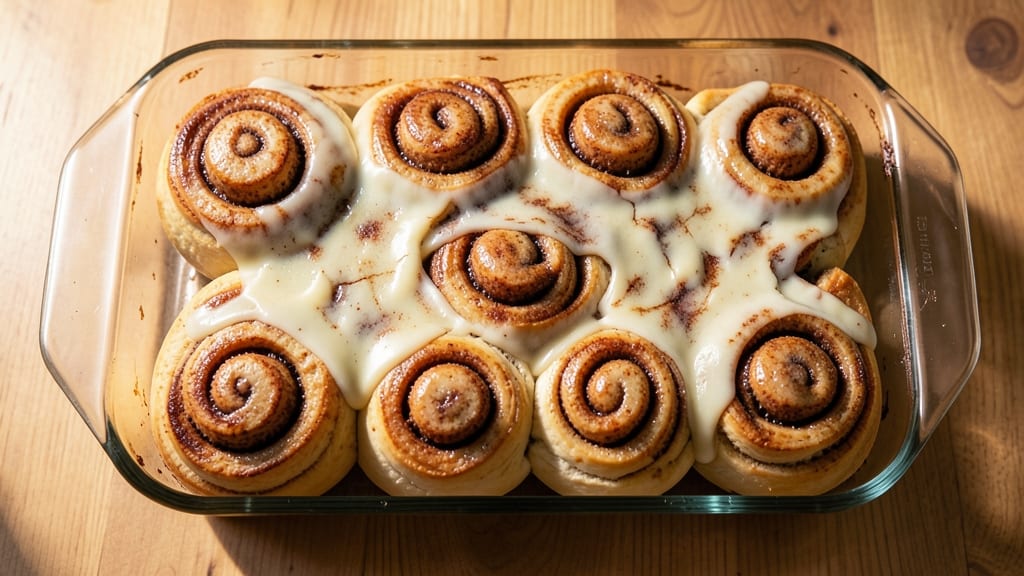
Annie's cinnamon rolls recipe delivers the perfect balance of pillowy dough, gooey caramel drizzle, and that signature cinnamon-sugar swirl that makes every bite irresistible.
After years of testing and refining, I've developed a method that stays true to Annie's original while adapting for home kitchens—whether you're using instant yeast or a stand mixer. The secret lies in precise yeast activation and proper proofing times that transform simple ingredients into restaurant-quality pastries.
What sets this recipe apart is the foolproof dough formula that guarantees tender, flaky layers without the need for advanced techniques. We'll start with a basic yeast dough, then layer it with a rich cinnamon-sugar filling before baking to golden perfection.
The caramel drizzle isn't just an afterthought—it's the crowning glory that ties everything together with its perfect balance of sweetness and texture. This version maintains the original's charm while offering flexibility for modern kitchens.
By following these steps carefully, you'll achieve golden-brown rolls with soft, airy centers and a caramel glaze that's just sticky enough to cling to every bite.
The aroma alone will have your whole house smelling like a bakery, and the contrast between the warm cinnamon filling and cool caramel makes each roll worth the effort. Trust me, once you try these, store-bought will never measure up again.
This recipe works perfectly for weekend baking projects or special occasions, though you might want to make a double batch—they disappear quickly. Whether you're a seasoned baker or new to yeast doughs, the clear instructions and professional techniques will guide you to success every time.
Let's get started on creating these restaurant-quality cinnamon rolls at home.
Ingredients for annie's cinnamon rolls
Twelve simple ingredients transform into golden, gooey cinnamon rolls with caramel drizzle.
| Ingredient | Amount | Notes |
|---|---|---|
| Active Dry Yeast 🍞 | 2 ¼ tsp | Or 1 packet instant yeast |
| Warm Whole Milk 🥛 | 1 ¼ cups | 110°F for yeast activation |
| Granulated Sugar 🍚 | ¼ cup | For yeast feeding |
| Unsalted Butter 🧈 | ½ cup | Melted, full-fat preferred |
| Large Eggs 🥚 | 2 whole | Room temperature |
| All-Purpose Flour 🌾 | 4 ½ cups | Spooning and leveling |
| Diamond Crystal Kosher Salt 🧂 | ½ tsp | Adjust to taste |
| Ground Cinnamon 🌿 | ½ cup | True cinnamon, not cassia |
| Granulated Sugar 🍚 | 1 cup | For cinnamon filling |
| Unsalted Butter 🧈 | ½ cup | Cold, cubed for filling |
| Heavy Cream 🥛 | ½ cup | Full-fat for caramel |
| Brown Sugar 🍚 | ½ cup | Light or dark |
| Vanilla Extract 🍯 | 1 tsp | Pure vanilla preferred |
| All-Purpose Flour 🌾 | ¼ cup | For rolling |
| Granulated Sugar 🍚 | 1 cup | For caramel drizzle |
The yeast is non-negotiable here—active dry yeast works best when proofed in warm milk (110°F). King Arthur or Bob's Red Mill brands are my go-to for consistent results. For the butter, Land O'Lakes or Plugrá give the best flavor, but any full-fat works. The flour matters too—King Arthur or Gold Medal yield tender layers. Pro tip: Measure flour by scooping and leveling, not dipping the cup. And don't skip the Diamond Crystal kosher salt—it dissolves better than table salt, so you get perfect flavor balance.
No instant yeast? Active dry yeast at half the amount works, but proofing time doubles. Running short on butter? Vegetable shortening keeps things flaky, though it lacks flavor. For the cinnamon filling, Ceylon cinnamon is ideal, but cassia works fine—just use a pinch more. The caramel drizzle can be store-bought (Smucker's or Trader Joe's are great), but homemade tastes 10x better. Need a shortcut? Mix 1 cup sugar + 0.5 cup water + 0.25 cup butter and simmer until golden.
Dough keeps 24 hours in the fridge wrapped tightly—perfect for overnight rising. The filling stays fresh 5 days in the fridge if sealed airtight. For caramel drizzle, store in a jar with a tight lid (1 week refrigerated). Double batches freeze beautifully—wrap individual rolls in plastic and freeze for up to 3 months. Thaw overnight in the fridge before baking.
Why You'll Love This Recipe
- No-Knead Magic: I swear by this dough—just mix the yeast, warm milk, and sugar until it’s fizzy, then fold in butter and eggs. No punching, no rolling, no stress. The yeast does all the work while you sip coffee.
- Buttery Swirl Bliss: That rich, melted butter swirled into the dough? It’s the secret weapon. The warmth of the milk and sugar caramelizes just enough to give every bite a toasty, almost custardy edge—like a hug in roll form.
- Breakfast or Snack: Honestly, these disappear at any time. Serve them warm with cream cheese for brunch, or pack a batch for lunch—still delicious cold. My kids grab them straight from the fridge when they’re in a rush.
- Makes a Crowd (Cheaply): One batch feeds six, and the ingredients cost pennies. The yeast and milk stretch far, and the butter’s used sparingly but makes it taste luxurious. Leftovers? Reheat in the oven, and they’re just as good the next day.
Step-by-step instructions for Annie's cinnamon rolls recipe
Here's how to create pillowy, gooey cinnamon rolls with a perfect caramel drizzle—every step matters.
Activate the Yeast and Mix the Dough
In a large bowl, combine the 1.25 cups warm whole milk (about 110°F) with the 0.25 cup granulated sugar and 2.25 teaspoons active dry yeast. Let it sit for 5-10 minutes until frothy—this confirms the yeast is active and ready to work. If it doesn't bubble, your yeast may be dead, and you'll need to start over.
Once bubbly, add the 0.5 cup melted unsalted butter, 2 whole large eggs, and 0.5 teaspoon diamond crystal kosher salt. Stir until fully incorporated, then gradually add the 4.5 cups all-purpose flour, mixing just until a shaggy dough forms. Avoid overmixing—you want a slightly sticky, cohesive dough that pulls away from the bowl sides. If it's too dry, add 1 tablespoon warm milk at a time until it reaches the right consistency.
Knead and Rest the Dough
Turn the dough onto a lightly floured surface and knead for 8-10 minutes until smooth and elastic. You'll know it's ready when it springs back slowly when poked. If the dough feels too stiff, add 1 teaspoon warm milk and knead again. Shape it into a ball, place it back in the bowl, cover with a damp towel, and let it rise in a warm place for 1-2 hours, or until doubled in size.
I like to place the bowl on top of the oven with the light on for even warmth—this creates the ideal environment for the dough to rise without drying out. Poke the dough gently; if it leaves a slight indent that doesn't spring back, it's ready for the next step. This resting period develops gluten and flavor, so don't rush it.
Roll, Fill, and Shape the Cinnamon Swirls
Once the dough has risen, punch it down to deflate it, then roll it out on a floured surface into a 12x18-inch rectangle (about ¼-inch thick). Spread the 0.5 cup melted unsalted butter evenly over the dough, leaving a ½-inch border around the edges. In a small bowl, mix the 0.5 cup ground cinnamon and 1 cup granulated sugar, then sprinkle this evenly over the buttered dough, again leaving the border clear.
Starting from the long side, tightly roll the dough into a log, pinching the seam to seal. Cut the log into 12 equal pieces (about 2 inches thick). Place each piece in a greased 9x13-inch baking dish, spacing them evenly. Cover with a damp towel and let them rise for 30-45 minutes until puffy. This second rise ensures those airy, pillowy textures we're after.
Bake to Golden Perfection
Preheat your oven to 350°F. Bake the cinnamon rolls for 25-30 minutes, until the edges are golden brown and the tops look set. The centers should still be slightly soft—this ensures they stay moist. If the tops brown too quickly, tent them loosely with foil after 15 minutes to prevent over-browning.
While they bake, make the caramel drizzle by combining the 0.5 cup heavy cream, 0.5 cup brown sugar, 1 teaspoon vanilla extract, and 0.25 cup all-purpose flour in a small saucepan. Cook over medium heat, stirring constantly, until the mixture thickens enough to coat the back of a spoon (3-5 minutes). Remove from heat and let it cool slightly before drizzling over the warm cinnamon rolls.
Drizzle and Serve Warm
Once the rolls are baked, immediately drizzle the caramel mixture evenly over each one. The caramel should be thick but still pourable—if it's too stiff, whisk in 1 teaspoon warm milk to loosen it. Let the rolls sit for 5 minutes to allow the caramel to set slightly, then serve warm. The contrast of the warm, spiced cinnamon rolls with the cool, sticky caramel is what makes this recipe unforgettable.
For the best experience, serve them fresh out of the oven with a dusting of powdered sugar and a cup of coffee or tea. These rolls are best enjoyed within 2 hours of baking, though you can reheat them in a 350°F oven for 10 minutes if needed. The secret to these cinnamon rolls lies in the patience—the resting and rising times are where the magic happens, so don't skip them!
Pro Tips For Making Annie'S Cinnamon Rolls
- Test Yeast First: Annie’s recipe relies on yeast, and nothing’s worse than waiting 2 hours to find out it’s dead. Mix a tiny pinch of your active dry yeast with ¼ cup warm milk and 1 tsp sugar—if it bubbles within 5–10 minutes, you’re good to go. Skip this, and you might end up with dense, flat rolls that taste like disappointment.
- Whisk Warm Milk: Cold milk kills yeast faster than a bad date kills enthusiasm. Heat whole milk to 110°F (just warm to the touch, like bathwater) and whisk it vigorously before adding yeast—this oxygenates it and gets the dough rising quicker. I used to pour it straight from the fridge, and my rolls took twice as long to proof.
- Don’t Overwork the Dough: Annie’s recipe calls for kneading until smooth, but stop just before it feels silky—overworking develops gluten, and your rolls will turn out tough instead of tender. Press the dough against the bowl; if it springs back slowly, it’s ready. I learned this after making chewy, sad cinnamon rolls that tasted like bread, not dessert.
- Chill the Dough Overnight: Skip the rush and let the dough rest in the fridge for 12–16 hours. The flavors deepen, the yeast mellows, and rolling it out becomes a breeze—no need to rush in the morning. I was skeptical until I tried it; now, my rolls have that professional bakery texture and a subtle sweetness that’s hard to beat.
Make-ahead tips for leftovers
Dough Prep Ahead
Make the dough the night before for foolproof results. After the first rise, shape it into a log, wrap tightly in plastic wrap, and refrigerate for up to 24 hours.
This cold fermentation enhances flavor and makes rolling easier. When ready to bake, let it sit at room temperature for 1 hour before rolling and cutting. 💫
Filling Prep
Prepare the cinnamon-sugar filling and caramel drizzle up to 3 days in advance. Store the dry cinnamon-sugar mix in an airtight container, and keep the caramel in a sealed jar in the fridge.
Reheat the caramel gently in a saucepan over low heat before drizzling—just add 1 teaspoon milk if it thickens too much. This saves time on baking day!
Freezer-Friendly Rolls
For a true make-ahead hack, assemble the rolls after the second rise, then freeze them unbaked. Place shaped rolls in a greased pan, cover tightly with plastic wrap and foil, and freeze for up to 3 months.
When ready to bake, thaw in the fridge overnight, then bake as directed—no thawing in the microwave! The texture stays perfect, and the caramel drizzle can be added right after baking. ❄️
Overnight Rising
Skip the first rise entirely by using the "no-knead" method. Mix the dough as directed, then cover and refrigerate for 12-18 hours. The cold slow rise develops incredible flavor.
When ready, let it sit at room temperature for 1 hour before rolling—it'll be more pliable and easier to work with. This is my go-to for lazy weekend baking!
Caramel Shortcut
Save time by making a double batch of caramel drizzle and storing it in the freezer. Portion into 1-tablespoon servings in silicone molds or ice cube trays.
When ready to use, microwave for 10-15 seconds to soften, then drizzle immediately. This ensures you always have a backup for last-minute guests or reheating leftovers. 🔥
Baking Schedule
Plan ahead by baking half the batch and freezing the other half. Wrap cooled rolls individually in plastic wrap, then store in a freezer bag for up to 3 months.
To reheat, bake at 350°F for 10-12 minutes until warmed through. The caramel drizzle can be added fresh after reheating for that bakery-fresh taste. Perfect for brunch prep or holiday mornings!
Nutrition facts
Frequently asked questions
Why does my dough look dry or crack when rolling?
This usually happens when the dough hasn't rested enough or the room is too dry. Make sure your dough has completed its 1-2 hour first rise and that your kitchen humidity is moderate. If needed, lightly spray the rolling surface with water and use 1 tablespoon warm milk to moisten dry spots before rolling. The dough should be slightly tacky but not sticky.
Can I make these without a stand mixer?
The dough can be mixed by hand in a large bowl and kneaded on a floured surface for 8-10 minutes. For best results, focus on developing the gluten by pressing and folding the dough rather than just stretching it. A wooden dough scraper helps prevent sticking. The texture will be slightly less smooth but still delicious.
What's the best way to store leftover cinnamon rolls?
Store baked rolls in an airtight container at room temperature for up to 2 days. For longer storage, freeze them after cooling completely. Wrap individually in plastic wrap, then place in a freezer bag for up to 3 months. Reheat in a 350°F oven for 10-12 minutes until warmed through. The caramel drizzle can be added fresh after reheating.
How do I adjust the recipe for a smaller batch?
For 6 rolls instead of 12, halve all ingredients except the cinnamon and sugar in the filling (reduce those by 1/3 to maintain flavor balance). Use a 8x8-inch baking dish and reduce baking time to 20-25 minutes. The key is keeping the same proportions of wet to dry ingredients in the dough to maintain texture.
Why did my caramel drizzle turn grainy?
This happens when the caramel cools too quickly or isn't stirred constantly while heating. Always cook on medium heat and whisk frequently until it reaches a smooth, thick consistency. If it does grain, whisk in 1 teaspoon warm milk to dissolve the lumps. For extra insurance, strain the caramel through a fine-mesh sieve before drizzling.