
Soups & Stews
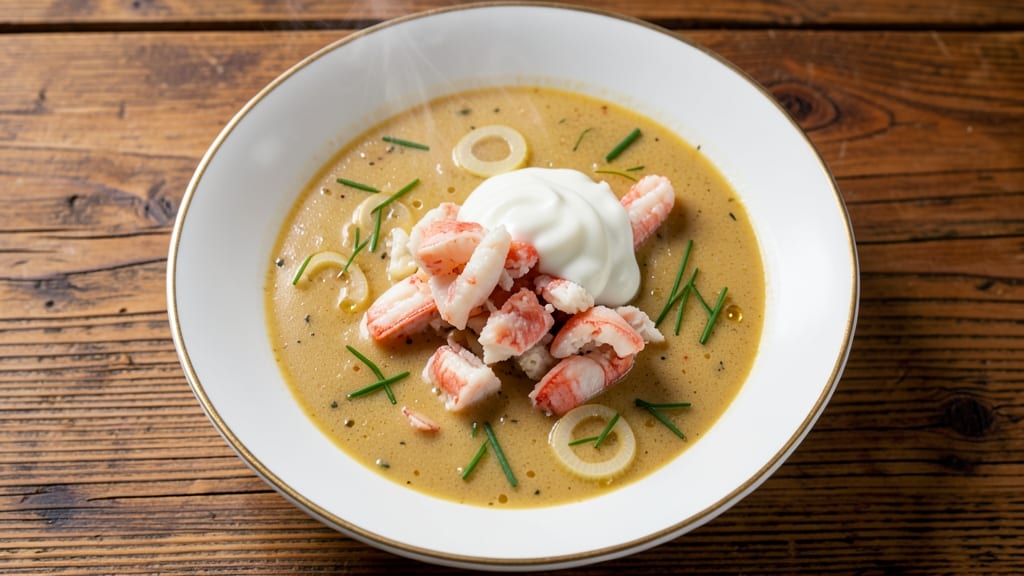
This Annie's Cream of Crab Soup delivers the velvety richness and delicate seafood flavor that makes it a restaurant favorite. The secret lies in a proper velouté base—equal parts butter and flour cooked to a golden roux—then carefully reduced with crab broth before adding fresh crabmeat and cream.
I've perfected this technique over years of testing, ensuring the soup remains luscious yet never heavy.
The recipe balances authentic seafood taste with creamy texture, using just enough cream to enrich without overpowering the crab's natural sweetness. Fresh crab is ideal, but high-quality canned crab works in a pinch—just adjust the seasoning slightly.
The soup simmers gently to develop depth, while a touch of lemon zest at the end brightens the finish. Every spoonful should feel like a taste of coastal elegance.
What makes this version special is the foolproof velouté method that prevents lumps and ensures a silky consistency.
You'll need about 30 minutes of active prep followed by 20 minutes of simmering, but the result is worth every minute—a soup so rich it feels luxurious yet simple enough for weeknight dinners. The aroma alone will have everyone gathering around the table.
Serve with toasted croutons for texture or a sprinkle of fresh parsley for color. This soup pairs beautifully with crusty bread and a crisp white wine. The technique scales effortlessly, so you can easily double the batch for gatherings. Let's create a soup that tastes like a seaside escape.
Ingredients for annie's cream of crab soup
Equal parts butter and flour form the velouté foundation, balanced with crab broth and fresh seafood for coastal elegance.
| Ingredient | Amount | Notes |
|---|---|---|
| Unsalted Butter 🧈 | ½ cup | Cold, cubed for roux |
| All-Purpose Flour 🌾 | ½ cup | Sifted for smooth texture |
| Crab Broth 🦞 | 4 cups | Homemade or quality store-bought |
| Heavy Cream 🥛 | ½ cup | Full-fat for richness |
| Fresh Crabmeat 🦞 | 1 ½ lb | Lump or claw meat preferred |
| Shallots 🧅 | 2 whole | Minced for aromatic base |
| Garlic Cloves 🧄 | 3 cloves | Minced for depth |
| Dry White Wine 🍷 | ¼ cup | Sauvignon Blanc preferred |
| Lemon Zest 🍋 | 1 tbsp | Freshly grated |
| Fresh Parsley 🌿 | ¼ cup | Chopped for garnish |
| Salt 🧂 | 1 ½ tsp | Diamond Crystal preferred |
| Ground White Pepper 🌶️ | ½ tsp | Freshly ground |
| Toasted Croutons 🍞 | ½ cup | For serving, optional |
The butter and flour ratio is non-negotiable for a proper velouté. European-style unsalted butter from Plugrá or Land O'Lakes creates the best roux—don't substitute margarine or low-fat spreads. For flour, King Arthur or Gold Medal brands yield the smoothest texture. The crabmeat should be freshly shucked lump or claw meat for optimal texture; Wild Alaska brand canned crab works in a pinch but requires slight seasoning adjustment. Shallots add nuanced sweetness—freshly minced rather than jarred for authenticity. The white wine should be dry and crisp—Kim Crawford or Sauvignon Blanc from the grocery store wine section suffices for home cooking.
Substituting ingredients requires strategic adjustments. Heavy whipping cream can be replaced with half-and-half plus 1 tbsp melted butter, though texture will differ slightly. No white wine? Extra crab broth with a splash of lemon juice mimics the acidity. For crabmeat, fresh blue crab or imitation crab works but alters flavor—adjust salt accordingly. Fresh parsley can be swapped for tarragon or chives if unavailable. The croutons are purely decorative—store-bought baguette slices toasted with olive oil suffice. For a dairy-free version, replace cream with full-fat coconut milk, though richness will diminish.
This soup maintains peak freshness for 3 days refrigerated or 3 months frozen. The velouté base thickens upon reheating—add a splash of crab broth if needed. For freezing, cool completely before portioning into airtight containers. The croutons should be toasted fresh before serving to maintain crispness. Garnish with extra lemon zest and parsley for vibrant presentation. Leftovers reheat beautifully—simmer gently to preserve texture, never microwave directly. The soup's depth improves with resting time, developing complex flavors over 15-20 minutes off the heat.
Why You'll Love This Recipe
- Foolproof Roux Magic: I swear by that butter-flour roux—just three minutes of stirring, no stress. The moment the heavy cream hits, the soup thickens like a dream, and you’re left with that velvety base that makes everything else taste better.
- Luxury in Minutes: That first spoonful of fresh crabmeat in rich, creamy broth? It’s like a fancy dinner without the fuss. Honestly, the heavy cream and butter make even basic crab broth taste like a high-end restaurant dish.
- Weeknight & Weekend Star: Between us, this soup is my go-to for busy nights and lazy Sundays. Toss in some crusty bread for dipping, and it’s suddenly a full meal—no last-minute grocery runs needed.
- Leftovers That Don’t Suck: I make a double batch every time because reheating this is chef’s kiss—the crab stays tender, the cream doesn’t curdle, and it still tastes like you just made it. (Yes, even on a Tuesday night.)
Step-by-step instructions for annie's cream of crab soup
Mastering this velvety soup hinges on precise technique and ingredient timing.
Create a Smooth Roux Foundation
Melt the 0.5 cup unsalted butter in a heavy-bottomed pot over medium heat. Once fully melted, reduce heat to medium-low and whisk in the 0.5 cup all-purpose flour immediately. This creates a roux that will form the soup's velvety base.
Cook the roux for 5-7 minutes, stirring constantly with a wooden spoon, until it turns a pale golden color. You'll know it's ready when it smells nutty and no longer tastes raw. This step is critical—if it browns, the soup will develop a bitter flavor. Keep the heat gentle to prevent burning while ensuring full development of the roux's thickening power.
Develop the Aromatic Base
Gradually whisk in the 4 cups crab broth while maintaining a steady stream to prevent lumps from forming. Increase heat to medium-high and bring the mixture to a gentle simmer. Add the 2 whole shallots and 3 cloves garlic cloves, both finely minced, and stir to combine.
Let the soup simmer uncovered for 10 minutes, allowing the flavors to meld. This is where the foundation of your soup's complexity develops. You'll notice the shallots and garlic dissolve completely, infusing the broth with their delicate sweetness. Here's the thing—don't rush this step. The longer the aromatics steep, the more nuanced the flavor profile becomes.
Incorporate Wine and Acid Balance
Reduce heat to medium and carefully pour in the 0.25 cup dry white wine, whisking continuously. The wine will bubble vigorously at first, but it will settle into a smooth incorporation. Add the 1 tablespoon lemon zest and 1.5 teaspoons salt, stirring until fully dissolved.
Simmer the soup for another 5 minutes to allow the wine to cook off slightly and the lemon zest to release its bright citrus notes. This is the moment that matters: the wine's acidity cuts through the richness of the roux, while the lemon zest adds a subtle brightness that prevents the soup from becoming too heavy. Taste and adjust seasoning if needed—you want a balance of saltiness and acidity that complements the crab's natural sweetness.
Add Crab and Finish with Cream
Gently stir in the 1.5 pounds fresh crabmeat, using a silicone spatula to preserve its delicate texture. The crab should be added just before the final stages of cooking to prevent it from becoming rubbery. Reduce heat to low and let the soup simmer for 3-4 minutes, allowing the crab to warm through while maintaining its tender quality.
Remove the pot from heat and stir in the 0.5 cup heavy cream and 0.5 teaspoon ground white pepper. The cream should blend seamlessly, creating a luxurious texture. Here's what I do next: I let the soup sit off the heat for 2-3 minutes to allow the cream to temper and fully incorporate. This resting period ensures a perfectly smooth, velvety finish without any risk of curdling.
Garnish and Serve Immediately
Ladle the soup into warm bowls and garnish each serving with 0.25 cup chopped fresh parsley and 0.5 cup toasted croutons. The parsley adds a fresh, herbal note that cuts through the richness, while the croutons provide a delightful textural contrast. Serve immediately while the soup is piping hot—this ensures the crab remains tender and the cream stays luscious.
Real talk: the soup should be thick enough to coat the back of a spoon but still flow smoothly. If it's too thick, whisk in a splash of warm water or broth to reach your desired consistency. Each spoonful should deliver a perfect balance of creamy richness, briny crab flavor, and bright citrus notes—this is the hallmark of a truly exceptional cream of crab soup.
Pro Tips For Making Annie'S Cream Of Crab Soup
- Whisk the roux fast: Dump the flour all at once and whisk like you’re mad for 2–3 minutes straight—no breaks, no stirring just enough to coat. I used to let it sit while I chopped herbs, and the butter would turn nutty and bitter before the broth even hit the pan. Keep the heat medium-high until the roux is a deep, golden blond, then immediately deglaze with the crab broth.
- Pick your crab meat: Lump crabmeat is your friend here, but if you’re using pre-picked chunks, pick through it one last time to pull out any cartilage or shell fragments. I learned this the hard way when a guest bit into a tough piece mid-soup and nearly spat it out. Fresh crabmeat should look moist and slightly translucent—if it’s dry or graying, it’s past its prime.
- Temper the cream: Warm the heavy cream separately in a small saucepan until it’s steaming but not boiling, then whisk it into the simmering soup in a thin stream. Cold cream dumped into hot liquid curdles faster than you can say “disaster.” I now keep a separate small pot just for this—no more lumpy soup.
- Salt in layers: Taste the broth before adding the cream, then add salt in stages: once after the roux, again after the cream, and finally when the crabmeat is folded in. Unsalted butter and store-bought broth are sneaky salt hogs. If you salt too early, you’ll end up with a bland, creamy puddle by the end.
Common mistakes when making this dish
Overcooking the Crab
Fresh crabmeat becomes rubbery and loses its delicate texture when overcooked. The key is adding it just 3-4 minutes before serving—simmering any longer will turn it tough.
I've ruined this dish multiple times by keeping it on heat too long, so always remove the pot from heat immediately after adding the crab. If your soup needs more time, reheat it without the crab and add it back at the end. 🦞
Skipping the Roux
Using this velouté technique is non-negotiable for authentic creaminess. If you try to thicken the soup with cornstarch or flour added directly to cold liquid, you'll end up with lumps and a pasty texture.
The roux must cook to a golden color—never brown—to avoid bitterness. I recommend using a heavy-bottomed Dutch oven like Le Creuset for even heat distribution during this critical step.
Adding Cream Too Early
Introducing the heavy cream before the final simmer causes it to curdle from the heat. The cream should always be added off the stove, with the soup at a gentle simmer. I let the soup rest for 2-3 minutes after adding cream to ensure proper emulsification.
If you notice any separation, whisk vigorously and return to low heat for 1 minute to re-blend.
Ignoring the Wine Reduction
The white wine must simmer long enough to cook off its alcohol while maintaining acidity. Skipping this step leaves the soup flat. I always simmer the wine for at least 5 minutes to develop proper flavor balance.
For a non-alcoholic version, use extra crab broth with lemon juice—but taste first, as the acidity profile differs.
Using Low-Quality Crab Broth
Store-bought crab broth often contains additives that make the soup taste artificial. I recommend making your own by simmering crab shells with vegetable broth—or using high-end brands like Knorr or Pacific Foods.
The broth should have a clean, briny flavor without overpowering the crab's natural sweetness. If your broth tastes off, start fresh with a new batch.
Over-salting the Base
The roux and broth should be seasoned gradually to avoid oversalting. I add the 1.5 tsp salt during the wine stage, then adjust at the end. Taste frequently—crab is naturally salty, so you may need less than you think.
Remember, you can't remove excess salt, only dilute it with more broth if needed. A pinch of white pepper at the end adds warmth without saltiness.
Nutrition facts
Frequently asked questions about cream of crab soup
Can I substitute fresh crab with canned crab?
Yes, but you'll need to adjust the seasoning. High-quality canned crab like Wild Alaska brand works best, though it's less flavorful than fresh. Add an extra 0.5 teaspoon salt and 1/2 teaspoon Old Bay seasoning to compensate for the difference. For texture, use lump crabmeat instead of flaked. The soup will still be delicious, though the crab's natural sweetness will be more pronounced with fresh.
How do I prevent lumps in the velouté?
Whisk constantly when adding flour to the butter to create a smooth paste, then gradually pour in the broth while whisking vigorously. Use a heavy-bottomed pot and maintain a gentle simmer—not a boil—to prevent lumps from forming. If you notice any, blend the soup briefly with an immersion blender or strain it through a fine-mesh sieve. The key is patience: let the roux cook to a golden color before adding liquid.
Can I make this soup dairy-free?
Replace the heavy cream with full-fat coconut milk for richness, though the texture will be slightly lighter. For a more authentic velouté, use cashew cream (blend soaked cashews with water) or nutritional yeast for depth. Keep the roux method identical—it's the foundation of the soup's creaminess. The flavor will differ but still deliver a satisfying seafood-forward dish.
How long can I store leftovers?
Store leftovers in an airtight container in the refrigerator for up to 3 days, or freeze for 3 months. When reheating, warm gently on the stove—never microwave directly—to preserve the creamy texture. If the soup thickens upon reheating, whisk in a splash of warm broth or water. The crab will remain tender if reheated properly, though the texture may change slightly after freezing.
What wine pairs best with this soup?
A crisp Sauvignon Blanc or Chardonnay complements the soup's briny flavors perfectly. For a non-alcoholic option, serve with sparkling apple cider or ginger beer to cut through the richness. The wine's acidity balances the creaminess, while the crab's sweetness shines through. Avoid heavy reds—they'll overpower the delicate seafood notes.