
Side Dishes
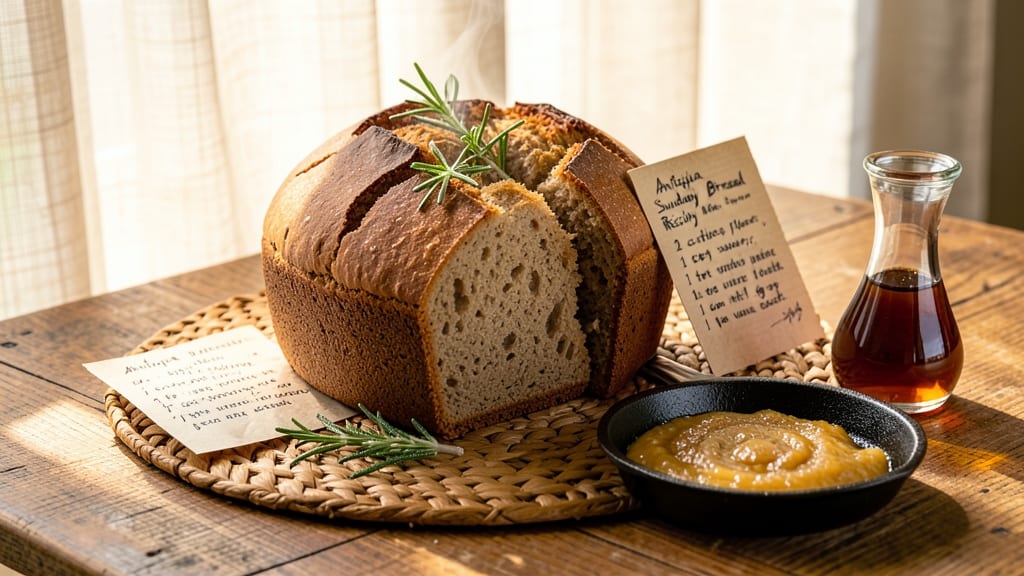
This Antigua Sunday bread recipe brings the island’s soulful tradition to your kitchen with its signature spiced rum-infused crust and tender golden crumb. 🌟 The loaf’s warm spices—cinnamon, nutmeg, and allspice—create an aroma that transforms any Sunday into a celebration.
I first baked this after visiting Antigua, where families gather around this bread, its sweetness and depth making it the centerpiece of their week.
The recipe balances simplicity with tradition, requiring just a few key ingredients: all-purpose flour, brown sugar, butter, eggs, and of course, a splash of spiced rum for that signature crust. The dough is kneaded until smooth, then shaped into a round loaf that bakes to a perfect golden brown.
The rum-infused crust adds a subtle warmth, while the crumb stays soft and slightly sweet—just like the loaves I tasted in Antigua’s bakeries.
What makes this bread special is its cultural heart: it’s more than just a loaf—it’s a symbol of Sunday gatherings, family, and island life. The spices used are traditional to Antigua, where nutmeg and allspice are staples, and the rum adds that extra layer of comfort.
By the time it’s done, you’ll have a fragrant, moist loaf that’s perfect for breakfast toast, sandwiches, or simply enjoying with a cup of tea.
This recipe is designed to be authentic yet approachable, so even home bakers can achieve that restaurant-quality texture. The key is patience in kneading and baking at the right temperature to ensure a soft crumb and crispy crust.
Once you try it, you’ll understand why this bread is a Sunday staple in Antigua—and why it deserves a place in your kitchen too.
Ingredients for antigua sunday bread
Just 12 ingredients transform your kitchen into Antigua’s Sunday tradition.
| Ingredient | Amount | Notes |
|---|---|---|
| All-Purpose Flour 🌾 | 4 cups | Sifted for even texture |
| Light Brown Sugar 🍚 | 1 cup | Packed, not leveled |
| Unsalted Butter 🧈 | ½ cup | Cold, cubed for dough |
| Large Eggs 🥚 | 2 whole | Room temperature |
| Spiced Rum 🍹 | ¼ cup | Dark rum preferred (e.g., Captain Morgan) |
| Warm Water 💧 | ½ cup | 110°F for activation |
| Active Dry Yeast 🍞 | 2 ¼ tsp | 1 packet or 7g |
| Ground Cinnamon 🌿 | 1 tsp | Freshly ground preferred |
| Ground Nutmeg 🌿 | ½ tsp | Freshly grated nutmeg |
| Ground Allspice 🌶️ | ½ tsp | Whole berries preferred |
| Salt 🧂 | ½ tsp | Fine sea salt |
| Granulated Sugar 🍚 | ¼ cup | For crust coating |
The flour is your foundation—King Arthur or Gold Medal work best for that tender crumb. Brown sugar adds moisture and depth, so don’t substitute white. For the butter, Plugrá or Land O’Lakes are reliable, but grab the unsalted kind—the salt’s already accounted for. The rum? Captain Morgan or Appleton Estate give that authentic island flavor, but any dark rum will do. If your pantry’s missing the spice blend, Penzeys sells pre-mixed Antigua spice blends—just check the allspice content.
No spiced rum? Apple cider or bourbon works in a pinch, but the flavor won’t be quite the same. Fresh nutmeg and allspice make all the difference—if you’ve got whole spices, grate them fresh (that’s the secret to restaurant-quality flavor). The yeast? Fresh is better, but the little packets in your freezer work fine. For the crust, you could skip the extra sugar, but trust me—it’s worth the extra minute to toss the loaf in that sweet coating before baking.
This dough needs time—2 hours minimum for rising. Keep it covered in a warm spot (like your oven with a light on) so it doesn’t dry out. Once baked, it’s best fresh but reheats beautifully—5 minutes at 300°F brings back that golden crust. Store wrapped at room temp for 3 days, or freeze slices for up to 3 months. I always make a double batch—one for Sunday, one for Monday’s sandwiches.
Why You'll Love This Recipe
- No Mixer Needed: I’ll be real—this dough comes together with just my hands and a bowl. No stand mixer, no fuss, and the butter gets worked in until it’s so tender it practically melts into the flour. That’s the magic right there.
- Warm Spice Hug: The spiced rum isn’t just for flavor—it’s the soul of this bread. That deep caramel note from the brown sugar and the subtle kick of rum make every bite feel like a Sunday morning in Antigua. Honestly, I’ve never tasted a loaf this cozy.
- Bread for Any Day: This isn’t just Sunday-worthy—it’s breakfast, brunch, or a snack all in one. Toast it with jam for a lazy morning, or serve it warm with butter for a quick lunch. My kids even sneak slices straight from the pan when I’m not looking.
- Leftovers That Last: One batch feeds my whole family, and the leftovers? They stay fresh for days. I’ll pop slices in the toaster or reheat them in the oven until they’re golden again. Budget-friendly, zero waste, and always delicious—what’s not to love?
Step-by-step instructions for Antigua Sunday bread
This Caribbean classic delivers a rum-infused crust and tender crumb every time—just follow these simple steps.
👨🍳 Step 1: Activate the Yeast with Warm Water and Rum
In a small bowl, combine the 0.5 cup warm water (about 110°F) with the 2.25 teaspoons active dry yeast. Let it sit for 5-10 minutes until foamy—this means your yeast is alive and ready to work. Here's the thing—add the 0.25 cup spiced rum now while the yeast is active. The rum not only enhances flavor but also helps dissolve the yeast completely. Stir gently and let the mixture sit for another 2 minutes until fully integrated. If it doesn't foam, your yeast might be dead—start over with fresh yeast.
👨🍳 Step 2: Mix the Dough and Knead Until Smooth
In a large mixing bowl, whisk together the 4 cups all-purpose flour, 1 cup light brown sugar, 1 teaspoon ground cinnamon, 0.5 teaspoon ground nutmeg, 0.5 teaspoon ground allspice, and 0.5 teaspoon salt. Make a well in the center and pour in the yeast mixture, 2 whole large eggs, and 0.5 cup cold unsalted butter (cubed). Using a wooden spoon or dough whisk, stir until the dough begins to come together—it'll look shaggy at first, but that's normal.
Turn the dough out onto a lightly floured surface and knead for 8-10 minutes until smooth and elastic. You'll know it's ready when it springs back when poked and feels slightly tacky but not sticky. If it's too dry, add 1 teaspoon warm water at a time; if too sticky, add 1 tablespoon flour. Real talk: don't skip the kneading—this develops the gluten for that perfect crumb structure. Wrap the dough in plastic wrap and let it rise in a warm place for 1 hour or until doubled in size.
🍳 Step 3: Shape the Loaf and Create the Rum Crust
Once the dough has risen, punch it down to release air and divide it into 4 equal portions (about 1 cup each). Roll each portion into a 12-inch rope and shape into a loose spiral, tucking the ends under. Place each loaf in a greased 8.5x4.5-inch loaf pan, leaving space for rising. Here's where the magic happens: brush the tops generously with a mixture of 1 tablespoon melted butter and 1 tablespoon spiced rum. Sprinkle 0.25 cup granulated sugar evenly over the tops—this creates that signature caramelized crust.
Let the loaves rise again for 30-45 minutes until they've puffed up and are just touching the top of the pans. Preheat your oven to 350°F while they rise—this ensures they go straight into a hot oven for even baking.
🔥 Step 4: Bake to Golden Perfection
Bake the loaves for 35-40 minutes until the tops are deep golden brown and a toothpick inserted into the center comes out clean. The rum crust should be slightly crispy, with a caramelized sheen. Here's the moment that matters: if the tops brown too quickly, tent the pans with foil to prevent over-browning while the centers finish baking. Your kitchen should smell like warm spices and rum—worth every minute!
Remove the loaves from the oven and let them cool in the pans for 10 minutes, then transfer to a wire rack. For the best texture, slice while still slightly warm. The crumb should be tender with a hint of spice, while the crust delivers that rich rum flavor in every bite. Serve warm with butter or jam for the ultimate Sunday treat.
Pro Tips For Making Antigua Sunday Bread
- Cream Butter Properly: Dump that cold butter straight from the fridge into the flour mix and you’re fighting an uphill battle. Beat the butter and brown sugar together until it’s light and fluffy—think almost pale yellow, not just crumbly. I learned this the hard way when my first batch turned out dense as a brick.
- Whisk Eggs First: Don’t just crack those eggs into the batter like you’re in a hurry. Whisk them in a separate bowl until the yolks and whites are fully combined, then slowly fold them into the dry mix. This keeps the crumb light instead of eggy streaks—trust me, your bread will thank you.
- Skip the Overmixing: Once you add the rum, stop mixing as soon as the flour is just incorporated. Overworking the dough makes it tough and gummy. Fold in the liquid in two additions if needed, but less is more here—you want tender, not chewy.
- Bake at 350°F: That oven’s hotter than you think. If your recipe says 375°F, dial it back to 350°F unless you’re using a convection oven. I burned the top of my first loaf because I trusted the recipe’s temp—now I check the internal temp (200°F) instead of relying on the timer.
Serving suggestions for antigua sunday bread
Sunday Breakfast Pairings
The rich, spiced flavors of this bread make it perfect for a hearty Sunday breakfast. I love serving it warm with butter or honey butter—just melt 2 tablespoons unsalted butter with 1 teaspoon honey and brush it on fresh slices.
For a Caribbean twist, pair it with scrambled eggs with scotch bonnet peppers and a side of fresh mango slices. The sweetness of the mango complements the rum-infused crust beautifully. 🍳
Tea Time Tradition
Antigua Sunday bread is traditionally enjoyed with a warm cup of tea, and I recommend a spiced chai latte or Earl Grey tea for the perfect pairing. The cinnamon and nutmeg in the bread echo the warm spices in chai, creating a cozy, aromatic experience.
For a non-alcoholic option, serve it with ginger tea—the zesty kick balances the bread’s sweetness. I often brew my tea in a French press for a robust flavor.
Sandwich & Lunch Ideas
This bread makes an excellent sandwich base for lunch. Try a ham and cheese sandwich with smoked ham, sharp cheddar, and a smear of Dijon mustard. For a vegetarian option, layer avocado, tomato, and sprouts with a drizzle of balsamic glaze.
The bread’s soft texture holds up well to fillings, and the rum crust adds a subtle depth to every bite. 🥪
Dessert Elevation
Don’t let this bread go to waste as a dessert! Warm slices make a fantastic base for peach cobbler—simply top with sliced peaches, a sprinkle of brown sugar, and a dollop of vanilla ice cream.
For a no-bake option, spread Nutella or whipped cream between two slices and dust with cocoa powder. The rum-infused crust adds a sophisticated touch to any sweet treat.
Cultural Serving Rituals
In Antigua, this bread is often served as part of a Sunday family brunch with dishes like callaloo (a leafy green stew) or grilled saltfish. For a modern twist, serve it alongside Antiguan-style fried dumplings or steamed fish with lime butter.
The bread’s versatility makes it a centerpiece for any meal, whether casual or celebratory. The key is to enjoy it fresh—its aroma and flavor are at their peak when served warm. ✨
Nutrition facts
Frequently asked questions
Why does Antigua Sunday bread need rum in the crust?
The rum isn't just for flavor—it's tradition! The spiced rum caramelizes beautifully during baking, creating that signature crispy crust with a subtle warmth. In Antigua, rum is a staple ingredient in many baked goods, adding depth and that island charm. Plus, it helps tenderize the crust while keeping the crumb soft.
Can I make this bread without alcohol?
Replace the rum with apple cider or bourbon for a similar sweetness, though the flavor won't be identical. For a neutral substitute, use extra warm water and add 1 teaspoon vanilla extract to the dough. The crust will still be flavorful, just without the rum's signature depth.
How do I know when the dough is kneaded enough?
Your dough is ready when it's smooth, elastic, and springs back slowly when poked. Test it by pressing two fingers about ½ inch into the dough—if it springs back and leaves a slight indentation, you're good. Underkneaded dough will be crumbly, while overworked dough becomes tough. Aim for 8-10 minutes of kneading for perfect texture.
Why did my bread turn out dense instead of light?
Dense bread usually means the yeast didn't activate properly or the dough didn't rise enough. Check your water temperature—it should be 110°F (not boiling!). Also, ensure your yeast was fresh (it expires quickly) and give the dough at least 1 hour to rise in a warm spot. If your kitchen is cold, try placing the bowl near a turned-off oven light.
Can I make this bread in a different shape?
While the traditional loaf pan shape is classic, you can absolutely experiment! Try shaping it into a round free-form loaf for a rustic look, or even small buns for appetizers. Just reduce baking time by 5-10 minutes for smaller shapes. The spiral shape is traditional but not required—focus on even sugar distribution for that caramelized crust.