
Side Dishes
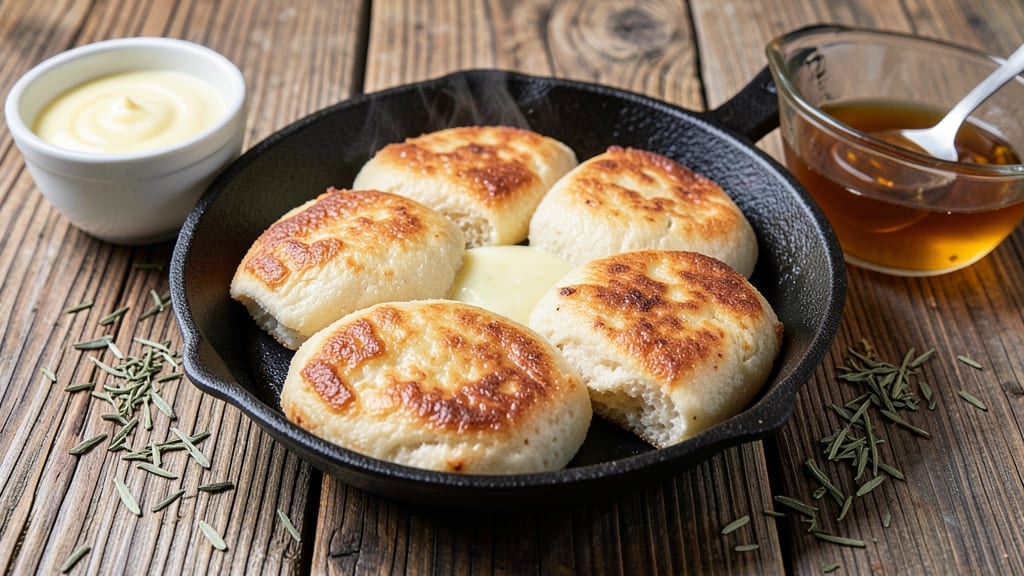
This Apache fry bread recipe brings the rich traditions of Navajo cuisine to your kitchen with its signature crispy exterior and soft, pillowy interior.
The recipe reflects a history of resilience and adaptation, originally created by the Navajo people during times of scarcity when they needed to make the most of limited ingredients. Understanding its cultural roots adds depth to every bite you create.
The beauty of this dish lies in its simplicity—just four core ingredients: flour, water, salt, and fat for frying. The technique is straightforward but requires attention to detail, particularly when frying the dough to achieve that perfect balance of crispiness and tenderness.
This is where the magic happens, transforming humble ingredients into something truly special.
What you’ll end up with is golden-brown fry bread that’s crispy on the outside and soft inside, with a texture that’s impossible to resist.
Whether you serve it as a side, a snack, or even a base for toppings like honey, cinnamon sugar, or powdered sugar, it’s a versatile dish that brings warmth and tradition to any meal.
This recipe isn’t just about the food—it’s about honoring a cultural legacy while creating something delicious for your table. Let’s get started on making fry bread that carries the spirit of Navajo tradition.
Ingredients for apache fry bread
Four core ingredients transform into golden, crispy fry bread with Navajo tradition at its heart.
| Ingredient | Amount | Notes |
|---|---|---|
| All-Purpose Flour 🌾 | 2 cups | Sifted for even texture |
| Unsalted Butter 🧈 | ½ cup | Cold and cubed for frying |
| Lard or Shortening 🧈 | ½ cup | Traditional Navajo fat source |
| Warm Water 💧 | 1 cup | 105°F for optimal dough |
| Diamond Crystal Kosher Salt 🧂 | 1 tsp | Fine grain preferred |
| Large Eggs 🥚 | 1 whole | Optional for extra richness |
| Vegetable Oil 🫒 | 1 cup | For deep frying (350°F) |
The fat choice defines authenticity. Lard delivers that classic Navajo flavor, but shortening or butter work beautifully for modern kitchens. Costco sells bulk lard at reasonable prices, while King Arthur Flour offers high-quality shortening. For the water, use warm—not hot—to maintain dough elasticity. The flour should be all-purpose, not self-rising, as the salt and leavening come separately. Bob's Red Mill organic flour adds a subtle nuttiness if you prefer, but standard brands work perfectly fine. The egg is truly optional, but I find it adds that signature richness that makes the fry bread feel extra special.
No lard? Butter or shortening maintains the same texture—just ensure it's cold when cubed. Short on warm water? Microwave 1 cup of water for 30 seconds to reach the ideal temperature. The salt measurement is precise here—too much can overwhelm the dough's delicate balance. For frying, vegetable oil or lard is traditional, but peanut oil works exceptionally well for its high smoke point. If you're making a large batch, consider using a deep-fat fryer for more even cooking. The dough should be soft but not sticky—adjust with a pinch more flour if needed.
Freshly fried fry bread stays crispy for about 20 minutes at room temperature, so fry in batches. For longer storage, wrap in a clean kitchen towel and freeze between layers—reheat in a 350°F oven for 5-7 minutes until golden. The dough can be prepped ahead and refrigerated for up to 24 hours, though it's best used immediately for peak texture. Portion into 2-inch balls for consistent sizing, and keep a bowl of flour nearby to prevent sticking.
Why You'll Love This Recipe
- Five-Ingredient Magic: I swear by this recipe—just flour, butter, lard, water, and salt. That’s it. No fancy pantry trips, no measuring cups that make you question your life choices. The dough comes together faster than you can say "frying pan."
- Golden Crisp Secret: Between us, the butter-lard combo gives it that perfect texture—crisp outside, pillowy inside. Honestly, I’ve tried oil, but nothing beats the rich, buttery mouthfeel. One bite and you’ll be hooked.
- Breakfast to Dessert: This isn’t just for Navajo frybread feasts. Toss it in scrambled eggs for breakfast, slather it with honey for dessert, or use it as a wrap for tacos. My kids even sneak bites straight from the pan—no judgment here.
- Budget-Friendly Staple: A single batch costs pennies and stretches forever. Freeze extras for quick snacks or meal prep—just reheat in a skillet. I’ve fed a crowd of 10 for under $5 with this alone. (Yes, even on a Tuesday night.)
Step-by-step instructions for Apache fry bread
Here's the traditional method that delivers both crispy edges and pillowy centers every time.
Prepare the Dough with Traditional Fat
In a large mixing bowl, combine the 2 cups all-purpose flour and 1 teaspoon diamond crystal kosher salt. Create a well in the center and add the 0.5 cup cold unsalted butter and 0.5 cup lard or shortening. Using your fingers or a pastry cutter, work these fats into the flour until the mixture resembles coarse crumbs with pea-sized fat pieces remaining.
This fat combination is essential for that signature Navajo texture—the butter adds richness while the lard creates the perfect crisp. Add the 1 whole large egg (if using) and mix until the dough begins to come together. Slowly pour in the 1 cup warm water while stirring with a wooden spoon. The dough will be shaggy at first but will gradually form a soft, slightly sticky mass.
Turn the dough onto a lightly floured surface and knead gently for 2-3 minutes until smooth. Avoid overworking it—just enough to bring it together. The dough should be soft but not sticky; if it sticks to your hands, add a few tablespoons of flour. Divide the dough into 4 equal portions and roll each into a ball. Cover with a clean kitchen towel and let rest for 15 minutes at room temperature.
Shape and Fry for Perfect Texture
After resting, flatten each dough ball into a 6-inch round about ¼-inch thick. I use a rolling pin for even thickness, but you can also press with your palms for a more rustic texture. The key here is consistency—thicker pieces will be doughier while thinner ones crisp more quickly. Place the shaped rounds on a floured surface and cover again with the towel while you prepare the fryer.
In a large, heavy skillet, heat 1 cup vegetable oil to 350°F. Use a deep-fry thermometer to monitor the temperature—this precision ensures even cooking. The oil should shimmer gently but not smoke. Fry one piece of dough at a time, being careful not to overcrowd the pan. This is where the magic happens: the dough should sizzle immediately upon contact, then float as it cooks.
Fry for 1-2 minutes per side until deep golden brown with crisp edges. You'll see the underside develop a perfect grid of bubbles as it cooks. The bread is done when it releases easily from the pan and sounds hollow when tapped. Transfer to a paper towel-lined plate to drain excess oil. Repeat with remaining dough balls, maintaining the 350°F temperature between batches.
Serve Immediately for Maximum Enjoyment
Apache fry bread is best served immediately while still warm and crisp. The contrast between the crispy exterior and soft interior is what makes this dish so special. If you need to hold them briefly, keep the fried bread in a 200°F oven for up to 10 minutes—just long enough to reheat without losing crispness.
For traditional serving, split each round open and fill with your choice of toppings. Classic options include honey, jam, or powdered sugar for sweet versions, or refried beans, shredded cheese, and salsa for savory. The bread's pillowy interior soaks up flavors beautifully while maintaining that essential crispy edge.
Real talk: the secret to perfect fry bread lies in the fat ratio and precise frying temperature. Too much butter and it becomes greasy; too little shortening and it loses crispness. Stick to the traditional combination and you'll achieve that authentic Navajo texture every time. These crispy, golden rounds are perfect for breakfast, snacks, or even as a side dish—just be sure to eat them while they're still warm!
Pro Tips For Making Apache Fry Bread
- Heat the Pan Right: Get your skillet screaming hot before adding oil—no half-hearted preheating. Cold oil in a lukewarm pan makes greasy, undercooked bread, and nobody wants that. Test it by flicking a drop of water; if it sizzles and evaporates instantly, you’re golden.
- Use Warm Water: Cold water shocks the flour and makes the dough tough. Warm water (around 100°F) activates the gluten just enough to create a tender, pillowy texture—no need to overthink it, just use water straight from the tap after running it for 30 seconds.
- Don’t Overwork the Dough: Mix the dough until it just comes together, then stop. Overmixing develops gluten, and that’s the fast track to chewy, dense bread. A few lumps? Doesn’t matter—just shape it gently and fry it fast.
- Fry in Batches: Crowd the pan, and the bread steams instead of crisps. Two at a time is ideal—enough space to sizzle without dropping the temperature. If your pan’s too small, fry one, then slide it to the side and add the next. Patience here keeps the crust perfect.
Regional styles of this recipe
Navajo Tradition
The original Apache fry bread originated as a survival food during the Long Walk of the Navajo Nation in 1864, when the U.S. government forced the Diné people onto barren reservations. Using just flour, water, and fat, they created a nourishing staple that became a symbol of resilience.
Today, it remains a centerpiece at gatherings like the Navajo Nation Fair, where it's served with honey or jam. Honoring this history means using traditional lard for that authentic flavor, though modern adaptations work too.
Oklahoma Style
In Oklahoma, Apache fry bread evolved into a savory street food called "Indian tacos." Locals fry the bread, then fill it with ground beef, shredded cheese, lettuce, and salsa—a fusion of Native American and Tex-Mex influences.
The Choctaw Nation in Oklahoma also serves it with chicken and gravy for breakfast. This regional twist keeps the crispy texture while adding bold, hearty toppings perfect for game days or casual meals.
Southwestern Fusion
Modern Southwestern kitchens often turn fry bread into breakfast burritos or dessert pizzas. For a sweet version, brush warm bread with cinnamon butter, sprinkle with powdered sugar, and drizzle with maple syrup.
Savory options include black beans, corn, and avocado for a veggie-packed meal. The Santa Fe Indian Market showcases these creative adaptations, proving how versatile this dish truly is.
Modern Adaptations
Chefs today experiment with gluten-free flour blends (like King Arthur’s Measure for Measure) to keep the dish inclusive. Others swap traditional fats for olive oil or avocado oil for a lighter touch.
For a protein-packed twist, stuff fry bread with shredded chicken, pesto, and mozzarella—a hit at food trucks across Arizona. The key? Always maintain that golden-brown crisp while embracing new flavors.
Cultural Significance
Beyond taste, Apache fry bread carries deep cultural meaning. It’s served at ceremonies, powwows, and family gatherings, symbolizing community and gratitude. The act of sharing fry bread—often called "bread for the people"—reflects the Navajo value of Hózhǫ́, or harmony.
When you make it, you’re not just cooking; you’re participating in a tradition that spans generations. 💛
Nutrition facts
Frequently asked questions
Can I make Apache fry bread without lard?
While traditional recipes use lard for that authentic Navajo flavor, you can substitute with ½ cup cold butter plus ½ cup shortening for the same crispy texture. For a lighter option, use avocado oil instead of frying oil—just maintain the 350°F temperature. The key is keeping the fat-to-flour ratio balanced to avoid greasiness.
Why does my fry bread turn out greasy?
Greasy fry bread usually means too much fat in the dough or frying oil. Stick to the ½ cup fat total (butter + lard/shortening) and use a deep skillet with 1 cup oil for frying. Overcrowding the pan also causes excess oil absorption—fry one piece at a time for perfect crispiness. Drain on paper towels immediately after frying to remove excess oil.
How do I store leftover fry bread?
Keep fried bread crispy by storing it in an airtight container at room temperature for up to 3 days. For longer storage, wrap layers with parchment paper and freeze for up to 1 month. Reheat in a 350°F oven for 5 minutes or air fry at 375°F for 3 minutes to restore crispness. Never microwave—it makes the bread soggy!
What's the best way to serve Apache fry bread?
Traditionally, it's served warm with honey, jam, or cinnamon sugar for sweet versions, or stuffed with refried beans, cheese, and salsa for savory. For a modern twist, try Nutella and banana slices or peanut butter and jelly. The pillowy interior soaks up flavors perfectly—just split open and fill while still warm for the best texture.
Can I make this recipe gluten-free?
Yes! Use a 1:1 gluten-free flour blend (like King Arthur's Measure for Measure) and add ½ teaspoon xanthan gum to mimic the dough's elasticity. Keep the fat ratio the same and fry at 350°F for 1-1.5 minutes per side. Gluten-free versions may crisp slightly faster—watch closely to avoid burning. The texture will be slightly denser but still delicious!