
Beverages
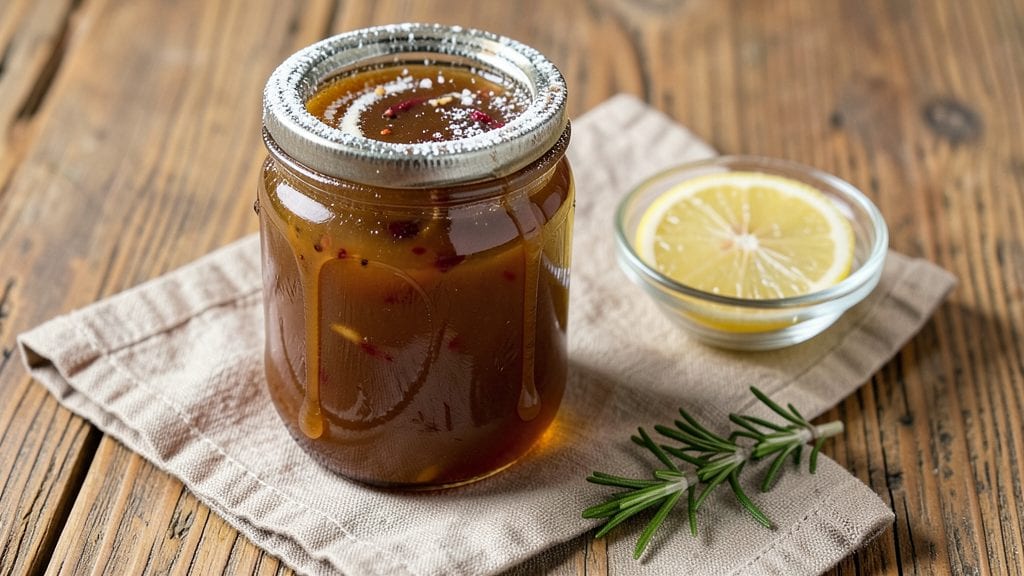
Transforming apple cider into a rich, amber-hued jelly unlocks a condiment that bridges fall flavors with year-round versatility. This recipe harnesses the natural pectin in cider to create a set that's vibrant, aromatic, and perfect for spreading on toast or drizzling over desserts.
The process is surprisingly straightforward—no fancy equipment needed—just precise timing and a few pantry staples.
What sets this jelly apart is its depth of flavor, where warm cinnamon and vanilla notes complement the cider's natural sweetness without overpowering it. The cooking time is minimal, just 10 minutes of active work, followed by a quick set in sterilized jars.
This makes it ideal for both beginners and those looking to elevate their condiment game with professional results.
The finished product delivers a glossy, velvety texture that clings beautifully to spoons and spreads effortlessly on warm biscuits or pancakes. Its balanced sweetness and subtle spice make it equally at home as a breakfast topping or a sophisticated cocktail garnish.
The jelly keeps well in the refrigerator for up to 3 months, ensuring you'll have this autumnal treat on hand whenever the craving strikes.
Whether you're preserving the essence of fall or simply seeking a unique condiment to impress guests, this apple cider jelly delivers restaurant-quality flavor with minimal effort. Let's get started on creating something that tastes like harvest in every bite.
Ingredients for apple cider jelly
Eight simple ingredients transform humble apple cider into velvety autumnal jelly.
| Ingredient | Amount | Notes |
|---|---|---|
| Unfiltered Apple Cider 🍎 | 4 cups | High pectin variety preferred |
| Granulated Sugar 🍚 | 3 cups | Light brown sugar for depth |
| Fresh Lemon Juice 🍋 | ½ cup | Brightens and stabilizes |
| Ground Cinnamon 🌿 | 1 ½ tsp | Warmth without overpowering |
| Pure Vanilla Extract 🌸 | ½ tsp | Alcohol-free preferred |
| Powdered Pectin 🍇 | ¼ oz | High-methoxyl type (e.g., Ball) |
| Diamond Crystal Kosher Salt 🧂 | ¼ tsp | Fine grain for balance |
| Freshly Grated Nutmeg 🌿 | ¼ tsp | Microplane for fine texture |
The cider is everything here. Unfiltered, high-pectin cider from local orchards or Mott's delivers that rich, amber hue and natural sweetness. If you can't find unfiltered, regular cider works—just add an extra 0.25 cup sugar. The pectin is your secret weapon; Ball RealFruit or Sure-Jell are foolproof. For the cinnamon, McCormick or Penzeys ground versions work, but a quick toast in a dry pan deepens the flavor. Nutmeg? Freshly grated from a wedge makes all the difference—pre-ground tastes like sawdust. The vanilla extract should be pure, not imitation, and alcohol-free if you're avoiding it.
No vanilla extract? Vanilla bean paste at double the amount works wonders. Short on pectin? Extra lemon juice (0.25 cup total) helps, but the texture might be softer. The sugar can be swapped for turbinado or coconut sugar for subtle flavor variations. If you're using brown sugar, reduce the vanilla to 0.25 tsp—it's already got molasses notes. For a spicier kick, add a pinch of cayenne or allspice. The salt is non-negotiable—it rounds out the sweetness, but if you're watching sodium, reduce to 0.125 tsp. The jelly sets beautifully with or without added spices, but the cinnamon and nutmeg are what make it taste like fall.
This jelly sets in about 15-20 minutes once jarred, but it's best to let it sit overnight for maximum gloss. Store in sterilized jars in the fridge for up to 3 months. For a longer shelf life, freeze portions for 6 months. I always make a double batch—one for gifts and one for my own pantry. The flavor actually improves after the first week as the spices mellow. If it starts to crystallize, just warm it gently in a water bath—it'll smooth right out.
Why You'll Love This Recipe
- Just Three Ingredients: Honestly, you’re really only working with four—unfiltered cider, sugar, lemon juice, and a pinch of cinnamon. That’s it. No peeling, chopping, or blending—just simmer, stir, and let the magic happen while you sip your morning coffee.
- Spiced Autumn in a Jar: The cinnamon and vanilla turn this jelly into something ridiculously cozy—like a hug for your taste buds. That tangy lemon brightens every spoonful, and the unfiltered cider’s deep, caramel notes make it taste like fall in a jar.
- Breakfast to Dessert Hero: Slather it on toast with butter, drizzle it over vanilla yogurt, or even mix it into oatmeal for a solid weeknight breakfast. Too sweet for savory? Spread it on a grilled cheese instead—trust me, the combo works.
- Makes a Month’s Worth: One batch stretches for ages—gift it, stash it, or forget about it for weeks. It’s budget-friendly (cider’s cheap in season) and lasts forever if you seal it right. Plus, the leftovers? Always disappear fast.
Step-by-step instructions for apple cider jelly
Here's how to transform simple ingredients into a vibrant, spiced jelly that captures autumn's warmth.
Prepare the Apple Cider Base
Pour the 4 cups unfiltered apple cider into a large, heavy-bottomed saucepan. I like to use a stainless steel pot because it distributes heat evenly and prevents scorching. Place it over medium-high heat and bring to a full rolling boil, stirring occasionally to prevent hot spots from forming.
Once boiling vigorously, add the 0.5 cup fresh lemon juice and the 1.5 teaspoons ground cinnamon. Stir well to combine - the lemon juice will brighten the flavor while the cinnamon infuses warmth. Let the mixture boil rapidly for exactly 5 minutes. This initial boil helps extract maximum flavor from the cider and prepares it for the pectin activation.
Add Sugar and Pectin for Gel Formation
In a small bowl, whisk together the 3 cups granulated sugar and 0.25 ounces powdered pectin until completely dissolved. This ensures even distribution and prevents sugar crystals from forming in your finished jelly. With the cider mixture still at a full boil, slowly pour in the sugar-pectin mixture while stirring constantly with a wooden spoon.
Return to a full boil and cook for exactly 1 minute. The mixture will thicken noticeably during this time. You'll see it go from a thin liquid to a syrupy consistency that coats the back of a spoon. This is critical - undercooking will result in a runny jelly, while overcooking can cause it to gel too firmly and become grainy.
Finish with Spices and Test for Doneness
Remove the pan from heat and stir in the 0.5 teaspoon pure vanilla extract and 0.25 teaspoon freshly grated nutmeg. The vanilla adds depth while the nutmeg contributes that classic autumnal warmth. Let the mixture sit undisturbed for 5 minutes - this resting period allows the pectin to fully activate and the flavors to meld.
To test for doneness, place a small spoonful of jelly on a chilled plate. Refrigerate for 1 minute, then run your finger through it. If it wrinkles slightly and holds its shape, it's ready. If it runs, return to low heat for 30 seconds and test again. The jelly should be firm but still glossy, not dry or crumbly.
Pour and Set for Perfect Texture
Using a fine-mesh strainer, carefully pour the jelly into 4 (4-ounce) sterilized jelly jars, leaving about ½-inch headspace at the top. Tap the jars gently on the counter to remove any air bubbles that may have formed. Wipe the rims clean with a damp cloth to ensure proper sealing.
Let the jars cool at room temperature for 10 minutes, then refrigerate for at least 4 hours or until completely set. The jelly should be firm to the touch but still slightly jiggly in the center. Store in the refrigerator for up to 3 weeks. For best results, serve slightly chilled - this enhances the spice flavors and creates that perfect spreadable consistency.
Pro Tips For Making Apple Cider Jelly
- STRAIN WELL, TWICE: Unfiltered cider is full of sediment, and if you don’t strain it properly, your jelly will look cloudy or grainy. Use a fine-mesh sieve lined with cheesecloth—give it a good squeeze after the first pass, then strain again through a clean coffee filter for crystal-clear results. (Yes, it’s extra work, but your jelly will look like it belongs in a fancy jar.)
- TEST THE SET POINT: The magic happens when the jelly reaches 220°F—any lower, and it’ll stay too soft; any higher, and you risk burning it. Use a candy thermometer, and don’t pull it out until it hits that mark consistently for 2 minutes. I learned this the hard way when my first batch turned out like syrup.
- MEASURE SUGAR BY VOLUME: Packing sugar too tightly (or scooping it loosely) throws off the ratio, and your jelly might not set right. Use the 1:1 volume method: fill your measuring cup, level it off with the back of a knife, then dump it straight into the pot. No guessing, no wasted sugar.
- ADD CITRUS AT THE END: Lemon juice and vanilla need to stay fresh, so mix them in after the jelly has cooled to 160°F—any hotter, and the acid can break down the pectin, making your jelly runny. Stir gently, then let it sit for 10 minutes before pouring. (Your future toast will thank you.)
Flavor customization for this dish
Spiced Variations
For a deeper autumnal profile, add ½ tsp ground cloves and ½ tsp allspice with the cinnamon—these spices create a warm, almost mulled-wine-like depth. I find Badia Spices cloves work best for their balanced heat.
For a smoky twist, infuse the cider with 1 cinnamon stick during the initial boil, then remove it before adding sugar. 🌿
Cranberry lovers can fold in ¼ cup cranberry sauce (reduced) after the jelly sets for a tart-sweet contrast. I use Ocean Spray unsweetened cranberry sauce to avoid excess sugar.
For a gingerbread-inspired version, replace nutmeg with ½ tsp ground ginger and add ¼ tsp black pepper—the pepper rounds out the sweetness beautifully.
Fruit Infusions
Brighten the jelly with ½ cup diced fresh pear (added with the cider) for a delicate floral note. I prefer Bosc pears for their firm texture. For a tropical twist, swap cinnamon for ½ tsp ground cardamom and add ¼ cup diced pineapple—the acidity balances the sweetness perfectly. 🍍
Citrus enthusiasts can zest 1 orange and add it with the vanilla extract. The zest dissolves subtly, adding a bright, aromatic lift. For a berry variation, stir in ½ cup mashed raspberries after cooking—just be sure to strain them first to avoid seeds.
Herbal Enhancements
Fresh herbs elevate this jelly to gourmet status. Add 2 tbsp finely chopped rosemary with the cinnamon for an earthy, piney aroma. I use frontierco-op rosemary for its robust flavor.
For a floral touch, steep 1 tbsp dried lavender buds in the warm jelly before pouring into jars—remove them before serving. 🌸
Thyme lovers can add 1 tsp fresh thyme leaves with the lemon juice. The herbal notes pair surprisingly well with cinnamon. For a savory-sweet balance, infuse the jelly with 1 sprig fresh sage during the initial boil—remove it before adding sugar.
Sweetness Adjustments
Reduce sugar to 2½ cups for a lighter, more natural sweetness—just be prepared for a slightly softer set. I recommend using coconut sugar in this case for its caramel notes.
For a caramelized depth, swap ½ cup sugar for ½ cup light brown sugar and cook it with the cider until it reaches 235°F before adding pectin. 🍯
Diabetic-friendly versions can use ½ cup sugar substitute (like Swerve) plus 1½ cups sugar, but expect a firmer texture. For a honey-infused jelly, replace ½ cup sugar with ½ cup honey—simmer it with the cider first to dissolve completely.
Nutrition facts
Frequently asked questions
Can I use regular apple juice instead of apple cider?
Regular apple juice works, but you'll lose the rich, spiced depth of cider. For best results, use unfiltered apple juice with added spices (like cinnamon sticks) during cooking. If you must substitute, reduce sugar by 0.25 cup since juice is sweeter than cider.
Why did my jelly turn out too runny?
Runny jelly usually means undercooked pectin or too much liquid. Double-check that you cooked the mixture to a full boil for the required 1 minute after adding sugar. Also, ensure your cider wasn't watered down—stick to 100% unfiltered for proper gel formation.
How long does homemade jelly keep, and can I can it?
In the fridge, this jelly stays fresh for up to 3 months. For longer storage, you can water-bath can it for shelf-stable preservation (up to 1 year). Use ½-inch headspace in jars and process for 10 minutes for safety.
What are the best ways to use apple cider jelly?
This versatile jelly shines as a breakfast spread on toasted sourdough, drizzled over vanilla ice cream, or stirred into yogurt. It also makes a stunning garnish for fall cocktails—try it in a whiskey sour or spiced bourbon! The warm spices pair beautifully with cheese plates too.
Can I make this jelly without pectin?
Yes, but the texture will be softer. For a natural alternative, add 1 cup apple cider vinegar (instead of lemon juice) and 2 tbsp chia seeds (soaked overnight) to help thicken. The flavor will be tangier, but still delicious!