
Side Dishes
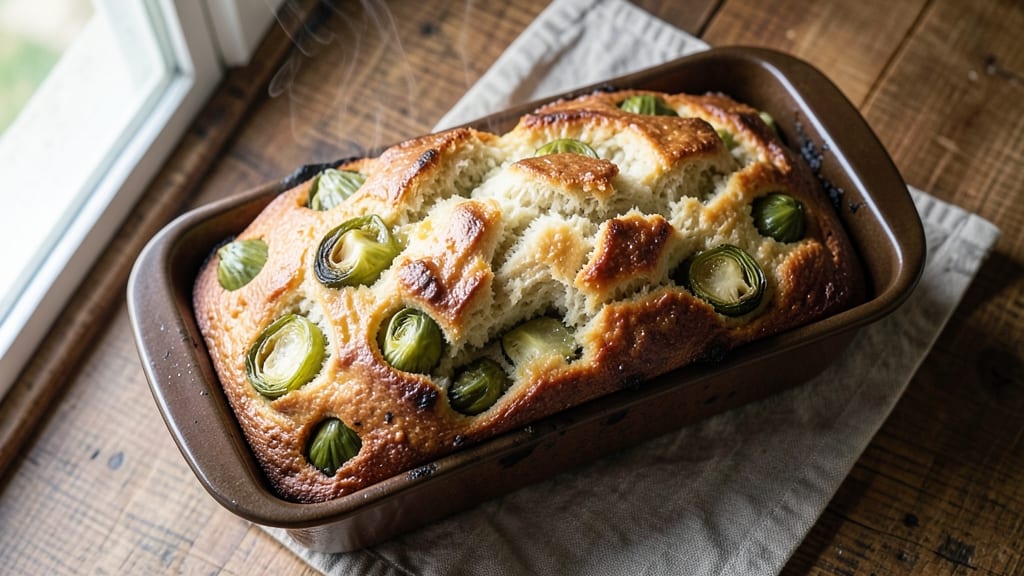
This artichoke bread loaf recipe transforms humble pantry staples into a showstopping side dish with a herbed crust and a melty artichoke heart filling that steals every dinner party.
The secret lies in blending tender artichoke hearts with savory herbs and bread dough, creating layers of texture and flavor that elevate any meal.
I developed this recipe after discovering how artichokes' natural creaminess pairs perfectly with the rustic warmth of bread—it's the kind of dish that makes vegetarians forget they're not eating meat.
The beauty of this recipe is its simplicity: just five core ingredients (plus pantry staples) come together to create a loaf with a crispy exterior and a tender, artichoke-infused interior.
The dough is kneaded once, shaped carefully, and baked until golden, while the artichoke filling softens into a luscious, herby center. Unlike traditional bread loaves, this version delivers restaurant-quality depth without requiring advanced techniques—just patience and a few key steps.
What you'll end up with is a loaf that looks impressive enough for holiday tables but takes less than 45 minutes of active time. The crust stays crispy even after slicing, while the artichoke filling melts slightly, creating pockets of herby, briny goodness in every bite.
This is the kind of side dish that disappears faster than the main course, leaving guests asking for seconds. Perfect for serving alongside roasted meats or as a vegetarian centerpiece.
For extra flair, brush the crust with olive oil before baking or sprinkle with sesame seeds for a nutty contrast. The artichokes' natural acidity balances the bread's richness, making this loaf versatile enough for weeknight dinners or special occasions.
Let's get started—your kitchen will smell like a Mediterranean bakery in no time.
Ingredients for artichoke bread loaf
Five core ingredients transform simple bread dough into a Mediterranean masterpiece with artichoke heart filling.
| Ingredient | Amount | Notes |
|---|---|---|
| All-Purpose Flour 🌾 | 4 cups | Sifted for optimal texture |
| Active Dry Yeast 🍞 | 2 ¼ tsp | Fresh or 1 packet |
| Granulated Sugar 🍚 | 1 tbsp | For yeast activation |
| Warm Water 💧 | 1 ¼ cups | 110°F for yeast activation |
| Unsalted Butter 🧈 | ½ cup | Cold, cubed for dough |
| Extra-Virgin Olive Oil 🫒 | ¼ cup | Plus extra for brushing |
| Large Eggs 🥚 | 1 whole | Room temperature |
| Diamond Crystal Kosher Salt 🧂 | 1 ½ tsp | Adjust to taste |
| Marinated Artichoke Hearts 🌿 | 14 oz | Drained, chopped finely |
| Fresh Parsley 🌿 | ¼ cup | Chopped, stems removed |
| Fresh Dill 🌿 | ¼ cup | Chopped, for herby filling |
| Fresh Garlic Cloves 🧄 | 3 cloves | Minced for filling |
| Shredded Parmesan Cheese 🧀 | ½ cup | Freshly grated preferred |
| Sesame Seeds 🌰 | 1 tbsp | For crust garnish |
| Coarse Sea Salt 🧂 | 1 tsp | For crust sprinkle |
The artichoke hearts are the star—look for jarred, marinated hearts at specialty stores like Whole Foods or Trader Joe's for the best quality. Brands like Meiji or Goya consistently deliver tender, flavorful hearts that chop finely for the filling. Fresh herbs matter too: buy parsley and dill in small bunches from the grocery store's produce section, not the pre-chopped plastic containers. The Diamond Crystal kosher salt ensures proper yeast activation and flavor balance—avoid table salt, which contains anti-caking agents that can inhibit rise. For the dough, King Arthur flour yields the best texture, but any high-protein all-purpose flour works.
No marinated artichoke hearts? Canned hearts in water work in a pinch—just drain and pat dry thoroughly to avoid a soggy filling. Fresh parsley and dill can be swapped for 1 tbsp dried Italian seasoning, but fresh delivers superior flavor. The garlic is critical—roasted garlic adds sweetness, while raw minced garlic provides a sharper bite. For the Parmesan, grate it yourself from a wedge for maximum flavor; pre-shredded contains anti-caking agents that affect texture. The sesame seeds can be omitted if unavailable, but they add a delightful nutty contrast to the herbed crust.
Store the dough for up to 24 hours in the fridge before shaping—this enhances flavor development. Once baked, the loaf stays fresh for 3 days at room temperature wrapped in a clean kitchen towel. For longer storage, freeze the loaf unwrapped for up to 3 months—thaw at room temperature before slicing. The crust remains crispy when reheated briefly in a 350°F oven for 5-10 minutes. Slice with a serrated knife for clean cuts that reveal the artichoke-infused interior.
Why You'll Love This Recipe
- No Yeast Nightmare: I swear by this loaf because it’s a one-rise wonder—no waiting hours like sourdough. Toss in the yeast with warm water, let it sit for 10 minutes while you chop artichokes (if using jarred, even better), and boom: ready to shape.
- Buttery Artichoke Magic: That melted butter folded into the dough? It turns every bite into a rich, herby hug. The artichokes add a briny pop, but the real star is how the crust stays crisp while the inside stays pillowy—like a hug from a bakery.
- Weeknight Workhorse: Between us, this loaf is my go-to for dinner parties and lazy Sundays. Slice it fresh for sandwiches, cube it for salads, or just eat it straight—it’s the kind of thing that disappears faster than I can say “make more.”
- Budget-Friendly Luxury: Flour, yeast, butter—these are pantry staples that won’t break the bank. A single loaf feeds four, and leftovers toast up like gourmet toast the next morning. (Yes, even on a Tuesday night.)
Step-by-step instructions for artichoke bread loaf with herbed crust
This method delivers a golden crust and tender interior with perfectly melty artichoke filling.
Activate the Yeast and Prepare the Dough Base
In a small bowl, combine the 1.25 cups warm water (tested at 110°F—should feel like bathwater) with the 1 tbsp granulated sugar and 2.25 tsp active dry yeast. Let it sit for 5-10 minutes until foamy. This activation step ensures your dough rises properly—if it doesn't foam, your yeast is inactive and needs replacement.
In a large mixing bowl, whisk together the 4 cups all-purpose flour (sifted for optimal texture) and the 1.5 tsp diamond crystal kosher salt. Make a well in the center and pour in the yeast mixture along with the 0.25 cup extra-virgin olive oil and 0.5 cup cold unsalted butter (cubed). Using a wooden spoon, gradually incorporate the flour from the edges until a shaggy dough forms.
Knead and Develop Gluten for Structure
Turn the dough onto a lightly floured surface and knead for 8-10 minutes until smooth and elastic. You'll know it's ready when it springs back slowly when poked. I like to use the "windowpane test"—stretch a small piece of dough thin enough to see light through it without tearing. This kneading step develops the gluten network that gives your bread its structure and chew.
Shape the dough into a ball, place it back in the mixing bowl, lightly oil the surface with extra olive oil, and cover with a damp towel. Let it rise in a warm place for 1-1.5 hours or until doubled in size. The dough should feel spongy and jiggly when gently pressed—this indicates proper fermentation and is crucial for a light, airy texture.
Prepare the Artichoke Filling
While the dough rises, prepare the filling by draining and finely chopping the 14 oz marinated artichoke hearts. In a small bowl, combine the chopped artichokes with the 0.25 cup fresh parsley, 0.25 cup fresh dill, 3 cloves minced fresh garlic, 0.5 cup shredded parmesan cheese, and an additional ½ tsp diamond crystal kosher salt. Mix well and set aside. This herby mixture will infuse flavor throughout the loaf as it bakes.
For the crust topping, combine the 1 tbsp sesame seeds with the 1 tsp coarse sea salt. The sesame seeds add a delightful crunch and visual contrast to the soft bread, while the coarse salt enhances all the flavors.
Shape and Fill the Loaf
Punch down the risen dough to release air, then divide it into two equal portions. Roll each portion into a 12-inch long rectangle about ½-inch thick. Spread the artichoke filling evenly over one rectangle, leaving a ½-inch border around the edges. This border prevents filling from leaking during baking.
Brush the plain side of the second dough rectangle with a little water, then carefully place it on top of the filled rectangle. Seal the edges by pinching them together firmly. Transfer the sealed loaf to a parchment-lined baking sheet and cover lightly with a towel. Let it rise for another 30-45 minutes until puffy. The dough should feel firm but still slightly springy to the touch.
Bake to Golden Perfection
Preheat your oven to 375°F. Brush the top of the loaf with the 1 whole large egg (beaten), then sprinkle evenly with the sesame seed mixture. Bake for 40-45 minutes until the crust is deep golden brown and sounds hollow when tapped on the bottom. The internal temperature should reach 190°F.
For the final touch, brush the warm loaf with a little extra olive oil while still in the pan. This step enhances the crust's shine and flavor. Let it cool on a wire rack for 15 minutes before slicing—this resting period allows the filling to set slightly and makes for cleaner cuts. Serve warm with your favorite dipping sauce or enjoy as-is with a crisp green salad.
Pro Tips For Making Artichoke Bread Loaf
- TEST YEAST TEMPERATURE: Use a thermometer—yeast loves 105–110°F water, not just "warm." I learned this the hard way when my dough took forever to rise because the water was lukewarm instead of just hot enough to touch your wrist and feel like a warm bath.
- CHOP ARTICHOKES SMALL: Dice them no bigger than ¼-inch cubes or they’ll sink to the bottom like rocks. I used to leave chunks whole, and the texture was all over the place—some chewy, some mushy. Uniform size = even cooking.
- DON’T OVERKNEAD: Stop mixing once the dough pulls away from the bowl and springs back when poked—about 5–7 minutes by hand. Overworked dough gets tough, and this loaf relies on a tender crumb. (Yes, even if it looks shaggy.)
- BRUSH BUTTER LAST: Save that melted butter for after baking—just 1–2 tablespoons brushed on top while still hot. It seals in moisture and gives that golden, buttery sheen without making the crust soggy. (I know, it’s tempting to do it earlier.)
Pro cooking tips for perfect results
Dough Temperature Control
The dough’s success hinges on precise temperature management. Always use warm water (110°F) for yeast activation—too hot kills the yeast, too cold slows fermentation. I test water temperature with a thermometer (like the OXO Good Grips) to avoid guesswork.
Keep butter cold when mixing to prevent gluten from over-developing prematurely. If your kitchen feels chilly, place the mixing bowl near the oven (with light on) to create a 75°F environment for optimal rise. 🌡️
Artichoke Filling Texture
Chop artichoke hearts finely but not into paste—aim for ¼-inch pieces to ensure even distribution without sogginess. Pat drained hearts dry with a paper towel to remove excess moisture, which prevents a gummy filling.
For extra creaminess, I pulse the artichokes in a food processor (like the Ninja BN601) for 3-4 seconds before mixing with herbs. This creates a balanced texture between chunky and smooth. 💡
Sealing the Loaf
Pinching the edges tightly is non-negotiable—this prevents filling from leaking during baking. Wet your fingers slightly to help the dough adhere better. I use a bench scraper to press edges firmly, creating an airtight seal.
For extra security, brush the sealed edges with a little egg wash before final rising. This technique ensures the loaf holds its shape beautifully in the oven. ✨
Baking Time Variations
Oven hot spots can create uneven browning. Rotate the baking sheet halfway through (after 20-25 minutes) for even color. If your loaf browns too quickly, tent it loosely with aluminum foil.
For a darker crust, broil for 1-2 minutes at the end—watch closely to avoid burning. The internal temp should reach 190°F; use an instant-read thermometer for accuracy. 🔥
Resting for Clean Slices
Never slice the loaf immediately after baking—the filling needs 15-20 minutes to firm up slightly. This resting period also allows the crust to set, making each slice clean and professional.
I place the loaf on a wire cooling rack to prevent sogginess from trapped steam. For extra crispiness, reheat slices in a 350°F oven for 3-5 minutes before serving. 💪
Nutrition facts
Frequently asked questions
Can I use canned artichoke hearts instead of marinated ones?
Yes, but you'll need to drain and pat them completely dry first to prevent a soggy filling. Rinse canned hearts under cold water to remove any metallic taste, then chop them finely. For extra flavor, add 1 tsp lemon zest to the filling mixture when combining with herbs.
How do I store leftovers to keep them fresh?
Wrap cooled slices tightly in plastic wrap or aluminum foil, then store in an airtight container. The loaf stays fresh for 3 days at room temperature. For longer storage, freeze individual slices for up to 3 months. To reheat, warm in a 350°F oven for 5-7 minutes until crispy.
What if my dough doesn't rise properly?
Check your yeast first—it may be expired. Use warm water (110°F) and let it sit for 5-10 minutes until foamy. If it doesn't foam, replace the yeast. Also ensure your kitchen is warm (at least 75°F) and give the dough 1.5 hours to rise. If still flat, try adding ½ tsp baking powder to the dough for extra lift.
Can I make this recipe gluten-free?
Yes, but you'll need a 1:1 gluten-free flour blend (like King Arthur's) and add ½ tsp xanthan gum. Replace yeast with 1 tsp gluten-free baking powder and reduce water by 2 tbsp. The texture will be denser, but still delicious. For best results, use a gluten-free yeast like Red Star.
What's the best way to serve this loaf?
Slice warm and serve with garlic aioli, marinara sauce, or a simple olive oil dip. It pairs beautifully with grilled meats, roasted vegetables, or as a vegetarian main with a crisp salad. For extra flair, sprinkle with fresh basil before serving.