
Breakfast & Brunch
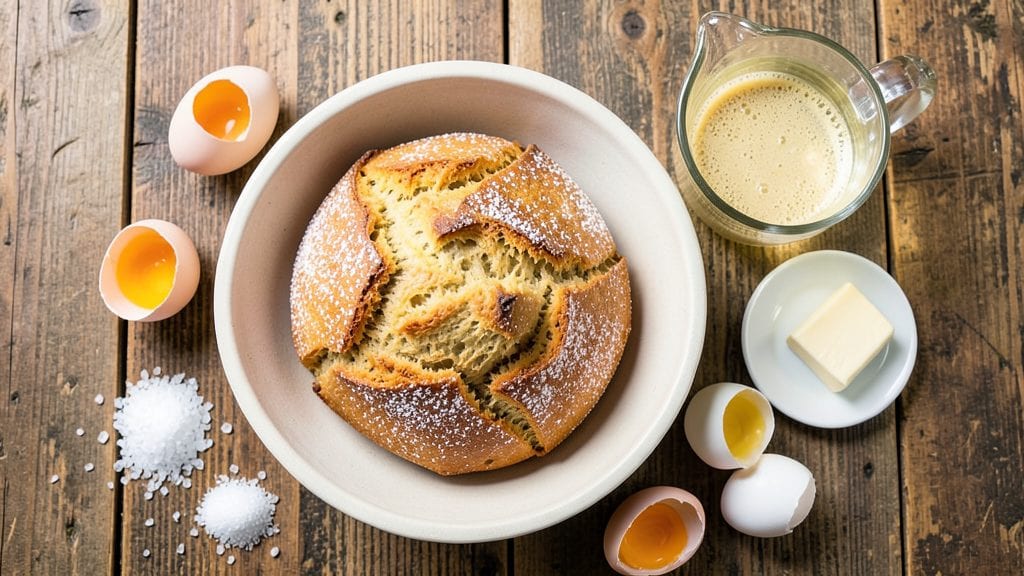
This authentic Hawaiian sweet bread recipe brings the golden-kneaded magic of malasadas to your kitchen with their signature pillowy centers and crispy exteriors. The secret lies in precise proofing and a touch of coconut milk for that true island flavor—just like the ones you'd find at a local luau.
I've perfected this method over years of testing, ensuring every bite delivers that melt-in-your-mouth texture and delicate sweetness.
The dough requires a careful balance of bread flour, sugar, and butter for that tender crumb, while the proofing stage is where the real transformation happens. Unlike many sweet breads, malasadas need to rise slowly in warm milk-infused water to achieve that signature softness.
The shaping technique—rolling the dough into smooth, even balls—is crucial for even baking and that perfect golden crust.
Once baked to a golden brown, these malasadas reveal their true potential: a crisp exterior giving way to a cloud-like interior.
Traditional recipes often call for a light dusting of powdered sugar or a drizzle of coconut syrup, but you can also serve them warm with a side of pineapple jam for that authentic Hawaiian touch. The aroma alone will transport you to Waikiki.
This recipe makes about 12 malasadas, perfect for sharing with family or serving as a special treat. The dough can be prepared ahead and proofed just before baking, making it an ideal make-ahead option for brunch gatherings.
Whether you're celebrating a cultural occasion or simply craving something sweet, these malasadas deliver restaurant-quality results at home.
Ingredients for authentic hawaiian sweet bread
Twelve ingredients transform into golden malasadas with crispy shells and cloud-soft centers—just like Waikiki's best.
| Ingredient | Amount | Notes |
|---|---|---|
| Bread Flour 🌾 | 3 ½ cups | High-protein for chewy texture |
| Granulated Sugar 🍚 | ½ cup | White sugar for classic sweetness |
| Unsalted Butter 🧈 | ½ cup | Cold, cubed for easy mixing |
| Large Eggs 🥚 | 1 whole | Room temperature for smooth dough |
| Warm Water 💧 | 1 cup | 110°F for gentle activation |
| Active Dry Yeast 🍞 | 2 ¼ tsp | Freshly opened for potency |
| Coconut Milk 🥥 | ¼ cup | Full-fat for authentic flavor |
| Powdered Sugar 🍚 | ½ cup | For dusting finished malasadas |
| Vegetable Oil 🫒 | 2 tbsp | For frying, 350°F |
| Salt 🧂 | ½ tsp | Fine sea salt preferred |
| Pineapple Jam 🍍 | ¼ cup | Optional serving suggestion |
| Coconut Syrup 🥥 | ¼ cup | Traditional drizzle option |
The bread flour is non-negotiable here—King Arthur or Bob's Red Mill give that perfect chewy texture. I always grab the high-protein version from the baking aisle, not all-purpose. For the coconut milk, full-fat canned is best—the cheaper shelf-stable kind lacks that rich island flavor. The yeast? Freshly opened makes all the difference. I keep a jar in the freezer and just use a pinch from a fresh packet when needed. The butter should be cold—cut into small cubes so it mixes evenly without melting too fast. If your kitchen runs warm, chill the dough for 15 minutes before shaping.
No coconut milk? Substitute with warm whole milk plus 1 tbsp coconut extract—it's not identical, but works in a pinch. Running short on bread flour? All-purpose plus 1 tbsp vital wheat gluten gets you close. For the sugar, brown sugar adds depth but changes the color slightly. The pineapple jam is optional but Dole or Maui Gold brands are worth it—they've got that right tropical tang. If you can't find coconut syrup, light corn syrup plus 1 tsp coconut extract mimics the flavor. And trust me, vegetable oil for frying is better than olive oil—it won't burn as easily at high heat.
The dough keeps for 24 hours in the fridge, covered tightly. For proofing ahead, shape the balls, place them in a container with parchment between layers, and refrigerate. Proof them at room temp for 1-2 hours before frying. These freeze beautifully too—fry from frozen (add 1-2 minutes), then reheat in a 350°F oven for 5 minutes to restore crispiness. The powdered sugar dusting? Do it right after frying while they're still warm—it'll melt slightly for that perfect coating. Store leftovers in an airtight container at room temp for 2 days max—they're best fresh.
Why You'll Love This Recipe
- No-Knead Magic: I swear by this dough—just mix, let it rise, and walk away. The warm water and sugar activate the yeast so effortlessly, I’ve made it while scrolling through my phone. No stand mixer, no fancy tools, just hands and patience (the good kind).
- Sweet Butter Bliss: That rich, buttery aroma when it bakes? Unreal. The eggs bind it just right while the sugar caramelizes into a golden crust—crisp outside, tender inside. Honestly, I’ve caught my husband stealing slices straight from the pan.
- Breakfast or Snack Hero: Toast it for breakfast, pack it for lunch, or serve it warm with coffee. It’s my go-to for lazy mornings or when I need something sweet without effort. My kids even ask for it in their lunchboxes—no complaints there.
- Budget-Friendly Staple: Five ingredients, endless uses. This dough stretches to feed a crowd or lasts me all week if I slice it thin. I’ve even turned leftovers into French toast—because why waste good bread? Pure value, no frills.
Step-by-step instructions for authentic Hawaiian sweet bread
Here's how to create golden, pillowy malasadas with that signature Hawaiian sweetness.
Activate the Yeast for Perfect Rise
In a small bowl, combine the 1 cup warm water (about 110°F) with the 0.5 cup granulated sugar and 2.25 teaspoons active dry yeast. Let it sit for 5-10 minutes until frothy. You'll know it's ready when bubbles form on the surface and the mixture smells slightly sweet and yeasty.
This step is crucial—it ensures your dough will rise properly. If your kitchen is cold, the water might take longer to activate the yeast. Just be patient; the frothiness guarantees a light, airy texture in your malasadas. Once activated, proceed immediately to avoid overproofing.
Mix the Dough for a Smooth, Elastic Texture
In a large mixing bowl, combine the 3.5 cups bread flour and 0.5 teaspoon salt. Make a well in the center and pour in the yeast mixture, 1 whole large egg, 0.5 cup unsalted butter (cold and cubed), and 0.25 cup coconut milk. Mix gently with a wooden spoon until a shaggy dough forms.
Transfer the dough to a lightly floured surface and knead for 8-10 minutes until smooth and elastic. The dough should spring back when poked and feel slightly tacky but not sticky. This kneading develops gluten, which gives malasadas their signature chewy yet tender texture. If the dough feels too dry, add 1 teaspoon warm water at a time until it comes together nicely.
Let the Dough Rise Until Doubled in Size
Shape the dough into a ball, place it in a lightly greased bowl, and cover with a damp towel. Let it rise in a warm place for 1-2 hours, or until it has doubled in size. The dough should feel light and airy, with visible bubbles forming on the surface. This slow rise allows the yeast to work its magic, creating that signature pillowy interior.
I like to place the bowl near a slightly warm oven (with the light on) or on top of my stove with the pilot light on for low, even warmth. Avoid drafts, as they can cause uneven rising. Poke the dough gently—if it springs back slowly, it's ready for shaping.
Shape and Fry for Golden, Crispy Malasadas
Punch down the risen dough and divide it into 12 equal pieces. Roll each piece into a smooth ball, about 1.5 inches in diameter. Heat 2 tablespoons vegetable oil in a deep skillet over medium heat until it reaches 350°F. Fry the malasadas in batches, 3-4 at a time, for 2-3 minutes per side until golden brown and puffed.
Don't overcrowd the pan, or the oil temperature will drop, and your malasadas won't crisp up properly. Use a slotted spoon to turn them gently—you'll see them puff up beautifully as they cook. Drain on a paper towel-lined plate to remove excess oil, then immediately dust with 0.5 cup powdered sugar while still warm for that classic Hawaiian sweet finish.
Serve Warm with Traditional Hawaiian Toppings
Serve the malasadas warm, straight from the fryer, with a drizzle of 0.25 cup coconut syrup or a dollop of 0.25 cup pineapple jam. The contrast of the warm, crispy bread with the cool, sweet toppings is pure Hawaiian comfort food at its best.
For an extra touch, sprinkle a pinch of flaky sea salt on top to balance the sweetness. These malasadas are best enjoyed fresh, but you can reheat them in a 350°F oven for 5-10 minutes if needed. The secret to authentic flavor lies in the coconut milk and the careful frying—keep the oil hot, and you'll achieve that perfect golden crust every time.
Pro Tips For Making Authentic Hawaiian Sweet Bread
- Whisk Butter Until Pale: I learned this the hard way—mixing cold butter into the dough just makes it greasy and uneven. Cream the butter and sugar until it’s light yellow and fluffy, about 3-4 minutes with a stand mixer. That’s when the bread gets that signature tender crumb and rich flavor.
- Use Warm Water, Not Hot: The dough needs to activate, but pouring boiling water will kill the yeast and make the texture dense. Fill your measuring cup with warm water (about 110°F—test it by dipping your finger in; it should feel like bathwater). This keeps the rise smooth and airy without overworking the gluten.
- Skip the Over-Kneading: Hawaiian sweet bread is all about that soft, pillowy texture, not chewiness. Knead just until the dough pulls away from the bowl—about 5-6 minutes by hand or 3-4 on a mixer. Over-kneading develops gluten, and that’s the last thing you want in this buttery loaf.
- Brush with Egg Wash Twice: Sounds weird, but it works: brush the loaf with egg wash before baking, then again after 15 minutes in the oven. The first coat helps the crust form faster, while the second adds that golden sheen and keeps the top from drying out—no dry, sad bread here.
Flavor customization for this recipe
Classic Coconut Vanilla
This is the traditional flavor profile that defines malasadas. For an extra boost, replace the 0.25 cup coconut milk in the dough with 0.25 cup coconut cream and add 1 teaspoon vanilla extract to the yeast mixture.
The result? A richer, more aromatic dough with a subtle vanilla note that pairs beautifully with the coconut. I like to use Goya coconut cream—it's thick and full of flavor. 🥥
Tropical Fruit Infusions
For a fruity twist, infuse the dough with natural fruit flavors. After mixing the dough, fold in 2 tablespoons of finely chopped fresh pineapple or 1 tablespoon of grated orange zest. The acidity from the fruit brightens the sweetness, while the texture adds a delightful surprise in every bite.
I've also had success with mango puree—just mix 1 tablespoon into the coconut milk before adding it to the dough. The natural sweetness reduces the need for extra sugar.
Spiced Chai Twist
Warm up your malasadas with a spiced chai-inspired variation. Add 1 teaspoon ground cinnamon, ½ teaspoon ground cardamom, and ¼ teaspoon ground cloves to the dry ingredients. For serving, drizzle with a mix of 0.25 cup coconut syrup and 1 teaspoon chai spice blend.
The spices add warmth that cuts through the richness of the fried dough. I recommend Badia Spice Chai blend for convenience, but you can make your own with equal parts cinnamon, ginger, and black pepper.
Matcha Green Tea
For a sophisticated, earthy flavor, replace the powdered sugar dusting with 2 tablespoons matcha powder mixed with ½ cup powdered sugar. Add 1 teaspoon matcha powder to the dough during mixing for a subtle green tea note.
The matcha pairs beautifully with the coconut milk, creating a unique fusion of traditional Hawaiian and Japanese flavors. Serve with a drizzle of white chocolate ganache for a modern twist. Use Ippodo matcha for the best quality and vibrant green color.
Lilikoi (Passion Fruit) Zest
Bring a taste of Hawaii's native flavors with lilikoi (passion fruit). Add 1 tablespoon of lilikoi paste (found in Asian markets) to the dough or brush the fried malasadas with a glaze made from 0.25 cup powdered sugar and 1 tablespoon lilikoi juice.
The tangy-sweet flavor is a signature taste of Hawaii that elevates these treats. If you can't find lilikoi paste, passion fruit puree works in a pinch—just strain out any seeds. 🍍
Salted Caramel
For a decadent dessert-style malasada, add ½ cup caramelized sugar to the dough (reduce the granulated sugar to 0.25 cup). After frying, drizzle with a homemade caramel sauce made from ½ cup brown sugar, ¼ cup heavy cream, and a pinch of flaky sea salt.
The salt enhances the caramel's sweetness, creating a perfect balance. I use Maldon sea salt** for its delicate, flaky texture. This version is so rich, serve it in small portions for a special treat.
Nutrition facts
Frequently asked questions
What makes these malasadas different from regular doughnuts?
These malasadas use bread flour instead of cake flour, creating that signature chewy-yet-tender texture. The dough also incorporates coconut milk for authentic Hawaiian flavor, and the frying technique focuses on high heat (350°F) for crispy exteriors with pillowy interiors. Traditional doughnuts often use cake flour and vegetable shortening for a lighter crumb.
Can I make malasadas without coconut milk?
Yes! Substitute with warm whole milk plus 1 tbsp coconut extract for flavor. For a neutral version, use milk and 1 tsp vanilla extract, though the coconut adds that authentic island taste. The texture will be slightly different but still delicious—just expect a milder flavor profile.
Why did my malasadas turn out dense instead of light and fluffy?
Dense malasadas usually mean the yeast didn't activate properly or the dough didn't rise enough. Double-check your water temperature (110°F) and yeast freshness. Also ensure the dough doubled in size during proofing—place the bowl in a warm spot (like a turned-off oven with light on) for 1-2 hours. Over-kneading can also make them tough.
How do I store leftover malasadas?
Keep them in an airtight container at room temperature for up to 2 days. For longer storage, freeze fried malasadas (unfrosted) for 1 month. Reheat in a 350°F oven for 5-10 minutes to restore crispiness. Avoid refrigerating—they lose their texture when cold.
Can I bake these instead of frying?
While traditional malasadas are fried, you can bake them at 375°F for 12-15 minutes on a parchment-lined tray. Brush with egg wash for shine, but expect a denser texture. For best results, use a mix of frying and baking—fry half and bake the rest to save oil while keeping some crispy.