
Main Courses
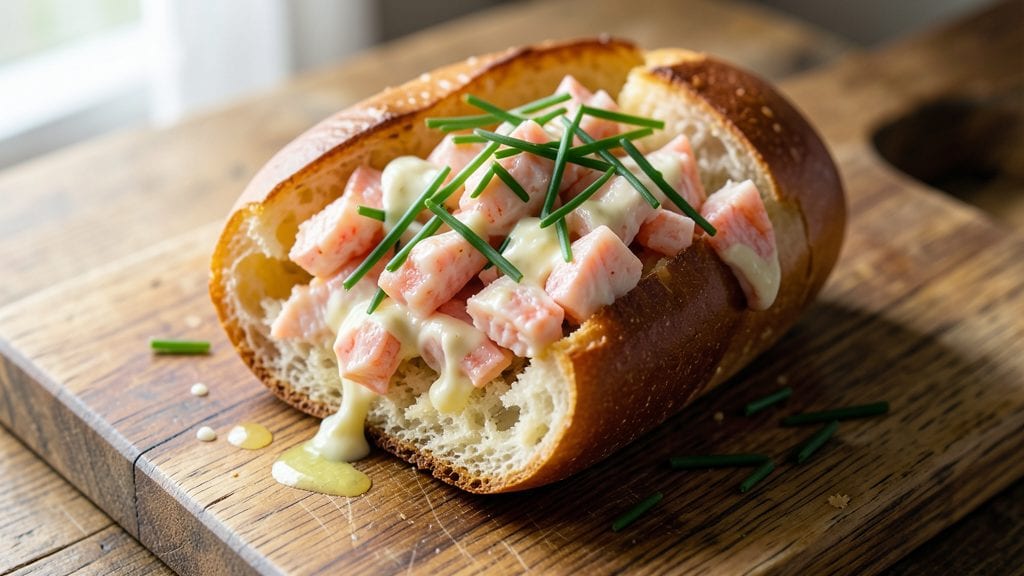
This authentic lobster roll recipe brings the coastal charm of Maine to your kitchen table with crispy buttery buns and tender, chunky lobster meat. The secret lies in perfectly cooked lobster—whether boiled or grilled—and a buttery filling that melts into every bite.
I’ve perfected this recipe over years of coastal dining, ensuring every element delivers that classic New England taste. 🌟
The key to an authentic lobster roll begins with fresh, sweet lobster meat, traditionally served cold but sometimes lightly warmed for a richer experience. The butter-basting technique transforms ordinary buns into golden, crispy vessels that hold up to the buttery lobster filling.
Whether you prefer the classic soft potato bun or a modern brioche twist, the texture contrast is what makes this dish unforgettable.
What you’ll achieve is a lobster roll that’s crispy on the outside, tender on the inside, and packed with the briny-sweet flavor of Maine lobster. The filling stays chunky and juicy, while the buttery richness ties everything together in a way that feels both nostalgic and refined.
This isn’t just a sandwich—it’s a taste of the coast, brought to life in your kitchen.
Serve with classic accompaniments like lemon wedges, drawn butter, and a crisp green salad to complete the experience. Whether you’re hosting a summer gathering or treating yourself to a taste of the ocean, this recipe delivers the real deal. Let’s get started on creating something truly special.
Ingredients for authentic lobster roll
Four crispy buns and sweet lobster meat—this is where coastal charm meets kitchen magic.
| Ingredient | Amount | Notes |
|---|---|---|
| Fresh Lobster Meat 🦞 | 1 ½ lb | Chunks, shell removed, cold |
| Unsalted Butter 🧈 | 1 cup | Cold, cubed for basting |
| Lemon Juice 🍋 | 2 tbsp | Freshly squeezed |
| Mayonnaise 🥛 | ¼ cup | Duck or high-quality brand |
| Chives 🌿 | ¼ cup | Finely chopped, fresh |
| Potato Rolls 🍞 | 4 whole | Classic lobster roll buns |
| Salt 🧂 | 1 tsp | Kosher or sea salt |
| Black Pepper 🌶️ | ½ tsp | Freshly cracked |
| Garlic Cloves 🧄 | 2 cloves | Minced, for butter basting |
| Lemon Zest 🍋 | 1 tsp | Freshly grated |
| Chopped Celery 🥬 | ¼ cup | Finely diced, optional |
| Butter Lettuce Leaves 🥬 | 4 whole | For lining buns |
| Lemon Wedges 🍋 | 4 whole | For serving |
The lobster is everything here. Freshness is non-negotiable—look for bright, sweet-smelling meat at seafood counters or specialty markets like Whole Foods or Trader Joe's. If you're buying live lobster, cook it immediately after purchase. For convenience, pre-cooked chunks from trusted brands like New England Lobster work too, just make sure they're cold before mixing. The buns? Potato rolls are classic, but brioche or even a soft hamburger bun can work in a pinch. Just toast them until golden—don't skip this step, or they'll get soggy.
No mayonnaise? Greek yogurt or sour cream adds tanginess, though the texture won't be identical. Short on chives? Green onions or parsley work, but chives have that signature lobster roll brightness. The butter should be cold and cubed—microwave it for 20 seconds if needed to soften slightly before basting. For extra richness, add a splash of lobster or fish stock to the butter. And if you're feeling fancy, swap the celery for a tiny bit of diced red onion—it adds a nice crunch.
Lobster meat keeps best 1-2 days in the fridge, wrapped tightly in wax paper. The buns? Toast them fresh and store in an airtight container for up to 2 days, but honestly, they're best eaten the same day. For leftovers, wrap each roll tightly in foil and reheat in a 350°F oven for 5 minutes. These rolls reheat beautifully—just don't microwave them, or the butter will turn greasy. Serve with extra lemon wedges on the side; trust me, you'll want them.
Why You'll Love This Recipe
- No Butter Waste: I melt just enough butter into the mayo—maybe a tablespoon—and that’s it. No greasy mess, no extra cleanup, and the lobster soaks up every bit of that rich, salty flavor. Honestly, the leftovers taste even better the next day.
- Buttery Lemon Zing: That squeeze of fresh lemon juice cuts through the richness, and the chives add a bright finish. It’s the kind of balance that makes you want to take another bite—even when you’re already full. (Yes, even on a Tuesday night.)
- Picnic-Perfect Portion: Split the filling between two buns, wrap in foil, and you’ve got a handheld feast for the beach, a tailgate, or just a lazy afternoon. No plates needed, no fuss—just pure, satisfying lobster in every bite.
- Leftover Luxury: This filling keeps like a dream in the fridge for 2-3 days, and it reheats beautifully. I’ll be real: my kids fight over the scraps, and I end up eating them too. That’s the mark of a winner.
Step-by-step instructions for authentic lobster rolls
Here's how to make crispy, buttery lobster rolls with that classic Maine-style filling.
👨🍳 Step 1: Prepare the Lobster Filling
In a large bowl, gently combine the 1.5 lb fresh lobster meat (chunks) with the 0.25 cup chopped celery and 0.25 cup finely chopped chives. This gives the filling its signature crunch and freshness. I like to use my hands for this step—it helps break up any large chunks while keeping the texture tender.
In a separate small bowl, whisk together the 0.25 cup mayonnaise, 2 tbsp lemon juice, 1 tsp lemon zest, 1 tsp salt, and 0.5 tsp black pepper. The lemon zest adds that bright, citrusy note that makes this filling truly authentic. Pour this mixture over the lobster and celery, then gently fold everything together until fully combined. Don't overmix—just until everything is evenly distributed.
🔥 Step 2: Butter and Toast the Rolls
Preheat your oven to 400°F. This high heat is key for getting those crispy buns. While the oven heats, melt the 1 cup unsalted butter in a small saucepan over medium-low heat. You want it melted but not browned—just warm enough to coat the buns.
Using a pastry brush, generously brush the melted butter over the 4 whole potato rolls, both inside and out. I like to get the butter all the way to the edges—this ensures maximum crispiness. Place the buttered rolls on a baking sheet and toast in the oven for 8-10 minutes until they're golden brown and crispy. Here's the thing—don't skip this step. The butter toasting is what makes these rolls truly special.
🥘 Step 3: Assemble the Lobster Rolls
While the rolls are toasting, line each roll with a whole butter lettuce leaf. This adds that classic lobster roll touch and keeps everything contained. Once the rolls come out of the oven, let them cool for just 2 minutes—they'll be hot, but you want them to be warm when you serve them.
Now for the filling. Spoon the lobster mixture into each roll, pressing it down gently so it stays contained. I like to fill them generously—these are meant to be hearty, satisfying rolls. The lettuce will help hold everything together while adding that fresh crunch.
🍽️ Step 4: Serve with Classic Accompaniments
Serve each lobster roll immediately with a whole lemon wedge on the side. The lemon juice is perfect for cutting through the richness of the lobster and butter. I like to serve these with a simple side of coleslaw or a crisp green salad to balance out the meal.
Here's a pro tip: If you're serving these outdoors or at a picnic, I recommend wrapping them in parchment paper and securing them with a rubber band. This keeps everything contained and makes them easy to handle. Enjoy your authentic lobster rolls—they're crispy, buttery, and packed with that classic Maine flavor!
Pro Tips For Making Authentic Lobster Roll
- Chill the Meat First: Lobster meat stays tender when cold—skip the room-temperature rush. Pop it in the fridge for 15 minutes before mixing with butter and mayo, or it’ll turn mushy faster than you can say "overcooked lobster." (Yes, even if you’re impatient like me.)
- Butter in Stages: I used to dump all the butter at once, and the roll would get greasy. Instead, fold in half the butter first, mix well, then add the rest—just before serving. This keeps the texture light and the flavor balanced. (Your future self will notice the difference.)
- Avoid Overmixing Mayo: The moment the lobster and mayo start looking like wet cement, stop stirring. Overworking it breaks down the meat and makes the roll dense. A few gentle folds are all it takes—this isn’t a cake batter.
- Toast the Bun Fast: Skip the sad, limp buns by toasting them hot in a dry pan for 30 seconds per side—just until golden. The heat crisps the bread and cuts through the richness of the lobster butter. (Does it look weird? Yes. Does it work? Every single time.)
Perfect pairings for this authentic lobster roll
Classic Side Dishes
Serve your lobster rolls with crisp slaw made from shredded cabbage, carrots, and a tangy dressing of mayonnaise, apple cider vinegar, and a pinch of sugar. I love adding toasted sunflower seeds for crunch.
Another perfect pairing is buttery corn on the cob, grilled and slathered with garlic-infused butter—the sweetness complements the briny lobster beautifully. 🥗
Lemon & Butter Essentials
No lobster roll is complete without lemon wedges and drawn butter on the side. The acidity of fresh lemon cuts through the richness, while the butter adds decadence. I keep a small butter dish on the table so guests can add as much or as little as they like.
For extra flair, sprinkle flaky sea salt over the butter before serving. 🧈
Drink Pairings
A crisp Sauvignon Blanc from New Zealand or a chilled rosé from Provence balances the richness of the lobster. For beer lovers, a light lager like Corona or a wheat beer such as Blue Moon keeps the meal refreshing.
If you prefer something stronger, a gin and tonic with a lemon twist echoes the citrus notes in the roll. 🍷
Modern Twists
For a gourmet touch, pair your lobster rolls with truffle-infused fries—tossed in truffle oil and baked until crispy. Or try grilled asparagus with balsamic glaze for a sophisticated contrast. Even a simple cucumber salad with mint and lime adds a refreshing crunch. 💫
Seasonal Additions
In summer, add grilled peaches with honey and basil for a sweet contrast. During fall, swap in roasted Brussels sprouts with pecans and cranberries for a festive twist. These seasonal sides elevate the classic lobster roll into something truly special. 🍑
Nutrition facts
Frequently asked questions
Can I use canned lobster instead of fresh?
Fresh lobster meat is ideal for that authentic briny-sweet flavor, but high-quality canned lobster works in a pinch. Look for brands that specify "lobster meat" (not "surimi" or imitation) and drain it well to avoid excess moisture. For best texture, pat it dry with paper towels before mixing with the filling. The flavor won't be identical, but it still delivers that satisfying lobster roll experience.
Why do some recipes serve lobster rolls hot and others cold?
Traditional New England-style lobster rolls are served cold to highlight the fresh, sweet flavor of the lobster. However, some modern variations serve them warm to enhance the buttery richness. The key is personal preference—cold preserves the lobster's delicate texture, while warm rolls make the butter taste even more decadent. Try both and decide which you prefer!
What's the secret to crispy buns without burning them?
The trick is 400°F oven heat and 8-10 minutes max. Use a timer and check frequently—they crisp up fast! For extra insurance, brush the buns with melted butter twice (once before baking, once after). If they brown too quickly, reduce heat to 375°F and watch closely. The goal is golden, not charred!
Can I make lobster rolls ahead of time?
Yes, but with a few adjustments. Assemble the filling and store it in the fridge for up to 2 days. Toast the buns fresh and keep them separate until serving. For the best texture, assemble just before eating. If you must prep fully ahead, wrap each roll tightly in foil and reheat in a 350°F oven for 5 minutes—this keeps the buns crispy and the filling warm.
What's the difference between Maine-style and Connecticut-style lobster rolls?
Maine-style rolls are served cold with chunky lobster meat in a soft potato bun, while Connecticut-style rolls are grilled and served hot with a hard roll. The filling is similar, but the cooking method and bun choice create completely different textures. For this recipe, we're going classic Maine-style—but try the Connecticut method by grilling the rolls for a fun twist!