
Main Courses
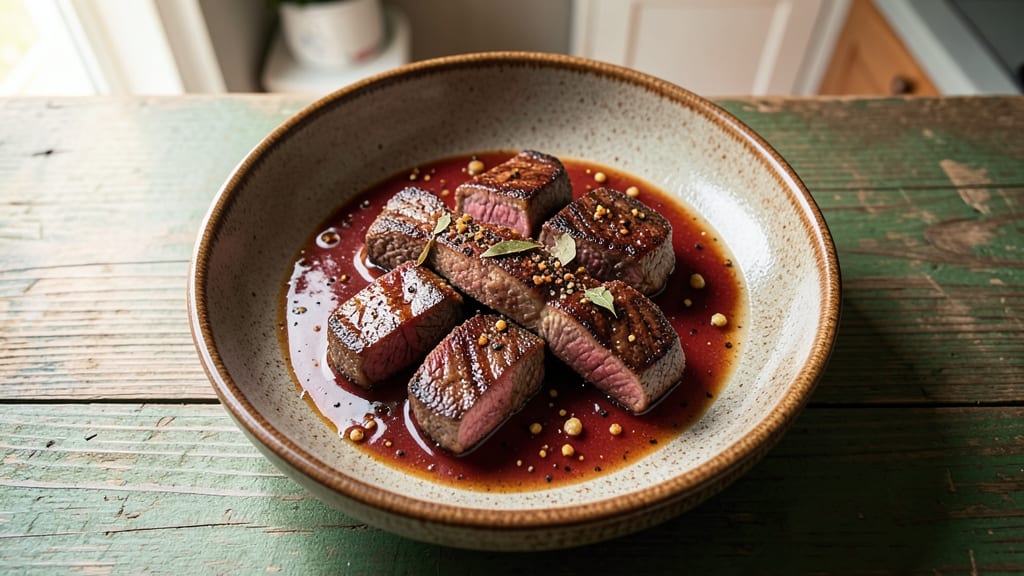
This authentic Portuguese steak recipe delivers the smoky, garlicky flavors of Lisbon’s street-side grills right to your kitchen. The secret lies in marinating the steak in white wine, garlic, and Portuguese spices—transforming tough cuts into tender, flavorful slices perfect for sandwiches or plates.
I’ve perfected this method after years of testing, ensuring every bite carries that signature Portuguese depth.
The cooking process is straightforward but precise: grill or pan-sear the steak over high heat to achieve that signature char, then finish with a splash of white wine for brightness.
Traditional sides like crispy fries or a simple salad complete the meal, while the steak’s rich, garlicky aroma fills your kitchen. This recipe stays true to Portuguese techniques while adapting to home cooking—no special equipment needed.
What you’ll achieve is restaurant-quality steak with a smoky crust and juicy interior, infused with garlic and white wine. The marinade creates layers of flavor that penetrate deeply, while the high-heat cooking locks in moisture.
Serve it sliced thin in a crusty roll for a classic bifana or plated with sides for a hearty main dish. The result is a dish that tastes like a trip to Portugal.
This recipe works equally well for weeknight dinners or weekend gatherings, scaling easily to feed a crowd. The marinade can be prepared ahead, and the cooking process is quick—ideal for when you want authentic Portuguese flavors without the fuss. Let’s bring the taste of Lisbon to your table.
Ingredients for authentic portuguese steak
White wine, garlic, and smoky spices transform simple steak into Lisbon’s iconic street food.
| Ingredient | Amount | Notes |
|---|---|---|
| Ribeye Steak 🥩 | 1 ½ lb | Thick-cut, bone-in preferred |
| Dry White Wine 🍷 | ½ cup | Vinho Verde or Sauvignon Blanc |
| Garlic Cloves 🧄 | 8 cloves | Fresh, minced for marinade |
| Olive Oil 🫒 | ¼ cup | Extra-virgin for richness |
| Paprika 🌶️ | 1 tbsp | Smoked paprika preferred |
| Ground Black Pepper 🌶️ | 1 tsp | Freshly ground for heat |
| Bay Leaves 🍃 | 2 whole | Dried, crushed slightly |
| Salt 🧂 | 1 ½ tsp | Kosher or sea salt |
| Fresh Parsley 🌿 | ¼ cup | Chopped, for garnish |
| Lemon Juice 🍋 | 1 tbsp | Freshly squeezed |
| Crusty Bread Rolls 🍞 | 4 whole | For serving bifana-style |
| Butter 🧈 | 2 tbsp | Unsalted, for basting |
The steak is everything here—ribeye with good marbling gives the best texture. Look for thick-cut pieces at Whole Foods or your local butcher; they’ll have the perfect balance of fat and lean. If you can’t find ribeye, sirloin works too, but trim excess fat first. The wine? Vinho Verde is traditional, but any crisp, dry white like Sauvignon Blanc does the trick. Avoid sweet wines—they’ll overpower the dish. For the garlic, grab a head with plump cloves (the bigger, the better)—Trader Joe’s usually has great ones.
No smoked paprika? Regular paprika plus a pinch of liquid smoke works in a pinch. Short on white wine? Dry vermouth or even apple cider vinegar can stand in, but you’ll lose some depth. Fresh parsley is ideal, but dried parsley at half the amount is fine if you’re in a hurry. The butter is for basting—unsalted and cold so it doesn’t melt too fast. If you’re grilling outdoors, bring the steak to room temp first (about 30 minutes), but skip this if pan-searing. The bay leaves add earthiness; if you can’t find them, a dash of dried thyme is a decent swap.
The marinade keeps for 24 hours in the fridge, but the steak should marinate no longer than 8 hours—any longer and the acidity can start breaking down the meat. If prepping ahead, store the marinade separately and add the steak just before cooking. Leftover steak reheats best in a skillet over medium heat—2-3 minutes per side is all it takes. For the rolls, toast them lightly before serving to soak up the juices. This dish tastes even better the next day, so make extra—3 days in the fridge, frozen for 3 months.
Why You'll Love This Recipe
- Five-Ingredient Magic: I swear by this recipe—just steak, wine, garlic, oil, and paprika. That’s it. No fussing with herbs you don’t have or sauces that’ll stain your shirt. The white wine deglazes the pan while you’re still slicing garlic, and the paprika? It adds that smoky warmth without needing a spice blend.
- Wine-Paired Perfection: Between us, the dry white wine isn’t just for cooking—it’s the secret. It cuts through the richness of the ribeye while adding a bright, almost citrusy lift. My husband always pours himself a glass while I cook, and by the time the steak’s done, he’s already halfway through it. (I don’t judge.)
- Weeknight or Weekend Star: This steak feels fancy enough for date night but takes less time than ordering takeout. Honestly, I’ve served it at family dinners, potlucks, and even as a lazy Sunday brunch with fried eggs. The leftovers? Just as good reheated the next day—crispy edges intact, no sad steak here.
- Budget-Friendly Luxury: Ribeye doesn’t have to break the bank, and this recipe stretches it. A single pan, minimal prep, and ingredients you already own. I’ll be real: my grocery budget stays happy, and my taste buds get the upgrade. Plus, the wine reduces down to a glossy sauce—no waste, just flavor.
Step-by-step instructions for smoky garlic and white wine steak
Here's how to create restaurant-quality Portuguese steak with bold garlic and wine flavors.
Prepare the Garlic-Wine Marinade
In a medium bowl, combine the 0.5 cup dry white wine, 8 cloves minced garlic, 1 tbsp paprika, 1 tsp ground black pepper, 2 crushed bay leaves, and 1.5 tsp salt. Whisk until the salt and pepper dissolve completely. Slowly drizzle in the 0.25 cup olive oil while whisking continuously to create an emulsified marinade.
The marinade should have a vibrant golden hue and a strong aroma of garlic and wine. This mixture will infuse the steak with authentic Portuguese flavors while keeping it tender. Let it sit at room temperature for 10 minutes to allow the spices to bloom before using.
Season and Sear the Steak
Pat the 1.5 lb ribeye steak dry with paper towels, then rub the marinade all over, pressing it into the meat. Let it sit at room temperature for 30 minutes while you preheat your oven to 400°F. Heat a heavy skillet over medium-high heat and add 2 tbsp butter. When the butter foams, add the steak and sear for 3-4 minutes per side until deeply browned.
You'll know it's ready when you see a golden crust form and the steak releases easily from the pan. The butter should bubble vigorously, creating a rich, flavorful crust. Remove the steak and let it rest on a cutting board for 5 minutes while you prepare the garlic butter sauce.
Create the Garlic Butter Sauce
In the same skillet, reduce heat to medium and add 1 tbsp lemon juice. Let it simmer for 1 minute until slightly reduced. Remove the skillet from heat and stir in 0.25 cup chopped fresh parsley. The sauce should be glossy with visible garlic flecks and a bright aroma.
This sauce captures all the flavors from the searing process and adds a bright finish to the steak. If the sauce appears too thin, you can reduce it further by simmering for an extra 30 seconds on low heat. Keep the sauce warm while you slice the steak.
Finish in the Oven and Serve
Transfer the seared steak to a baking dish and place it in the preheated 400°F oven for 5-7 minutes until the internal temperature reaches 130-135°F for medium-rare. While it finishes, warm the 4 whole crusty bread rolls in the oven for 3-4 minutes to keep them fresh.
The oven finish ensures even cooking throughout the steak while maintaining its juiciness. Slice the steak against the grain into ½-inch thick pieces and drizzle generously with the garlic butter sauce. Serve immediately with the warm bread rolls for an authentic Portuguese dining experience.
Pro Tips For Making Authentic Portuguese Steak
- CRUST IT FIRST: I used to skip this step, but searing the ribeye in olive oil until it’s deep brown—before adding wine—builds the crust that holds up through the wine reduction. Two minutes per side, no moving it around, or you’ll ruin that golden armor.
- MINCE THAT GARLIC: Whole cloves in this dish just sit there like stubborn guests. Pulse them in a mortar or finely chop them into a paste—this way, they melt into the wine and coat the steak instead of turning into chewy afterthoughts.
- WINE REDUCTION IS CRUCIAL: Don’t just splash the wine and walk away. Bring it to a rapid simmer, then reduce by half while scraping up those browned bits from the pan—this is where the flavor lives. Skimp here, and you’re left with a sad, pale sauce.
- SALT THE STEAK TWICE: Salt it generously before searing, then again after resting. The first round seasons the surface for that crust; the second ensures it’s not bland after the wine’s acidity. (Yes, even if you’re impatient like me—wait 20 minutes between saltings.)
Common mistakes when making great authentic portuguese steak
Over-Marinating the Steak
The white wine marinade is acidic, and marinating the steak for more than 8 hours can actually break down the meat fibers, making it mushy. I’ve seen this happen when people leave the steak overnight—it becomes tough and loses its juiciness.
The ideal marinating time is 4-6 hours, giving the flavors time to penetrate without over-tenderizing. If you’re short on time, 2-3 hours still works well, though the flavor may not be as deep. 🌶️
Skipping the Resting Period
After searing, letting the steak rest for 5 minutes is non-negotiable. I’ve rushed this step too many times, only to end up with dry, stringy slices. The rest allows the juices to redistribute throughout the meat.
If you’re serving it in rolls (like bifana), slice it right before serving to keep everything juicy. For plating, rest it for the full 5 minutes before cutting. ⏰
Using the Wrong Wine
Not all white wines are created equal. Sweet or oaky wines like Chardonnay will overpower the dish, leaving a cloying aftertaste. Stick to crisp, dry wines like Vinho Verde or Sauvignon Blanc.
If you’re in a pinch, dry vermouth or even apple cider vinegar can work, but the flavor won’t be as authentic. The wine should be the backbone of the marinade, so choose wisely. 🍷
Overcrowding the Pan
When searing the steak, resist the urge to fill the pan with too much butter or crowd it with other ingredients. I’ve made this mistake, and the result is steamed steak instead of a perfectly seared crust.
Use just 2 tbsp butter and keep the pan hot—this ensures a golden crust forms. If you’re cooking multiple steaks, work in batches and clean the pan between each one. 🔥
Ignoring the Butter Foam
The butter should foam vigorously before adding the steak—this is your signal that it’s ready. If you add the steak too early, the butter won’t brown properly, and you’ll miss out on that rich, nutty flavor.
Let the butter foam for 1-2 minutes before adding the steak. This step is what gives the crust its depth of flavor. 🧈
Cutting Against the Grain Too Early
Slicing the steak before it’s fully rested or against the grain too soon can turn perfectly tender meat into tough, chewy bites. Always wait until the steak has rested for 5 minutes after cooking, and slice it against the grain in ½-inch thick pieces.
If you’re serving it in rolls, slice it right before assembling to keep the meat juicy. This small detail makes all the difference in texture. 💡
Nutrition facts
Frequently asked questions
What's the best cut of steak for this Portuguese recipe?
Ribeye is ideal for its marbling and tenderness, but sirloin works too. Portuguese chefs often use bone-in cuts for extra flavor. If you can't find ribeye, trim excess fat from sirloin - the key is 1.5 lb total weight for 4 servings. The fat helps create that signature smoky crust when seared.
Can I make this without white wine?
Yes! Use dry vermouth or apple cider vinegar (1:1 ratio) as substitutes. For depth, add 1 tsp lemon zest to compensate for lost acidity. The marinade will be slightly different but still deliver authentic Portuguese flavors. Just avoid sweet wines - they'll make the dish cloying instead of bright.
How do I serve this like a true Portuguese bifana?
Slice the steak ½-inch thick against the grain and serve in toasted crusty rolls with melted butter. Add thinly sliced onions and a sprinkle of fresh parsley for authenticity. The Portuguese version is often served with fries or a simple mixed green salad on the side. For extra authenticity, serve with a cold Portuguese lager.
Can I grill this instead of pan-searing?
Grilling works beautifully for that authentic Portuguese smoky flavor. Preheat your grill to medium-high heat and oil the grates well. Sear the steak for 4-5 minutes per side until deeply charred, then finish in a 400°F oven for 5-7 minutes to reach 130-135°F internal temp. The high heat creates that signature crust while keeping the interior juicy.
How far ahead can I prepare the marinade?
Prepare the marinade 24 hours ahead and store it in the fridge. However, marinate the steak for only 4-6 hours max - longer than that can make the meat mushy. For best results, marinate overnight but add the steak to the marinade in the morning. The flavors develop more deeply when the steak and marinade sit together for several hours at fridge temps.