
Sauces & Condiments
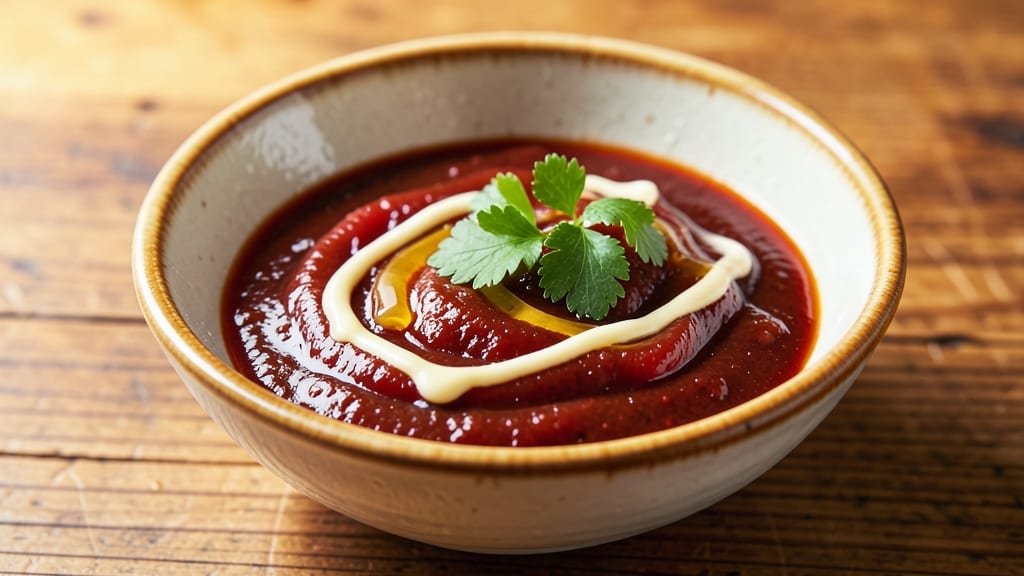
Creating authentic tonkatsu sauce transforms ordinary fried pork cutlets into a restaurant-worthy dish with its signature balance of sweet, tangy, and umami flavors. This sauce—thick, glossy, and deeply savory—is the secret behind Japan’s beloved crispy pork perfection, and it only takes 15 minutes to make.
The key lies in simmering traditional ingredients like Worcestershire, ketchup, and mirin until they meld into a velvety, caramelized sauce that clings perfectly to fried pork.
The foundation of this sauce begins with a simple blend of ketchup, Worcestershire, and mirin, but it’s the slow reduction that develops its rich depth. A touch of sugar caramelizes during simmering, adding complexity without overpowering the savory notes.
I’ve perfected this recipe through years of testing—no shortcuts, just precise technique to ensure every batch delivers that restaurant-quality flavor. The result? A sauce so balanced it elevates even the simplest pork cutlet into something extraordinary.
What sets this tonkatsu sauce apart is its ability to enhance—not overpower—the crispy texture of fried pork. The sauce’s natural stickiness clings to the golden-brown crust, creating a harmonious bite with every dip.
Whether you’re serving tonkatsu or using it as a glaze for grilled meats, this sauce delivers professional results with minimal effort. Ready to master the art of Japanese comfort food at home?
For those who love customization, you can adjust the sweetness or tanginess to suit your taste while keeping the sauce’s signature depth. The ingredients are simple, but the technique ensures authenticity. Let’s get started—your crispy pork cutlets deserve this sauce.
Ingredients for authentic tonkatsu sauce
Ten simple ingredients craft this velvety tonkatsu sauce—where umami meets precision.
| Ingredient | Amount | Notes |
|---|---|---|
| Ketchup 🍅 | 1 cup | High-quality, no added vinegar |
| Worcestershire Sauce 🍶 | 2 tbsp | Lea & Perrins brand preferred |
| Dry Sherry 🍷 | 2 tbsp | Substitute with dry white wine |
| Mirin 🍶 | 2 tbsp | Hon Mirin for authentic sweetness |
| Granulated Sugar 🍚 | 1 tbsp | For caramelization depth |
| Dijon Mustard 🌶️ | 1 tsp | Mild, not spicy |
| Salt 🧂 | ½ tsp | Diamond Crystal kosher preferred |
| Black Pepper 🌶️ | ¼ tsp | Freshly ground for aroma |
| Cornstarch 🌾 | 1 tsp | For thickening consistency |
| Water 💧 | 1 tbsp | Room temperature preferred |
The foundation begins with Worcestershire sauce and mirin—non-negotiable for authentic depth. Lea & Perrins Worcestershire delivers the signature umami, while hon mirin (not the cheaper substitute) provides that delicate sweetness. For mirin, Japanese specialty stores or high-end grocery chains like Whole Foods carry the real deal. If you can't find hon mirin, dry sherry works, though it lacks the same caramelized sweetness. The ketchup should be smooth and vinegar-light—Heinz is a reliable choice, but avoid chunky varieties that won't blend properly. Diamond Crystal kosher salt dissolves cleanly, preserving the sauce's balance.
No mirin? Dry white wine plus 1 tsp sugar mimics its role, though the texture won't be identical. Dijon mustard adds subtle tang—substitute with 1/2 tsp yellow mustard if unavailable, but the flavor profile shifts slightly. The cornstarch slurry (mixed with water) is critical for achieving that restaurant-quality thickness. Low-sodium soy sauce (1 tbsp) can replace Worcestershire in a pinch, though it alters the sauce's complexity. For a sweeter finish, maple syrup (1 tsp) works, but sugar's caramelization is irreplaceable. Freshly ground black pepper brightens the sauce—pre-ground loses potency quickly.
This sauce peaks after 3-4 days of refrigeration as flavors meld. Store in an airtight glass jar to prevent absorption of fridge odors. Freezes beautifully for up to 3 months—thaw at room temperature before use. For tonkatsu, reheat gently to 160°F to maintain glossiness. Double the batch if you're feeding a crowd—it disappears fast. The sauce thickens as it cools, so adjust consistency with 1 tsp water if needed before serving.
Why You'll Love This Recipe
- Pantry Magic: I swear by this sauce because it uses what’s already in my cabinets—no special trips to the store. The dry sherry and mirin cut through the sweetness of the ketchup, giving it that deep, savory punch without extra shopping.
- Umami Bomb: That Worcestershire sauce? It’s the secret weapon. One spoonful transforms this from basic ketchup to something rich and complex—like a little Japanese pub flavor in every bite. Honestly, it’s the reason I keep making it.
- Weeknight Flex: Tonkatsu nights are my go-to when I’m too tired for fancy meals. Drizzle it over crispy pork cutlets, toss it with rice, or even slather it on a burger. It’s the kind of sauce that turns ordinary dinners into something special without the fuss.
- Budget Stretch: A single batch lasts me weeks—leftover sauce in the fridge becomes my backup for anything from fried chicken to meatballs. I’ll be real: it’s cheaper than buying store-bought tonkatsu sauce, and it tastes better too. Win-win.
Step-by-step instructions for authentic tonkatsu sauce
This method delivers a perfectly balanced sauce with deep umami and subtle sweetness—essential for crispy tonkatsu.
Combine Wet Ingredients for Flavor Foundation
In a medium saucepan, pour in the 1 cup ketchup and bring it to a gentle simmer over medium heat. This initial step activates the ketchup's natural flavors and prepares it for the layered complexity ahead. As it heats, you'll notice the ketchup's viscosity begin to thin slightly—this is normal and necessary for proper integration with the remaining ingredients.
While the ketchup warms, add the 2 tablespoons dry sherry and 2 tablespoons mirin simultaneously. Stir gently to combine, allowing the alcohol and sweetness to begin melding with the ketchup's tang. The mirin will introduce a delicate sweetness that balances the sauce's acidity, while the sherry adds depth and complexity. Let this mixture simmer for 3-4 minutes until it reaches a gentle boil, then reduce heat to maintain a steady simmer.
Incorporate Sweetness and Seasoning
Add the 1 tablespoon granulated sugar and stir until fully dissolved. This step is crucial for achieving the right balance of sweetness and acidity that defines authentic tonkatsu sauce. The sugar will caramelize slightly as it simmers, adding another layer of flavor complexity. Next, incorporate the 1 teaspoon Dijon mustard, 0.5 teaspoon salt, and 0.25 teaspoon black pepper, stirring continuously to ensure even distribution.
Continue simmering for 5-6 minutes until the sauce thickens slightly and the sugar has fully integrated. You'll notice the sauce becoming glossier and more cohesive. This is the moment where all the foundational flavors come together—umami from the Worcestershire (which you'll add next), sweetness from the mirin and sugar, and a touch of heat from the mustard. Taste the sauce at this stage to gauge the balance; it should be tangy, slightly sweet, and well-seasoned but not overpowering.
Thicken and Refine the Sauce
In a small bowl, whisk together the 1 teaspoon cornstarch and 1 tablespoon water until smooth. This slurry is the key to achieving the perfect consistency—thick enough to cling to tonkatsu but still pourable. Once fully combined, slowly pour the slurry into the simmering sauce while stirring constantly with a wooden spoon. The cornstarch will react immediately, thickening the sauce within 1-2 minutes of continuous stirring.
Add the 2 tablespoons Worcestershire sauce during the final minute of simmering. This final ingredient is critical—it provides the deep umami and savory notes that make tonkatsu sauce truly authentic. Stir vigorously for 1-2 minutes until the sauce reaches a glossy, slightly syrupy consistency. It should coat the back of a spoon smoothly but still be pourable. Remove the pan from heat immediately to prevent over-thickening, which can make the sauce grainy.
Cool and Adjust for Perfection
Transfer the sauce to a clean bowl and let it cool to room temperature, stirring occasionally. This cooling period allows the flavors to fully meld and the sauce to reach its optimal consistency. As it cools, taste it again—this is your final opportunity to adjust seasoning. If it needs more sweetness, add a pinch of sugar; if it's too tangy, a splash of water can dilute the acidity. The sauce should be balanced: sweet, tangy, umami-rich, and slightly thick.
For best results, use the sauce immediately on freshly fried tonkatsu or store it in an airtight container in the refrigerator for up to 1 week. When reheating, gently warm it over low heat, stirring constantly to prevent separation. The sauce should cling beautifully to crispy pork cutlets, enhancing their texture with every bite. This method ensures a sauce that's both authentic and adaptable to your tonkatsu preparation.
Pro Tips For Making Authentic Tonkatsu Sauce
- Simmer Slow and Low: Tonkatsu sauce needs time to marry its flavors—don’t rush the simmer or you’ll end up with a thin, one-note glaze. After adding the Worcestershire and sherry, keep the heat at a gentle bubble for at least 8-10 minutes. I used to crank it up and wondered why my sauce tasted flat; patience here makes all the difference.
- Reduce the Mirin First: Mirin’s sweetness and acidity are delicate, so don’t dump it in raw—reduce it first. Heat 1 tablespoon of mirin in a small saucepan until it’s syrupy (about 3 minutes), then stir it into the ketchup base. This concentrates its flavor without overpowering the sugar or sherry.
- Skip the Cheap Ketchup: Store-brand ketchup turns tonkatsu sauce into a sad, watery mess. Use a mid-range or better ketchup—like Heinz or a Japanese brand—where the tomato flavor actually shines. I learned this the hard way after making sauce taste like ketchup-flavored syrup.
- Balance Sugar Last: Taste as you go, but save the sugar for the end—it’s easy to overdo it early. Add the granulated sugar gradually, even a teaspoon at a time, until the sauce coats the back of a spoon without clinging. Over-sweetening kills the sherry’s depth, and you’ll regret it.
Essential equipment for great authentic tonkatsu sauce
Saucepan Essentials
Start with a medium-sized stainless steel saucepan—I use my All-Clad 3-quart—because its flat bottom ensures even heating and prevents scorching. The stainless steel construction responds quickly to temperature changes, giving you better control during the simmering process.
Avoid nonstick pans for this recipe; they can react with the acidic ingredients and alter the sauce's flavor. 🔥
Wooden Spoon Must-Have
A heat-resistant wooden spoon (I prefer Oxo Good Grips) is critical for stirring without scratching your saucepan. Wood distributes heat evenly and prevents hot spots that could burn the sauce.
I keep mine handy near the stove—it’s the one tool I never skip for tonkatsu sauce. The gentle scraping action also helps release any sauce stuck to the pan’s edges.
Fine-Mesh Strainer
If you’re using homemade mirin or want to strain your sauce for extra smoothness, a fine-mesh stainless steel strainer works best. I use my Heston Blumenthal brand—its tight weave catches even the finest particles while allowing the liquid to flow freely.
This step is optional but elevates the sauce’s texture, especially if you’re serving it over delicate tonkatsu.
Digital Thermometer
For precision, I recommend a digital instant-read thermometer like the ThermoWorks Thermapen ONE. It helps monitor the sauce’s temperature during simmering, ensuring it reaches the ideal 180–190°F range for proper thickening.
This is especially useful if you’re adjusting sweetness or acidity—you can track how temperature shifts affect the sauce’s consistency. 🌡️
Air-Tight Glass Jar
Store your finished sauce in a glass mason jar with an airtight lid—I love Kerr brand for its durability. Glass preserves the sauce’s flavor better than plastic and won’t absorb odors from the fridge.
Label it with the date, as this sauce peaks after 3–4 days of refrigeration. The airtight seal also prevents evaporation, keeping the sauce’s glossy texture intact for up to 1 week.
Optional: Immersion Blender
For a silky-smooth texture without straining, an immersion blender (like the Ninja PN600) can be a game-changer. If your sauce thickens too much while simmering, blend it briefly to restore its pourability.
This tool is especially handy if you’re making a larger batch—just dip it in and let it work its magic for 10–15 seconds. It’s not traditional, but it saves time without sacrificing quality. ✨
Nutrition facts
Frequently asked questions
Can I substitute mirin in this tonkatsu sauce recipe?
Yes, but with adjustments! Replace mirin with 2 tablespoons dry sherry plus 1 teaspoon sugar for similar sweetness. For a non-alcoholic option, use 2 tablespoons white grape juice plus 1 teaspoon honey. The sauce will still work, though the texture may be slightly lighter. Hon mirin's caramelization is irreplaceable for authenticity, but these subs balance the flavors well.
Why does my tonkatsu sauce turn grainy when simmering?
Graininess usually happens from over-simmering or uneven stirring. Remove the sauce from heat immediately after thickening (it should coat a spoon but still be pourable). If it's already grainy, strain it through a fine-mesh sieve or blend briefly with an immersion blender. For prevention, stir constantly at a gentle simmer—never a rolling boil.
How long can I store tonkatsu sauce, and does it improve over time?
The sauce peaks after 3-4 days in the fridge as flavors meld. Store in an airtight glass jar for up to 1 week for best quality. Freeze for 3 months—thaw in the fridge overnight. Unlike some sauces, tonkatsu sauce doesn't improve beyond 1 week; fresh batches always taste brighter. The cornstarch thickening breaks down over time, so use it promptly for ideal texture.
Can I use this sauce for dishes other than tonkatsu?
This versatile sauce works beautifully on grilled chicken, beef skewers, or as a dipping sauce for spring rolls. For tonkatsu, the sauce's stickiness clings perfectly to crispy pork, but its balanced sweet-savory profile elevates other proteins too. Try glazing fried fish or drizzling over ramen noodles for a Japanese-inspired twist. The key is to reheat gently to restore its glossy consistency.
What's the secret to balancing the sweet and tangy flavors?
The magic is in the simmering time and taste adjustments. Simmer for exactly 10-12 minutes total—too long burns the sugar, making it bitter. Taste at 5 minutes and again at the end: add pinches of sugar for sweetness or splashes of water for tang. The Worcestershire sauce provides umami depth, while the Dijon mustard adds subtle acidity. Trust your palate—authentic tonkatsu sauce should taste complex, not one-dimensional.