
Side Dishes
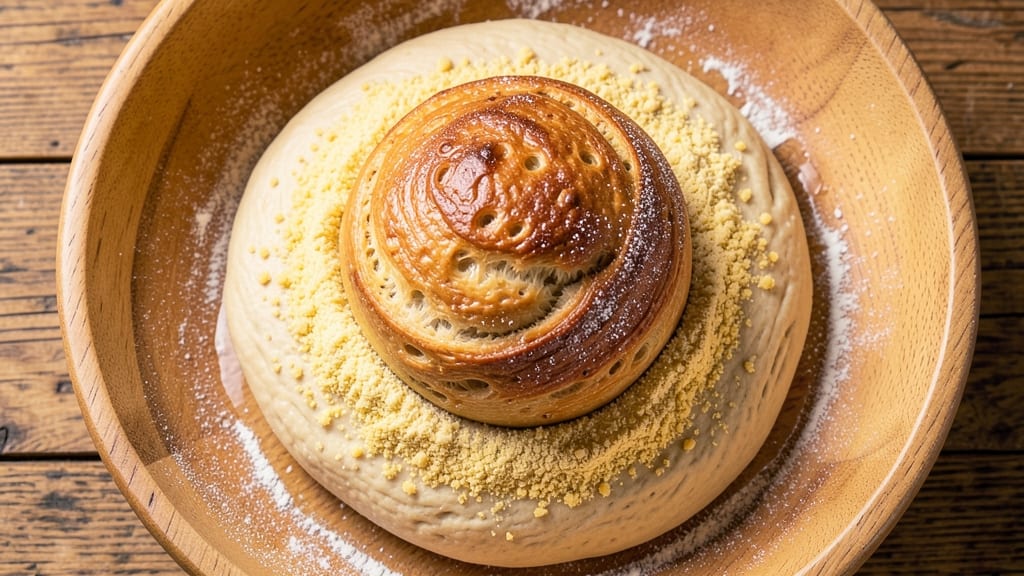
This AZ bread recipe delivers the perfect balance of crispy cornmeal crust and tender interior, elevated by herbed butter that transforms an everyday side into something extraordinary.
The secret lies in the cornmeal crust, which creates that signature crunch while keeping the center soft and pillowy—ideal for soaking up soups or wrapping around savory fillings. I developed this version after years of experimenting with traditional flatbreads, and it never fails to impress.
The beauty of this recipe is its versatility—it works as a standalone side, a wrap for sandwiches, or even a base for breakfast dishes. The herbed butter adds depth without overpowering, while the cornmeal crust gives it that distinctive texture that sets it apart from regular bread.
With just a handful of ingredients and 30 minutes of active time, you’ll have a batch ready to serve.
What makes this bread truly special is the contrast: the crispy, golden crust gives way to a tender interior that’s perfect for dipping in olive oil or pairing with hearty stews.
The herbed butter melts into every bite, adding layers of flavor that turn a simple side into the star of the meal. Once you try this version, you’ll never go back to store-bought bread again.
For those who love customization, you can easily swap in whole wheat flour for a nuttier flavor or add garlic to the butter for an extra kick. Serve warm with soup, use as a wrap, or enjoy it straight from the oven—it’s that good. Let’s get baking!
Ingredients for az bread
Four simple ingredients transform into golden, crispy bread with herbed butter magic.
| Ingredient | Amount | Notes |
|---|---|---|
| All-Purpose Flour 🌾 | 2 cups | Sifted for light texture |
| Fine Yellow Cornmeal 🌽 | ½ cup | Stone-ground preferred |
| Instant Yeast 🍞 | 1 tsp | Ensures quick activation |
| Granulated Sugar 🍚 | 1 tbsp | Feeds yeast quickly |
| Unsalted Butter 🧈 | ½ cup | Cold, cubed for dough |
| Warm Water 💧 | 1 cup | 110°F for yeast activation |
| Salt 🧂 | 1 tsp | Kosher preferred |
| Fresh Rosemary 🌿 | 1 tbsp | Finely chopped for butter |
| Fresh Thyme 🌿 | 1 tbsp | Finely chopped for butter |
| Garlic Cloves 🧄 | 2 cloves | Minced for herbed butter |
| Extra-Virgin Olive Oil 🫒 | 2 tbsp | For dough and brushing |
| Coarse Sea Salt 🧂 | 1 tbsp | For sprinkling crust |
The cornmeal is non-negotiable here—it's what gives this bread that signature crispy crust. Bob's Red Mill or King Arthur brands are my go-to for fine yellow cornmeal; avoid the pre-cooked kind. Fresh herbs make all the difference in the butter, so grab rosemary and thyme from the grocery store's produce section (they usually have them in the spice aisle too). If you can't find fresh, dried at half the amount works, but it won't be quite the same. The yeast needs to be fresh—if it's past its expiration, toss it. And for the butter, Plugrá or Land O'Lakes are reliable options, but any unsalted butter will do.
No rosemary? Fresh sage or parsley works in a pinch. Short on thyme? Dried oregano at one-third the amount gives a similar earthy note. The cornmeal can be swapped for semolina at the same quantity if you're out, though the texture will be slightly different. For the butter, if you're feeling fancy, add a pinch of smoked paprika for depth. The dough is sticky—don't fight it. Wet hands make shaping easier. And if your kitchen's humid, chill the dough 15 minutes before rolling to prevent sticking.
This bread keeps surprisingly well. Wrap it in a clean kitchen towel and store at room temperature for 2 days—it actually gets better as the crust firms up. For longer storage, freeze the unbaked dough for up to 3 months. To reheat, wrap in foil and warm in a 300°F oven for 10 minutes. The herbed butter? It'll last 1 week in the fridge, but I always use it up in 2 days—it's that good. Leftovers? Toast them for breakfast—trust me.
Why You'll Love This Recipe
- No-Knead Magic: I swear, mixing the dough takes less time than waiting for my coffee to brew. Just toss the flour, cornmeal, yeast, and a touch of sugar—no fancy techniques, just a bowl and a spoon. Honestly, the only thing requiring patience is letting it rise, and even that feels like a reward.
- Sweet & Savory Crunch: That cornmeal crust? It’s the star—crispy enough to hold up to butter or jam, but soft enough to soak up soup or chili. The sugar in the dough caramelizes just enough to give it this subtle, addictive sweetness that makes it taste like a treat, not just bread.
- Weeknight & Picnic Hero: Between us, this bread is my go-to for everything: toast for breakfast, sandwiches at lunch, and dinner rolls that disappear faster than I can say "second helping." Freeze half the batch—thawed slices toast up like fresh, and it’s the perfect side for potlucks or tailgates.
- Budget-Friendly Staple: A single batch feeds my family for days—leftovers turn into croutons, French toast, or bread pudding. Butter and sugar are the only splurges, but the cornmeal keeps costs low while adding that irresistible texture. Not the prettiest, but the taste makes up for it every time.
Step-by-step instructions for Az bread recipe
Here's how to create a golden, crispy crust with herbed butter magic inside.
Mix the Dough with Perfect Texture
In a large mixing bowl, combine the 2 cups all-purpose flour, 0.5 cup fine yellow cornmeal, 1 tsp instant yeast, and 1 tbsp granulated sugar. Whisk gently to distribute the dry ingredients evenly. This creates the perfect foundation for our bread's structure.
In a separate small bowl, cut the 0.5 cup unsalted butter into small cubes and mix with the 1 tbsp finely chopped fresh rosemary, 1 tbsp finely chopped fresh thyme, and 2 minced garlic cloves. Rub the mixture between your fingers to create a fragrant herbed butter paste. This will become the bread's flavor heart.
Make a well in the center of your dry ingredients and add 1 cup warm water (around 110°F) and 1 tsp salt. Gradually mix everything together with a wooden spoon until a shaggy dough forms. The dough should be soft but not sticky - if it's too dry, add 1 teaspoon more warm water.
Knead and Rest for Maximum Rise
Transfer the dough to a lightly floured surface and knead for about 5 minutes until smooth and elastic. You'll know it's ready when it springs back slowly when pressed. This kneading develops the gluten that gives our bread its satisfying chew.
Lightly brush a medium bowl with 1 tablespoon of the extra-virgin olive oil, place the dough inside, cover with a damp kitchen towel, and let it rise in a warm place for 1 to 1.5 hours. The dough should nearly double in size - this resting period allows the yeast to activate fully and creates that airy interior we want.
Shape and Prepare for Crispy Crust
Punch down the risen dough to release any air bubbles, then divide it into 4 equal portions. Gently shape each portion into a round loaf about 3 inches in diameter. Place them on a parchment-lined baking sheet, leaving about 2 inches between each loaf for even browning.
Brush the tops of each loaf with the remaining 1 tablespoon extra-virgin olive oil, then sprinkle generously with the 1 tablespoon coarse sea salt. This creates that beautiful crust texture we're after. Let the loaves rest uncovered for 15 minutes while you preheat your oven to 425°F.
Bake to Golden Perfection
Bake the loaves in the preheated oven for 20-25 minutes until they're golden brown and sound hollow when tapped on the bottom. The interior temperature should reach 190°F. This baking time ensures we get that perfect balance of crispy exterior and soft interior.
For the final touch, transfer the baked loaves to a wire rack and let them cool for at least 10 minutes before serving. This resting period allows the steam inside to redistribute, making each slice even more tender. The crust should be crispy enough to stand up to a knife, while the interior remains soft and pillowy.
Serve with Herbed Butter Magic
Slice the cooled loaves and serve warm. The crispy cornmeal crust should contrast beautifully with the soft, herbed butter-infused interior. For an extra special touch, serve with additional herbed butter on the side - simply mix any remaining herbed butter with a bit of softened butter if needed.
This bread makes a perfect companion for soups, salads, or even as a base for sandwiches. The combination of crispy crust and herbed butter creates a flavor experience that's truly special. Enjoy your homemade Az Bread!
Pro Tips For Making Az Bread
- Chill the Dough: DESCRIPTION: Let the dough rest in the fridge overnight—yes, even if you’re eager to bake. I used to rush this step, and my bread turned out dense and gummy. Cold fermentation develops deeper flavor and a better crumb, plus it makes shaping easier.
- Toast the Cornmeal: DESCRIPTION: Lightly toast the fine yellow cornmeal in a dry pan for 2-3 minutes before mixing it in. This step adds a nutty depth and prevents the bread from tasting raw. (No, you don’t need to burn it—just warm it until it smells toasty.)
- Measure Butter Cold: DESCRIPTION: Use unsalted butter straight from the fridge—no softening needed. Cut it into small cubes and work it into the dough with your hands. Warm butter melts too fast, making the texture greasy instead of tender.
- Skip the Over-Kneading: DESCRIPTION: This dough doesn’t need a lot of handling—just mix until the ingredients come together, then let it rest. Overworking it makes the cornmeal turn to paste, and your bread will end up tough. Trust the recipe’s timing.
Make-ahead tips for leftovers
Dough Prep Ahead
Save time by mixing the dough up to 24 hours ahead and refrigerating it in an airtight container. The cold slows fermentation, giving you more control over rise time when you're ready to bake.
I like to shape the dough into loaves the night before, then let it rise at room temperature in the morning for 1 hour before baking—this ensures perfect texture without rushing. 📅
Freeze Unbaked Dough
For maximum flexibility, freeze the unbaked dough balls in a single layer on a parchment-lined tray for 1 hour, then transfer to a freezer bag for up to 3 months. Thaw overnight in the fridge before shaping and rising.
The cold dough handles better when shaping and gives a slightly denser but still delicious result. I always label my freezer bags with the date to track freshness. ❄️
Herbed Butter Prep
Make the herbed butter up to 5 days ahead and store it in an airtight container in the fridge. The flavors meld beautifully over time, intensifying with each passing day. I like to portion it into small ramekins for easy serving.
If the butter hardens, let it sit at room temperature for 10 minutes before using—it softens perfectly for spreading. 🧈
Bake from Frozen
For a true shortcut, shape the dough into loaves, freeze them solid (about 2 hours on a tray), then store in a freezer bag. When ready to bake, preheat your oven to 425°F and bake straight from frozen for 25-30 minutes, adding 5 minutes if your oven runs hot.
The crust may need a little extra time to crisp up, but the interior stays perfectly tender. 🔥
Reheat Leftovers
Warm sliced bread in a 350°F oven for 5-7 minutes to restore that fresh-baked texture. For a quick fix, wrap slices in a damp paper towel and microwave on 50% power for 20 seconds.
The cornmeal crust stays crispy when reheated properly, while the interior remains soft and flavorful. I often reheat slices for breakfast with extra herbed butter. 💡
Storage Hacks
Keep baked loaves at room temperature in a bread box or cotton towel-lined basket for 2 days—the towel absorbs excess moisture while keeping the crust crisp. For longer storage, slice the bread and freeze individual portions in airtight bags.
Toast frozen slices directly from the freezer for a crispy, warm treat in minutes. This method preserves that signature cornmeal crunch perfectly. 🌾
Nutrition facts
Frequently asked questions
What makes this AZ bread different from regular flatbread?
The signature difference is the cornmeal crust that creates a crispy, golden exterior while keeping the interior tender. Unlike traditional flatbreads, this recipe incorporates herbed butter mixed directly into the dough, giving it rich flavor in every bite. The combination of yeast-leavened dough and cornmeal creates that perfect texture contrast you won't find in most flatbreads.
Can I make this bread without cornmeal?
Yes! Swap the ½ cup cornmeal for ½ cup semolina or all-purpose flour if needed. The texture will be slightly less crispy, but the herbed butter flavor will still shine. For a nuttier taste, try ½ cup whole wheat flour instead. The key is maintaining the same total flour volume in your recipe.
How do I prevent the crust from getting too thick?
Keep your dough balls 3 inches in diameter and bake on a parchment-lined sheet with 2 inches between loaves. Avoid overcrowding the pan, and brush the tops with olive oil before baking to promote even browning. If the crust browns too quickly, tent with foil after 15 minutes to prevent over-browning while keeping the interior soft.
What's the best way to serve this bread?
This bread excels as a soup dipper, sandwich wrap, or breakfast toast. Warm slices pair perfectly with olive oil and balsamic vinegar, or use as a base for grilled cheese. The herbed butter makes it ideal for pairing with hearty stews or salads too. For a fun twist, try using it as a pizza crust with minimal toppings.
Can I make this gluten-free?
For a gluten-free version, replace the all-purpose flour with a 1:1 gluten-free baking flour blend (like Bob's Red Mill) and add ½ tsp xanthan gum to improve texture. The cornmeal can stay the same, but expect a slightly denser result. Keep in mind the gluten-free dough may not rise as much, so shape loaves slightly thicker (3.5 inches diameter) for better structure.