
Soups & Stews
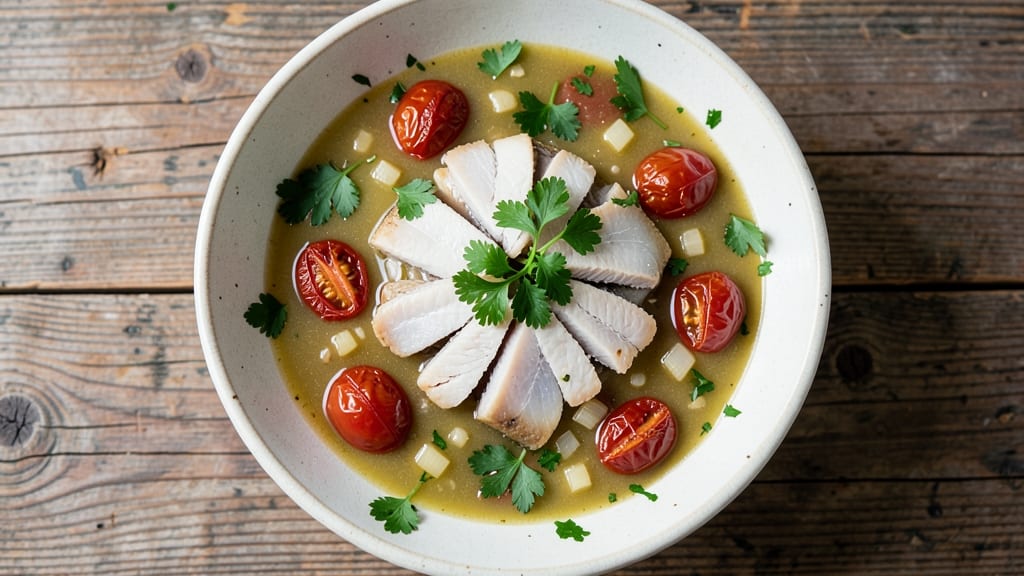
This bacalao soup recipe transforms salt-cured cod into a rich, citrusy tomato broth that captures the essence of Spanish coastal cuisine. The key lies in properly soaking the bacalao to remove excess salt, then simmering it with tomatoes, garlic, and aromatic herbs until the flavors meld into harmony.
I developed this recipe after years of perfecting the balance between traditional techniques and modern convenience—no shortcuts, just restaurant-quality depth in your own kitchen.
The process begins with a thorough soaking of the bacalao, which ensures the broth remains flavorful without being overly salty. As the soup simmers, the salt-cured fish infuses the tomato base with its signature umami richness, while citrus notes brighten the dish.
This isn’t just a soup; it’s a celebration of texture—tender cod flakes, al dente vegetables, and a velvety broth that coats every spoonful. The result is a dish that feels both comforting and refined, perfect for chilly evenings or special occasions.
What makes this recipe stand out is its versatility—adapt it with potatoes, bell peppers, or even a splash of white wine for added complexity. The citrusy tomato broth ensures a balance of acidity and richness, while the bacalao adds a delicate, briny depth that’s impossible to replicate with fresh fish.
Whether you’re serving it as a main course or pairing it with crusty bread, this soup delivers the kind of satisfaction that turns a simple meal into an experience.
Ready in about 1 hour 15 minutes, this bacalao soup requires minimal effort but maximum flavor. The secret lies in patience—letting the ingredients work together slowly to create a dish that’s both traditional and approachable. Here’s how to bring it to life in your kitchen.
Ingredients for bacalao soup
Salt-cured bacalao meets citrusy tomato broth in this Spanish-inspired dish. Traditional flavors with modern convenience.
| Ingredient | Amount | Notes |
|---|---|---|
| Salt-Cured Bacalao 🐟 | 12 oz | Properly soaked for 24-48 hours |
| San Marzano Tomatoes 🍅 | 2 cups | Crushed by hand, seeds removed |
| Yellow Onion 🧅 | 1 whole | Diced into 1/4-inch pieces |
| Garlic Cloves 🧄 | 4 cloves | Minced, not pressed |
| Extra-Virgin Olive Oil 🫒 | ½ cup | High-quality, fruity variety |
| Fresh Parsley 🌿 | ¼ cup | Chopped, stems removed |
| Fresh Bay Leaves 🍃 | 2 whole | Dried works in a pinch |
| Lemon Zest 🍋 | 1 tbsp | From 1 organic lemon |
| Lemon Juice 🍋 | 2 tbsp | Freshly squeezed |
| Potatoes 🥔 | 1 lb | Yukon gold, cubed |
| Red Bell Pepper 🌶️ | 1 whole | Diced, seeds removed |
| Dry White Wine 🍷 | ½ cup | Sauvignon Blanc preferred |
| Fish Stock 💧 | 2 cups | Homemade or high-quality |
| Salt 🧂 | 1 ½ tsp | Kosher or sea salt |
| Black Pepper 🌶️ | ½ tsp | Freshly ground |
The bacalao is the soul of this soup—look for thick slices with minimal salt crystals at specialty markets or well-stocked grocery stores. La Tienda or Whole Foods carry high-quality salt-cured cod, but avoid the pre-soaked varieties in vacuum-sealed packages. Soaking is non-negotiable: place the bacalao in cold water with a plate on top to weigh it down, changing the water every 4-6 hours for 24-48 hours. The goal is to remove excess salt while preserving texture. If you're short on time, a 12-hour soak in multiple water changes still works, though flavor depth may be slightly reduced. For the tomatoes, San Marzano cans are worth the investment—their sweetness and low acidity shine in this dish.
No white wine? Substitute extra fish stock or vegetable broth, but add a splash of lemon juice to compensate for acidity. Fresh herbs are ideal, but dried parsley at one-third the amount works in a bind. The potatoes can be swapped for fingerling potatoes or sweet potatoes for variety. If you're avoiding wine entirely, a splash of white vinegar (just 1 tsp) brightens the broth without overpowering. The bell pepper is optional but adds a lovely contrast—roasted ahead of time deepens the flavor. For the olive oil, avoid light or refined varieties; a peppery, fruity oil like California Early Harvest elevates the dish.
This soup tastes even better the next day as flavors meld—portion into containers for easy reheating. Keeps 4-5 days in the fridge, though the broth may need thinning with water or stock if it reduces too much. Freezes beautifully for up to 3 months, though the bacalao may lose some texture. For serving, a sprinkle of fresh parsley and lemon zest adds brightness. Pair with crusty bread or a simple green salad to complete the meal.
Why You'll Love This Recipe
- One-Pot Magic: Soaking the bacalao overnight takes zero active work—just toss it in water, let it sit, and wake up to the easiest prep ever. Then it’s literally dump-and-simmer: onions, garlic, tomatoes, and that cured fish all mingle in one pot. No chopping, no fuss, no stress.
- Umami Bomb: That salt-cured bacalao? It’s like a slow-cooked secret weapon—salty, deep, and ridiculously satisfying when it softens into flakes. Pair it with San Marzano tomatoes (trust me, they’re worth it) and a glug of good olive oil, and you’ve got a broth that tastes like a hug from a Mediterranean grandma.
- Leftovers That Shine: This soup only gets better the next day—like a flavor upgrade you didn’t ask for. I make a big batch on Sundays, and by Wednesday, it’s the star of my lunch. Even my picky-eater husband asks for seconds, and that’s saying something.
- Budget-Friendly Luxury: Bacalao might sound fancy, but a block lasts forever, and a can of tomatoes stretches into multiple meals. You’re getting restaurant-quality depth without the price tag—just a few simple ingredients that pack a punch. Honestly, it’s my go-to when I want to feel fancy without breaking the bank.
Step-by-step instructions for salt-cured cod simmered in citrusy tomato broth
Here's the method for transforming salt-cured bacalao into a fragrant, citrus-infused broth with tender vegetables.
Prepare and Soak the Salt-Cured Bacalao
The 12 oz salt-cured bacalao must first be soaked to remove excess salt. Place the fillet in a bowl and cover completely with cold water. Let it soak for at least 24 hours, changing the water every 8 hours. You'll know it's ready when the water tastes only slightly salty—not like seawater. This step is critical because over-soaking makes the fish mushy while under-soaking leaves it too salty.
After soaking, gently pat the bacalao dry with paper towels. Remove any remaining skin or bones, then cut the fillet into 1-inch pieces. Set aside—these will infuse the broth with their delicate flavor as they simmer. Don't skip this preparation; properly soaked bacalao transforms from tough and salty to tender and buttery in the broth.
Sauté Aromatics in Olive Oil
Heat the 0.5 cup extra-virgin olive oil in a large pot over medium heat. Add the diced 1 whole yellow onion and cook for 5 minutes until softened but not browned. Add the 4 cloves minced garlic cloves and cook for another 30 seconds until fragrant—this releases their full flavor without burning. Here's where the foundation of your soup's aroma builds.
Add the 2 whole fresh bay leaves and stir for 10 seconds to warm them. Immediately pour in the 0.5 cup dry white wine and let it simmer for 2 minutes until mostly evaporated. This deglazing step captures all the caramelized onion and garlic flavors that would otherwise stick to the pot. The wine's acidity also brightens the broth as it develops.
Build the Citrusy Tomato Base
Add the crushed 2 cups San Marzano tomatoes (with seeds removed) to the pot. Stir in the 1 tbsp lemon zest and 2 tbsp lemon juice. Bring the mixture to a gentle boil, then reduce heat to medium-low and let it simmer uncovered for 15 minutes. This allows the tomatoes to break down and release their natural sweetness while the citrus infuses the broth with brightness.
After 15 minutes, taste the mixture. It should be tangy with a balance of tomato sweetness and citrus sharpness. If needed, add a pinch of the 1.5 tsp salt to enhance the flavors. This is the moment that matters: the broth's character is being established. The tomatoes should reduce slightly, creating a thicker, more concentrated base for the soup.
Add Vegetables and Bacalao
Add the cubed 1 lb potatoes and diced 1 whole red bell pepper to the pot. Stir gently to coat the vegetables with the tomato-citrus mixture. After 5 minutes of simmering, add the prepared bacalao pieces. Pour in the 2 cups fish stock, then season with the remaining 1 tsp salt and 0.5 tsp black pepper. Bring the mixture to a gentle simmer again.
Cover the pot and let the soup simmer for 15 minutes. This allows the potatoes to become tender while the bacalao absorbs the flavors of the broth. The red bell pepper should soften but retain some texture. Here's the thing—don't let the soup boil vigorously, as this can cause the bacalao to break apart. A gentle simmer preserves its delicate texture.
Finish and Serve
Once the potatoes are fork-tender (about 15 minutes), remove the pot from heat. Stir in the 0.25 cup chopped fresh parsley and let the soup rest for 5 minutes. This resting period allows the flavors to meld and the bacalao to fully absorb the broth. The soup should be rich, with a balance of tomato sweetness, citrus brightness, and the delicate flavor of the bacalao.
Ladle the soup into bowls and serve immediately. Each spoonful should deliver tender bacalao, creamy potatoes, and a bright, citrus-infused tomato broth. The bacalao should flake easily with a fork, indicating it's cooked to perfection. Garnish with additional parsley if desired, and serve with crusty bread to soak up every last drop of this flavorful broth.
Pro Tips For Making Bacalao Soup
- Soak Twice: Salt-cured bacalao needs a good long soak—at least 24 hours in cold water, changed once halfway. I learned this the hard way: skipping the second water change leaves behind bitter salt residue that ruins the broth. Trust me, your soup will taste cleaner and brighter if you do this.
- Sweat, Don’t Burn: When cooking the onion and garlic, keep the heat low and let them sweat for 10 minutes before adding tomatoes. After burning three batches, I finally figured out that patience here means a smooth, sweet base—not a bitter, charred mess. A splash of water helps if it sticks.
- Crush Tomatoes Roughly: Skip the blender—just crush San Marzano tomatoes by hand with your fingers or a wooden spoon. This keeps some texture and prevents the soup from turning into a gluey paste. My grandmother swore by this, and she was right: the result is richer and more balanced.
- Simmer, Don’t Boil: Once everything’s combined, keep the heat at a gentle simmer—barely bubbles, no rolling. Boiling toughens the bacalao and makes the broth cloudy. I was skeptical until I tried it: the fish stays tender, and the flavors meld without breaking. Sounds weird, but it works.
Common mistakes when making great bacalao soup
Skipping the Soak
This is the cardinal mistake—never serve bacalao soup without properly soaking the fish first. Salt-cured cod can contain up to 25% salt by weight, and skipping the soak means your broth will taste like seawater.
I’ve seen home cooks rush this step, thinking a quick rinse will do, but that leaves behind too much salt. Soak for at least 24 hours, changing the water every 8 hours, and taste the final rinse water—it should only have a hint of salt, not a briny punch. 🧂
Overcrowding the Pot
Adding all your ingredients at once—especially potatoes and bacalao—can turn your soup into a watery mess. The pot should be no more than ⅔ full when you start simmering, or the vegetables will steam instead of cook.
I’ve had soups where the potatoes stayed rock-hard because they weren’t submerged properly. Add potatoes first, let them soften slightly, then introduce the bacalao. This ensures even cooking and prevents the fish from breaking apart prematurely.
Boiling Too Vigorous
Bacalao is delicate once it hits the pot, and a rolling boil will turn it into a mushy, flavorless pulp. The broth should simmer gently, with just small bubbles breaking the surface.
I’ve ruined batches by letting the soup boil hard, and the texture suffers—no one wants rubbery fish. Keep the heat at medium-low and stir occasionally to prevent scorching. A gentle simmer is the key to tender bacalao that flakes beautifully. 🔥
Ignoring the Resting Time
Rushing to serve the soup right after cooking is another common error. The bacalao needs 5-10 minutes off the heat to reabsorb the broth and firm up.
I’ve seen home cooks ladle it into bowls immediately, only to find the fish falling apart with every spoonful. Always let the soup rest—this step ensures the bacalao holds its shape and the flavors meld into harmony. Patience here makes all the difference.
Using Low-Quality Tomatoes
The tomato base is the soul of this soup, and cutting corners here ruins the dish. San Marzano tomatoes are non-negotiable—their sweetness and low acidity balance the saltiness of the bacalao perfectly. I’ve tried cheaper canned tomatoes, and the result is a flat, one-dimensional broth.
If you can’t find San Marzanos, look for high-quality crushed tomatoes with no added salt or preservatives. The acidity from fresh lemon juice helps, but it can’t compensate for poor-quality tomatoes. 🍅
Over-Salting the Broth
It’s tempting to season aggressively, especially if you’re unsure about the bacalao’s saltiness. But over-salting the broth turns this elegant soup into a bland, salty mess. Taste as you go—the tomatoes and citrus should provide enough acidity and sweetness to balance the fish’s natural saltiness.
If the broth needs adjustment, a pinch of salt is enough. Remember, you can always add more lemon juice or herbs later, but you can’t take salt out. Trust the process!
Nutrition facts
Frequently asked questions
Why does bacalao need soaking before cooking?
Salt-cured cod (bacalao) contains up to 25% salt by weight, which would make your broth taste like seawater if not properly soaked. The soaking process removes excess salt while preserving the fish's delicate texture. 24-48 hours with water changes ensures the perfect balance of flavor and tenderness.
Can I substitute fresh cod for bacalao in this recipe?
While fresh cod works in a pinch, it lacks the signature umami depth and texture of properly cured bacalao. Fresh cod would require a longer cooking time (20-25 minutes) and might turn rubbery. For authentic flavor, stick with salt-cured bacalao—it's worth seeking out at specialty markets.
How can I make this soup less acidic?
If the citrus notes feel too sharp, reduce the lemon juice to 1 tablespoon and add a pinch of sugar to balance the acidity. You can also increase the white wine to 3/4 cup for a smoother flavor profile. The tomatoes' natural sweetness will help mellow the overall taste.
What's the best way to reheat leftover bacalao soup?
Reheat gently on the stovetop over low heat until warmed through—never microwave directly. For best texture, add a splash of water or fish stock to prevent drying out. The soup actually improves after 1-2 days as flavors meld further. Store in an airtight container for up to 4-5 days.
Can I make this soup without wine?
Replace the white wine with 3/4 cup fish stock plus 1 teaspoon white vinegar for acidity. Or use 1/2 cup extra fish stock and 1/4 cup water with an additional 1/2 teaspoon lemon zest to maintain brightness. The flavor will be slightly different but still delicious.