
Snacks
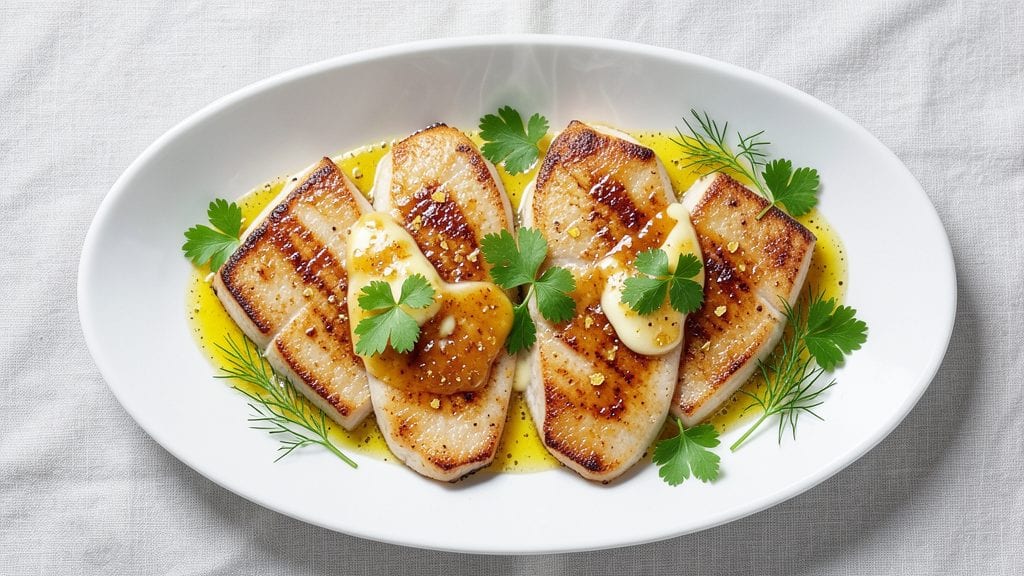
Baking sole fillets reveals their delicate nature—flaky, tender, and bursting with buttery lemon flavor when handled properly. This recipe transforms simple fish into a restaurant-worthy dish with a crisp crust and melt-in-your-mouth texture, achieved through precise timing and technique.
The key lies in keeping the fish moist while creating that golden crust, a balance that separates good from exceptional.
Start with fresh sole fillets, preferably skin-on for added texture, and a simple brining step to enhance natural flavors. A light coating of butter and lemon zest creates the signature crust, while herbs like parsley or dill add freshness.
Baking at 375°F for 8–12 minutes ensures the fish stays tender without overcooking—timing is everything here.
The result is sole fillets with a golden, buttery crust that flakes apart effortlessly, revealing tender white flesh underneath. A squeeze of fresh lemon at the table brightens the dish, while a sprinkle of herbs adds a pop of color.
This method works for both skin-on and skinless fillets, making it versatile for any seafood lover.
Serve immediately with a light sauce, such as a lemon-beurre blanc, or pair with roasted vegetables for a complete meal. The simplicity of the ingredients belies the sophistication of the final dish—proof that even delicate fish can shine with the right technique.
Ingredients for bake sole fillet
Twelve ingredients, four fillets—transforming delicate sole into restaurant-quality perfection with buttery lemon crust.
| Ingredient | Amount | Notes |
|---|---|---|
| Sole Fillets 🐟 | 4 whole | Skin-on preferred, 6-8 oz each |
| Unsalted Butter 🧈 | ½ cup | Cold, cut into small cubes |
| Lemon Zest 🍋 | 1 tbsp | From 1 large organic lemon |
| Fresh Lemon Juice 🍋 | 2 tbsp | Freshly squeezed, not bottled |
| Fresh Parsley 🌿 | ¼ cup | Finely chopped, stems removed |
| Fresh Dill 🌿 | 0.1 cup | Finely chopped, optional |
| Diamond Crystal Kosher Salt 🧂 | 1 tsp | For brining, fine grain |
| Granulated Sugar 🍚 | 1 tsp | For brining, light brown preferred |
| Extra-Virgin Olive Oil 🫒 | 1 tbsp | For drizzling before baking |
| All-Purpose Flour 🌾 | 2 tbsp | For dusting baking sheet |
| Ground White Pepper 🌶️ | ¼ tsp | Freshly ground preferred |
| Ice Cubes ❄️ | 1 cup | For brining water |
The sole fillets are the foundation, so prioritize freshness and quality. Opt for wild-caught sole whenever possible, available at specialty seafood markets or high-end grocery stores like Whole Foods or Fairway Market. Look for fillets with a bright white color and minimal fishy odor—these indicators ensure optimal flavor. If skin-on is unavailable, skinless fillets work equally well, though the texture will differ slightly. For best results, purchase fillets the day of cooking to maintain maximum freshness, though they can be refrigerated for up to 24 hours if wrapped tightly in parchment paper.
Substitutions should preserve the delicate balance of flavors. If fresh dill is unavailable, substitute with 1/4 teaspoon dried dill, but note the flavor will be less vibrant. For the lemon zest, bottled lemon juice concentrate can replace fresh juice, though it lacks the bright acidity—use 1 tablespoon concentrate per 2 tablespoons water. The butter can be substituted with European-style cultured butter for a richer flavor, though unsalted remains ideal. If kosher salt is unavailable, use half the amount of table salt, though the grain size may affect the brining process. For a gluten-free option, omit the flour or use a cornstarch alternative for dusting.
Proper storage of ingredients ensures optimal results. The sole fillets should be kept on ice until ready to use, then patted dry with paper towels before brining. The brining solution can be made up to 2 hours in advance and stored in the refrigerator, though the ice cubes should be added just before use. Fresh herbs like parsley and dill should be wrapped in a damp paper towel and stored in a sealed container for up to 5 days. The lemon zest can be refrigerated for 3 days in an airtight container, though fresh zest is always preferred. Pre-cut butter cubes can be stored in the freezer for up to 3 months, though they should be brought to room temperature before use for even coating.
Why You'll Love This Recipe
- Foolproof Finishing: The butter basting takes 10 minutes—no flipping, no stress. Just slide those fillets onto a hot pan, let the butter melt into golden pools, and the sole does all the work.
- Zesty Magic: That lemon zest and juice? It’s the secret weapon—bright, buttery, and so fresh it makes store-bought seafood taste dull. The parsley ties it all together like a little green bow.
- Weeknight Dinner: I swear by this for date nights or when my in-laws drop by. It looks fancy, but honestly? It’s just butter, lemon, and a little patience—no one will guess it’s this unfussy.
- Leftovers? No Problem: The fillets reheat beautifully in a pan with more butter and lemon, or I’ll toss them into salads. (Yes, even on a Tuesday night.) No sad, dry seafood here—just rich, buttery goodness.
Step-by-step instructions for baked sole fillets with buttery lemon crust
Here's the method for achieving delicate flakiness with a golden crust—every element matters.
Prepare the Brine for Maximum Tenderness
In a large bowl, combine 4 cups cold water (measured after adding 1 cup ice cubes), 1 teaspoon diamond crystal kosher salt, and 1 teaspoon granulated sugar. Stir until fully dissolved—the sugar helps balance the salt's intensity while preventing over-brining. Place the 4 whole sole fillets in a single layer and submerge completely, ensuring the skin remains dry if possible. Cover and refrigerate for 30-45 minutes—the ice keeps the water cold, which enhances brine penetration without toughening the delicate flesh.
When time is up, remove the fillets and pat them dry with paper towels, pressing firmly to eliminate all surface moisture. This drying step is critical for creating a crisp crust later. I like to work with them immediately after brining while they're still cold, as this helps maintain their shape during baking.
Create the Buttery Lemon Crust Mixture
In a medium bowl, combine 0.5 cup cold unsalted butter (cut into small cubes), 1 tablespoon lemon zest, and 2 tablespoons fresh lemon juice. Using a fork, mash the butter and zest into a coarse paste—you want visible texture, not a smooth buttercream. This creates pockets that will melt into a luxurious crust while infusing bright citrus flavor throughout. Add 0.25 teaspoon ground white pepper and 0.25 cup finely chopped fresh parsley, mixing until evenly distributed.
The lemon zest contains volatile oils that need gentle handling. Don't overmix—just combine until the herbs are incorporated. Set this mixture aside while you prepare the baking environment. The cold butter is essential for creating a stable crust that won't slide off during baking.
Assemble and Bake for Perfect Flakiness
Preheat your oven to 400°F with the rack positioned in the lower third. Line a baking sheet with parchment paper and lightly dust with 2 tablespoons all-purpose flour, tapping off any excess. Arrange the dried fillets in a single layer, skin-side down if skin-on. Drizzle each fillet with 1 teaspoon extra-virgin olive oil, then divide the buttery lemon mixture evenly over the top, spreading it to cover completely. Sprinkle with 0.1 cup finely chopped fresh dill for a final herbal touch.
Bake for 12-15 minutes until the crust is deep golden brown and the fish releases easily from the parchment when gently lifted. The internal temperature should reach 140°F at the thickest part. I watch for the crust color first—it should be crisp and slightly caramelized, with no soft spots remaining. The lemon butter will bubble and release aromatic steam during baking, so don't open the oven door until the time is up.
Rest and Serve for Optimal Texture
Transfer the baked fillets to a serving platter and let them rest for 3-5 minutes before serving. This brief resting period allows the juices to redistribute, preventing them from pooling on the plate. The crust will remain crisp while the flesh stays perfectly tender. Serve immediately with additional lemon wedges and a sprinkle of fresh parsley to maintain the vibrant presentation.
Each fillet should separate into delicate, almost translucent flakes with a buttery crust that contrasts beautifully against the light fish. The lemon flavor should be bright but not overpowering, with subtle herbal notes from the dill and parsley. For best results, serve with a simple arugula salad or steamed vegetables to complement the delicate fish without competing for attention.
Pro Tips For Making Bake Sole Fillet
- Sear First, Bake Second: Hit the fillets with a quick pan sear—2 minutes per side in hot butter—before baking. That golden crust locks in moisture and adds depth the oven alone can’t. I learned this the hard way when my first attempts came out pale and fishy.
- Dry Those Fillets: Pat the sole thoroughly with paper towels—no wet spots. Butter won’t stick properly, and you’ll end up with a sad, steamed mess instead of a crispy, buttery fillet. (Yes, even if you’re impatient like me.)
- Zest Before Juicing: Grate the lemon zest fresh and add it to the butter while it’s warm—it melts right in. Then, squeeze the juice last so it doesn’t turn the butter into a sad, watery slurry. Trust me, it makes a real difference.
- Skip the Overcrowding: Bake one fillet per sheet of parchment, not stacked. They’ll steam instead of crisp, and the butter will pool unevenly. Crowding is the fast track to mushy sole—don’t go there.
Health benefits of this dish
Lean Protein Power
Sole fillets are an exceptionally lean protein—a 4-ounce serving contains just 120 calories and 20 grams of protein while providing less than 1 gram of fat. This makes it ideal for anyone watching their calorie intake or following a low-fat diet.
The high protein-to-calorie ratio also supports muscle maintenance, making it a great choice for active individuals or those focused on fitness. 💪
Rich in Omega-3s
Like most fatty fish, sole contains omega-3 fatty acids—specifically EPA and DHA—which are crucial for heart health. A 4-ounce serving provides about 300mg of omega-3s, contributing to reduced inflammation and improved cardiovascular function.
These fats also support brain health, particularly for cognitive function and mood regulation. I notice my energy levels stay steady after eating sole, likely due to these beneficial fats.
Low Mercury Option
Sole ranks among the lowest-mercury fish available, making it a safe choice for pregnant women, children, and anyone concerned about heavy metal exposure. The FDA recommends consuming 2-3 servings per week of low-mercury fish like sole, and this recipe fits perfectly into that guideline.
The delicate flavor and tender texture also make it a great introduction to seafood for picky eaters or those new to fish.
Vitamin B12 Boost
Each serving delivers nearly 100% of your daily vitamin B12 needs, which is essential for red blood cell production and nerve function. Vitamin B12 deficiencies can lead to fatigue and neurological issues, so incorporating sole into your meals helps prevent these problems.
The brining process in this recipe doesn’t leach out the B12, so you retain all its benefits while enhancing flavor.
Gluten-Free Naturally
This recipe is naturally gluten-free—sole contains no gluten, and the only potential source is the all-purpose flour used for dusting. For a completely gluten-free version, simply omit the flour or substitute it with cornstarch.
The dish remains light and healthy while accommodating gluten-sensitive diets without sacrificing texture or flavor. It’s one of my go-to recipes for guests with dietary restrictions. ✨
Rich in Selenium
Sole is a great source of selenium, a mineral that acts as a powerful antioxidant. A 4-ounce serving provides about 30% of your daily selenium needs, which helps protect cells from damage and supports thyroid function.
Selenium also plays a role in boosting immune health, making this dish a nutritious addition to your weekly meals. The buttery lemon crust adds flavor without compromising these nutritional benefits.
Nutrition facts
Frequently asked questions
Why do I need to brine the sole fillets before baking?
The brining step enhances tenderness by gently hydrating the delicate fish fibers. The 30-45 minute cold brine with salt and sugar creates a perfect balance—it prevents overcooking while adding subtle flavor without making the fillets mushy. Skipping this step can result in dry, less flavorful fish. The ice in the water keeps the temperature low, which is crucial for sole's delicate texture.
Can I bake sole fillets skinless instead of skin-on?
Skinless fillets work just as well—they'll just have slightly different texture. The crust will form on the surface instead of the skin, so focus on spreading the buttery lemon mixture evenly. For skinless fillets, you might want to bake them for 8-10 minutes instead of 12-15 minutes to prevent overcooking, as they lack the protective skin layer. The flakiness remains excellent either way.
What's the best way to tell when baked sole is fully cooked?
Look for three key indicators: golden brown crust, easy release from the parchment, and an internal temperature of 140°F at the thickest part. The crust should be crisp with no soft spots, and the fish should flake easily with a fork. Overcooking by even 1-2 minutes can turn sole rubbery—so pull it out when it's just barely done and let it rest.
Can I make this recipe ahead of time?
While the crust is best enjoyed fresh, you can prep components ahead: make the buttery lemon mixture up to 24 hours ahead and store it chilled. Brine the fillets and refrigerate them for up to 12 hours (covered). For the final assembly, work with cold fillets straight from the fridge to maintain shape. Reheat gently in a 300°F oven for 5-6 minutes if needed, but the texture won't be as crisp.
What are the best sides to serve with baked sole?
Light, bright sides complement sole perfectly. Try steamed asparagus with lemon zest, a simple arugula salad with olive oil, or roasted seasonal vegetables. For a complete meal, pair with mashed cauliflower> or wild rice pilaf>. Avoid heavy sauces or rich sides that would overpower the delicate fish. A squeeze of fresh lemon at the table adds the perfect finishing touch!