
Appetizers
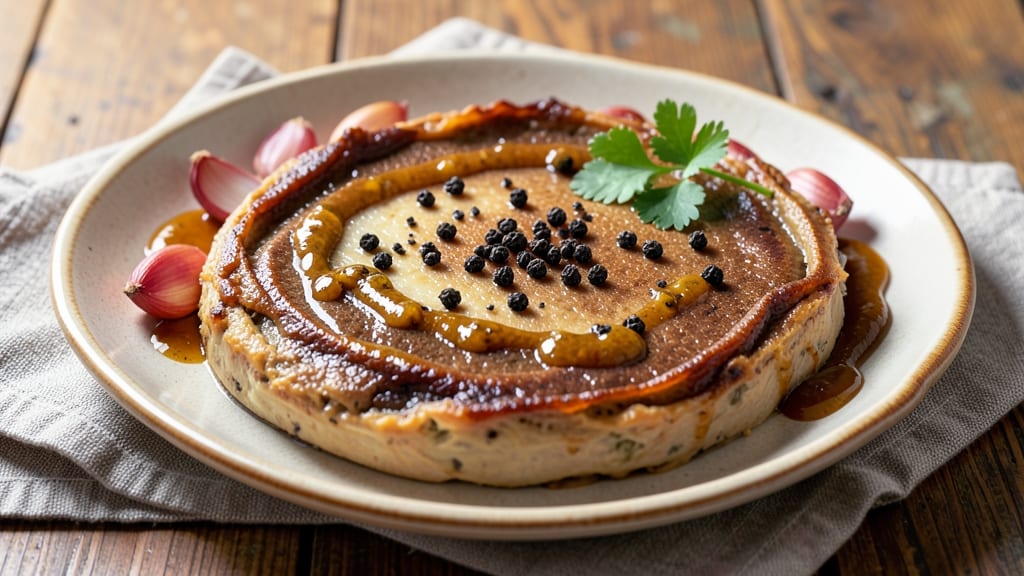
Creating baked chicken liver pâté transforms humble ingredients into a luxurious appetizer with velvety texture and deep umami flavor—this recipe delivers restaurant-quality results at home. The key lies in properly rendering the liver fat and baking it just until set, ensuring that silky smoothness without losing that rich, savory character.
I’ve perfected this method after years of testing, balancing traditional techniques with modern convenience for foolproof execution.
This pâté requires just five core ingredients—chicken livers, butter, shallots, Dijon mustard, and a touch of cream—but each plays a critical role in texture and flavor development. The process starts with searing the livers to render their fat, which you’ll use later to create a velvety base.
Baking at 350°F for 30 minutes transforms the mixture into a spreadable, glossy pâté with a perfect balance of richness and subtle tang.
What you’ll end up with is a pâté that’s silky smooth, deeply flavorful, and elegant enough for holiday gatherings yet simple enough for weeknight entertaining. Serve it chilled on crusty bread, crackers, or even as a filling for blinis.
The umami depth from the livers pairs beautifully with the buttery richness, making every bite unforgettable.
Safety note: Always handle raw liver carefully, as it can carry bacteria. For extra assurance, use fresh, high-quality livers and follow the baking instructions precisely. The result? A pâté so luxurious it’ll make guests think you spent hours in the kitchen—when really, it’s a 30-minute masterpiece. Let’s get started!
Ingredients for baked chicken liver pate
Five ingredients, luxurious texture: chicken livers, butter, shallots, Dijon mustard, and cream—each essential for restaurant-quality pâté.
| Ingredient | Amount | Notes |
|---|---|---|
| Fresh Chicken Livers 🍗 | 1 ½ lb | Trimmed of connective tissue |
| Unsalted Butter 🧈 | ½ cup | Cold, cubed for rendering |
| Shallots 🧅 | 4 whole | Finely minced, about 0.25 cup |
| Dijon Mustard 🌶️ | 2 tbsp | High-quality, smooth variety |
| Heavy Cream 🥛 | ¼ cup | Full-fat for richness |
| Diamond Crystal Kosher Salt 🧂 | ½ tsp | For seasoning balance |
| Freshly Ground Black Pepper 🌶️ | ¼ tsp | Cracked peppercorns preferred |
| Extra-Virgin Olive Oil 🫒 | 1 tbsp | For searing livers |
The quality of chicken livers makes all the difference here. Fresh, high-quality livers from a trusted butcher—like those at Whole Foods Market or D'Artagnan—yield the most tender, flavorful pâté. Look for livers that are bright red with visible marbling of fat; avoid any with a grayish tint or excessive connective tissue. Trim away any silverskin or connective tissue before use, as these can make the final texture grainy. The butter should be European-style if possible—its higher fat content (82%) creates a more velvety finish. For shallots, organic varieties from the produce section have a milder, sweeter flavor when finely minced.
No Dijon mustard on hand? High-quality whole-grain mustard thinned with 1 tsp water works as a substitute, though the flavor will be slightly different. Short on heavy cream? Full-fat sour cream at half the amount maintains richness, though the texture will be slightly denser. For a lighter version, Greek yogurt with 1 tbsp cream added provides tang without heaviness. The olive oil is critical for searing—use a high-smoke-point variety like avocado oil if you prefer, but extra-virgin olive oil adds subtle fruity notes. If your shallots start to brown during prep, splash in 1 tsp cold water to halt the process without compromising flavor.
This pâté must be handled with care post-baking. Transfer to a clean, airtight container and refrigerate for at least 4 hours to allow flavors to meld fully. It keeps for 5-7 days in the fridge, though the texture may firm up slightly—simply let it sit at room temperature for 10 minutes before serving. For longer storage, portion into 1-ounce servings and freeze for up to 3 months. Thaw overnight in the fridge before use. Always serve chilled on crusty baguette slices or water crackers to highlight its luxurious texture.
Why You'll Love This Recipe
- No Fuss, Big Payoff: I swear by this recipe because it’s the kind of thing you can start while scrolling through your phone—just toss the livers in a pan, sear them until they’re golden, then pop them in the oven with butter and shallots. The heavy cream at the end makes it silky smooth without requiring fancy techniques.
- Rich Without the Guilt: That first bite of creamy, buttery liver with a hint of Dijon mustard? It’s decadent, sure, but the shallots add just enough brightness to keep it from being too heavy. Honestly, it’s the kind of flavor that makes you forget it’s actually good for you.
- Weeknight or Weekend Star: Spread it on crusty bread for a quick lunch, dollop it on crackers with a glass of wine for a fancy appetizer, or even mix it into scrambled eggs for a protein boost. Between us, I’ve served it at both potlucks and solo dinners—it’s that adaptable.
- Leftovers That Don’t Suck: Unlike most pates, this one actually tastes better the next day. Store it in the fridge for up to five days, and it’s still creamy and rich—no weird textures here. Plus, it’s budget-friendly; chicken livers are cheaper than steak, and a little goes a long way.
Step-by-step instructions for baked chicken liver pâté
This method transforms delicate chicken livers into a luxurious pâté with velvety texture and deep umami flavor.
Prepare and Sear the Chicken Livers
Begin by trimming any connective tissue from the 1.5 lb fresh chicken livers using a sharp knife. Pat them completely dry with paper towels—this ensures maximum crispness when searing. Heat 1 tablespoon extra-virgin olive oil in a large skillet over medium-high heat until shimmering. Add the livers in a single layer and cook undisturbed for 2-3 minutes per side until they develop a deep golden crust.
Remove the livers from the pan and set aside. The key here is to maintain even cooking—don't overcrowd the pan, or the livers will steam instead of sear. If your pan isn't large enough, work in batches. The livers should be cooked through but still retain a slightly pink center, as they'll finish cooking in the oven.
Render Butter and Sauté Shallots
In the same skillet, reduce heat to medium and add the 0.5 cup cold, cubed unsalted butter. Allow it to melt completely, then add the 4 whole finely minced shallots. Cook for 5-6 minutes until the shallots soften and turn translucent, stirring occasionally to prevent burning. The butter should foam gently but not brown—this indicates proper heat control.
Here's where the flavor foundation builds: the shallots should caramelize just slightly at the edges, releasing their sweetness. If they darken too quickly, reduce heat immediately. Once the shallots are tender, remove the skillet from heat and let the mixture cool slightly—this prevents the butter from separating when combined with the livers later.
Combine Ingredients and Bake
Transfer the seared livers and shallot-butter mixture to a food processor. Add 2 tablespoons Dijon mustard, 0.25 cup heavy cream, 0.5 teaspoon diamond crystal kosher salt, and 0.25 teaspoon freshly ground black pepper. Pulse until the mixture is smooth but still retains some texture—about 30-45 seconds. Scrape down the sides as needed to ensure even blending.
Transfer the pâté mixture to a 4-inch round baking dish (or similar size) and smooth the top with a spatula. Bake at 350°F for 25-30 minutes until the center reaches 160°F on an instant-read thermometer. The top should be golden brown and slightly crisp, while the interior remains silky. If it browns too quickly, tent loosely with foil to prevent over-browning.
Rest and Serve
Remove the pâté from the oven and let it rest at room temperature for 15 minutes before serving. This resting period allows the flavors to meld and the texture to set properly. The pâté should hold its shape when gently pressed but still yield slightly at the edges—a perfect balance between firmness and creaminess.
Serve the pâté chilled or at room temperature, accompanied by crusty bread, crackers, or fresh vegetables. The rich umami depth from the chicken livers pairs beautifully with the buttery shallots and subtle tang of Dijon mustard. For an elegant presentation, garnish with a sprinkle of cracked black pepper and a drizzle of high-quality olive oil.
Pro Tips For Making Baked Chicken Liver Pate
- Trim the Gall Bladder: DESCRIPTION: Chicken livers hide a bitter green sac—don’t let it slip into your pate. Flip each liver over and pinch off the tiny sac before cooking; I used to miss them and wondered why my pate tasted off.
- Sear Livers in Batches: DESCRIPTION: Crowd the pan and they’ll steam instead of brown. Sear livers in 1-inch-thick layers over medium-high heat for 2–3 minutes per side—golden crust is non-negotiable for flavor.
- Strain the Shallots: DESCRIPTION: Finely minced shallots disappear into the cream, leaving a grainy texture. Pulse them in a food processor until paste-like, then strain through a fine-mesh sieve for silky smoothness.
- Whisk the Cream Cold: DESCRIPTION: Warm cream separates when whipped hot. Chill your heavy cream in the fridge for 10 minutes before folding it in—your pate will stay velvety, not greasy.
Perfect pairings for this baked chicken liver pate
Bread Pairings
This pâté shines when served on crusty baguette slices—the crisp texture contrasts beautifully with the silky liver spread. Toast the bread lightly before serving to enhance its crunch. For a rustic touch, use sourdough with its tangy depth, or go for rye bread for a heartier bite.
I always keep a baguette on hand when making pâté—it’s the perfect vessel for scooping up every last bite. 🥖
Cracker Options
For a more refined presentation, serve with water crackers or buttery shortbread cookies. The delicate crunch of Ritz crackers or Triscuits balances the richness without overpowering. For a gourmet touch, try brioche crackers—their buttery flavor complements the pâté’s depth.
I love setting out a mix of crackers to let guests choose their favorite texture.
Vegetable Accompaniments
Fresh vegetables cut through the richness perfectly. Thinly sliced cucumber or radishes add a crisp, refreshing contrast. For something heartier, try roasted asparagus spears or blistered shishito peppers.
I often pair this pâté with a simple arugula salad tossed in lemon vinaigrette—it brightens the plate and cleanses the palate between bites. 🥗
Cheese Pairings
A sharp aged cheddar or blue cheese adds another layer of complexity. The saltiness of Manchego or the creaminess of brie creates a delightful contrast. I like to serve small cubes of Gouda alongside the pâté for guests who prefer milder flavors.
For a truly elegant touch, offer warm, toasted baguette slices with both the pâté and a complementary cheese.
Sweet Contrasts
If you want to balance the savory richness, consider adding a touch of sweetness. A drizzle of honey or a sprinkle of crystallized ginger adds an unexpected but harmonious note. I’ve also served this pâté with fig jam on the side—just a small spoonful elevates the dish to new heights.
The contrast of sweet and savory is always a crowd-pleaser. 🍯
Drink Pairings
A crisp Sauvignon Blanc from New Zealand or a Champagne complements the pâté’s umami notes beautifully. For red wine lovers, a Pinot Noir with its bright acidity works wonders. I also enjoy pairing this with a dry sparkling wine—the bubbles cleanse the palate between bites.
If you prefer beer, a Belgian witbier or a light lager provides a refreshing contrast. 🍷
Nutrition facts
Frequently asked questions about baked chicken liver pâté
Can I substitute chicken livers with another type of liver?
While chicken livers work best for this recipe, you can use duck or pork livers in a pinch. Duck livers will add a richer, slightly gamey flavor, while pork livers are milder but may require slightly less baking time. Always trim excess connective tissue and fat to maintain the silky texture.
Why does my pâté turn out grainy instead of smooth?
Graininess usually happens when livers aren't properly trimmed or processed. Make sure to remove all connective tissue and pulse the mixture in a food processor until completely smooth. If it still feels gritty, strain it through a fine-mesh sieve before baking for a flawless finish.
How long can I keep this pâté in the fridge?
This pâté stays fresh for 5-7 days when stored in an airtight container in the refrigerator. The texture may firm up slightly—simply let it sit at room temperature for 10 minutes before serving. For longer storage, freeze in 1-ounce portions for up to 3 months.
Can I make this pâté ahead of time?
This pâté actually tastes better after resting. Prepare it up to 2 days in advance and store it in the fridge. The flavors will deepen, and the texture will become even more velvety. Just let it come to room temperature before serving for the best experience.
What's the best way to reheat leftover pâté?
Never microwave—it makes the texture rubbery. Instead, gently warm leftovers in a small saucepan over low heat with 1 tablespoon of heavy cream or water, stirring constantly until just heated through. For a quick fix, place the container in a bowl of warm water for 5 minutes.