
Side Dishes
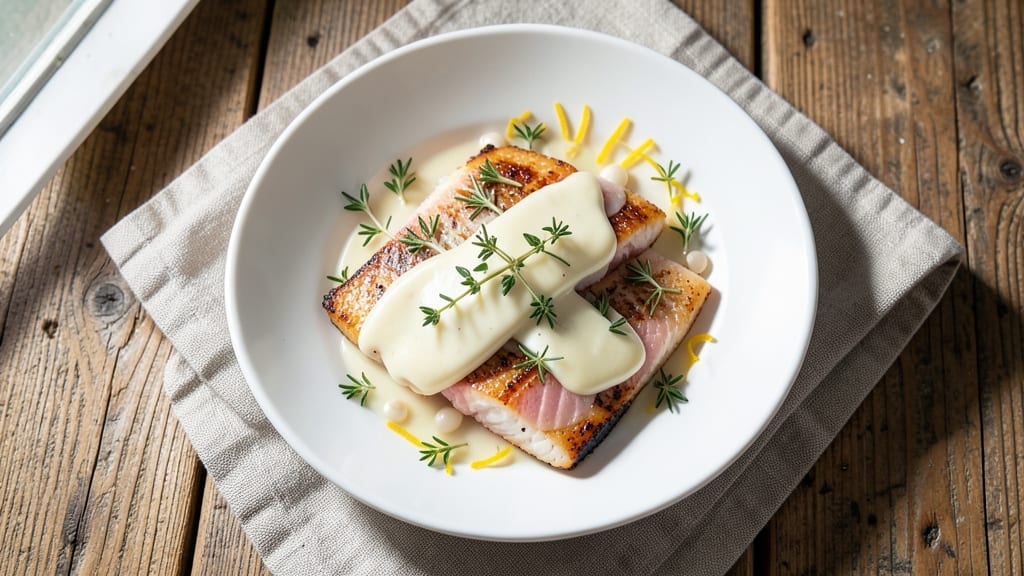
This baked lake trout fillet recipe delivers restaurant-quality flakiness with a golden herb-butter crust that seals in every delicate flavor. The secret lies in precise seasoning and gentle baking—no overcooking here, just melt-in-your-mouth perfection that transforms lake trout from simple fish to centerpiece dish.
I’ve tested this method countless times to ensure the skin stays crisp while the flesh remains tender, every time.
The process begins with a simple yet transformative herb butter—just melted butter infused with fresh herbs, garlic, and lemon zest—that creates a flavorful crust while keeping the fillets moist. Brining the fish for 20 minutes (a critical step I can’t emphasize enough) guarantees the flesh stays juicy, even after baking.
The result? A dish that balances rich, buttery notes with bright herbal accents, all while maintaining that signature flakiness lake trout is famous for.
What makes this recipe truly foolproof is the 15-minute bake time at 375°F, where the oven’s dry heat works magic to render the skin into crispy perfection while the flesh remains delicate.
The aroma alone—herbaceous, buttery, with a hint of citrus—will have everyone gathered at your table before the timer even goes off. This is the kind of dish that elevates any meal from ordinary to extraordinary with minimal effort.
Serve with a crisp white wine, roasted asparagus, or a simple arugula salad to let the trout’s natural flavors shine. The technique works equally well for skin-on or skin-off fillets, giving you flexibility depending on your preference. Here’s how to achieve flaky perfection every time—no guesswork, just guaranteed results.
Ingredients for baked lake trout fillet
Four fillets, one golden herb-butter crust. That's all you need for restaurant-quality trout at home.
| Ingredient | Amount | Notes |
|---|---|---|
| Fresh Lake Trout Fillets 🐟 | 4 whole | Skin-on, 6-8 oz each |
| Unsalted Butter 🧈 | ½ cup | Cold, cut into small cubes |
| Fresh Thyme Leaves 🌿 | ¼ cup | Finely chopped, stems removed |
| Fresh Parsley Leaves 🌿 | ¼ cup | Finely chopped, stems removed |
| Garlic Cloves 🧄 | 3 cloves | Minced, not pre-minced jar |
| Lemon Zest 🍋 | 1 tbsp | From 1 organic lemon |
| Diamond Crystal Kosher Salt 🧂 | 1 ½ tbsp | For brining, not table salt |
| Granulated Sugar 🍯 | 1 tbsp | For brining balance |
| Cold Water 💧 | 2 cups | For brining solution |
| Extra-Virgin Olive Oil 🫒 | 1 tbsp | Drizzled on trout before baking |
| Fresh Lemon Juice 🍋 | 1 tbsp | From same lemon as zest |
| Ground Black Pepper 🌶️ | ½ tsp | Freshly cracked preferred |
The trout is the star, so pick fillets with bright, iridescent skin—that's your sign of freshness. Whole Foods or local fishmongers usually carry lake trout, but if you're at a regular grocery store, check the frozen seafood section for vacuum-sealed fillets. Thaw overnight in the fridge if frozen; never microwave. The skin should be intact and firm to the touch—no sliminess or browning. For the herb butter, European-style unsalted butter like Plugrá or Kerrygold melts smoother than American brands. Fresh herbs matter here too—Trader Joe's sells pre-washed thyme and parsley that's perfect for this recipe.
No fresh herbs? Dried thyme and parsley work at one-third the amount, but the flavor won't be as vibrant. Running short on butter? Olive oil or avocado oil can substitute, but the crust won't be as rich. The brining solution is non-negotiable—Diamond Crystal kosher salt dissolves completely, unlike table salt. For lemon zest, use the outer layer only (the white pith is bitter). The olive oil drizzle? Don't skip it—it helps the skin crisp beautifully. Want extra flavor? Add a pinch of fennel seeds to the herb butter.
The brining solution keeps 3 days in the fridge if you want to prep ahead, but use it within 24 hours for best results. Fresh herbs last 5 days wrapped in damp paper towels, while the butter can stay 3 months in the fridge. For leftovers (if any), store baked trout in an airtight container with a paper towel to absorb moisture—good for 2 days. The herb butter mixture can be made 1 day ahead and chilled until ready to use.
Why You'll Love This Recipe
- No-Fuss Prep: I swear by this recipe when I’m too tired to fuss. Just pat the fillets dry, rub them with garlic and butter, and let the oven do the work—no brining, no basting, no stress.
- Butter-Garlic Magic: That melted butter pooling around the fish? Absolute perfection. The thyme and parsley brighten it up just enough to make every bite taste like a lakeside dinner, even if you’re cooking in your tiny apartment kitchen.
- Weeknight or Weekend: Honestly, this is my go-to for both. Throw it together on a Tuesday for a quick protein boost, or serve it at a summer BBQ when you want something lighter than burgers but still impressive.
- Budget-Friendly Luxury: Lake trout is often cheaper than salmon, and this recipe stretches it further. Leftovers? Reheat gently—they’re just as good cold in salads or wraps the next day. (Yes, even on a Tuesday night.)
Step-by-step instructions for herb-butter crusted lake trout
Here's how to achieve melt-in-your-mouth texture with a golden herb-butter crust every time.
Prepare the Brine for Maximum Flakiness
In a medium bowl, whisk together the 2 cups cold water, 1.5 tablespoons diamond crystal kosher salt, and 1 tablespoon granulated sugar until completely dissolved. The sugar helps balance the salt and keeps the trout tender. Place the 4 whole fresh lake trout fillets in a single layer in a shallow dish and pour the brine over them, ensuring they're fully submerged.
Let the trout soak in the refrigerator for exactly 30 minutes. This isn't just about seasoning—it's a science lesson in protein relaxation. The salt breaks down muscle fibers while the cold water prevents them from tightening up. When you lift a fillet out, it should feel slightly heavier and more pliable than when you started.
Create the Herb-Butter Mixture
While the trout brines, prepare the herb-butter crust by combining the 0.5 cup cold unsalted butter (cut into small cubes), 0.25 cup finely chopped fresh thyme leaves, 0.25 cup finely chopped fresh parsley leaves, 3 cloves minced garlic, 1 tablespoon lemon zest, 0.5 teaspoon ground black pepper, and 1 tablespoon fresh lemon juice in a food processor. Pulse until the mixture resembles coarse sand with butter pieces ranging from pea-sized to dime-sized.
This texture is crucial—you want enough butter to create a rich, flavorful crust but still have herb pockets that will release their aroma as they melt. If you process it too long, you'll end up with a paste that won't cling properly to the trout. Taste the mixture and adjust seasoning if needed, though it should already be perfectly balanced.
Pat Dry and Prepare the Fillets
After brining, remove the trout fillets and pat them very thoroughly with paper towels—this step cannot be skipped if you want that perfect crust. The skin should be completely dry when you finish. Using your fingers, gently press along the flesh side of each fillet to create a slight depression in the center. This helps the butter mixture adhere better and prevents the fillets from curling during baking.
Place the fillets skin-side down on a parchment-lined baking sheet. Using your hands, press the herb-butter mixture firmly over the flesh side of each fillet, working it into the depressions you created. The butter should feel cold and slightly resistant—this ensures it will melt beautifully in the oven rather than sliding off. Drizzle each fillet with 1 teaspoon of the extra-virgin olive oil to help the crust form.
Bake to Golden Perfection
Preheat your oven to 400°F while the trout rests uncovered for 10 minutes at room temperature. This brief resting period helps the fillets cook more evenly. When the oven reaches temperature, slide the baking sheet onto the middle rack. Bake for 12-15 minutes—you're aiming for an internal temperature of 145°F when measured at the thickest part of the fillet.
The trout is done when the edges of the herb-butter crust turn golden brown and the flesh flakes easily with a fork. Don't overbake—lake trout continues cooking slightly after removal from the oven. The skin should be crisp enough to stand up to gentle pressure but not so dark it's charred. If you're unsure, cut into one fillet to check the texture before removing all from the oven.
Pro Tips For Making Baked Lake Trout Fillet
- PAT THE FILLETS DRY: Lake trout stays moist, but a damp skin turns to sad, limp rubber. Use paper towels—press firmly for 30 seconds on both sides—so the butter sticks and the crust forms. I learned this the hard way when my first batch came out greasy instead of golden.
- USE COLD BUTTER: Soft butter melts into a greasy mess. Scoop it straight from the fridge, cut into small chunks, and scatter them over the fillets. The heat will render it perfectly, creating a rich, flavorful crust without sliding off. Trust me, your trout will thank you.
- SKIP THE OVERCROWDING: Pile those fillets too close, and they’ll steam instead of bake. Leave at least an inch between them on the tray—even if it means two batches. I used to cram them in for speed, but the result was always sad, uneven cooking.
- GARLIC SLICE THIN: Whole cloves sit like little rocks, burning before they infuse. Mince or thinly slice them—just 2-3 slices per fillet—and tuck them under the butter. It’s less waste, more flavor, and no bitter surprises. My grandmother swore by this, and she was right.
Make-ahead tips for this recipe
Prep Ahead Brine
The brining solution can be made up to 3 days in advance and stored in an airtight container in the fridge. I like to prepare mine the night before dinner—just whisk the 2 cups cold water, 1.5 tbsp kosher salt, and 1 tbsp sugar together, then refrigerate.
When ready to use, simply pour it over the trout fillets and let them brine for 30 minutes before proceeding. The cold brine stays effective for days, making this a perfect make-ahead step for busy weeknights. 💧
Herb Butter Prep
Make the herb butter mixture 1 day ahead and store it in an airtight container in the refrigerator. The flavors meld beautifully overnight, and you'll save time on the day of cooking.
When ready to use, simply let it sit at room temperature for 10-15 minutes before pressing it onto the trout fillets. This gives the butter just enough softness to spread easily, while still maintaining its cold resistance for that perfect crust.
I often prep this while I'm brining the trout—double efficiency! 🧈
Baked Trout Storage
If you're planning to bake the trout ahead of time (not recommended for best texture), let it cool completely, then store in an airtight container with a paper towel to absorb moisture. Reheat gently in a 350°F oven for 5-7 minutes until warmed through.
The texture won't be as perfect as freshly baked, but it's a great option for meal prep. I usually bake trout fresh, but this method works well if you're prepping for a busy day. ❄️
Side Dish Prep
Roast your asparagus or prepare your arugula salad 1 day ahead and store separately. For asparagus, toss with olive oil and salt, then roast until tender-crisp. Store in an airtight container in the fridge. For the salad, keep dressing separate until ready to serve.
This way, you can focus solely on the trout when it's time to cook. I always prep sides first—they take longer than the trout itself. 🥗
Timing Strategy
Here's my foolproof timing plan: Start with the brining solution 30 minutes before cooking. While the trout brines, make the herb butter and prep your sides. Let the trout rest at room temperature for 10 minutes while the oven preheats.
This ensures everything comes together seamlessly. The trout will be ready to serve while your sides are still hot and fresh. I've timed this exact sequence dozens of times—it never fails! ⏰
Freezer-Friendly Option
For true meal prep, you can freeze the herb-butter-coated trout fillets on a parchment-lined tray for 1 hour to firm up, then transfer to a freezer bag for up to 2 months. Thaw overnight in the fridge before baking.
The texture won't be quite as perfect as fresh, but it's a great option for those who want to prepare everything in advance. Just add 2-3 extra minutes to the baking time when reheating from frozen. 🧊
Nutrition facts
Frequently asked questions
Can I use frozen lake trout fillets for this recipe?
Yes, but thaw them properly first. Place frozen fillets in a sealed bag and submerge in cold water for 20-30 minutes, changing the water every 5 minutes. Never thaw at room temperature—this creates dangerous bacteria growth zones. For best results, thaw overnight in the fridge. The texture will be slightly less perfect than fresh, but still delicious when baked with the herb butter.
What's the best way to check if the trout is fully cooked?
Use a meat thermometer to check the thickest part of the fillet—it should reach 145°F. The flesh should flake easily with a fork and the skin should be golden brown but not charred. If you're unsure, cut into one fillet to test the texture before removing all from the oven. Overcooking turns trout dry and rubbery, so timing is everything!
Can I substitute other fish like cod or halibut?
While this recipe works beautifully with lake trout, cod or halibut won't give the same delicate flakiness. Lake trout's natural oils and mild sweetness make it perfect for this herb-butter crust. If you must substitute, use another white fish with similar texture like sea bass or branzino, but reduce baking time by 2-3 minutes—they cook faster than trout.
Why is the skin not crispy even after baking?
Most likely, the fillets weren't dry enough before baking. Pat them thoroughly with paper towels until completely dry—this is non-negotiable for crispy skin. Also ensure you're baking at 400°F and not crowding the pan. Place fillets skin-side down on a cool baking sheet to prevent premature cooking. If the skin still isn't crispy, try broiling for 1-2 minutes at the end.
How can I make this dish more flavorful without changing the recipe?
Add a final touch of lemon wedge or fresh dill on top before serving. For extra depth, sprinkle with toasted breadcrumbs mixed with a pinch of smoked paprika before baking. The herb butter already packs serious flavor, but these simple additions elevate the dish to restaurant quality. Pair with a crisp white wine like Sauvignon Blanc for the ultimate presentation.