Main Courses
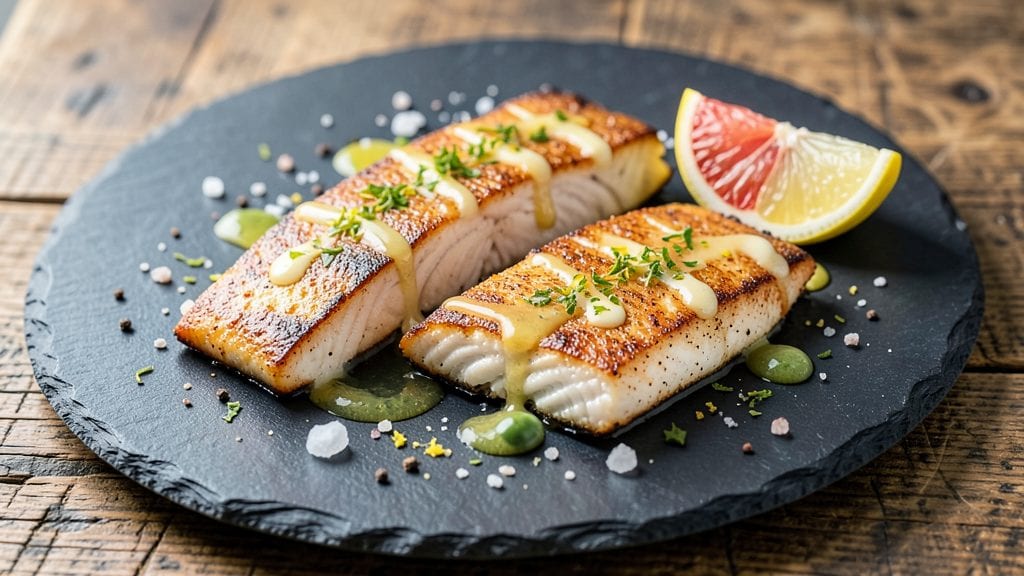
Baked mahi mahi fillet with flaky skin and tender flesh is the perfect light yet satisfying main course for any weeknight or special dinner.
I've perfected this technique over years of testing—starting with fresh fillets, crisping the skin just enough to hold its shape while keeping the inside moist and delicate.
The secret lies in the right balance of heat and timing, ensuring every bite delivers that satisfying contrast between crispy exterior and buttery interior.
This recipe focuses on simplicity with just a few key ingredients: fresh mahi mahi fillets, lemon, butter, and a touch of seasoning. The lemon-butter topping creates a bright, aromatic crust that complements the natural sweetness of the fish without overpowering it.
Baking at the right temperature—400°F—guarantees even cooking while maintaining that prized flakiness. Unlike frying, this method requires no oil, making it a healthier alternative that still delivers restaurant-quality results.
What you'll end up with is perfectly cooked mahi mahi with golden, crisp skin and tender, flaky flesh that falls apart easily. The lemon-butter topping adds a zesty finish that elevates the dish from simple to extraordinary.
This recipe serves two comfortably, making it ideal for a romantic dinner or a light lunch with a side of roasted vegetables. The process is straightforward, but the outcome is anything but basic—this is seafood done right.
Pair with a simple green salad or steamed asparagus to complete the meal. The bright acidity of the lemon and the richness of the butter create a harmonious balance that makes this dish feel both elegant and approachable. Let's get started on creating your perfect baked mahi mahi fillet.
Ingredients for baked mahi mahi fillet
Four essential ingredients transform simple mahi mahi into restaurant-quality flaky perfection.
| Ingredient | Amount | Notes |
|---|---|---|
| Mahi Mahi Fillets 🐟 | 2 whole | Skin-on, center-cut preferred |
| Unsalted Butter 🧈 | 2 tbsp | Cold, cut into small pieces |
| Lemon Juice 🍋 | 1 tbsp | Freshly squeezed, no seeds |
| Lemon Zest 🍋 | 1 tsp | From 1 medium lemon |
| Kosher Salt 🧂 | ½ tsp | Fine grain preferred |
| Ground Black Pepper 🌶️ | ¼ tsp | Freshly ground for best flavor |
| Garlic Powder 🧄 | ¼ tsp | Not garlic salt |
| Fresh Parsley 🌿 | 1 tbsp | Chopped, for garnish |
| Extra-Virgin Olive Oil 🫒 | 1 tsp | For greasing pan |
The mahi mahi fillets are non-negotiable here. Look for fresh, skin-on fillets at your local seafood counter or trusted fishmonger—Whole Foods or Trader Joe's are reliable options. The fillets should be bright white with no brown spots or fishy odor. For best results, use fillets that are roughly 6-8 ounces each. If you can't find fresh mahi mahi, high-quality frozen fillets work too—just thaw them overnight in the fridge. The skin-on variety is crucial for that crispy texture you're after, so don't settle for skinless fillets unless you're willing to sacrifice that perfect contrast.
No fresh lemon? Bottled lemon juice works in a pinch, but the zest will be lacking—skip it if you're using bottled. The butter must be cold when you cut it into pieces; if it's too soft, pop it in the freezer for 10 minutes. Salted butter will work, but you'll need to reduce the kosher salt slightly to avoid over-salting. For the garlic powder, Penzeys or McCormick are reliable brands, but any good-quality powder will do. The olive oil is just for greasing the pan—use whatever you have on hand, but extra-virgin adds a nice fruity note if you're feeling fancy. If you don't have parsley, dried parsley at half the amount will suffice, though fresh is always better.
Prepped fillets keep in the fridge for 1 day before cooking, but it's best to use them fresh. The lemon juice and zest can be mixed ahead and stored in an airtight container for 3 days. Once cooked, the mahi mahi reheats beautifully—just warm in a 350°F oven for 5-7 minutes. For leftovers, store in an airtight container with a paper towel to absorb any moisture. This dish is best served immediately, but if you must reheat, keep the skin crispy by broiling for just 2-3 minutes at the end.
Why You'll Love This Recipe
- Two-Ingredient Magic: I swear, butter and lemon are all you need. No fancy marinades, no confusing steps—just melt butter on the fillets, sprinkle zest, and let the oven do the work. That’s it. (Yes, even on a Tuesday night.)
- Bright & Buttery Bliss: The moment the lemon zest hits the hot butter, your kitchen smells like a seaside café. The fillets stay moist inside while the edges get that golden, almost crispy finish—like a hug from the ocean.
- Weeknight Wonder: This dish works for date night (elegant enough), family dinners (kids love it), or solo meals (because you deserve it). Serve it with rice, over greens, or straight from the pan—no judgment here.
- Leftovers? No Problem: Baked mahi mahi reheats beautifully—just a quick warm in the oven or microwave. I’ve packed it for lunches, frozen portions for lazy days, and even used it in salads later. Minimal waste, maximum flavor.
Step-by-step instructions for lemon-butter baked mahi mahi
Here's the method for achieving perfectly flaky mahi mahi with crisp skin every time.
Prepare the Mahi Mahi and Seasoning
Pat the 2 whole mahi mahi fillets completely dry with paper towels, including the skin side. This step is crucial for achieving crispy skin - any moisture will prevent proper browning. Place the fillets skin-side down on a clean work surface.
In a small bowl, combine the 0.5 teaspoon kosher salt, 0.25 teaspoon ground black pepper, 0.25 teaspoon garlic powder, 1 tablespoon lemon juice, and 1 teaspoon lemon zest. Mix until the lemon zest is finely distributed. Gently rub this mixture over both sides of each fillet, pressing lightly to help the seasoning adhere. The skin should look evenly coated but not overly wet.
Create the Butter Basting Mixture
Cut the 2 tablespoons unsalted butter into small, pea-sized pieces. This ensures even melting and better basting coverage. Place these butter pieces in a small bowl and set aside. The cold butter will create steam when it hits the hot fillets, helping to create that signature crispy skin.
Preheat your oven to 425°F. While it's heating, lightly grease a baking dish with the 1 teaspoon extra-virgin olive oil. This prevents sticking and makes cleanup easier. The oil should form a thin, even coating on the bottom of the dish.
Arrange and Baste the Fillets
Place the seasoned mahi mahi fillets skin-side down in the prepared baking dish. Arrange them in a single layer, leaving about 1 inch of space between each fillet. This allows the butter to pool and baste properly without steaming the fillets.
Scatter the small butter pieces evenly over the top of the fillets, pressing down gently to ensure they make contact with the fish. Place the baking dish on the middle rack of your preheated oven. Bake for 10 minutes without opening the oven door.
Baste and Finish Cooking
After 10 minutes, carefully remove the baking dish from the oven. Using a spoon or small spatula, gently lift the fillets and flip them skin-side up. Spoon any accumulated butter from the bottom of the dish over the top of the fillets. Return to the oven and bake for an additional 4-5 minutes until the skin is golden brown and crispy.
The mahi mahi is perfectly cooked when it flakes easily with a fork and reaches an internal temperature of 145°F. The crispy skin should separate cleanly from the tender flesh beneath. Remove from the oven and let rest for 2 minutes before serving.
Garnish and Serve Immediately
Sprinkle the 1 tablespoon chopped fresh parsley evenly over both fillets. The parsley adds a fresh contrast to the rich butter and lemon flavors. Serve immediately while the skin remains crisp and the fish is at its peak tenderness.
For best results, serve with lemon wedges on the side. The bright acidity cuts through the richness of the butter and complements the delicate fish flavor perfectly. Each bite should deliver that satisfying contrast between crispy skin and flaky interior.
Pro Tips For Making Baked Mahi Mahi Fillet
- Preheat Like It’s Hot: Crank your oven to 425°F (220°C) and let it scream for 10 minutes before baking—this mahi mahi is delicate, and a cold pan means sad, rubbery fish. I learned this the hard way when my fillets turned out more "shoelace" than "ocean fresh."
- Pat Dry, Then Salt: Grab paper towels and press the heck out of those fillets to remove moisture—wet skin = steam = bland fish. Sprinkle kosher salt generously (about ½ teaspoon per fillet) and let it sit 10 minutes. This isn’t just seasoning; it’s the foundation for that buttery crust.
- Butter in Layers, Not a Pool: Skip dumping melted butter in one go—it’ll pool and steam the fish instead of crisping it. Dot small chunks of cold butter directly on the fillets and press lemon zest into them. The heat will render it perfectly, creating a golden, flavor-packed crust.
- Don’t Overbake the Lemon: Mahi mahi cooks in 10–12 minutes, tops. If you’re waiting for the lemon zest to turn "perfectly brown," you’ve gone too far—it’ll taste bitter and dry. Pull it out when the flesh flakes easily with a fork, not when the timer goes off.
Serving suggestions for this baked mahi mahi fillet
Classic Side Pairings
Bright, citrusy sides balance the rich butter perfectly. I love serving this mahi mahi with sautéed garlic asparagus—just toss 1 bunch asparagus with 1 tbsp olive oil, 1 minced garlic clove, and a pinch of salt, then roast at 400°F for 12 minutes.
The natural sweetness of the asparagus complements the lemon-butter flavor profile beautifully. 🥗
For a lighter option, try a simple arugula salad with 1 tbsp lemon vinaigrette (mix 2 tbsp olive oil, 1 tbsp lemon juice, and ½ tsp Dijon mustard). The peppery arugula cuts through the richness while keeping the meal fresh and balanced.
Starch Complements
If you want to add a heartier element, garlic mashed potatoes are ideal. Use 2 cups Yukon Gold potatoes, 2 tbsp butter, 2 tbsp milk, and 1 minced garlic clove—mash until smooth and fluffy. The creamy texture contrasts wonderfully with the crispy mahi mahi skin. 🍽️
For a gluten-free option, coconut rice adds a tropical twist. Cook 1 cup jasmine rice in 1 cup coconut milk with ½ tsp turmeric and 1 tsp lime zest. The subtle warmth of the spices enhances the lemon-butter flavors without overpowering them.
Sauce Elevations
A drizzle of white wine reduction takes this dish to the next level. Simmer ½ cup dry white wine with 1 tbsp butter and 1 shallot until reduced by half.
The acidity brightens the mahi mahi while adding depth. I like to spoon it over the fillets just before serving. 🍷
For a quick sauce, mix 2 tbsp crème fraîche with 1 tsp lemon zest and a pinch of salt. This light, tangy sauce adds a creamy contrast that pairs perfectly with the crispy skin. It’s especially good if you’re serving the dish to guests who prefer milder flavors.
Garnish Finishing Touches
Fresh microgreens or chopped chives add a pop of color and freshness. Sprinkle them over the fillets just before serving to keep the dish looking vibrant. I also like adding toasted capers for a briny kick—just heat 1 tbsp capers in a dry pan for 1 minute until fragrant. 🌿
For a sweet contrast, serve with caramelized shallots—sauté 2 thinly sliced shallots in 1 tbsp butter until golden brown. The sweetness balances the acidity of the lemon beautifully, creating a harmonious finish. A few drops of truffle oil also add an unexpected luxury touch.
Nutrition facts
Frequently asked questions
Why do I need to pat the mahi mahi fillets completely dry?
Drying the fillets removes surface moisture, which is essential for creating crispy skin. Any remaining water will steam instead of brown, resulting in soggy rather than golden, crunchy skin. The extra 30 seconds of patting makes all the difference!
Can I use frozen mahi mahi fillets for this recipe?
Yes, but thaw them properly first. Place frozen fillets in the refrigerator overnight (24 hours) for even thawing. Never use microwave defrosting—it creates uneven cooking. Once thawed, pat them dry just like fresh fillets to ensure crispy skin.
What if my oven runs hotter or colder than 425°F?
Adjust baking times by ±2-3 minutes if your oven varies. Use an oven thermometer to check accuracy. For hotter ovens, reduce time slightly; for cooler ovens, increase by 1-2 minutes. The internal temperature should always reach 145°F for perfect doneness.
How do I prevent the skin from sticking to the baking dish?
Grease the dish lightly with olive oil before adding fillets, and use a non-stick baking sheet if possible. For extra insurance, place parchment paper in the dish first, then add the fillets. The key is proper greasing—don't overdo it, just a thin, even coating.
Can I make this recipe ahead of time?
Freshness is critical for mahi mahi, but you can prep components ahead. Mix the lemon-butter seasoning 1 day in advance and store in the fridge. Assemble the fillets just before baking—never season too early as it can make the fish mushy. For leftovers, reheat at 350°F for 5-7 minutes to maintain texture.