
Sauces & Condiments
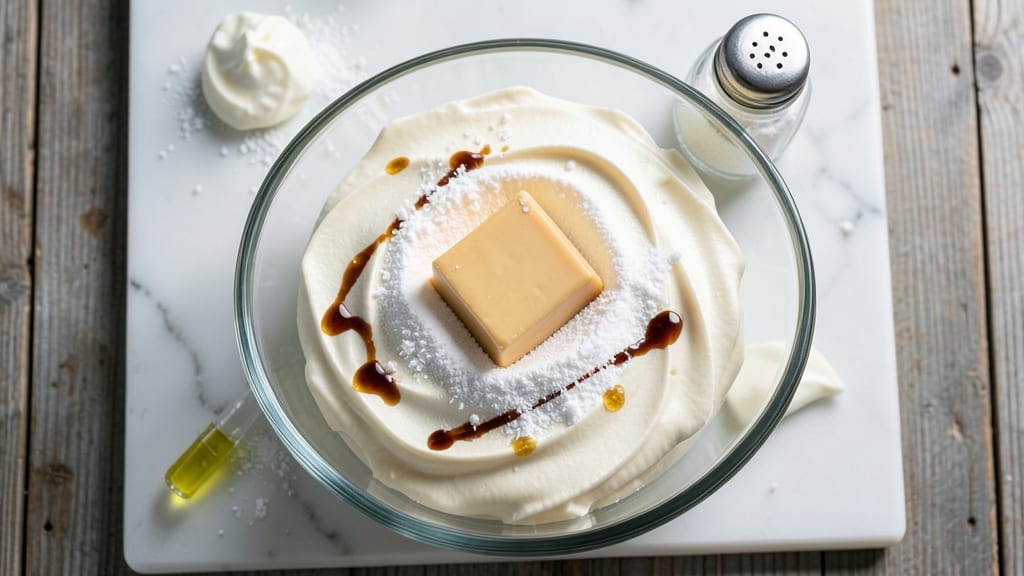
Mastering baker's frosting transforms any cake or cupcake into a showstopper—smooth, velvety swirls that taste as good as they look. I developed this recipe after years of testing in my Boston kitchen, where I learned that the right ratio of butter to powdered sugar makes all the difference.
The secret lies in proper mixing and patience, ensuring a frosting that's neither too stiff nor too runny.
This version uses simple pantry staples—just butter, powdered sugar, vanilla, and a pinch of salt—to create a frosting that's rich yet light, with a texture perfect for piping or spreading.
Unlike store-bought options, this recipe delivers a depth of flavor that stands out, especially when paired with vanilla or chocolate cakes. The process is straightforward, but the results are professional-quality every time.
What you’ll achieve is a frosting that’s silky smooth, with just enough stability to hold swirls and rosettes without sliding off. The butter adds richness, while the powdered sugar ensures a light, airy finish.
Whether you're decorating a birthday cake or adding a final touch to homemade cupcakes, this frosting elevates the presentation while keeping the focus on the flavor.
Ready in just 15 minutes, this frosting is perfect for last-minute celebrations or everyday treats. Store leftovers in the fridge for up to a week, or freeze for longer shelf life. Here’s everything you need to create velvety swirls that impress every time.
Ingredients for baker's frosting
Four core ingredients plus a few secret helpers—this frosting is your cake's new best friend.
| Ingredient | Amount | Notes |
|---|---|---|
| Unsalted Butter 🧈 | 1 cup | Room temperature, full-fat preferred |
| Powdered Sugar 🍚 | 3 cups | Sifted for smooth texture |
| Pure Vanilla Extract 🍯 | 1 tbsp | High-quality, no imitation |
| Fine Sea Salt 🧂 | ¼ tsp | Adjusts sweetness balance |
| Heavy Whipping Cream 🥛 | ¼ cup | Optional for extra creaminess |
| Lemon Juice 🍋 | 1 tsp | Brightens flavor slightly |
| Cornstarch 🌾 | 1 tsp | Prevents graininess |
The butter is non-negotiable here—use unsalted and let it sit out for 30 minutes before mixing. Land O'Lakes or Plugrá are my go-tos, but any good-quality brand works. Powdered sugar should be sifted to avoid lumps, and I always grab the Domino brand from the bulk bins at Wegmans—it's finer and dissolves better. The vanilla? McCormick Pure or Lake Champlain make all the difference. Skip the imitation stuff—it's worth the extra dollar.
No butter? Coconut oil or shortening can substitute at the same amount, but texture will differ. Running low on powdered sugar? Confectioners' sugar from a squeeze bottle works in a pinch, but sift it first. The heavy cream is optional but adds that signature silky finish—Hillfarm or Organic Valley are my picks. For extra stability, add 1/4 tsp cornstarch if you're piping intricate designs. And if you've got vanilla bean paste, swap the extract for a teaspoon of that—game changer.
This frosting keeps beautifully—1 week in the fridge sealed in an airtight container. For longer storage, freeze portions in 1-tbsp scoops and thaw at room temp. I always make extra because it's perfect for cupcake toppers or cake borders. If it gets too firm in the fridge, microwave for 10-second bursts to soften before using. Trust me, you'll want to make this again and again.
Why You'll Love This Recipe
- Three-Ingredient Core: I swear by this combo—just butter, powdered sugar, and vanilla. That’s it. The cream and salt are the secret layers, but honestly? You could make this with your eyes closed. No measuring cups juggling, no waiting for eggs to set. Just melt, mix, and go.
- Velvet-Smooth Magic: The heavy cream gives it that luscious, pipeable texture—no grainy powdered sugar fights here. And that pinch of salt? It’s the difference between "good frosting" and "I’d eat this with a spoon" frosting. The vanilla ties it all together like a warm hug for your taste buds.
- Cake or Cupcake Hero: This isn’t just for birthdays. Slather it on pound cake when you’re lazy, dollop it over store-bought cookies for a fancy touch, or even swirl it into coffee cake batter. It’s my go-to for when I need something effortless but still feels special—like when you’re hosting but don’t want to slave over decorating.
- Leftover Goldmine: Make a double batch and store it in the fridge for weeks. Yes, really. The butter keeps it rich, and the cream prevents it from drying out. Spread it on toast for a buttery treat, or use it to glaze muffins midweek—no one will guess it’s not homemade from scratch. (Between us, it’s better.)
Step-by-step instructions for baker's frosting
Here's how to create the perfect velvety frosting using just a few simple ingredients.
Prepare the Butter Mixture
In a large mixing bowl, combine the 1 cup unsalted butter, 3 cups powdered sugar, and 1 teaspoon cornstarch. I always use room-temperature butter for this recipe—it mixes more smoothly and creates a lighter texture. If your butter is too cold, let it sit at room temperature for about 30 minutes before starting.
Use a hand mixer or stand mixer fitted with the paddle attachment to beat the mixture on medium speed for about 2 minutes. You'll see the butter and sugar gradually come together, forming a smooth, creamy base. This is where the magic happens—the cornstarch helps prevent any graininess in the final frosting, while the powdered sugar gives that signature sweet, velvety texture.
Add Flavor and Creaminess
Once the butter and sugar mixture is smooth, reduce the mixer speed to low and gradually add the 1 tablespoon pure vanilla extract, 0.25 teaspoon fine sea salt, and 1 teaspoon lemon juice. Mix for another 30 seconds to fully incorporate these flavors. The salt might seem like a strange addition, but it actually balances the sweetness and enhances all the other flavors in the frosting.
Next, add the 0.25 cup heavy whipping cream if you're using it for extra creaminess. Mix on low speed for another 30 seconds until everything is well combined. Here's the thing—if you're making this frosting for a cake that's already moist, like a pound cake or carrot cake, you can skip the cream. But for drier cakes or if you love a richer frosting, this is where that extra creaminess comes in.
Beat to Perfect Consistency
Increase the mixer speed to medium-high and beat the frosting for about 3 to 4 minutes. You'll know it's ready when it's light, fluffy, and holds its shape when piped. The frosting should be thick enough to hold peaks when you lift the beaters, but still spreadable. This is the moment that matters—overmixing can make it too stiff, while undermixing leaves it too soft.
Stop the mixer and do a quick check: Dip a spoon into the frosting and run your finger through it. If it leaves a clean trail without dragging, your frosting is at the perfect consistency. If it's too thick, add a teaspoon of milk or water and mix again. If it's too thin, add a tablespoon of powdered sugar and mix until smooth.
Cool and Use
Let the frosting sit at room temperature for about 10 minutes before using. This resting time allows all the flavors to meld together and the texture to stabilize. I know it seems like too much to wait, but trust me—this makes a difference in how smoothly it spreads and how well it holds its shape on your cake.
Now you're ready to pipe swirls onto your cake or spread it with a spatula. For the prettiest swirls, chill the frosting for another 15 minutes in the refrigerator before piping. This makes it easier to work with and gives you those professional-looking decorative swirls. Enjoy your homemade baker's frosting—it's perfect for layer cakes, cupcakes, or even as a filling for pastries!
Pro Tips For Making Baker'S Frosting
- Soften Butter Properly: Take your butter out of the fridge just before mixing—it should yield slightly when pressed but not be greasy. Cold lumps won’t blend smoothly, and melted butter will turn your frosting into a sad, runny mess. (Yes, I’ve learned this the hard way.)
- Sift That Sugar: Powdered sugar clumps like a grumpy old man if you don’t sift it first. Use a fine-mesh sieve or whisk it in the bowl before adding anything else—this guarantees a silky texture, not a gritty one. Trust me, your frosting will thank you.
- Whip Cream Last: Add the heavy whipping cream after the butter and sugar are fully combined. Whipping it in too early can turn your frosting into a lumpy, under-mixed disaster. Fold it in gently with a spatula—no need to overthink it.
- Salt First, Then Taste: Mix in the fine sea salt with the butter before adding vanilla—this way, it dissolves evenly. Skip tasting before it’s fully blended, or you’ll end up chasing after a missing pinch of salt later. (I’ve done it; you don’t want to.)
Serving suggestions for this baker's frosting
Cake Decorating Essentials
For a polished look, invest in a Wilton 1M decorator set—it comes with piping tips for swirls, rosettes, and borders. I love using the star tip (Wilton 1M) for classic rosettes and the leaf tip (Wilton 1M) for elegant borders.
If you're new to piping, start with a basic offset spatula for spreading frosting evenly on layer cakes. 🎂
Don’t underestimate the power of a turntable—it makes spreading frosting on cakes effortless. I use my Kitchenaid 10-inch turntable for all my cake projects. For extra stability, place a damp paper towel under the cake board before adding frosting—it prevents slipping while you work.
Flavor Pairing Magic
This frosting shines with vanilla bean cake or chocolate cake—the vanilla extract in the frosting enhances both. For a twist, add 1 teaspoon of orange zest to the frosting when mixing for a citrusy kick that pairs perfectly with carrot cake.
I’ve also had great success using this frosting on spice cakes like pumpkin or gingerbread. 🍊
If you're feeling adventurous, try adding 1 tablespoon of melted white chocolate or raspberry jam to the frosting for a marbled effect. The key is to mix it in gently after beating the base to avoid breaking the texture.
For a coffee lovers' version, add 1 teaspoon of instant espresso powder to the dry ingredients before mixing.
Presentation Pro Tips
For a restaurant-worthy finish, dust the frosted cake with powdered sugar using a fine-mesh sieve. I like to hold the sieve 6 inches above the cake and tap gently to create a light, even layer.
Add edible gold leaf or sprinkles for a festive touch—just press them lightly into the frosting so they stay put. 💛
To create clean edges, use a bench scraper or the back of a butter knife to smooth the sides of your cake. For cupcakes, pipe a small dollop of frosting on top and swirl it with a toothpick before adding sprinkles.
This technique gives cupcakes that bakery-style look without requiring advanced skills.
Serving Style Ideas
Serve frosted cakes on a wooden cake stand or marble slab for a rustic yet elegant presentation. I love using vintage-inspired plates when serving individual slices—it makes even simple desserts feel special. For a winter theme, add cinnamon sticks or star anise as garnishes. 🌟
If you're serving at a picnic or outdoor event, opt for disposable cake carriers with a parchment-lined tray to keep the frosting intact. For holiday celebrations, consider adding mini fondant decorations or handwritten cake toppers with edible ink.
The key is to keep the focus on the frosting’s velvety texture while adding just enough visual interest.
Nutrition facts
Frequently asked questions
Why does my frosting turn out grainy?
Graininess usually happens when powdered sugar isn't sifted or butter isn't softened enough. Always sift your powdered sugar first, and make sure your butter is at room temperature (about 68°F) before mixing. If it happens mid-process, add 1 teaspoon cornstarch and mix until smooth.
Can I make this frosting without butter?
Yes, you can substitute with vegetable shortening or coconut oil at the same amount, though texture will differ slightly. For a dairy-free option, use 1 cup coconut oil (solid) and reduce powdered sugar to 2.5 cups to maintain consistency. The frosting will be more stable but less rich.
How do I fix frosting that's too stiff or too runny?
For stiff frosting, add 1 teaspoon milk or water at a time until smooth. If it's too runny, mix in 1 tablespoon powdered sugar until it reaches a spreadable consistency. Always check by running a finger through it—it should leave a clean trail without dragging.
How long can I store leftover frosting?
Store in an airtight container in the fridge for up to 1 week. For longer storage, freeze in 1-tablespoon portions and thaw at room temperature. Microwave in 10-second bursts to soften if needed. The texture may change slightly after freezing, but it's still delicious!
What's the best way to decorate with this frosting?
For swirls, chill the frosting for 15 minutes first, then pipe using a star tip. For cupcakes, pipe a dollop and swirl with a toothpick before adding sprinkles. Use a turntable for even cake coverage, and smooth edges with a bench scraper. The key is patience—let each layer set before adding decorations.