
Main Courses
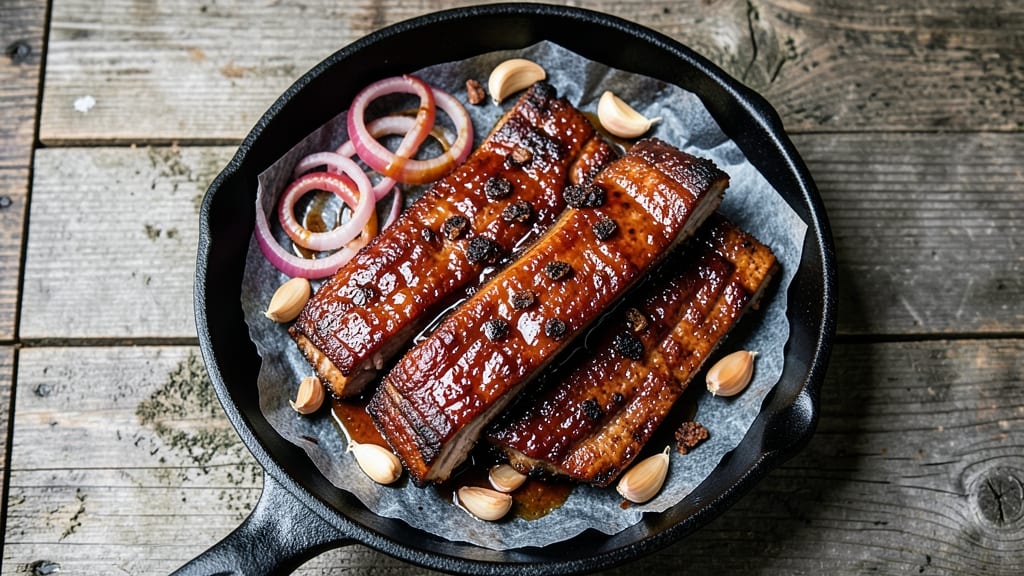
Mastering this beef back ribs smoker recipe turns tough cuts into irresistible, bark-crusted tenderness with just the right smoky-sweet balance. I’ve perfected this 5-hour smoker recipe through countless tests in my Boston backyard, where the cool ocean breeze keeps temperatures steady—no fancy equipment needed, just patience and precision.
The key lies in the dry rub and low-and-slow cooking that turns connective tissue into flavorful richness.
What sets this recipe apart is the foolproof bark-to-meat ratio, achieved by maintaining a consistent 225°F temperature and using a simple but potent dry rub of brown sugar, paprika, and smoked paprika. Unlike store-bought ribs, these develop a deep mahogany crust while staying juicy inside—no guesswork, no overcooking.
The resting phase is just as critical; letting them sit for 30 minutes ensures every bite falls off the bone without drying out.
By the time you’re done, you’ll have ribs so tender they practically disintegrate at the touch, with a bark that’s crisp enough to stand up to a toothpick.
The aroma alone will have your neighbors asking for seconds, and the sauce—just a splash of apple cider vinegar and a touch of brown sugar—adds the perfect tangy finish. This isn’t just dinner; it’s a centerpiece for gatherings, game days, or whenever you want to impress.
Pair with classic sides like creamy coleslaw or buttery cornbread to complete the meal. The beauty of this recipe is its flexibility—whether you’re using a pellet grill, charcoal smoker, or even an oven with a meat probe, the principles stay the same.
Let’s get to work on ribs that’ll have everyone begging for the recipe.
Ingredients for beef back ribs smoker
Four pounds of beef back ribs and twelve simple ingredients transform into smoky, fall-apart perfection.
| Ingredient | Amount | Notes |
|---|---|---|
| Beef Back Ribs 🥩 | 4 lb | Bone-in, trimmed of excess fat |
| Yellow Onion 🧅 | 1 whole | Cut into quarters, skin on |
| Garlic Cloves 🧄 | 6 cloves | Smashed with side of knife |
| Brown Sugar 🍚 | ½ cup | Light or dark, packed |
| Smoked Paprika 🌶️ | 2 tbsp | For authentic smoky depth |
| Sweet Paprika 🌶️ | 1 tbsp | For vibrant color |
| Ground Black Pepper 🌶️ | 1 tbsp | Freshly cracked preferred |
| Kosher Salt 🧂 | 1 ½ tbsp | Diamond Crystal preferred |
| Apple Cider Vinegar 🍎 | ¼ cup | For finishing sauce |
| Granulated Sugar 🍚 | 1 tbsp | For sauce balance |
| Yellow Mustard 🥬 | 1 tbsp | For sauce base |
| Wood Chips 🪵 | 1 cup | Hickory or apple preferred |
| Beef Broth 🍲 | ½ cup | For spritzing ribs |
The ribs are everything here—look for beef back ribs with good marbling and a natural sheen (the glossier, the fresher). Local butchers often have better cuts than grocery stores, and you can usually find them pre-trimmed. If buying whole, trim excess fat to prevent flare-ups on the smoker. The brown sugar should be packed tightly—light brown gives a subtle molasses note, while dark adds deeper caramelization. For the paprika, Penzeys or McCormick are reliable brands, but check the label for 100% smoked paprika if you want that authentic campfire taste. The wood chips make all the difference: hickory for bold smoke, apple for a sweeter, fruitier aroma.
No smoked paprika? Regular paprika plus a pinch of liquid smoke works in a pinch, though it won’t taste identical. Running short on apple cider vinegar? White vinegar or lemon juice keeps the tang, just reduce the sugar slightly. The mustard in the sauce is non-negotiable—it cuts through the richness and adds a subtle bite. For the beef broth, low-sodium versions work best so you don’t over-salt the ribs. If you’re using a pellet grill, skip the wood chips and let the pellets handle the smoke. Charcoal smokers? Soak the chips for 30 minutes before using for even smoke distribution.
Ribs keep best in the fridge for 3 days if you’re not cooking them right away—wrap tightly in butcher paper or foil to retain moisture. The dry rub can be made a week ahead and stored in an airtight container. For leftovers, ribs reheat beautifully in a 325°F oven for 15-20 minutes, covered loosely with foil. The sauce? It’s best fresh, but you can store it separately for up to 5 days—just reheat gently and adjust seasoning before serving. Pro tip: Rest the ribs for 30 minutes before slicing; that’s when all the juices redistribute, making every bite juicier.
Why You'll Love This Recipe
- Smokehouse Simplicity: I swear by this recipe because it’s the kind of meal that lets you almost relax while it cooks. Slice the onions and mince the garlic in 10 minutes, toss the ribs with the dry rub—smoked paprika and brown sugar do most of the work—and let the smoker handle the rest. No basting, no fuss, just hands-off perfection.
- Sweet-Smoky Magic: That brown sugar caramelizing on the ribs? Chef’s kiss. The smoked paprika gives it this deep, earthy warmth, while the onions and garlic melt into a sticky, aromatic crust. It’s rich but not heavy, sweet but not cloying—every bite has layers, like a hug from a grill master.
- Tailgate to Tuesday: Honestly, I make these for everything. Game day? Check. Lazy Sunday? Done. Even my picky teen devours them cold the next day. The leftovers reheat beautifully (or don’t—just eat them straight from the fridge, no judgment).
- Bankable Leftovers: Between us, this recipe stretches farther than you’d think. A full rack feeds four, but I’ll save half for sandwiches all week. The meat falls off the bone, so it’s cheap to stretch with buns or rice. Plus, the smoker’s leftover heat? Perfect for reheating without drying it out.
Step-by-step instructions for beef back ribs smoker recipe
Here's how to transform tough beef back ribs into tender, bark-crusted masterpieces using just your smoker.
Prepare the Ribs with Dry Rub
Start by trimming any excess fat from the beef back ribs, leaving about ¼-inch of fat cap for flavor and moisture protection. In a small bowl, combine the 0.5 cup brown sugar, 2 tbsp smoked paprika, 1 tbsp sweet paprika, 1 tbsp ground black pepper, and 1.5 tbsp kosher salt. Mix thoroughly until you achieve a fine, even powder.
Generously coat both sides of the ribs with this dry rub, pressing it into the meat so it adheres well. The sugar will caramelize beautifully during smoking, creating that coveted bark. Let the ribs sit at room temperature for 30 minutes while you prepare your smoker—this ensures even cooking from start to finish.
Set Up the Smoker for Low-and-Slow Cooking
Fill your smoker box with 1 cup wood chips (hickory or apple work best) and soak them in water for 30 minutes if they're not pre-soaked. Preheat your smoker to 225°F—this low temperature is crucial for breaking down the connective tissue in the ribs without drying them out. Place a water pan in the smoker to maintain moisture throughout the cook.
Once the smoker reaches temperature and you see clean, blue smoke (not thick white steam), you're ready. Place the ribs bone-side down on the smoker grates. This orientation allows the meat to cook evenly and prevents the bones from touching the heat source directly. Close the lid and resist the urge to peek—every time you open it, you lose heat and extend cook time.
Smoke Until Probe-Tender (The Stall Is Normal!)
Smoke the ribs undisturbed for 4-5 hours, or until the internal temperature reaches 195-203°F in the thickest part of the meat. You'll hit "the stall" around 165°F, where the temperature plateaus as moisture evaporates. This is completely normal and expected—don't panic or adjust the heat. The ribs will eventually push through this phase.
Here's the thing—if the bark starts to darken too quickly (beyond medium brown), wrap the ribs tightly in butcher paper at the 170°F mark. This technique preserves the bark while allowing the meat to finish cooking. Return them to the smoker and continue cooking until they're fork-tender. The meat should pull apart easily with gentle pressure, and the bones should slide out cleanly.
Prepare the Finishing Sauce and Glaze
While the ribs smoke, prepare the finishing sauce by combining the 0.25 cup apple cider vinegar, 1 tbsp granulated sugar, 1 tbsp yellow mustard, and 0.5 cup beef broth in a small saucepan. Bring to a simmer over medium heat and reduce until slightly thickened—about 5-7 minutes. Let it cool slightly so it doesn't burn the ribs when applied.
Once the ribs reach the target internal temperature, remove them from the smoker and brush generously with the warm finishing sauce. Return them to the smoker for 10-15 minutes to let the sauce caramelize and form a glossy glaze. This step adds depth of flavor and a beautiful sheen to the final product.
Rest and Serve for Maximum Juiciness
Transfer the ribs to a cutting board and let them rest for 15-20 minutes before serving. Tent loosely with foil to keep them warm while they reabsorb their juices. This resting period is critical—it allows the meat fibers to relax and redistribute moisture, ensuring each bite is succulent and flavorful.
Slice between the bones to serve, arranging them on a platter with any accumulated juices and sauce. The ribs should have a deep mahogany bark on the outside, a pink smoke ring just beneath, and meat that's so tender it nearly falls apart. Serve with crusty bread or coleslaw to soak up every last drop of that smoky, sweet, tangy goodness.
Pro Tips For Making Beef Back Ribs Smoker
- Trim the Silver Skin: That thin, papery membrane on the bone side? Peel it off before smoking—it’ll keep your ribs from sticking to the rack and let the smoke penetrate better. I used to skip this, and my ribs always felt like they were fighting for flavor.
- Start with a Hot Smoker: Crank your smoker to 225°F (250°F if you’re impatient like me) and don’t rush the first hour. The high heat helps render fat faster, so you’re not dealing with greasy ribs later. After that, dial it back to 225°F—steady wins the race.
- Minimize the Onion: Chop those yellow onions into ¼-inch pieces, not slices—big chunks burn before they caramelize. And for the love of ribs, don’t overload the tray; you want them to crisp, not steam. I learned this after one disastrous batch where my ribs tasted like onion soup.
- Wrap in Butcher Paper: Skip the foil after 2-3 hours if your ribs aren’t falling off the bone yet. Wrap them in butcher paper (lightly sprayed with apple juice) instead—it keeps them moist without turning them into a science experiment. Trust me, your ribs will thank you.
Regional styles of beef back ribs smoker
Texas BBQ Style
In Texas, ribs are all about bold flavors and a perfect bark-to-meat ratio. The key here is a dry rub with coarse kosher salt and smoked paprika, plus a generous sprinkle of black pepper—no sugar needed.
Cook at 225°F until the internal temp hits 203°F, then wrap in butcher paper (not foil) to preserve that Texas-style bark. Serve with a smoky vinegar-based sauce—think apple cider vinegar, brown sugar, and a dash of hot sauce—for that signature tang. 🌶️
Carolina Pitmaster Approach
Carolina pitmasters swear by a vinegar-based sauce with a kick, often using apple cider vinegar, cayenne, and a touch of brown sugar. The ribs are smoked at 225°F until they reach 195°F internally, then wrapped in aluminum foil with a splash of apple juice to keep them moist.
The sauce is applied after wrapping, not before, to avoid burning. Look for hickory wood chips for that classic Carolina smoke flavor. This method creates ribs with a glossy, sticky bark that’s crispy yet tender. 🔥
Memphis Dry Rub Tradition
Memphis ribs are famous for their dry rub—a mix of brown sugar, paprika, garlic powder, and black pepper—that creates a thick, sticky bark. The ribs are smoked at 225°F until they reach 203°F internally, then unwrapped to let the bark crisp up.
The sauce is simple: ketchup, vinegar, and a hint of brown sugar, served on the side. Memphis-style ribs are all about that caramelized crust and the juicy, tender meat underneath. The key here is patience—don’t rush the cooking process. 💫
Kansas City Sweet & Smoky
Kansas City ribs are known for their sweet, tangy sauce and a thick, glossy bark. The dry rub is similar to Texas-style but often includes a pinch of cinnamon for warmth.
The ribs are smoked at 225°F until they reach 203°F, then wrapped in butcher paper with a splash of apple juice to keep them moist. The sauce—a blend of tomato paste, vinegar, brown sugar, and spices—is brushed on after wrapping.
Kansas City ribs are all about balanced flavors: sweet, smoky, and just a little spicy. 🍯
Boston-Style (My Twist!)
Growing up in Boston, I love adding a New England twist to ribs. Start with a dry rub of brown sugar, smoked paprika, and a touch of chili flakes for heat.
Smoke at 225°F until the ribs hit 203°F, then wrap in butcher paper with a splash of apple cider vinegar to keep them moist. For the sauce, I mix apple cider vinegar, brown sugar, and a splash of beer (like a local IPA) for depth.
Serve with crusty sourdough and shredded cabbage slaw—it’s a match made in heaven. 🥩
Nutrition facts
Frequently asked questions
How do I know when beef back ribs are fully cooked on the smoker?
Use a meat thermometer to check the internal temperature in the thickest part of the meat. Ribs are done when they reach 195-203°F—the meat should be fork-tender and pull apart easily. The "stall" around 165°F is normal and will pass as moisture evaporates. Never rely on time alone; temperature is your best guide.
Can I use a pellet grill instead of a traditional smoker?
Pellet grills work perfectly for this recipe. Simply set the temperature to 225°F and load the hopper with your preferred wood pellets (hickory or apple). The built-in smoke generator eliminates the need for separate wood chips. Just follow the same cooking time and temperature guidelines as the original recipe.
What's the best way to store leftover smoked beef back ribs?
Store ribs in an airtight container in the fridge for up to 3 days or freeze for 3 months. For reheating, wrap them in foil and bake at 325°F for 15-20 minutes until warmed through. The bark may lose some crispness, but the meat will remain tender. Never microwave—it dries out the ribs.
Why did my ribs burn before they finished cooking?
This usually happens from one of three issues: too high heat, too much sugar in the rub, or not enough moisture. Keep your smoker at a steady 225°F, reduce sugar slightly if needed, and add a water pan to maintain humidity. If the bark darkens too quickly, wrap in butcher paper at 170°F to protect it while finishing.
How can I make these ribs spicier without changing the recipe?
Add ½ teaspoon cayenne pepper or 1 teaspoon crushed red pepper flakes to your dry rub for heat. For extra kick, brush the ribs with a mix of hot sauce and apple cider vinegar during the last 30 minutes of cooking. Start with small amounts—you can always add more, but you can't take it out!