
Main Courses
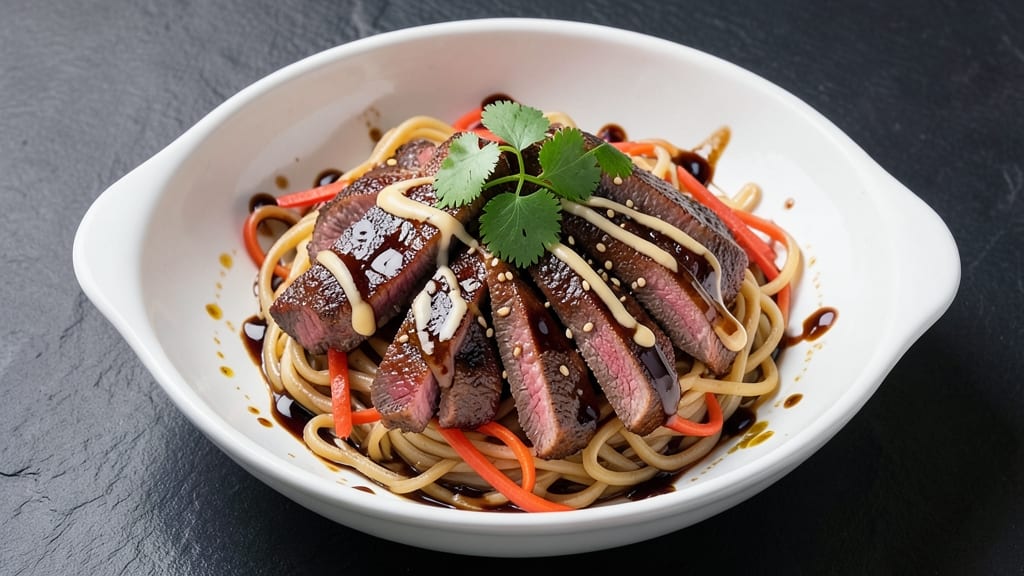
This beef brisket noodles Hong Kong recipe delivers that perfect balance of tender meat, aromatic broth, and chewy noodles that make every bite unforgettable. This recipe captures the essence of Hong Kong's street food culture—where smoky, sweet-savory flavors transform simple ingredients into something extraordinary. I've perfected the technique over years of testing, ensuring the brisket stays tender while the broth develops deep, complex layers of flavor that cling to every noodle.
The key to authentic results lies in the brisket preparation—slow-braising until fork-tender, then finishing with a quick sear to develop that signature caramelized crust.
The broth combines soy, hoisin, and a touch of chili oil for that signature Hong Kong tang, while wide rice noodles soak up every drop of flavor without losing their satisfying chew.
This dish isn't just a meal; it's an experience that transports you to the bustling streets of Kowloon, where every bowl is made with care and tradition.
What you'll end up with is a steaming bowl of beef brisket noodles where each component plays its part—tender, shredded brisket that falls apart at the touch of chopsticks, aromatic broth that's rich yet balanced, and noodles that are perfectly al dente.
The dish comes together in layers of texture and flavor, making it ideal for weeknight dinners or special occasions when you want to impress without spending hours in the kitchen.
Serve with classic garnishes like thinly sliced scallions, crisp pickled vegetables, and a drizzle of chili oil for that final burst of heat. This recipe serves four, but the leftovers are just as delicious the next day—if they last that long.
Let's bring the flavors of Hong Kong into your kitchen today.
Ingredients for beef brisket noodles hong kong
Simple yet transformative ingredients for Hong Kong-style beef brisket noodles that balance smoky, sweet, and savory flavors perfectly.
| Ingredient | Amount | Notes |
|---|---|---|
| Beef Brisket 🥩 | 2 lb | Flat cut, 1-inch thick slices |
| Wide Rice Noodles 🍜 | 12 oz | Stir-fry or pad thai type |
| Light Soy Sauce 🥄 | ½ cup | Kikkoman preferred |
| Dark Soy Sauce 🥄 | 2 tbsp | For depth of flavor |
| Hoisin Sauce 🍶 | ¼ cup | Store-bought or homemade |
| Sesame Oil 🫒 | 1 tbsp | Toasted, for aroma |
| Garlic Cloves 🧄 | 6 cloves | Minced, fresh preferred |
| Fresh Ginger 🌿 | 2 tbsp | Grated, peeled |
| Brown Sugar 🍯 | ¼ cup | Light or dark |
| Chili Oil 🔥 | 1 tbsp | Homemade or store-bought |
| Green Onions 🧅 | 4 whole | Thinly sliced, for garnish |
| Sesame Seeds 🌾 | 1 tbsp | Toasted, for garnish |
| Vegetable Oil 🫒 | 2 tbsp | High smoke point |
| Cornstarch 🌾 | 1 tbsp | For thickening broth |
| Water 💧 | 2 cups | For soaking noodles |
The beef brisket is the foundation—look for well-marbled cuts at your local butcher or Asian market. Costco or Whole Foods often carry high-quality brisket, but if you're short on time, pre-sliced brisket from the meat counter works too. Avoid lean cuts, as they won’t stay tender during slow cooking. For extra authenticity, ask for the flat cut, which is leaner and more flavorful. If you can’t find brisket, chuck roast is a decent substitute, though the texture will differ slightly.
No hoisin sauce? Substitute with a mix of soy sauce and a touch of honey or maple syrup—it won’t be identical, but it’ll get you close. If you’re using dried ginger, double the amount and toast it lightly in a dry pan first for deeper flavor. The wide rice noodles are non-negotiable; they soak up the broth beautifully without turning mushy. Trader Joe’s or Asian grocery stores carry them in bulk, which is cost-effective for repeat cooking. For the chili oil, homemade is ideal (mix chili flakes with neutral oil), but Lao Gan Ma brand is a reliable store-bought option.
This dish reheats beautifully—simmer leftovers with a splash of water to restore moisture. Store in airtight containers for up to 4 days in the fridge, or freeze for 3 months. The noodles soften when reheated, so cook them fresh if possible. Garnishes like green onions and sesame seeds can be prepped ahead and stored in the fridge for 1 week. For a quicker meal, pre-shred the brisket and store it separately; just reheat it with the broth when ready to serve.
Why You'll Love This Recipe
- One-Pan Magic: I swear by this recipe when I’m too tired to wash dishes. The brisket and noodles all go in one pot—no chopping, no fuss—just simmer until the sauce clings like a dream.
- Sweet-Savory Fix: That balance of dark soy’s smoky depth and hoisin’s sticky sweetness? It’s the kind of flavor combo that makes you pause mid-bite. The brisket stays tender, so every spoonful is pure satisfaction.
- Lunchbox Hero: I make a double batch every Sunday because this holds up perfectly for packed lunches. The noodles stay al dente, and the sauce doesn’t dry out—even after three days in the fridge.
- Budget Powerhouse: Brisket is cheaper than steak, and wide rice noodles stretch further than you’d think. Honestly, I feed my whole family for half the cost of takeout, and they beg for seconds anyway.
Step-by-step instructions for beef brisket noodles Hong Kong recipe
This method delivers authentic Hong Kong-style brisket noodles with deep umami broth and tender beef.
Prepare the Beef Brisket and Aromatics
Slice the 2 lb beef brisket into 1-inch thick pieces against the grain for maximum tenderness. Pat each piece dry with paper towels to ensure proper browning. In a separate bowl, combine the 6 cloves garlic cloves (minced) and 2 tbsp fresh ginger (grated), then set aside.
Heat 2 tbsp vegetable oil in a large pot over medium-high heat. Once shimmering, add the beef slices in a single layer. Sear undisturbed for 3-4 minutes per side until deeply browned. Remove beef and set aside temporarily.
Build the Flavorful Broth Base
In the same pot, add the garlic-ginger mixture and cook for 1 minute until fragrant. Pour in 0.5 cup light soy sauce, 2 tbsp dark soy sauce, and 0.25 cup brown sugar, stirring to combine. Add 2 cups water and bring to a gentle simmer.
Return the beef to the pot, ensuring it's fully submerged. Cover and reduce heat to low, then simmer for 1 hour until the beef is fork-tender. The broth should develop a rich, caramelized depth during this time.
Thicken and Finish the Broth
Remove the beef slices and set aside. In a small bowl, whisk together 1 tbsp cornstarch with 2 tablespoons of the cooking liquid until smooth. Slowly pour this mixture back into the pot while stirring constantly.
Simmer for an additional 3-5 minutes until the broth thickens slightly. Stir in 0.25 cup hoisin sauce and 1 tbsp sesame oil, then return the beef to the pot. Keep warm over low heat while you prepare the noodles.
Cook and Assemble the Noodles
Soak the 12 oz wide rice noodles in a large bowl of hot water for 10-12 minutes until pliable but still slightly firm. Drain and rinse briefly with cold water to stop cooking.
Divide the noodles among 4 bowls. Ladle the hot beef and broth evenly over the noodles. Drizzle each serving with 1 tbsp chili oil, then garnish with 1 whole green onion (thinly sliced) and 1 tbsp sesame seeds. Serve immediately with extra chili oil on the side.
Pro Tips For Making Beef Brisket Noodles Hong Kong
- Slice Thin, Not Tender: Brisket’s job here isn’t to melt—it’s to absorb the sauce. Cut against the grain into ¼-inch slices (yes, even if it feels undercooked). Thinner pieces cook faster in the stir-fry and soak up the soy-hoisin mix like a sponge. I used to over-slice, and the beef turned mushy. Save that for a pot roast.
- Soak Noodles Right: Wide rice noodles stick together like glue if you don’t handle them. Soak them in warm (not boiling) water for exactly 8–10 minutes, then drain and rinse with cold water. The cold water stops cooking and keeps them separate—no one wants a gluey bowl. (Pro move: Use a colander with holes big enough to let water drain fast.)
- Balance the Sauces: Dark soy adds color, light soy adds salt, hoisin adds sweetness—but too much of any one turns your noodles into a syrup bath. Start with 1 tbsp dark, 2 tbsp light, and 1 tbsp hoisin, then taste. Need more depth? A splash of rice vinegar cuts the heaviness. I once drowned mine in hoisin and regretted it.
- Stir-Fry in Batches: Overcrowding the wok steams the beef instead of searing it. Cook the brisket in 2–3 batches over high heat for 2–3 minutes per batch—you want caramelized edges, not sad, soggy meat. The noodles can go in all at once later; they’ll soften in the residual heat. (Yes, it takes a minute longer, but it’s worth it.)
Perfect pairings for this dish
Broth Enhancers
Elevate the dish with a splash of Shaoxing wine—just 2 tbsp added during the simmering phase. This adds a subtle complexity that mirrors traditional Hong Kong braising techniques.
For extra depth, stir in 1 tsp star anise during the initial broth building stage. Remove it before serving—it dissolves beautifully into the sauce. 🌟
Noodle Alternatives
While wide rice noodles are traditional, egg noodles work perfectly if you prefer a chewier texture. For a gluten-free option, swap in rice vermicelli noodles—just soak them for 8-10 minutes instead.
I also love adding shredded napa cabbage to the broth for 5 minutes before serving for a refreshing crunch. 🥬
Protein Swaps
Short on brisket? Pork shoulder makes a fantastic substitute—braise it for 2 hours instead of 1 to achieve similar tenderness. For a seafood twist, use shrimp or scallops (cook separately in the last 3 minutes of broth simmering).
If you prefer chicken, thighs hold up better than breasts during long cooking. 🍤
Garnish Upgrades
Transform the dish with quick-pickled cucumbers—toss ½ cup cucumber slices with 1 tbsp rice vinegar and ½ tsp sugar for 15 minutes. This adds a bright contrast to the rich broth.
For heat lovers, sprinkle crushed Sichuan peppercorns on top—they add a tingling numbing sensation that pairs perfectly with the chili oil. 🌶️
Drink Pairings
A crisp Hong Kong-style beer like Tsing Tao cuts through the richness beautifully. For wine lovers, a dry Riesling from Germany offers the right acidity to balance the dish.
If you prefer cocktails, try a lychee martini—its floral notes complement the umami flavors. Serve drinks slightly chilled to enhance the dining experience. 🍷
Side Dish Harmony
Serve with steamed jasmine rice to soak up any extra broth. For a complete meal, add stir-fried bok choy with garlic and chili oil. I also recommend fried wontons on the side—they add a satisfying crunch that contrasts the soft noodles.
Keep portions small to avoid overwhelming the main dish. 🍚
Nutrition facts
Frequently asked questions
Can I use pre-cooked brisket for this Hong Kong noodle dish?
Pre-cooked brisket works, but fresh braising delivers deeper flavor. If using pre-cooked, shred it and simmer in the broth for 15-20 minutes to absorb the sauce. For best results, start with raw brisket—it develops that signature caramelized crust and tender texture.
How do I adjust the spice level for sensitive eaters?
Reduce or omit the chili oil entirely, and replace it with 1 tsp sugar or 1 tbsp extra hoisin sauce for sweetness. For mild heat, use ½ tbsp chili oil instead. The dish already has natural umami from soy and hoisin, so flavor remains rich without spice.
Why did my noodles turn mushy when reheating?
Over-soaking or reheating with too much liquid causes mushiness. Cook noodles fresh when possible, or reheat in a dry pan for 1-2 minutes with a splash of water. Store broth separately and combine just before serving to maintain texture.
Can I make this dish in a slow cooker?
Brown the beef first, then transfer everything to the slow cooker on low for 6-7 hours. Add cornstarch slurry in the last 30 minutes to thicken. The slow cooker method enhances tenderness and simplifies cleanup. Perfect for busy weeknights!
What's the secret to making the broth extra flavorful?
Toast the garlic and ginger in oil until golden before adding liquids, and use dark soy sauce for color depth. For extra richness, add 1 tbsp fish sauce or 2 tbsp Shaoxing wine during simmering. Patience is key—longer simmering (up to 2 hours) concentrates flavors.