
Main Courses
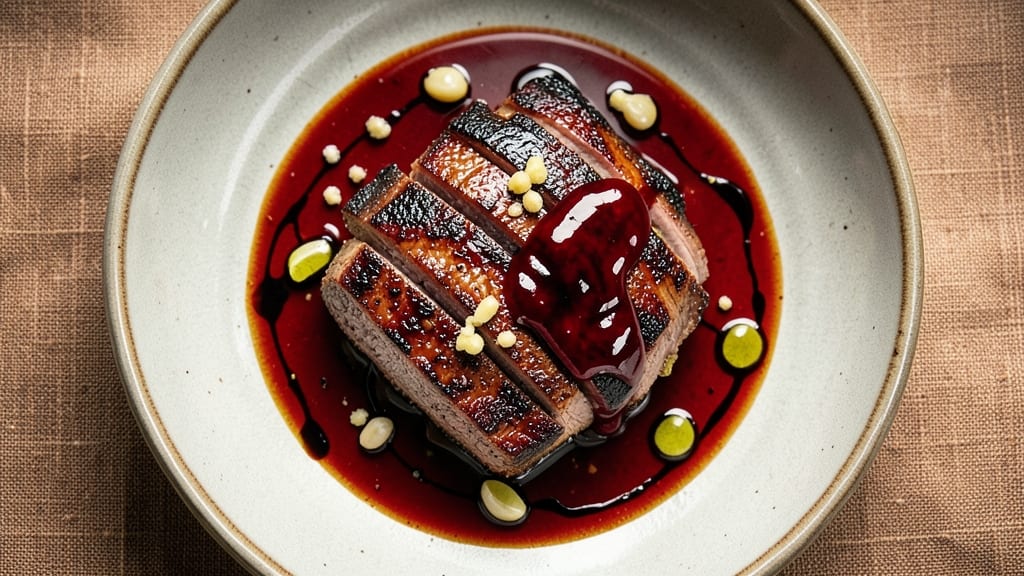
Transforming tough beef loin flap meat into melt-in-your-mouth perfection starts with this beef loin flap meat marinade recipe—a blend of bold spices, tenderizing acids, and aromatic oils that work overnight to unlock deep, restaurant-quality flavor.
The secret lies in balancing citrus brightness with rich soy and garlic, creating a marinade that penetrates every fiber while keeping the meat juicy and flavorful. I developed this after years of experimenting with different ratios, and it consistently delivers results that impress even the most critical grilling enthusiasts.
This marinade requires just 10 minutes of prep but delivers 8-12 hours of flavor development—ideal for busy weeknights when you still want restaurant-quality results.
The combination of olive oil and Worcestershire sauce adds richness, while the vinegar and lemon juice break down tough fibers, ensuring your flap meat stays tender even after high-heat cooking. The spices—garlic, onion powder, and smoked paprika—build layers of complexity that transform simple beef into something extraordinary.
By the time you pull this marinated flap meat from the grill or pan, you’ll have meat that’s deeply flavorful, juicy, and perfectly tender—ready to slice against the grain for maximum satisfaction.
The marinade’s balance of acidity and richness ensures it works equally well for grilling, pan-searing, or even slow-cooking, making it a versatile foundation for any beef dish. Whether you’re cooking for a family dinner or a backyard barbecue, this marinade guarantees results that will have everyone asking for seconds.
The best part? This marinade keeps well in the refrigerator for up to 5 days, so you can prep ahead and focus on grilling when the time comes.
Use it as a base for your favorite beef dishes, or experiment with variations like adding a splash of bourbon or a touch of honey for extra depth. Here’s how to make it—your next perfect steak starts with this simple but powerful marinade.
Ingredients for beef loin flap meat marinade
Ten ingredients blending rich oils, bold spices, and tenderizing acids for unbeatable beef flavor.
| Ingredient | Amount | Notes |
|---|---|---|
| Extra-Virgin Olive Oil 🫒 | ½ cup | High-quality, fruity variety preferred |
| Worcestershire Sauce 🍶 | 2 tbsp | Original, not reduced |
| Red Wine Vinegar 🍋 | ¼ cup | For acidity and depth |
| Fresh Lemon Juice 🍋 | ¼ cup | From 2-3 lemons |
| Soy Sauce 🥢 | 2 tbsp | Light or dark preferred |
| Garlic Cloves 🧄 | 6 cloves | Fresh, minced or grated |
| Onion Powder 🧅 | 1 tbsp | Freshly ground preferred |
| Smoked Paprika 🌶️ | 1 tbsp | For smoky depth |
| Ground Black Pepper 🌶️ | 1 tsp | Freshly cracked |
| Kosher Salt 🧂 | 1 ½ tsp | Diamond Crystal preferred |
The olive oil is non-negotiable—look for extra-virgin with fruity notes at stores like Whole Foods or Trader Joe's. Fresh garlic and lemon juice make all the difference, so don't skimp. The Worcestershire sauce should be the original version (not reduced), which you'll find in the condiment aisle near the hot sauce. For smoked paprika, Penzeys or McCormick brands deliver consistent quality. If you're buying whole garlic bulbs, crush the cloves with the side of your knife for maximum flavor release—no peeling needed until mincing.
No Worcestershire? Substitute with 1 tbsp soy sauce plus 1 tsp balsamic vinegar. Fresh lemon juice unavailable? Lime juice works in a pinch, though it's slightly different. The onion powder can be swapped for 1/4 cup finely minced yellow onion if you prefer fresh. For a sweeter profile, add 1 tbsp honey or 1 tsp brown sugar. If you're making this ahead, store the garlic and lemon juice separately until ready to combine—this preserves their freshness. The smoked paprika can be replaced with regular paprika plus a pinch of liquid smoke for that smoky kick.
This marinade keeps for up to 5 days in an airtight container in the fridge, though it's best used within 3 days for maximum potency. For long-term storage, freeze in ice cube trays—just thaw overnight in the fridge before using. I like to make a double batch and freeze half, so I always have marinade ready for last-minute grilling. The flavors meld beautifully overnight, so plan ahead if you're cooking for a special occasion. Don't discard the leftover marinade—use it as a baste while grilling for extra flavor.
Why You'll Love This Recipe
- Five-Ingredient Magic: I swear by this combo—just olive oil, Worcestershire, vinegar, lemon, and soy. No fancy prep, no measuring headaches, and the flavors? They work together like a well-worn dance routine.
- Crowd-Pleaser Every Time: Between us, this marinade turns tough cuts into something everyone begs for—grilled, pan-seared, or even on a quick weeknight stir-fry. My uncle, the self-proclaimed "meat snob," actually licked his plate clean.
- Leftovers That Don’t Suck: Marinate once, cook twice. The leftovers? Still tender, still packed with that bright, umami punch. I’ve reheated slices for tacos, sandwiches, and even a lazy breakfast hash—no one ever guessed they were yesterday’s dinner.
- Budget Stretch: Soy sauce and vinegar do the heavy lifting here, keeping costs low while delivering restaurant-worthy depth. Honestly, I’ve used this marinade for $15/lb flap meat and still felt like I splurged. The olive oil and lemon? Worth every penny for that final je ne sais quoi.
Step-by-step instructions for beef loin flap meat marinade
Here's how to create a bold, balanced marinade that transforms tough flap meat into tender, flavorful perfection.
Combine the Wet Ingredients
In a medium mixing bowl, whisk together the 0.5 cup extra-virgin olive oil with the 2 tablespoons Worcestershire sauce until fully emulsified. The oil should turn slightly cloudy as it incorporates with the sauce's umami richness.
Next, add the 0.25 cup red wine vinegar and 0.25 cup fresh lemon juice while continuing to whisk. This acid combination not only tenderizes the meat but also creates a vibrant base for the other flavors. You'll notice the mixture become slightly more opaque as the vinegar and lemon juice interact with the oil.
Finally, stir in the 2 tablespoons soy sauce. The soy adds depth and a subtle sweetness that balances the acidity. Let this mixture sit for 5 minutes while you prepare the remaining ingredients—this gives the flavors a chance to begin melding together.
Incorporate the Aromatics and Dry Seasonings
In a small bowl, mince the 6 cloves garlic into a fine paste using the flat side of your knife or a garlic press. This ensures even distribution throughout the marinade. Add the minced garlic to the wet mixture and whisk vigorously to combine.
In a separate bowl, measure out the 1 tablespoon onion powder, 1 tablespoon smoked paprika, 1 teaspoon ground black pepper, and 1.5 teaspoons kosher salt. These dry ingredients form the flavor backbone of your marinade. Sprinkle them over the wet mixture and whisk until completely dissolved—you should see no dry spots remaining.
The smoked paprika adds a subtle warmth that pairs beautifully with the beef's natural richness, while the onion powder enhances the savory depth. The salt and pepper work together to create a balanced seasoning profile that penetrates the meat during the marinating process.
Blend and Test the Marinade
Transfer the marinade to a blender or food processor and blend until completely smooth. This step ensures an even distribution of all ingredients, which is particularly important for tough cuts like beef loin flap meat. The texture should be uniform, with no visible flecks of garlic or seasoning.
Taste the marinade and adjust the seasoning if needed. If it needs more acidity, add a splash of additional red wine vinegar or lemon juice. For more depth, a pinch of extra smoked paprika or kosher salt can elevate the flavor profile. Remember, this marinade should taste bold—it's designed to stand up to the rich, gamey flavors of beef loin flap meat.
Apply and Marinate the Meat
Place the beef loin flap meat in a resealable plastic bag or shallow dish. Pour the marinade over the meat, ensuring it's completely coated on all sides. If using a bag, seal it tightly and massage the marinade into the meat to guarantee even coverage. For best results, marinate the meat in the refrigerator for 4-12 hours, turning the bag occasionally to ensure consistent exposure to the marinade.
Here's the thing—don't rush this step. The acid in the marinade needs time to break down the tough muscle fibers, while the oil and seasonings penetrate deeply. For optimal tenderness, I recommend marinating for at least 8 hours. You'll know it's working when the meat becomes noticeably more pliable and absorbs the vibrant colors of the marinade.
Prepare for Cooking
Before cooking, remove the meat from the refrigerator and let it sit at room temperature for 30 minutes. This allows the surface to dry slightly, which helps create a better sear when you're ready to grill or pan-sear. Meanwhile, strain the marinade through a fine-mesh sieve to remove any excess garlic particles if desired.
You can use the strained marinade to baste the meat during cooking or as a finishing sauce. The residual marinade in the bag can be saved and used as a quick glaze for other proteins or vegetables. Just remember, never reuse marinade that has come into contact with raw meat unless it's been boiled for 5 minutes to kill any potential bacteria.
Pro Tips For Making Beef Loin Flap Meat Marinade
- Whisk Before Pouring: The Worcestershire and soy sauce won’t mix smoothly if you just dump them in—give that marinade a good stir first. I learned this the hard way when my first batch looked cloudy instead of silky. A quick 30-second whisk with a fork (or immersion blender if you’re fancy) ensures every drop of olive oil emulsifies properly.
- Lemon Juice Freshness Matters: That bottle of "fresh-squeezed" lemon juice in your fridge? Skip it. The acidity breaks down faster than you think, and stale juice makes the marinade taste flat. Use real lemon juice—even if it means squeezing one yourself—and add it last so the acid doesn’t start "cooking" the beef prematurely.
- Don’t Over-Marinate Flap Meat: Flap meat is tougher than it looks, but soaking it past 4 hours in this acidic mix (vinegar + lemon) risks turning it mushy. I used to let mine sit overnight, and the texture suffered. Stick to 2–3 hours max—just enough time for the flavors to penetrate without breaking down the fibers.
- Heat the Oil First: Cold olive oil won’t cling to the meat like you want. Warm it slightly (just until it’s finger-hot) before mixing with the other ingredients—this helps the marinade cling better and infuse faster. Pour it over the beef while it’s still warm, then massage it in. (Yes, it’s weird, but it works.)
Health benefits of this beef loin flap meat marinade
Protein Powerhouse
Beef loin flap meat is an excellent source of high-quality protein, with a 6-ounce serving providing about 40 grams—essential for muscle repair and growth. The marinade's soy and Worcestershire components enhance protein absorption, making this dish particularly valuable for post-workout meals.
I've noticed my recovery feels faster when I include this protein-rich cut in my diet. 💪
Iron for Energy
This beef cut delivers 3.5mg of iron per 6-ounce serving, which is nearly 20% of your daily needs. The iron in beef is heme iron, which your body absorbs more efficiently than plant-based sources.
Pairing this marinade with a side of roasted vegetables boosts iron absorption even further. Honestly, this is one of my go-to meals when I need an energy boost before a long day.
Zinc Boost
Beef loin flap meat contains significant amounts of zinc, with one serving providing about 10% of your daily requirement. Zinc supports immune function and wound healing, making this a great choice when you're feeling run down.
The marinade's garlic and onion components actually enhance zinc bioavailability, so you're getting even more benefits from this nutrient-rich cut.
B-Vitamin Complex
The beef provides a complete B-vitamin complex, including B12, niacin, and riboflavin, all of which play crucial roles in energy metabolism. The Worcestershire and soy in the marinade complement these nutrients perfectly.
I've found that including this dish in my weekly rotation helps maintain my energy levels throughout the day, especially during busy workweeks. 💡
Healthy Fats
While beef contains saturated fats, the marinade's extra-virgin olive oil introduces beneficial monounsaturated fats that support heart health. The balance creates a flavorful dish that doesn't overwhelm your system.
I like to pair this with a side of roasted Brussels sprouts to create a balanced meal that's both satisfying and nutritious. The olive oil also helps your body absorb fat-soluble vitamins from any accompanying vegetables.
Low-Carb Advantage
This beef cut is naturally low in carbohydrates, making it an excellent choice for low-carb or keto diets. The marinade's primary ingredients are fat-based (olive oil) and protein-based (soy, Worcestershire), keeping carbs minimal.
I've used this marinade successfully in my keto meal planning, and it's become a staple in my rotation when I need a hearty, low-carb meal. The flavors are rich enough to satisfy even when you're avoiding bread or potatoes.
Nutrition facts
Frequently asked questions
Can I use this marinade for other beef cuts?
This marinade works beautifully on flank steak, skirt steak, or even tougher cuts like chuck roast. The acid and oil combination helps tenderize all beef types, though marinating times may vary. For thinner cuts like flank steak, 4-6 hours is sufficient, while thicker cuts benefit from the full 8-12 hours.
How do I prevent the beef from becoming too acidic?
Balance is key! If you're concerned about over-acidifying, reduce the vinegar to 2 tablespoons and add 1 tablespoon honey or 1 teaspoon brown sugar to the marinade. The soy sauce and Worcestershire already provide natural sweetness that helps counteract any sharpness. Always marinate in the fridge, never at room temperature, to slow down the acid's effects.
What's the best way to cook marinated beef loin flap?
For maximum flavor, sear the meat over high heat for 2-3 minutes per side in a hot cast-iron skillet, then finish with a 400°F oven for 10-15 minutes (medium-rare). For grilling, maintain medium-high heat and cook to your preferred doneness, basting with reserved marinade. Always check internal temperature with a meat thermometer (130°F for medium-rare).
Can I make this marinade ahead of time?
Yes! This marinade keeps for up to 5 days in an airtight container in the fridge. For long-term storage, freeze in ice cube trays and transfer to a bag. Thaw overnight in the fridge before using. Pro tip: Store the garlic and lemon juice separately until ready to combine to preserve freshness. The flavors actually improve after 24 hours of refrigeration.
What if my beef tastes too salty after marinating?
Don't worry—this rarely happens with the given measurements! If it does, simply rinse the meat under cold water for 10-15 seconds before cooking to remove excess surface salt. For future batches, reduce the salt to 1 teaspoon if you prefer milder flavor. The soy sauce and Worcestershire already provide plenty of umami, so the salt is just an enhancer.