
Sauces & Condiments
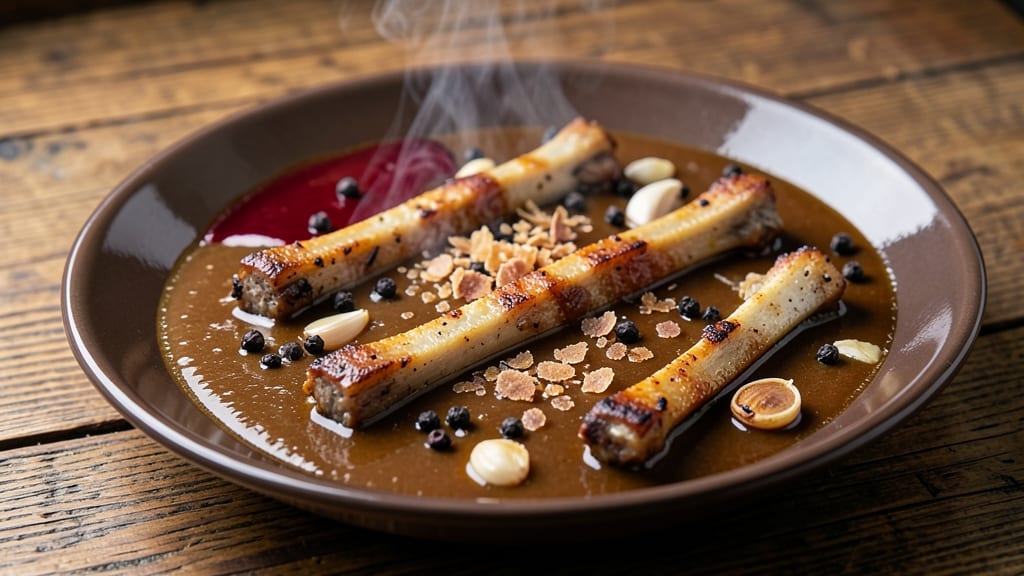
Creating a beef rib sauce recipe that delivers deep, smoky umami flavor starts with capturing those precious drippings from your ribs. This sauce transforms simple ingredients into a rich, velvety glaze that elevates every bite—whether you're grilling, slow-cooking, or basting.
The key lies in deglazing the pan and reducing the liquid to perfection, creating a sauce that's both complex and foolproof.
What sets this sauce apart is its ability to balance sweetness, acidity, and smokiness in every spoonful. Using beef drippings as the base ensures a meaty depth that store-bought sauces can't match, while a touch of vinegar brightens the richness.
The reduction process concentrates the flavors, resulting in a sauce that's thick enough to cling to ribs but still glossy and inviting. It's the kind of sauce that makes grilling feel like a restaurant-quality experience.
This recipe delivers a sauce that's versatile enough for any cooking method—brush it on ribs during the last hour of smoking, drizzle it over slow-cooked beef, or use it as a finishing glaze for grilled steaks.
The process is straightforward but requires patience as the sauce simmers down, so you'll end up with a glaze that's worth every minute. Let's get started on creating this flavor-packed sauce.
Once you've mastered this technique, you'll find yourself reaching for it whenever ribs or beef are on the menu. Store it in the fridge for up to two weeks or freeze it for longer use, ensuring you always have that restaurant-quality sauce at your fingertips.
The secret to success lies in the details—don't rush the reduction, and always use high-quality ingredients. This sauce is the perfect finishing touch for any beef dish.
Ingredients for beef rib sauce
Nine ingredients transform rib drippings into a restaurant-quality glaze—smoky, sweet, and packed with umami.
| Ingredient | Amount | Notes |
|---|---|---|
| Beef Rib Drippings 🥩 | 1 cup | Fresh from cooked ribs, strained |
| Red Wine Vinegar 🍷 | ¼ cup | Balsamic or apple cider works too |
| Brown Sugar 🍯 | ½ cup | Light or dark, packed |
| Worcestershire Sauce 🍶 | 2 tbsp | High-quality, full-bodied |
| Smoked Paprika 🌶️ | 1 tbsp | For authentic smoky depth |
| Garlic Cloves 🧄 | 4 cloves | Minced, fresh preferred |
| Fresh Thyme Leaves 🌿 | ¼ cup | Or 1 tsp dried thyme |
| Black Peppercorns 🌶️ | ½ tsp | Freshly cracked for heat |
| Diamond Crystal Kosher Salt 🧂 | ½ tsp | For seasoning balance |
| Unsalted Butter 🧈 | 2 tbsp | Full-fat for richness |
The beef drippings are non-negotiable—this is where the sauce gets its meaty depth. Save every drop from your ribs (even the dark, flavorful bits at the bottom of the pan), and strain out any large chunks. For extra smokiness, add a dash of liquid smoke if you're not using smoked ribs. The brown sugar should be packed—don't scoop it loosely. Domino or C&H brands work perfectly. Fresh thyme makes a difference here, but dried is fine in a pinch—just use one-third the amount. The Worcestershire sauce? Lea & Perrins is the gold standard, but any good brand will do.
No beef drippings? Substitute with beef broth—just reduce it by half first to concentrate the flavor. Short on vinegar? Lemon juice or balsamic vinegar both work, but the acidity might need adjusting. The smoked paprika can be swapped for regular paprika plus a pinch of cayenne if you want more heat. Pre-minced garlic is fine, but fresh minced gives better flavor. The butter at the end is crucial—it adds silkiness and helps the sauce cling to ribs. Don't skip it, even if you're watching calories.
This sauce thickens as it cools, so start checking consistency after 10 minutes of resting. If it's too thick, whisk in a splash of warm water. Store in a glass jar in the fridge for up to 2 weeks—the flavors actually improve overnight. For longer storage, freeze in ice cube trays, then transfer to a bag. Perfect for brushing on ribs, drizzling over slow-cooked beef, or finishing grilled steaks. Leftovers? Toss in a splash of water and simmer to loosen.
Why You'll Love This Recipe
- Pantry Magic: I swear by this sauce because it uses what’s already lurking in my cupboards—no fancy shopping required. Just grab those leftover rib drippings (yes, the ones you’d normally toss), toss in vinegar and sugar, and boom—flavor without the grocery run.
- Smoky-Sweet Obsession: That smoky paprika and brown sugar combo? It’s like a hug for your taste buds. The vinegar cuts through the richness, while Worcestershire adds this deep, umami punch that makes every bite unforgettable.
- Leftovers? Laughable: This sauce actually improves the next day—thickens just right, flavors deepen. I’ve drizzled it on cold cuts for sandwiches, stirred it into mashed potatoes, and even used it to glaze roasted veggies. (Yes, even my picky teen asks for seconds.)
- Weeknight Hero: Twenty minutes max, one pot, zero stress. Simmer those drippings with the vinegar and sugar until it’s glossy and sticky, then finish with the Worcestershire. It’s my go-to when I’m too tired to think but still want restaurant-quality flavor.
Step-by-step instructions for beef rib sauce
Here's the method—simple, bold flavors that'll elevate any grilled or slow-cooked beef.
Bloom the Spices in the Drippings
Heat the 1 cup beef rib drippings in a medium saucepan over medium heat until it shimmers but doesn't smoke. This should take about 3-4 minutes. The drippings should smell rich and meaty—this is your flavor foundation.
Add the 1 tablespoon smoked paprika and stir constantly for 30 seconds until fragrant. Here's the thing—don't rush this step. The paprika needs time to bloom fully, releasing its deep, smoky aroma that'll infuse the entire sauce. If it darkens too quickly, reduce the heat slightly.
Build the Base with Vinegar and Sugar
Pour in the 0.25 cup red wine vinegar and 0.5 cup brown sugar, stirring to combine. The mixture will bubble vigorously at first, then settle into a gentle simmer. Let it cook uncovered for 5-6 minutes until the sugar dissolves completely and the liquid reduces slightly.
This is where the magic happens—the vinegar cuts through the richness of the drippings while the sugar caramelizes just enough to create a glossy, sticky base. You'll notice the aroma becoming more complex, with notes of caramel and subtle acidity. If the mixture starts to darken too quickly, reduce the heat to medium-low to prevent burning.
Incorporate Aromatics and Seasonings
Add the 4 minced garlic cloves, 0.25 cup fresh thyme leaves, 0.5 teaspoon cracked black peppercorns, and 0.5 teaspoon Diamond Crystal kosher salt. Stir everything together and let it simmer gently for 4-5 minutes until the garlic is fragrant and the thyme releases its earthy aroma.
Here's the moment that matters: the sauce should smell like a perfect balance of smoky, sweet, and herby notes. If the thyme leaves aren't fresh, you might want to strain them out after this step to avoid bitterness. The peppercorns should be fully cracked—this ensures even heat distribution throughout the sauce.
Finish with Butter and Worcestershire
Reduce the heat to low and whisk in the 2 tablespoons unsalted butter and 2 tablespoons Worcestershire sauce. The butter will melt instantly, creating a silky texture while adding richness. Let the sauce simmer for another 3-4 minutes, stirring occasionally, until it thickens slightly and coats the back of a spoon.
Taste and adjust the seasoning if needed—you might want to add a pinch more salt or a splash of vinegar to balance the flavors. The sauce should be glossy, sticky, and packed with layers of umami, smokiness, and subtle sweetness. If it's too thick, whisk in 1 tablespoon of water to reach your desired consistency.
Strain and Store for Maximum Flavor
For a smooth finish, strain the sauce through a fine-mesh sieve into a clean saucepan, pressing gently on the solids to extract all the flavor. This step ensures a velvety texture without any herb bits. Let the sauce cool slightly—it'll thicken even more as it sits.
Use the sauce immediately over grilled ribs, slow-cooked beef, or drizzle it over roasted vegetables. For leftovers, store it in an airtight container in the refrigerator for up to 1 week or freeze for 3 months. The flavors actually deepen over time, making it even more irresistible the next day.
Pro Tips For Making Beef Rib Sauce
- Skim the Fat First: Let those beef rib drippings sit for 5 minutes off the heat—just long enough for the fat to rise to the top. Scoop it off with a spoon before you start cooking; too much fat in your sauce later will make it greasy instead of rich. (I learned this after making a sauce so heavy it needed a ladle to eat.)
- Reduce Vinegar Slowly: Add the red wine vinegar after the drippings have simmered for 10 minutes, not at the start. It’s acidic enough to cut through the sweetness, but rushing it can make the sauce taste sharp and unfinished. Let it mellow in—like a good conversation, it needs time to blend.
- Whisk in Sugar Early: Stir in the brown sugar before the Worcestershire sauce and smoked paprika, not after. The sugar caramelizes faster when it hits the hot drippings first, giving your sauce that deep, glossy sheen. Skip this, and you’ll end up with a sauce that’s just… underwhelming.
- Taste Before Thickening: Check the seasoning before you add any thickeners (like flour or cornstarch). The Worcestershire and vinegar can sneak up on you, making the sauce too tangy or salty. A quick taste now saves you from scrambling to fix it later—trust me, I’ve done both.
Troubleshooting great beef rib sauce
Sauce Too Thin
If your sauce ends up too thin after reduction, you likely rushed the simmering process. The key is patience—reduce over medium-low heat for at least 15-20 minutes until it thickens to a glossy consistency that coats the back of a spoon.
For an immediate fix, whisk in 1 tablespoon of cornstarch slurry (mix 1 tsp cornstarch + 1 tbsp cold water) and simmer for 2-3 minutes until thickened. 🌡️
Sauce Too Thick
Over-reduced sauce can become clumpy and lose its gloss. Thin it with 1 tablespoon warm water at a time, whisking constantly until you reach a pourable consistency. For a smoother texture, strain the sauce again through a fine-mesh sieve after thinning.
If it's still too thick, add another splash of water and simmer gently for 1-2 minutes—just enough to loosen without diluting the flavor.
Burnt or Bitter Taste
Burnt flavors usually mean the heat was too high or the sauce simmered too long. Keep the heat at medium-low throughout the reduction process, and never let it boil vigorously.
If bitterness creeps in, balance it with an extra ½ teaspoon of Worcestershire sauce or a splash of red wine vinegar. For burnt drippings, strain them through a cheesecloth-lined sieve to remove any charred bits before starting the sauce.
Lack of Smokiness
If your sauce tastes flat or lacks depth, the smoked paprika or drippings may not have infused properly. Bloom the smoked paprika in the drippings for at least 1 minute before adding other ingredients.
For extra smokiness, add ½ teaspoon of liquid smoke (like Colman's) or a pinch of cayenne pepper to amplify the heat. If using store-bought drippings, simmer them uncovered for 5 minutes to concentrate the flavor before building the sauce.
Sauce Separates
Separation happens when fats and liquids don’t emulsify properly, often due to rapid temperature changes. To fix it, whisk in 1 tablespoon of cold water or beef broth while the sauce is still warm, then return to low heat and stir gently until smooth.
For prevention, keep the heat consistent and avoid sudden temperature shifts. If the sauce still separates, blend it briefly with an immersion blender for a silky texture.
Weak Flavor Profile
Weak flavors usually mean the base ingredients weren’t strong enough. Use high-quality beef drippings (or reduce beef broth by half first) and ensure your Worcestershire sauce is full-bodied (like Lea & Perrins).
For extra umami, add 1 teaspoon of fish sauce or ½ teaspoon of MSG (if you’re avoiding it, use 1 extra tablespoon of soy sauce). Let the sauce sit overnight in the fridge—flavors deepen as it rests. 💡
Nutrition facts
Frequently asked questions
Can I make this sauce without beef drippings?
Yes, but the flavor will be less rich. Use 1 cup beef broth instead, and reduce it by half first to concentrate the flavor. For extra depth, add 1 teaspoon of beef bouillon powder to the broth before reducing. The sauce will still taste delicious but won't have that meaty umami punch from real drippings.
How do I know when the sauce is ready?
The sauce is done when it coats the back of a spoon and has a glossy, syrupy consistency. It should take about 20-25 minutes of simmering total. Taste it before removing from heat—it should balance sweet, smoky, and tangy flavors without being overly bitter. Let it cool slightly before using, as it thickens as it sits.
Can I use this sauce on other meats besides ribs?
This sauce works beautifully on grilled steaks, roasted pork chops, or even slow-cooked chicken thighs. The smoky-sweet profile complements rich, fatty meats perfectly. For poultry, reduce the sugar slightly (0.3 cup) to avoid overpowering the flavor.
Why does my sauce turn out too thick?
Over-reducing is the most common cause. Keep the heat at medium-low and stir occasionally to prevent sticking. If it's too thick, whisk in 1 tablespoon warm water at a time until you reach a pourable consistency. For a smoother texture, strain the sauce again through a fine-mesh sieve. The sauce will naturally thicken more as it cools.
How long will this sauce keep in the fridge?
Store the sauce in an airtight container in the refrigerator for up to 1 week. The flavors actually improve over time! For longer storage, freeze in ice cube trays or small containers for up to 3 months. Thaw overnight in the fridge before using. The sauce reheats well—just warm it gently on the stove or in the microwave.