
Main Courses
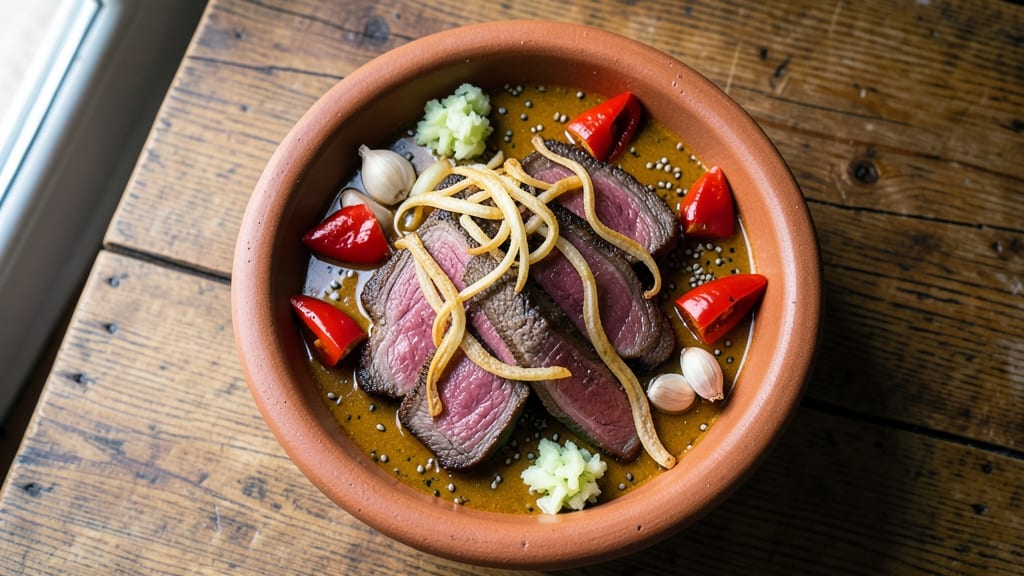
This beef tongue curry recipe delivers the kind of slow-simmered depth that transforms a simple ingredient into a restaurant-worthy centerpiece.
The key lies in marinating the meat overnight to develop rich, complex flavors before it tenderizes in a fragrant spice blend—think warm cinnamon, earthy cumin, and bright turmeric working together over hours.
I first discovered this technique while researching traditional South Asian methods, where beef tongue is often celebrated for its ability to absorb and amplify spices.
What sets this curry apart is the two-stage cooking process: first, a gentle simmer to break down the collagen-rich meat, then a reduction of the sauce to concentrate its flavors. The result is fork-tender beef tongue swimming in a velvety, aromatic sauce that clings to every bite.
This method requires patience—about 4 hours of active cooking time—but the reward is a dish that feels both luxurious and deeply satisfying, perfect for special occasions or when you want to impress without fuss.
The finishing touches matter just as much as the cooking. A squeeze of fresh lime brightens the rich spices, while cilantro adds a fresh herbal note that cuts through the depth.
Serve it over steamed basmati rice or with warm naan to soak up every last drop of that flavorful sauce. The presentation is simple but striking—golden, tender slices of beef tongue nestled in a glossy, spice-infused gravy.
For those new to beef tongue, don’t let the name intimidate you. The texture is surprisingly tender when cooked properly, with a subtle sweetness that pairs beautifully with the bold spices.
This recipe strikes the perfect balance between traditional technique and approachable home cooking—ideal for anyone eager to explore the rich flavors of South Asian cuisine without the complexity. Let’s get cooking!
Ingredients for beef tongue curry
Rich spices and tender beef tongue transform into a luxurious curry with just these sixteen ingredients.
| Ingredient | Amount | Notes |
|---|---|---|
| Beef Tongue 🥩 | 2 lb | Cleaned, trimmed of fat |
| Fresh Ginger 🧄 | ½ cup | Grated, peeled, fresh preferred |
| Yellow Onion 🧅 | 1 whole | Medium, sliced into half-moons |
| Garlic Cloves 🧄 | 8 cloves | Peeled, minced finely |
| Ground Cumin 🌿 | 1 ½ tbsp | Freshly toasted for depth |
| Ground Coriander 🌿 | 1 ½ tbsp | Freshly ground preferred |
| Turmeric Powder 🌶️ | 1 tbsp | Bright, vibrant color |
| Cinnamon Sticks 🌿 | 2 whole | For aromatic infusion |
| Cardamom Pods 🌿 | 6 whole | Lightly crushed for release |
| Black Peppercorns 🌶️ | 1 tsp | Freshly cracked preferred |
| Coconut Milk 🥥 | 1 can | Full-fat, 13.5 oz can |
| Tomatoes 🍅 | 4 whole | Roma, crushed by hand |
| Fresh Lime 🍋 | 2 whole | Juiced, seeds removed |
| Fresh Cilantro 🌿 | ½ cup | Chopped, stems removed |
| Ghee 🧈 | ½ cup | Clarified butter, high smoke point |
| Salt 🧂 | 2 tsp | Diamond Crystal preferred |
The beef tongue is the star—source it from a trusted butcher or specialty grocer like Whole Foods or Eataly, where they can clean and trim it for you. Look for tongues with a firm, slightly springy texture and a vibrant pinkish hue; avoid any with a strong odor or discoloration. Fresh ginger and garlic should be firm and aromatic, while the spices—cumin, coriander, and turmeric—should be purchased from reputable brands like Burlap & Barrel or Penzeys for optimal freshness. The coconut milk must be full-fat for that velvety texture, and Thai Kitchen or Goya brands deliver consistent quality. Roma tomatoes add depth, but if unavailable, substitute with San Marzano canned tomatoes for a sweeter profile.
No fresh ginger? Substitute with 2 tablespoons of ground ginger, though the flavor will be less complex. Cardamom pods can be omitted if unavailable, but the dish will lose its signature floral note—though 1 teaspoon of ground cardamom works in a pinch. For coconut milk, use light coconut milk at half the amount, though the sauce will separate slightly. The tomatoes can be swapped for 1 can (14.5 oz) tomato sauce, but crushing fresh yields better texture. Fresh lime juice is non-negotiable for brightness, but if you're short, 1 tablespoon of bottled lime juice (like ReaLime) suffices. The ghee can be replaced with unsalted butter, though it has a lower smoke point.
Store the beef tongue in the fridge for up to 3 days before cooking, wrapped tightly in plastic. The marinade and spices can be prepped a day ahead and refrigerated in an airtight container. Once cooked, the curry reheats beautifully—simmer gently on the stove for 10-15 minutes to restore its velvety texture. Leftovers keep for 5 days in the fridge or 3 months frozen. For freezing, portion into individual servings to avoid thawing the entire dish. The sauce thickens upon reheating, so a splash of water or coconut milk can restore its consistency.
Why You'll Love This Recipe
- One-Pan Magic: I swear by this—simmer the beef tongue whole with onions and ginger, then shred it right in the pot. No extra dishes, no fuss. Just 10 minutes of active work, and the rest is hands-off flavor-building.
- Ginger-Garlic Bomb: That fresh ginger and garlic combo? It’s the secret weapon here. The tongue absorbs the aroma like a sponge, giving you layers of warmth and depth with almost no effort. (Yes, even on a Tuesday night.)
- Leftovers That Beg: This curry tastes better the next day—honestly, it’s my go-to for meal prep. The flavors meld, the texture gets even more tender, and I’ve reheated portions for lunch all week without a single complaint.
- Budget Feast: A whole beef tongue feeds four for less than $15. Pair it with rice or flatbread, and suddenly you’ve got a restaurant-quality meal that won’t break the bank. My wallet and my family thank me every time.
Step-by-step instructions for beef tongue curry
Follow this methodical approach for tender, aromatic beef tongue infused with complex spices.
Prepare and Parboil the Beef Tongue
Begin by thoroughly cleaning the 2 lb beef tongue under cold running water, then pat it completely dry with paper towels. Trim away any remaining fat or connective tissue using a sharp boning knife. This preparation ensures proper seasoning penetration and even cooking.
Place the cleaned tongue in a large pot and cover it with cold water by about 2 inches. Add 2 tsp salt and bring to a boil over high heat. Once boiling vigorously, reduce to a gentle simmer and cook for 45-60 minutes, turning occasionally. The tongue is ready when it begins to separate slightly from the bone and feels tender when pressed with a fork. Drain and set aside to cool completely before proceeding.
Build the Spice Base and Sauté Aromatics
In a heavy-bottomed Dutch oven, melt 0.5 cup ghee over medium heat. Add the 1 whole yellow onion, sliced into half-moons, and cook for 5-6 minutes until softened and translucent. Add the 8 cloves garlic cloves, 0.5 cup fresh ginger, 2 whole cinnamon sticks, and 6 whole cardamom pods, cooking for an additional 2-3 minutes until fragrant.
Stir in the 1.5 tbsp ground cumin, 1.5 tbsp ground coriander, 1 tbsp turmeric powder, and 1 tsp black peppercorns, toasting the spices for 30 seconds until their aromas intensify. This step develops the curry's foundational depth of flavor, so don't rush it. The spices should smell warm, earthy, and slightly sweet.
Simmer the Curry with Tomatoes and Coconut Milk
Add the 4 whole tomatoes, crushed by hand, to the Dutch oven. Cook for 8-10 minutes until the tomatoes break down into a thick, fragrant paste. This reduction concentrates their natural sweetness and acidity, balancing the rich spices. Stir occasionally to prevent burning.
Pour in the 1 can coconut milk, scraping up any browned bits from the bottom of the pot. Bring the mixture to a gentle simmer, then reduce heat to low and cook for 20-25 minutes, allowing the flavors to meld. The curry should thicken slightly, developing a velvety texture. Taste and adjust seasoning with additional salt if needed.
Incorporate the Beef Tongue and Finish
Add the cooled, parboiled beef tongue to the curry. Gently stir to coat it evenly with the spiced sauce. Increase heat to medium-low and simmer for 1.5-2 hours, partially covered, until the tongue is fork-tender and easily pulls away from the bone. The curry should reduce slightly, intensifying its flavor and creating a rich, aromatic sauce.
Once the tongue is tender, remove it from the curry and set aside to rest. Strain the cooking liquid through a fine-mesh sieve to remove any remaining spices or cardamom pods, then return the strained sauce to the pot. Stir in the juice of 2 whole fresh lime and 0.5 cup chopped fresh cilantro, allowing the bright citrus and fresh herbs to brighten the dish.
Serve with Perfectly Balanced Flavor
Slice the beef tongue into ¼-inch thick pieces and return it to the curry, gently coating each slice with the sauce. Serve immediately, accompanied by steamed basmati rice or warm naan bread. The curry should have a harmonious balance of spice, richness, and acidity, with tender, melt-in-your-mouth beef tongue at its heart.
For best results, allow the curry to sit for 10-15 minutes before serving. This resting period ensures the flavors continue to develop and the sauce reaches its ideal consistency. Each bite should deliver a perfect marriage of tender meat and complex, aromatic spices.
Pro Tips For Making Beef Tongue Curry
- Parboil First: Beef tongue needs a 30-minute head start in simmering water before you even think about curry-making. I learned this the hard way—skipping it leaves the meat tough and chewy, no matter how long you simmer later. Use a big pot, keep it just below a boil, and don’t rush this step.
- Grate, Don’t Mince Ginger: Fresh ginger loses its bite when minced, but a quick grating (no finer than a box grater) keeps the texture and flavor sharp. I used to pulse it in a food processor and wondered why my curry tasted flat—this change made a real difference in the first 10 minutes of cooking.
- Bloom Cumin Dry: Toast your ground cumin in the dry pan for 30 seconds before adding onions. This step deepens its earthy aroma and prevents it from turning bitter. I was skeptical until I tried it—now I never skip it, even when I’m in a hurry.
- Simmer Low, Long: After browning the aromatics, drop the heat to a bare simmer for the curry. Beef tongue needs 2–3 hours to fall apart tenderly, and rushing it turns the meat to mush. Sounds weird, but it works: low and slow guarantees a dish that’s creamy, not sloppy.
Common mistakes when making this recipe
Skipping the Parboil
One of the most common mistakes is skipping the parboil step—this is critical for tenderizing the dense beef tongue. Without it, the meat will remain tough and chewy no matter how long you simmer it later.
Always parboil for 45-60 minutes to break down collagen and prepare the tongue for the long cook ahead. I’ve seen many home cooks overlook this, and the results are disappointing. 🔥
Overcrowding the Pot
When building the spice base, avoid overcrowding the Dutch oven with too many aromatics at once. This leads to steaming instead of sautéing, which dulls the flavors. Cook onions in batches if needed, and remove cinnamon sticks and cardamom pods once they’ve released their aromas—about 2-3 minutes—to prevent bitterness.
I learned this the hard way when my first batch tasted bland because the spices weren’t properly toasted. 🌶️
Rushing the Simmer
Patience is key with beef tongue curry. Rushing the low-and-slow simmer (especially the 1.5-2 hours after adding the tongue) can leave the meat tough. Maintain a gentle simmer at medium-low heat—not a rolling boil—to ensure even cooking and maximum tenderness.
I once cut the time short and ended up with fork-tender but still slightly rubbery slices. Trust the process!
Ignoring the Resting Period
After cooking, never skip the 10-15 minute rest before slicing. This allows the juices to redistribute, ensuring each bite is moist and flavorful. I’ve seen people slice immediately, and the results are dry, stringy slices that lose all their richness.
Let the tongue rest in its sauce—it’s worth the wait. ⏰
Using Low-Quality Ghee
Cheap or low-fat ghee (or substituting butter) can ruin the sauce’s velvety texture. Always use full-fat, high-quality ghee (like Gujarat or organic brands) for its rich, nutty flavor and high smoke point.
I once used butter and ended up with a broken sauce that separated. Invest in good ghee—your curry will thank you. 🧈
Overlooking the Strain
Straining the sauce to remove whole spices is non-negotiable for a smooth, professional finish. Leaving in cardamom pods or cinnamon sticks can make the curry bitter or gritty. Use a fine-mesh sieve and press gently with a spoon to extract every drop of flavor.
I’ve tasted curries where this step was skipped, and the texture was disappointingly uneven. 💫
Nutrition facts
Frequently asked questions
Why do I need to parboil the beef tongue before making the curry?
The parboiling step is essential for breaking down collagen in the dense tongue muscle, which prevents it from becoming tough or chewy during the long simmer. Skipping this step often results in rubbery texture even after hours of cooking. Think of it as pre-tenderizing the meat before the flavor infusion begins.
Can I make this curry in an Instant Pot instead of a Dutch oven?
Yes, but with adjustments! First parboil the tongue traditionally, then sauté your aromatics in a skillet before transferring everything to the Instant Pot. Use the "High Pressure" setting for 45 minutes after adding the tongue, then finish with the fresh lime and cilantro. The sauce may be slightly thinner, so reduce it on the stovetop afterward.
What's the best way to store leftovers?
Store in an airtight container in the fridge for up to 5 days or freeze for 3 months. For reheating, simmer gently on low heat with a splash of water or coconut milk to restore the sauce's consistency. Never microwave directly from frozen—thaw overnight first. The flavors actually deepen when reheated properly!
Can I substitute beef tongue with another meat?
While beef tongue is ideal for its unique texture, you could try pork tongue or beef short ribs as alternatives. However, the cooking time will differ—pork tongue needs about 30% less time while ribs may require 2-3 hours total. The sauce will still work, but the texture contrast will change significantly.
How do I know when the beef tongue is fully cooked?
It's done when a fork slides in easily and the meat pulls away from the bone with minimal resistance. The tongue should also feel tender when pressed between your fingers. For visual confirmation, look for a slight separation between the meat and bone—this happens naturally during the long simmer.