
Tips
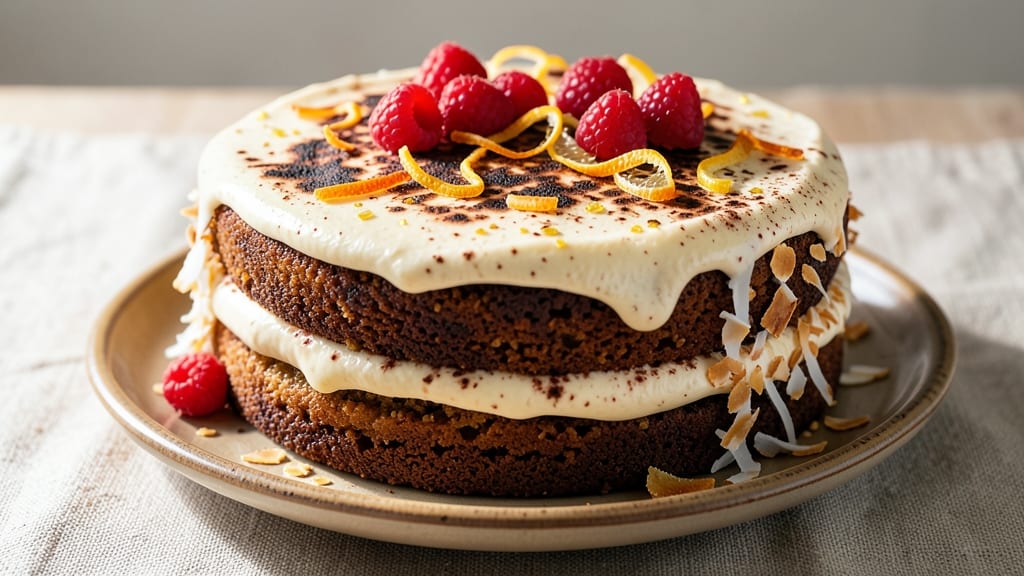
The best rum for rum cake recipe is aged dark rum like Appleton Estate Reserve or Diplomático Reserva Exclusiva, offering deep caramel, vanilla, and spice notes that enhance moisture and depth without overpowering. Light rums like Bacardi Superior work for subtler flavors, while spiced rums add warmth but may dominate delicate cakes.
The aging process transforms rum into a golden elixir for baking, as years in oak barrels develop those coveted caramel and vanilla undertones that seep into your cake batter like liquid magic. 💫 A 3-year minimum aging period is ideal for rum cakes, as it ensures a balance of sweetness and depth without the harshness of younger spirits.
For those who prefer a lighter touch, white rums like Bacardi Superior offer a clean canvas that lets other ingredients shine, while spiced varieties can introduce unexpected warmth—just be mindful of their boldness in delicate recipes.
Moisture retention is where rum truly shines, thanks to its natural sugar content and alcohol that evaporates during baking, leaving behind a tender crumb. I’ve found that using 1/3 to 1/2 cup of rum per 9x13-inch cake strikes the perfect balance—enough to infuse flavor without making the cake soggy.
For extra insurance, pair your rum with ingredients like buttermilk or sour cream, which complement its richness while keeping the texture light and airy.
💡 In This Article
- How Aging and Blending Affect Rum Cake Flavor
- Top 3 Rum Cake Rums by Flavor and Budget
How aging and blending affect rum cake flavor
Aged dark rums develop their signature depth through a chemical process called oxidation and caramelization during barrel aging. When rum spends 3+ years in oak barrels, it absorbs compounds like vanillin (vanilla) and furfural (caramel) from the wood, while natural sugars concentrate through evaporation.
This creates the rich, molasses-like flavor that transforms a simple cake into something luxurious. The longer the aging, the more pronounced these flavors become—think of it like a slow-cooked reduction where alcohol evaporates, leaving behind intensified sweetness and complexity.
The sugar content in aged rums plays a crucial role in moisture retention. For example, Appleton Estate Reserve contains about 3.5% residual sugar, which acts as a natural humectant—binding to water molecules and preventing the cake from drying out.
When baked, this sugar caramelizes further, creating those signature golden-brown edges and a tender crumb. Light rums, however, typically have 0.5-1% sugar and lack this moisture-enhancing effect, making them better suited for recipes where you want the rum's flavor to be subtle rather than dominant.
Blending also matters—many premium rums combine different aged batches to achieve consistency. For instance, Diplomático Reserva Exclusiva blends rums aged 5-7 years, creating a smoother profile with balanced caramel and spice notes. This blending process reduces harsh alcohol burn, making the rum more cake-friendly.
In contrast, unblended rums can have more pronounced variations in flavor and alcohol content, which might overpower delicate cake batters if not used carefully.
Spiced rums introduce an entirely different dynamic. Their added cinnamon, nutmeg, or vanilla (like in Captain Morgan Original Spiced) can create warmth and complexity, but they also increase sweetness and alcohol content.
This makes them ideal for rum-soaked cakes or frostings where bold flavors are desired, but they risk overpowering subtle vanilla or citrus-based cakes. The key is to use them sparingly—typically 1/4 cup per 9x13-inch cake—and pair them with complementary spices in the batter to harmonize the flavors.
Here's what's actually happening when you bake with rum: The alcohol evaporates during the 350-375°F baking process, but not before it emulsifies with fats (like butter) and sugars in the batter.
This creates tiny air pockets that lighten the texture, while the remaining rum essence infuses the crumb with its signature depth. For maximum impact, I recommend adding rum to the batter at the end of mixing—this ensures even distribution without letting it evaporate prematurely in the oven.
The science of rum selection extends beyond flavor—it's about texture control. Aged rums' higher sugar content helps create a moisture gradient in the cake: the outer layers stay tender longer, while the interior remains dense and flavorful.
Light rums, with their lower sugar, produce cakes that are lighter but may dry out faster. For the best results, pair your rum choice with ingredients that complement its profile: aged rums work beautifully with dark brown sugar and chocolate, while light rums shine in citrus-infused or coconut-based cakes.
What most people don't realize is how rum's proof (alcohol content) affects cake structure. Overproof rums (80 proof or higher) can create air pockets that make cakes rise too quickly, potentially leading to a dense or gummy texture.
For this reason, I often recommend reducing the rum slightly (by 10-20%) when using high-proof options like Bacardi 151 in cake recipes. The solution? Use it primarily for soaking or frosting where its bold flavor can shine without compromising the cake's structure. 💫