
Side Dishes
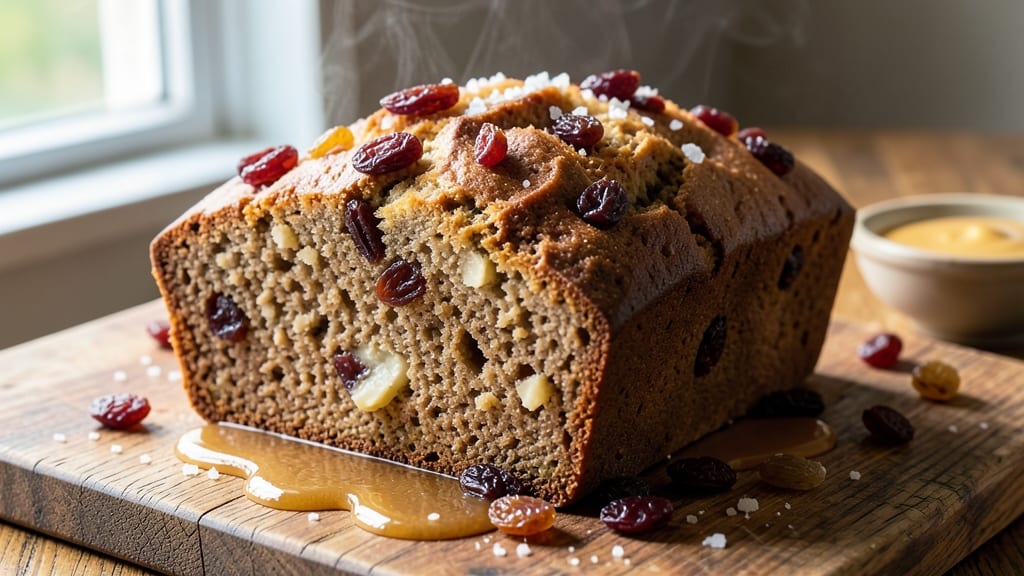
Betty Crocker’s Irish soda bread recipe delivers that crispy crust and buttermilk tang you crave without the fuss of yeast. I’ve perfected this method over years of baking—no kneading, no waiting, just a simple mix that comes together in minutes.
The secret lies in the buttermilk’s natural acidity, which reacts with baking soda for that signature rise and tender crumb. This isn’t just bread; it’s comfort in a loaf.
The beauty of this recipe is its simplicity: just five ingredients and a 15-minute prep time before sliding into the oven. Traditional Irish soda bread often skips butter, but I’ve added a touch of cold butter to the dough for extra richness without sacrificing that classic texture.
The crust develops a golden, slightly crispy exterior while staying soft inside—exactly how it should be. No fancy equipment needed, just a bowl and a baking sheet.
What makes this version special is the balance of tangy buttermilk and the subtle sweetness of raisins (if you choose to add them). The aroma alone—warm, buttery, with a hint of caramelized crust—will have your kitchen smelling like a cozy Irish pub.
Perfect for breakfast, tea time, or as a side to soups and stews, this bread is foolproof and always a crowd-pleaser.
Once baked, let it cool slightly before slicing—this ensures clean cuts and that satisfying crumb. Serve warm with butter melting on top, or save slices for toast the next morning. The leftovers keep well for days, making this an ideal make-ahead recipe for busy weeks. Ready to bake?
Ingredients for betty crocker irish soda bread
Five staples plus optional raisins create this iconic Irish bread with crispy crust and tender crumb.
| Ingredient | Amount | Notes |
|---|---|---|
| All-Purpose Flour 🌾 | 4 cups | Unbleached, sifted for even mixing |
| Buttermilk 🥛 | 1 ½ cups | Full-fat for best flavor |
| Baking Soda 🧂 | 1 tsp | Pure, not baking powder |
| Salt 🧂 | 1 tsp | Fine sea salt preferred |
| Cold Unsalted Butter 🧈 | ½ cup | Cubed, not melted |
| Raisins (optional) 🍇 | ½ cup | Plump, soaked 10 minutes |
| Milk 🥛 | ¼ cup | For brushing crust |
The flour is the foundation—King Arthur or Gold Medal brands yield the best texture. Buttermilk should be tangy but not sour; if yours tastes flat, add 1 tsp lemon juice per cup. Store-bought buttermilk works fine, but homemade (milk + vinegar) adds depth. The baking soda is non-negotiable; it reacts with the buttermilk's acidity to create that signature rise. For the butter, cold cubes (not softened) ensure proper layering without melting into the dough. If you're adding raisins, soak them first—this prevents dryness in the finished loaf.
No buttermilk? Substitute milk + 1 tbsp vinegar or lemon juice, let sit 5 minutes. Raisins too sweet? Swap for dried cranberries or omit entirely. The salt is crucial—Diamond Crystal dissolves better than table salt. For a richer loaf, increase butter to 2/3 cup. Traditional Irish soda bread skips butter, but this modification creates that coveted buttery aroma. Pre-shredded cheese? Avoid—it contains anti-caking agents that alter texture. The milk for brushing should be cold to enhance crust crispiness.
This bread stays fresh for 3-4 days at room temperature, wrapped in a towel. For longer storage, freeze slices wrapped in parchment—up to 3 months. Reheat in a toaster or oven at 350°F for 5 minutes. The crust crisps best when reheated. Leftovers make excellent toast or French toast. Slice with a serrated knife for clean cuts. For a rustic touch, serve warm with extra butter melting on top.
Why You'll Love This Recipe
- No Fuss Mixing: I swear by the "dump-and-stir" method here—just flour, buttermilk, baking soda, and a pat of cold butter. The dough comes together in three minutes, no kneading, no waiting for the fridge. Honestly, the only thing I measure carefully is the baking soda (too much, and it’ll taste like a science experiment).
- Buttermilk Magic: That tangy buttermilk does all the work—tender crumb, just enough sourness to cut through the richness. The cold butter adds pockets of flaky goodness, and the baking soda gives it that classic rise without needing yeast. It’s the kind of bread where every bite tastes like you put in effort (but you didn’t).
- Stays Fresh Days: Slice it, toast it, or serve it plain—this bread keeps for five days wrapped in a towel. I’ll be real: I’ve had it last a week if I’m not careful. It’s my go-to for quick lunches, charcuterie boards, or even French toast when I’m lazy.
- Budget Breakfast Hero: Four ingredients, one bowl, zero waste. The buttermilk stretches far, the butter is minimal, and the flour? You already have it. It’s the kind of recipe that makes me feel like I’m feeding a crowd when I’m really just making enough for two—and still having leftovers. Perfect for St. Patrick’s Day or just because.
Step-by-step instructions for betty Crocker's Irish soda bread
This method delivers a perfectly crispy crust with a tender, tangy crumb every time.
Prepare the Raisins and Mix Dry Ingredients
If using the optional raisins, drain them after soaking in warm water for 10 minutes and pat completely dry with paper towels. This step prevents a gummy texture in your bread.
In a large mixing bowl, combine the 4 cups all-purpose flour, 1 teaspoon baking soda, and 1 teaspoon salt. Use a whisk to blend these dry ingredients thoroughly, breaking up any flour lumps. I always sift the flour first for even mixing, but whisking works too. Set this mixture aside for now—it's the foundation of that signature Irish soda bread texture.
Cut in the Cold Butter
Add the ½ cup cold unsalted butter, cut into small cubes, to the dry ingredients. Using a pastry cutter or your fingers, work the butter into the flour mixture until it resembles coarse crumbs with pea-sized butter pieces scattered throughout. This technique creates pockets of butter that will melt during baking, producing that coveted crispy crust.
Be careful not to overwork the mixture—just until the butter is evenly distributed. Overmixing develops gluten and can make your bread dense. The ideal texture should look like wet sand with visible butter pieces.
Add Buttermilk and Form the Dough
Make a well in the center of your dry mixture and pour in the 1½ cups buttermilk. Using a wooden spoon or rubber spatula, gently fold the buttermilk into the dry ingredients until just combined. The dough will be sticky but should come together without being too wet.
If the dough feels too dry, add 1 tablespoon of milk at a time until it holds together when pressed. This step is crucial for achieving that perfect balance between a tender crumb and crispy exterior. The dough should be soft but not sticky enough to cling to your hands.
Shape and Score the Bread
Turn the dough onto a lightly floured surface and gently shape it into a round loaf about 1 inch thick. The dough will be soft and slightly sticky—don't worry, this is normal. Place the shaped loaf on a parchment-lined baking sheet.
Using a sharp knife or razor blade, score the top of the loaf with a deep cross. This traditional step prevents excessive expansion during baking and creates that beautiful crust pattern. The cross also makes it easier to slice later. Brush the top lightly with the remaining ¼ cup milk to enhance browning.
Bake to Crispy Perfection
Preheat your oven to 425°F. Bake the bread for 30-35 minutes until it sounds hollow when tapped on the bottom and has developed a deep golden brown crust. The internal temperature should reach 190-200°F at the center.
Here's the secret to that crispy crust: As soon as the bread comes out of the oven, transfer it to a wire rack. The residual heat will continue to develop that crisp exterior while the interior stays tender. Let it cool for 10 minutes before slicing—this resting period allows the flavors to settle and makes for easier cutting.
Pro Tips For Making Betty Crocker Irish Soda Bread
- CHILL THE BUTTER FIRST: That cold unsalted butter isn’t just for show—cut it into ½-inch cubes and freeze them for 10 minutes before mixing. I learned this the hard way when my dough turned greasy and refused to hold shape. The butter should stay pea-sized in the finished bread, not melt into a sad, greasy puddle.
- MEASURE FLUOR ACCURATELY: Use the spoon-and-level method for that flour—don’t scoop straight from the bag. Betty Crocker’s recipe calls for 3 cups, but a loosely packed scoop can add an extra ¼ cup, making your bread dense instead of light. Pack it gently, then level it off. Trust me, your bread will thank you.
- STOP MIXING AT "SHAGGY": Once the dough comes together into a rough ball, stop stirring. Overmixing develops gluten, and this bread should stay tender, not chewy. Two or three turns of a wooden spoon is all it takes—any more, and you’ll end up with a loaf that fights back when you slice it.
- LET IT RISE UNDERWRAPPED: Skip the bowl cover for the first 30 minutes—just let the dough sit on the counter. The buttermilk releases steam, and that initial rise helps the baking soda work its magic without trapping moisture. After 30 minutes, loosely tent it with foil if your kitchen’s drafty. (Yes, even if you’re impatient like me.)
Wine and beer pairings for this recipe
Irish Whiskey Pairing
An Irish whiskey like Jameson Original or Redbreast 12-Year is my go-to pairing for this soda bread. The smooth, caramel notes and subtle oakiness complement the bread’s buttermilk tang beautifully. Sip a 1.5-ounce pour neat or on the rocks with a splash of water to enhance the whiskey’s depth.
The whiskey’s warmth also makes it perfect for chilly weather pairings. 🥃
Dry Cider Harmony
For a non-alcoholic option, try a dry hard cider such as Strongbow Original or Angry Orchard Crisp Apple. The slight tartness mirrors the buttermilk’s acidity, while the crisp finish cuts through the bread’s richness.
Serve slightly chilled to highlight its refreshing qualities. I love pairing this with a charcuterie board for a casual gathering.
Stout Contrast
A dry Irish stout like Guinness Draught or Murphy’s Irish Stout creates a perfect contrast with this bread. The roasted malt notes in the stout balance the buttermilk’s tang, while the creamy head adds a luxurious texture.
Pour it just shy of room temperature to preserve its carbonation and smooth mouthfeel. This pairing is especially satisfying when enjoyed during a cozy dinner.
Light Beer Balance
For a lighter option, a session IPA such as Smith & Forge Brewing Co.’s Session IPA works surprisingly well. The hoppy bitterness cleanses the palate between bites of rich, buttery bread.
Alternatively, a pilsner like Heineken offers a crisp, clean finish that highlights the bread’s crusty exterior. Serve both drinks well-chilled for the best experience. 🍺
Tea Time Tradition
No pairing is more classic than Earl Grey tea or Irish Breakfast tea with this soda bread. The bergamot in Earl Grey enhances the buttermilk’s tang, while the robust notes of Irish Breakfast tea provide a hearty contrast.
Brew the tea strong and serve it hot—this combination is perfect for an afternoon snack or a lazy weekend brunch. 🍵
Nutrition facts
Frequently asked questions
Why does this Irish soda bread have butter when traditional recipes don't?
This version includes cold butter cubes to create a richer, more flavorful loaf with a crispier crust while maintaining the classic soda bread texture. Traditional Irish soda bread often skips butter to keep it simple, but the addition here enhances the buttery aroma and mouthfeel without altering the quick-rise nature of the recipe.
Can I make this soda bread without buttermilk?
Mix 1 cup milk with 1 tablespoon vinegar or lemon juice, let it sit for 5 minutes until it curdles, then use it as a 1:1 substitute. The acidity is key for reacting with the baking soda to create that signature rise. For extra tang, use plain yogurt mixed with milk to replace the buttermilk entirely.
How do I know when the bread is fully baked?
Your bread is done when it sounds hollow when tapped on the bottom and has a deep golden brown crust. The internal temperature should reach 190-200°F. For extra assurance, insert a toothpick—it should come out clean or with just a few moist crumbs. Overbaking can dry out the crumb, so remove it as soon as it meets these criteria.
Why does my soda bread turn out dense instead of light and airy?
Overmixing the dough develops too much gluten, making the bread dense. Mix just until combined—stop when the dough holds together when pressed. Also, ensure your baking soda is fresh (old baking soda loses potency) and that you're using cold butter cut into small cubes. If your oven runs hot, reduce the temperature by 25°F to prevent excessive browning before the center is fully baked.
Can I add other mix-ins besides raisins?
Yes! Try dried cranberries, chopped walnuts, or even grated apple for variation. If using fruits, soak them first to prevent dryness. For savory options, add 1 teaspoon dried rosemary or grated Parmesan cheese to the dough. Just be mindful of moisture content—too much can make the bread gummy.