
Side Dishes
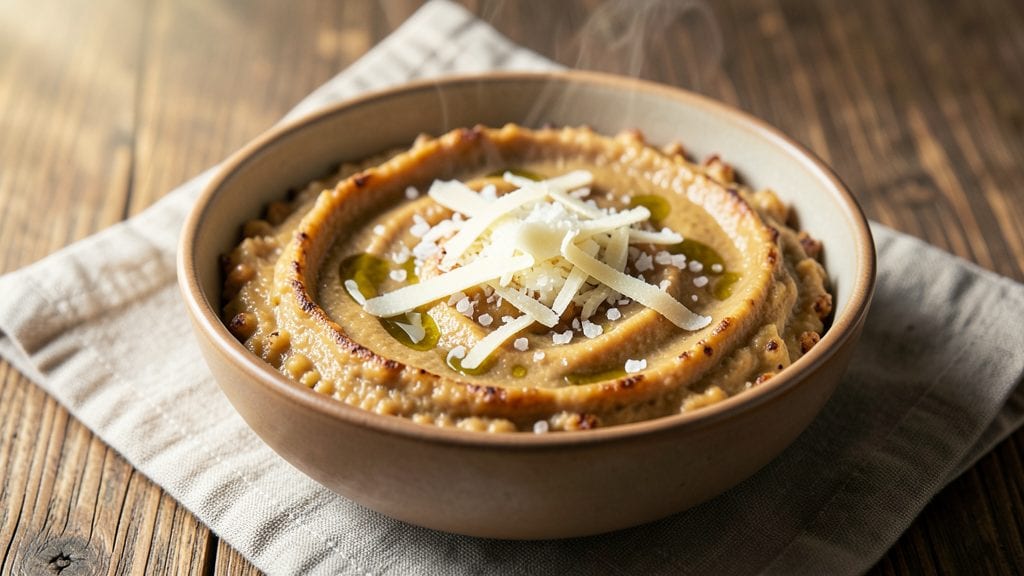
Bob’s Red Mill polenta corn grits transform into a creamy, nutty side dish that’s far from the grainy texture of traditional grits. The secret lies in slow cooking with the right liquid ratio—just 4 cups of water per 1 cup of grits—and constant stirring to prevent clumping.
This method delivers a velvety consistency that pairs perfectly with everything from roasted meats to hearty soups.
What sets this recipe apart is its versatility—use it as a standalone dish with butter and herbs or as a base for casseroles and baked dishes. The corn grits absorb flavors beautifully, making them ideal for both savory and slightly sweet applications.
For a richer finish, stir in grated Parmesan or vegan cheese alternatives during the last 5 minutes of cooking.
The result is a creamy, golden-brown polenta with a satisfying bite, where each spoonful delivers that distinctive corn flavor without heaviness. Unlike store-bought versions, this recipe controls the texture precisely, ensuring no lumps or pastiness.
Whether served as a side or the main event, it’s a crowd-pleaser that elevates any meal.
For dietary flexibility, simply swap dairy for plant-based milk and use olive oil instead of butter. The grits hold their shape when chilled, making them perfect for meal prep or adding to cold salads. Let’s get cooking—this recipe delivers restaurant-quality results at home.
Ingredients for bob's red mill polenta corn grits
The essentials for velvety polenta: grits, liquid, fat, and patience for perfect texture.
| Ingredient | Amount | Notes |
|---|---|---|
| Bob's Red Mill Polenta Corn Grits 🌽 | 1 cup | Uncooked, medium grind preferred |
| Water 💧 | 4 cups | Room temperature preferred |
| Unsalted Butter 🧈 | 4 tbsp | Cold, cut into small cubes |
| Extra-Virgin Olive Oil 🫒 | 2 tbsp | For richness and flavor |
| Diamond Crystal Kosher Salt 🧂 | 1 tsp | Adjust to taste |
| Freshly Grated Parmesan Cheese 🧀 | ¼ cup | For finishing touch |
| Freshly Ground Black Pepper 🌶️ | ½ tsp | Freshly cracked for aroma |
| Fresh Thyme Leaves 🌿 | ¼ tsp | Or 1/4 tsp dried thyme |
| Unflavored Almond Milk 🥛 | 1 cup | For dairy-free option |
| Garlic Cloves 🧄 | 2 cloves | Minced for flavor infusion |
| White Wine 🍷 | ½ cup | Dry variety preferred |
| Vegetable Broth 🍲 | 1 cup | Low-sodium preferred |
| Lemon Zest 🍋 | 1 tsp | Brightens final flavor |
The Bob's Red Mill polenta corn grits are the foundation—medium grind yields the best balance of creaminess and bite. Purchase from Whole Foods or Bob's Red Mill's official website for consistent quality. For liquid, room-temperature water prevents temperature shock during cooking, while almond milk or vegetable broth adds depth for variations. The unsalted butter and extra-virgin olive oil create the signature richness; European-style butter like Plugrá melts more smoothly than American brands. Store grits in a cool, dark place for up to 12 months—the longer they sit, the nuttier they taste.
No butter? Olive oil or coconut oil works equally well for a dairy-free version, though texture differs slightly. Substitute white wine with extra chicken broth or apple cider for acidity. For a vegan option, replace Parmesan with nutritional yeast or vegan Parmesan. Fresh thyme can be swapped for dried at one-third the amount, but the aroma is noticeably different. The Diamond Crystal kosher salt is preferred for its coarse texture—it dissolves perfectly without over-salting. If using pre-minced garlic, toast it first in olive oil to deepen flavor.
Polenta reheats beautifully—simply add a splash of warm liquid and stir until creamy. For meal prep, store in an airtight container for up to 5 days in the refrigerator. Freeze portions in single-serving containers for up to 3 months; thaw overnight in the fridge. The texture changes slightly when reheated but remains delicious. For cold applications, chill completely before slicing into rounds—ideal for salads or appetizers. Always keep a small pot of water on hand to thin if needed during cooking.
Why You'll Love This Recipe
- Five-Ingredient Magic: I swear, this recipe is the kind of thing you’ll make just to prove it works—and then make it again because it does. Bob’s Red Mill polenta grits dissolve into creamy perfection with just water, butter, and olive oil. No fancy techniques, no stress—just stir, simmer, and savor.
- Buttery Olive Oil Luxe: That final swirl of butter and olive oil? It’s the secret weapon. The grits stay silky but develop a subtle, golden richness—like a hug from a Tuscan grandma. Honestly, I’ve tried store-bought versions, and none hit this spot-on balance.
- Weeknight to Dinner Party: Same recipe, endless uses. Serve it as a creamy side for steak, a base for breakfast hash, or even a stand-in for risotto. My husband’s a skeptic, but he’ll eat it straight from the pot with just a sprinkle of flaky salt—no judgment here.
- Budget-Friendly Leftovers: A single batch stretches for days, and reheating is a breeze. Toss cold grits into salads for texture, or crisp them up in a pan for a quick breakfast. Between us, I’ve fed a crowd of six for under $10 with this—no one’s ever complained.
Step-by-step instructions for bob's Red Mill polenta corn grits
Mastering creamy polenta requires patience and precision—here's how to transform grits into velvety perfection.
Toast the Grits for Nutty Depth
Heat a heavy-bottomed pot over medium heat and add the 2 tablespoons extra-virgin olive oil. Once shimmering, add the 1 cup Bob's Red Mill polenta corn grits and stir constantly for 2-3 minutes until the grits turn a pale golden color and release an inviting nutty aroma. This toasting step develops the corn's natural sweetness and prevents graininess in the final texture.
I press the grits against the sides of the pot with a wooden spoon to ensure even toasting. If the grits begin to smell burnt before they're golden, reduce the heat slightly and continue stirring. The goal is to develop flavor without cooking the starches prematurely—this is where the magic begins.
Gradually Incorporate Liquids for Smooth Texture
Remove the pot from heat and slowly whisk in 1 cup vegetable broth and ½ cup white wine in a thin, steady stream while stirring vigorously to prevent lumps. Return the pot to medium heat and bring the mixture to a gentle simmer, stirring frequently to distribute the liquid evenly. This gradual incorporation is critical—adding all liquid at once creates a thick paste that's nearly impossible to smooth out later.
Once simmering, gradually whisk in the remaining 3 cups water and 1 cup unflavored almond milk over 3-4 minutes, continuing to stir constantly. The mixture will thicken noticeably as the starches absorb liquid. Here's the thing—if you see any grits sticking to the bottom, add a splash of hot liquid and scrape with a wooden spoon to incorporate completely. This ensures every bite has that signature creamy consistency.
Simmer Until Silky and Smooth
Continue simmering for 15-20 minutes, stirring every 2-3 minutes with a wooden spoon to prevent sticking and break up any developing lumps. The polenta is ready when it pulls away from the sides of the pot in a smooth, glossy sheet and leaves a clean spoon when you draw it across the surface. This texture test is more reliable than time alone—each batch varies slightly based on your stove's heat distribution.
I've found that maintaining a gentle simmer (small bubbles at the edges) rather than a rolling boil prevents the surface from forming a skin while ensuring even cooking. If the polenta looks too thick before reaching the 15-minute mark, whisk in 1-2 tablespoons hot liquid to adjust the consistency. The final texture should be like thick pudding but still pourable.
Finish with Richness and Brightness
Remove the pot from heat and stir in the 4 tablespoons cold unsalted butter, cutting it into small cubes for even distribution. The butter should melt completely, creating a luxurious sheen on the surface. Add the 1 teaspoon diamond crystal kosher salt, ½ teaspoon freshly ground black pepper, ¼ teaspoon fresh thyme leaves, and 1 teaspoon lemon zest, stirring gently to incorporate.
For maximum flavor development, let the polenta rest covered for 5 minutes off the heat. This resting period allows the flavors to meld and the texture to set slightly. I find that scraping the bottom of the pot with a spatula before serving ensures you capture every bit of that creamy goodness that might have settled. The lemon zest brightens the dish while the thyme adds an earthy depth that complements the corn's natural sweetness.
Serve Immediately for Optimal Texture
Transfer the polenta to a warmed serving dish and top with ¼ cup freshly grated parmesan cheese, distributing it evenly across the surface. The cheese should melt slightly from the residual heat, creating a beautiful marbled effect. Serve immediately while still hot—polenta continues to thicken as it cools, so timing matters for that perfect creamy mouthfeel.
For an elevated presentation, I like to drizzle with additional extra-virgin olive oil and sprinkle with extra freshly ground black pepper. The contrast of temperatures between the warm polenta and cool garnishes creates a satisfying sensory experience. Each bite should deliver that promised creamy texture with nutty corn flavor and subtle acidity from the lemon zest—no graininess in sight.
Pro Tips For Making Bob'S Red Mill Polenta Corn Grits
- STIR CONSTANTLY FIRST: I learned this the hard way—skipping the first 5 minutes of stirring when the water hits the grits leads to lumps that no amount of later effort can fix. Once the mixture starts to thicken (around 3 minutes), you can ease up slightly, but those initial minutes are non-negotiable.
- SALT THE WATER: Diamond Crystal kosher salt dissolves faster and more evenly than table salt, but it’s easy to underestimate how much you need. Add 1½ teaspoons per 4 cups of water before bringing it to a boil—this guarantees flavor penetration, not just surface seasoning.
- LOW AND SLOW AFTER BOIL: After the initial boil, drop the heat to a gentle simmer (barely visible bubbles) and resist the urge to crank it back up. Too much heat turns your creamy grits into glue, and no amount of butter or olive oil can save them.
- FINISH WITH OIL: Unsalted butter adds richness, but a tablespoon of extra-virgin olive oil at the end makes the texture silky smooth—it coats the grits better than butter alone. Stir it in when the mixture is off the heat, or you’ll risk separating the fat.
Troubleshooting your bob's red mill polenta corn grits
Lump Prevention Tips
Stirring vigorously every 2-3 minutes is critical—never let the polenta sit unattended. I use a wooden spoon to scrape the bottom of the pot whenever I notice grits sticking. If lumps form despite stirring, whisk in 1-2 tablespoons hot liquid and continue cooking.
The key is constant motion from the moment you add liquid until the polenta reaches 15 minutes of simmering. 🔥
Adjusting Thickness
If your polenta thickens too quickly, whisk in 1-2 tablespoons hot water gradually until you reach a smooth, pourable consistency. For extra insurance, I keep a small pot of hot water nearby during cooking.
The ideal texture should be like thick pudding—silky but still able to coat the back of a spoon. Never force thinness by adding cold liquid; this creates temperature shock and can cause separation.
Burnt Flavor Fix
If your polenta develops a burnt taste, it means the heat was too high during toasting. Reduce to low-medium heat and stir more frequently. For already burnt polenta, stir in 1 tablespoon fresh lemon juice or white wine to cut the bitterness.
The acidity helps balance the flavor while preventing the burnt taste from dominating. This trick works surprisingly well even with slightly overcooked batches.
Grainy Texture Solutions
Uneven cooking often causes graininess. Make sure your pot is heavy-bottomed to distribute heat evenly. If graininess persists after cooking, blend the polenta briefly with an immersion blender for 10-15 seconds—just enough to smooth texture without losing the corn's natural bite.
For future batches, toast the grits longer (3-4 minutes) to fully develop their starches before adding liquid.
Dairy-Free Adjustments
When substituting butter with olive oil, the polenta will be slightly lighter in texture. To compensate, reduce the liquid by ¼ cup and stir in 1 tablespoon nutritional yeast for a cheesy flavor.
For extra richness, add 2 tablespoons coconut cream at the end. The key is to maintain the same cooking technique—gradual liquid addition and constant stirring—regardless of fat source. 🌱
Reheating Challenges
Polenta thickens significantly when cooled. To reheat, add 1-2 tablespoons warm water or milk per cup of polenta and stir over low heat until creamy. Microwaving causes uneven texture—always use stovetop heat.
For best results, reheat only what you plan to serve immediately, as reheated polenta becomes denser with each cycle. A splash of lemon juice helps restore brightness after storage.
Nutrition facts
Frequently asked questions
Why does your recipe use white wine instead of broth?
The white wine adds subtle acidity that brightens the corn flavor while preventing the polenta from tasting flat. It also helps create a smoother texture by breaking down starches more gently than plain broth. For a non-alcoholic version, substitute with extra chicken broth or apple cider vinegar (1 teaspoon).
Can I make this polenta ahead of time?
Store cooked polenta in an airtight container for up to 5 days in the fridge. For best results, reheat with 1-2 tablespoons warm liquid per cup over low heat until creamy. The texture will be slightly thicker when cold, but it reheats beautifully. Freeze portions for up to 3 months—thaw overnight in the refrigerator for even texture.
What's the difference between polenta and corn grits?
Polenta refers to the finished creamy dish made from cornmeal or grits, while "corn grits" specifically means the dried corn kernels used as the base. This recipe uses Bob's Red Mill's medium-grind polenta corn grits, which create a smoother texture than coarser stone-ground grits. The key difference is in the grind size—finer means creamier results.
How do I fix polenta that's too thick or too thin?
For thick polenta, whisk in 1-2 tablespoons hot water gradually. If too thin, simmer uncovered for 2-3 minutes to evaporate excess liquid. The secret is maintaining a gentle simmer—never boil vigorously, as this causes the surface to skin over. Always adjust with hot liquid to prevent temperature shock that can create lumps.
Can I use this polenta as a pizza crust?
Yes! Spread cooked polenta onto a baking sheet, shape into a crust, and bake at 375°F for 15-20 minutes until firm. For extra stability, mix in 1 egg** per 4 cups polenta before shaping. This creates a sturdy base that holds toppings beautifully—perfect for gluten-free pizza crusts!