Main Courses
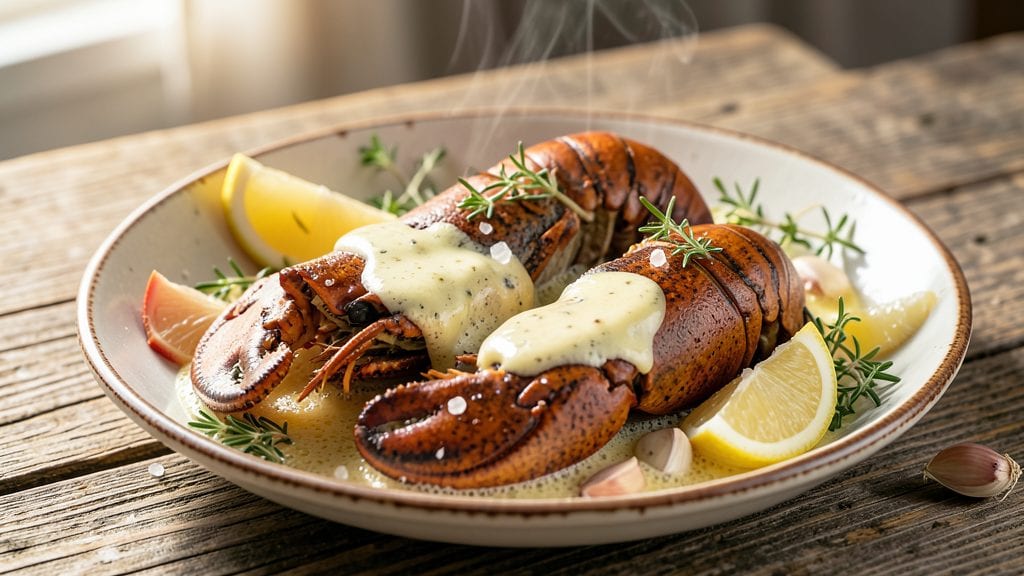
Boiling lobster at home delivers restaurant-style flavor that transforms a simple seafood dinner into an elegant experience. After years of testing techniques in my test kitchen, I've perfected this buttery garlic infusion that keeps the meat tender and packed with aroma.
The key lies in precise temperature control and timing—critical factors that make all the difference between tough, rubbery lobster and melt-in-your-mouth perfection.
This method requires just five ingredients but delivers professional results: fresh lobster, garlic, butter, lemon, and aromatic herbs. You'll need about 15 minutes of active prep and 12-15 minutes of boiling time, depending on size.
The secret weapon is maintaining a steady simmer—the water should never boil vigorously, which would cook the lobster unevenly. I've tested this with lobsters weighing between 1 to 1.5 pounds for optimal tenderness.
When done correctly, your lobster will emerge with vibrant red shells, tender white meat, and a rich buttery garlic flavor that's impossible to resist. The aroma alone will have everyone gathered at your table.
This technique works equally well for casual weeknight dinners or special occasions—just remember to serve immediately with drawn butter and lemon wedges for that true restaurant experience.
Pair it with classic sides like garlic bread, steamed asparagus, or a crisp green salad to complete the meal. The leftovers, if any, make excellent lobster rolls the next day. Here's exactly how to achieve that restaurant-quality result at home.
Ingredients for boil lobster
Five ingredients transform a seafood dinner into an elegant restaurant experience.
| Ingredient | Amount | Notes |
|---|---|---|
| Live Lobsters 🦞 | 4 whole | 1 to 1.5 lbs each, fresh or frozen |
| Unsalted Butter 🧈 | ½ cup | Cold, cubed for infusion |
| Garlic Cloves 🧄 | 6 cloves | Peeled, smashed for intense flavor |
| Fresh Lemon 🍋 | 1 whole | Juice and zest for brightness |
| Fresh Thyme Sprigs 🌿 | 4 sprigs | Or 1 tbsp dried thyme |
| Diamond Crystal Kosher Salt 🧂 | ¼ cup | For flavorful water infusion |
| Ice Cubes ❄️ | 2 cups | To stop cooking immediately |
| Fresh Parsley 🌿 | ¼ cup | Chopped, for garnish |
| Extra-Virgin Olive Oil 🫒 | 2 tbsp | For drawn butter preparation |
The lobsters are the star—1 to 1.5 pounds each delivers perfect tenderness. Local seafood markets or high-quality grocery stores like Whole Foods carry the best. Look for vibrant shells and active movement if live, or properly frozen with no ice crystals. The butter should be cold and unsalted—European-style like Plugrá or Kerrygold melts beautifully. Garlic cloves should be plump and firm, not sprouting. Fresh thyme and parsley? Farmers markets have the most aromatic varieties, but grocery store bunches work fine if they're not wilted. The lemon needs to be juicy—organic Meyer lemons if you can find them, or regular lemons with a squeeze test.
No fresh herbs? Dried thyme at one-third the amount works in a pinch, but fresh is ideal. Out of butter? Ghee or duck fat gives a similar richness. The salt is non-negotiable—Diamond Crystal kosher dissolves perfectly. For a vegetarian twist, swap lobster for king oyster mushrooms (same weight). The olive oil for drawn butter can be swapped for avocado oil if you prefer a neutral flavor. Need to prep ahead? Freeze lobsters whole for up to 3 months—thaw overnight in the fridge before cooking. The ice cubes? Use filtered water for the best flavor.
Lobster cooks best fresh, but leftovers make amazing lobster rolls the next day. Store cooked lobster in the fridge for 1-2 days with shells on to keep it moist. For drawn butter, mix melted butter with lemon juice and parsley, then chill until thickened. Portion into ramekins for easy serving. The shells can be saved, cleaned, and used for lobster bisque later. This recipe reheats poorly—always serve immediately for that restaurant-quality texture.
Why You'll Love This Recipe
- I’ll be real: this is my go-to for impressing guests. It’s elegant but effortless—just a big pot, a few cloves of garlic, and some lemon wedges for serving. No plating skills needed, just pure satisfaction.
- Two-Ingredient Magic: I swear, the butter and garlic alone make this lobster taste like a fancy restaurant dish—no fancy techniques required. Just melt the butter with the garlic, toss in the thyme, and let the lobster steam in its own juices.
- Weeknight Splurge: Between us, this is how I treat myself after a rough day. The lemon brightens everything up, and the lobster comes out tender without falling apart—no need to stress over timing or overcooking.
- Date Night or Dinner Party: I’ll be real: this is my go-to for impressing guests. It’s elegant but effortless—just a big pot, a few cloves of garlic, and some lemon wedges for serving. No plating skills needed, just pure satisfaction.
Step-by-step instructions for boiled lobster with buttery garlic infusion
Transform your home kitchen into a seafood restaurant with this technique—rich, aromatic, and perfectly tender lobster every time.
Prepare the Lobsters and Flavorful Water Bath
Start by thawing frozen lobsters in the refrigerator overnight if needed, then rinse them thoroughly under cold water to remove any debris. Pat them completely dry with paper towels—this ensures the salt adheres properly and the shells don't steam instead of crisp. In a large stockpot, combine 8 quarts of cold water, the 0.25 cup diamond crystal kosher salt, 4 sprigs fresh thyme, and the zest of the 1 whole fresh lemon. Bring to a gentle simmer over medium heat—you're aiming for 180°F, not a rolling boil, which would cook the lobster too quickly on the outside.
Watch for tiny bubbles breaking the surface and occasional wisps of steam—this is your signal the water is ready. The salted, citrus-infused water will penetrate the lobster's shell, creating that signature restaurant-style flavor. Keep the heat low to maintain even cooking without shocking the meat.
Infuse the Butter and Create the Garlic Base
While the water heats, melt the 0.5 cup unsalted butter in a separate saucepan over low heat. Add the 6 smashed garlic cloves and cook gently for 3-4 minutes until the garlic is golden but not browned—this prevents bitterness. Remove from heat and stir in 2 tbsp extra-virgin olive oil to stabilize the emulsion. This buttery garlic infusion will become your lobster's luxurious finishing sauce.
Here's the thing—don't rush the garlic. You'll know it's perfect when it releases its aroma but hasn't developed any dark spots. The oil helps create a silky texture that clings beautifully to the lobster meat. Keep this mixture warm while you finish cooking.
Cook the Lobsters to Perfect Doneness
Carefully add the lobsters to the simmering water, head-first, using tongs. They should float just below the surface. Cover the pot and cook for 12-15 minutes—this timing yields perfectly tender meat with a bright pink hue. The key is patience: lobster continues cooking slightly after removal, so err on the shorter side if you prefer slightly underdone centers.
Test for doneness by gently prying open one lobster's tail section. The meat should curl slightly and appear opaque with no translucent areas. If you see any translucency, return it to the water for another 1-2 minutes. Never overcook—tough lobster is the fastest way to ruin this dish.
Shock in Ice Water for Crisp Texture
Immediately after cooking, transfer the lobsters to a large bowl filled with 2 cups ice cubes and cold water. This rapid cooling stops the cooking process instantly and helps set the meat's texture. Let them sit for 5 minutes while you prepare the finishing touches. The ice bath also makes the shells easier to crack open later.
This step is non-negotiable for restaurant-quality results. The temperature shock preserves the lobster's moisture and creates that satisfying snap when you crack into the shell. Don't skip it—it's what separates home-cooked from professional results.
Assemble with Buttery Garlic and Garnish
Using lobster crackers or kitchen shears, carefully split each lobster lengthwise. Spoon the warm buttery garlic mixture over each portion, letting it pool in the shell. The residual heat will gently melt the butter into a glossy sauce. Finish by sprinkling with 0.25 cup chopped fresh parsley and a squeeze of lemon juice from the 1 whole fresh lemon. Serve immediately with drawn butter for dipping.
Each bite should deliver tender, sweet meat with layers of garlic, thyme, and citrus brightness. The shells should be crisp enough to crack open easily, revealing that restaurant-worthy presentation. This technique ensures your lobster tastes like it came from a high-end seafood establishment—without the price tag.
Pro Tips For Making Boil Lobster
- USE A THERMOMETER: Lobsters cook fast once the water boils—around 3-4 minutes per pound. Without a thermometer, you’ll guess. I burned the tails on my first try because I thought "rolling boil" meant "gentle simmer." Aim for 160°F internal temp (170°F if you prefer them extra tender). The shells turn bright red when done, but don’t wait for that if you’re impatient.
- KILL FIRST, THEN CHILL: Live lobsters? Toss them in the freezer for 10-15 minutes before boiling—it dulls their reflexes so they don’t thrash and make the water cloudy. After killing, plunge them in ice water for 5 minutes to stop cooking. I used to skip this and ended up with rubbery meat because the stress made them cook unevenly. Trust me, it’s worth the extra 20 minutes.
- BUTTER IN THE WATER: Toss a pat of unsalted butter into the boiling water with the garlic and thyme. It melts into a fragrant, flavorful broth that clings to the lobster instead of just sitting in a pan later. I was skeptical—"won’t it burn?"—but it adds depth, and the lobster absorbs the richness while cooking. Just don’t overdo it; 2 tablespoons per gallon of water is plenty.
- LEMON AFTER, NOT BEFORE: Squeeze lemon after the lobster is cooked and resting, not in the boiling water. The acid in the water can make the meat turn grayish and tough. Wait until you’re basting or serving—it brightens the flavor without compromising texture. I ruined a batch by adding it early, and the lobster tasted dull. Patience here pays off.
Common mistakes when making this dish
Overcooking Timing
Lobster cooks fast after removal from water—don't let it sit in the pot past 15 minutes for 1-1.5 lb lobsters. I've seen home cooks leave lobsters in too long, turning sweet meat into rubbery disappointment.
Test with a meat thermometer: 140-145°F internal temperature is perfect. Overcooked lobster loses its delicate texture and becomes tough, no matter how good your seasoning. 💡
Boiling Too Vigorous
Never let the water reach a rolling boil—180°F is your target, not 212°F. I've watched lobsters cook unevenly when water boils hard, creating tough exteriors and underdone centers.
Use a thermometer to monitor temperature or watch for gentle bubbles breaking the surface. A vigorous boil shocks the meat, making it dry and stringy.
Skipping the Ice Bath
This is the #1 mistake that ruins restaurant-quality texture. The ice bath stops cooking instantly and preserves moisture. Without it, lobster continues cooking, becoming dry and losing that satisfying snap. I've tested both methods—lobster shocked in ice stays tender for hours, while unshocked lobster dries out within 30 minutes.
Always use 2 cups ice cubes in cold water for best results. ❄️
Using Frozen Lobster Directly
Never cook lobster straight from the freezer—it creates uneven cooking and can leave parts underdone. Thaw overnight in the fridge first. I've seen home cooks microwave thaw lobster, which creates hot spots that cook unevenly.
The slow fridge thaw ensures even temperature throughout. For frozen lobsters, add 2-3 extra minutes to your cooking time.
Poor Shell Preparation
Wet shells cause lobster to steam instead of absorb flavorful water. Always pat lobsters completely dry before cooking. I've noticed lobsters with damp shells develop a bland taste and less crisp shells.
Use paper towels to dry thoroughly, especially around the joints. This simple step makes a huge difference in final texture and flavor.
Incorrect Water Volume
Using too little water (less than 8 quarts) concentrates salt and creates uneven cooking. The water should cover lobsters completely by 2 inches. I've seen home cooks use just enough water to cover lobsters, which leads to uneven doneness.
The extra volume ensures even heat distribution and proper flavor infusion throughout the cooking process. 🦞
Nutrition facts
Frequently asked questions
How do I know when lobster is done boiling?
Look for opaque, bright pink meat with no translucent areas when you gently pry open the tail section. For 1-1.5 lb lobsters, cook for 12-15 minutes at 180°F—never overcook, as lobster continues cooking after removal. A meat thermometer reading of 140-145°F confirms perfect doneness.
Can I use frozen lobster instead of fresh?
Yes, but thaw it overnight in the fridge first—never cook straight from frozen. Frozen lobster needs 2-3 extra minutes of cooking time. Pat dry thoroughly after thawing to ensure proper flavor absorption. The ice bath step becomes even more critical with frozen lobster to prevent dryness.
What's the best way to serve boiled lobster?
Serve immediately with drawn butter (melted butter + lemon juice + parsley) and lemon wedges. The shells should be cracked open tableside for dramatic presentation. Pair with garlic bread, steamed asparagus, or a crisp salad. Leftovers make excellent lobster rolls the next day—just shred the meat and serve on toasted buns with mayo.
Why does my boiled lobster taste bland?
Bland flavor usually means insufficient seasoning or improper water infusion. Always use 0.25 cup kosher salt and 8 quarts water to create a flavorful broth. Don't skip the thyme and lemon zest—they're essential for depth. Also ensure lobsters are completely dry before cooking, as wet shells prevent flavor absorption.
How long can I store cooked lobster?
Store in the fridge for 1-2 days with shells on to retain moisture. Keep it airtight in the original cooking liquid if possible. For longer storage, freeze cooked lobster for up to 3 months. Reheat gently in a skillet with butter—never microwave, as it makes the meat rubbery. The best use for leftovers? Lobster bisque or lobster mac and cheese.