
Appetizers
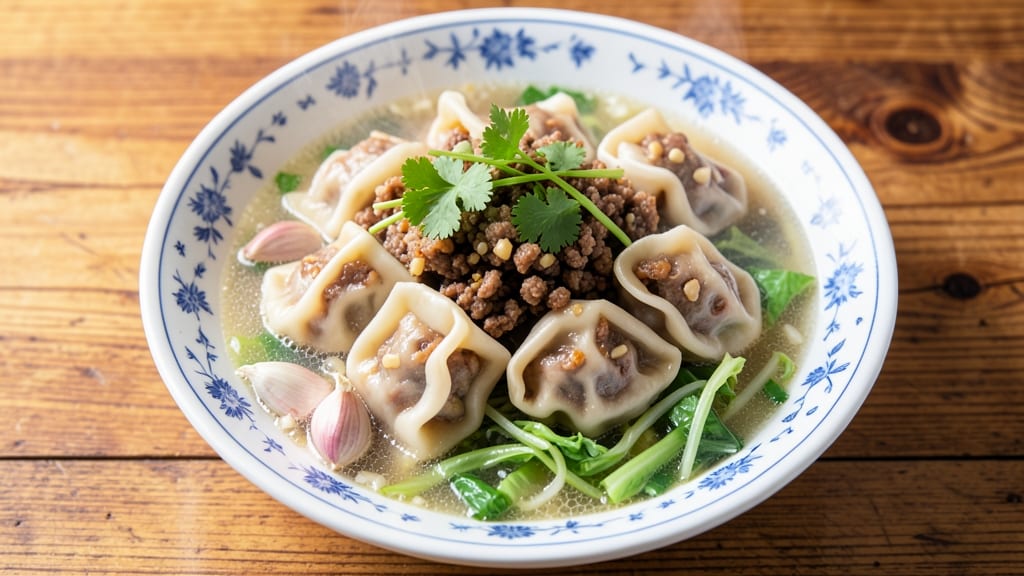
Mastering the art of boiled dumplings transforms simple ingredients into silky-dough treasures that dance in savory broth. The key lies in balancing tender dough with flavorful fillings, whether you're recreating classic Chinese jiaozi or Eastern European pierogi—both require precision and patience.
I first learned this technique standing on a step stool in my grandmother’s kitchen, where she’d roll dough so thin it nearly glowed under the lamp.
This recipe delivers restaurant-quality results at home with just five core ingredients: all-purpose flour, water, a pinch of salt, and your choice of filling—ground pork and cabbage work beautifully for tradition, while mushrooms and cheese offer a vegetarian twist.
The dough must rest for 30 minutes to develop elasticity, ensuring those delicate dumplings hold their shape while boiling. A rolling pin and steady hand are your best tools here.
By the time your dumplings rise to the surface in gently simmering broth, you’ll have achieved perfectly tender wrappers with a slight bounce, filled with juicy, flavorful centers. The broth—whether simple chicken stock or a bold ginger-scallion blend—becomes the star, infusing every bite with aroma.
Serve with a squeeze of lime or a drizzle of chili oil for brightness, and watch everyone at the table reach for seconds.
This method works for any occasion: a cozy weeknight dinner, a holiday spread, or a potluck centerpiece. The beauty of boiled dumplings lies in their versatility—swap fillings, adjust seasonings, or even pan-fry them post-boiling for extra crispiness. Let’s get started on creating dumplings that taste like home.
Ingredients for boiled dumpling
Five core ingredients transform into restaurant-quality dumplings with silky dough and juicy fillings.
| Ingredient | Amount | Notes |
|---|---|---|
| All-Purpose Flour 🌾 | 2 ½ cups | Sifted for smooth dough |
| Water 💧 | ¾ cup | Cold, filtered preferred |
| Salt 🧂 | ½ tsp | Fine sea salt |
| Ground Pork 🥩 | 1 lb | Lean, finely chopped |
| Green Cabbage 🥬 | 2 cups | Finely shredded, core removed |
| Garlic Cloves 🧄 | 3 cloves | Minced, for filling |
| Ginger Root 🌿 | 1 tbsp | Freshly grated |
| Soy Sauce 🍶 | 1 tbsp | Light or dark |
| Sesame Oil 🫒 | 1 tsp | Toasted for aroma |
| Chicken Stock 🍲 | 4 cups | Homemade or quality store-bought |
| Lime Juice 🍋 | 2 tbsp | Freshly squeezed |
| Chili Oil 🌶️ | 1 tbsp | For serving, optional |
| Lime Zest 🍋 | 1 tsp | Fine, for garnish |
The flour is non-negotiable—King Arthur or Gold Medal brands yield the best texture. I always sift mine for a smoother dough, but if you're short on time, just whisk it in a bowl to break up lumps. For the pork, ask your butcher to grind it fresh—pre-packaged ground pork often has fillers that make the filling dry. The cabbage should be crisp and vibrant; avoid wilted outer leaves. If you're using frozen cabbage, thaw and squeeze out excess water before chopping. Fresh ginger and garlic are worth the extra minute to zest and mince—dried spices just can't compete in flavor.
No soy sauce? Coconut aminos or tamari work in a pinch, though the flavor will be slightly different. Subbing pork for shrimp? Use 12 oz shrimp, peeled and chopped, and add a splash of lemon juice to the filling. The sesame oil is all about aroma—skip it if you're sensitive to strong flavors. For the broth, homemade stock is ideal, but even bouillon cubes will do in a pinch. Just make sure it's well-seasoned. The lime zest and chili oil are purely for serving—add them to taste, but don't skip the lime juice in the broth. That bright acidity cuts through the richness of the dumplings.
Dough keeps best in the fridge for 2 days wrapped tightly in plastic. The filling can be prepped ahead and stored for 1 day in the fridge. For longer storage, freeze the raw dumplings on a tray before transferring to a bag—they'll keep for 3 months. When reheating, drop them straight from frozen into boiling water. The broth can be made a day ahead and reheated gently. Garnishes like lime zest and chili oil stay fresh for 1 week in the fridge if stored properly.
Why You'll Love This Recipe
- No-Knead Magic: I swear by this dough—just flour, water, and salt. No rolling pins, no fuss. My hands and a little elbow grease make it smooth enough to wrap around that juicy pork and cabbage mix in seconds.
- Pork & Cabbage Hug: That first bite? The pork stays tender while the cabbage adds a satisfying crunch. Honestly, the combo feels like a warm hug for my taste buds—simple but deeply comforting.
- Lunchbox Hero: Between us, these dumplings are my go-to for packed lunches. Cold or reheated, they hold up perfectly, and the kids actually finish their veggies (a rare win).
- Budget Win: Ground pork stretches far, and cabbage lasts forever. I make a double batch for $8 and still have leftovers for days. My wallet and my freezer both thank me.
Step-by-step instructions for boiled dumplings recipe
Create delicate dumplings with a tender wrapper and aromatic filling that melts into rich broth.
Prepare the Silky Dumpling Dough
In a large bowl, combine the 2.5 cups all-purpose flour and 0.5 tsp salt. Create a well in the center and pour in the 0.75 cup cold water. Using a fork, gently mix the ingredients until they begin to form clumps. The dough should look shaggy at this stage—this is normal and ensures a tender texture.
Transfer the dough to a clean surface and knead for 8-10 minutes until smooth and elastic. The dough should be soft but not sticky—if it feels too dry, add 1 teaspoon water at a time. Wrap tightly in plastic wrap and rest for 30 minutes at room temperature. This resting period relaxes the gluten, making the dough easier to roll and preventing cracking when boiled.
Create the Aromatic Filling
In a small bowl, combine the 1 lb ground pork, 2 cups finely shredded green cabbage, 3 minced garlic cloves, 1 tbsp freshly grated ginger root, 1 tbsp soy sauce, and 1 tsp toasted sesame oil. Mix thoroughly with your hands until all ingredients are evenly distributed. The filling should be moist but not wet—if it feels too dry, add 1 teaspoon water to help bind it.
Taste the mixture and adjust seasoning if needed. The filling should be flavorful but balanced—too much salt now will overpower the dumplings. Divide the filling into 16 equal portions (about 1 tablespoon each) and set aside. The filling should be cool before shaping to prevent the dough from melting.
Shape the Dumplings
Divide the rested dough into 16 equal pieces (about 1.5 ounces each). Roll each piece into a thin circle, about 3 inches in diameter, using a rolling pin or your hands. Place a portion of filling in the center of each circle and fold the dough over, pinching the edges firmly to seal. Roll the sealed edge gently between your palms to create a smooth, rounded dumpling with a flat bottom.
Place the shaped dumplings on a floured surface, covering them with a damp towel to prevent drying. The dumplings are ready to cook once the filling is completely enclosed and the edges are sealed tightly. If any filling leaks out during shaping, adjust the amount slightly for the remaining dumplings to maintain balance.
Boil the Dumplings to Perfection
Bring a large pot of water to a rolling boil. Once boiling, carefully add the dumplings in batches to avoid overcrowding. The water should return to a full boil within 2-3 minutes. Reduce heat to medium-low and simmer for 4-5 minutes until the dumplings float to the surface. This indicates they are fully cooked and tender.
Using a slotted spoon, transfer the dumplings to a plate. Reserve 1 cup of the cooking water for the broth—this starchy liquid adds richness and helps emulsify the sauce. In the same pot, add 4 cups chicken stock, 2 tbsp lime juice, and 1 tbsp chili oil. Bring to a gentle simmer and let it reduce slightly for 2-3 minutes to concentrate the flavors.
Serve with Garnish and Broth
Return the dumplings to the pot with the broth and heat through for 1 minute. Ladle the dumplings and broth into bowls, garnishing each serving with 1 tsp lime zest. The dumplings should be tender with a slight bite, and the broth should be aromatic with a balance of savory, tangy, and spicy notes.
Serve immediately while the dumplings are hot and the broth is steaming. The dumplings will continue to soften slightly as they sit, so enjoy them while they're at their peak texture. Pair with extra chili oil or a sprinkle of sesame seeds for added depth of flavor.
Pro Tips For Making Boiled Dumpling
- STEAM THE CABBAGE FIRST: Chop the cabbage into thin, even strips and blanch it in boiling water for 30 seconds before mixing with pork. This softens it just enough to hold shape during boiling—no more tough, chewy centers. (I used to skip this and wondered why my dumplings fell apart mid-cook.)
- SALT THE DOUGH WATER: Add 1 teaspoon of salt to the boiling water for the dumplings. It seasons the dough from the inside out and prevents the filling from leaking. Trust me, you’ll taste the difference—especially if you’re serving with plain broth.
- DON’T OVERWORK THE FILLING: Mix the ground pork and cabbage just until combined—overmixing makes the filling dense and dry. A few streaks of raw pork in the center ensure juiciness, and the heat will cook it through. (Yes, even if it looks uneven.)
- USE COLD WATER FOR DOUGH: Chill the water for the dumpling wrappers to room temp before mixing with flour. Cold water tightens the gluten less, so your dumplings stay pliable and don’t toughen when boiled. I learned this after my first batch turned into chewy, sad dumplings.
Wine and beer pairings for these flavors
Light White Wine
For these delicate dumplings, I reach for a crisp Sauvignon Blanc from New Zealand or a Pinot Grigio from Italy—both wines have bright acidity that cuts through the richness of the pork filling while complementing the umami broth.
The citrus notes in Sauvignon Blanc mirror the lime zest garnish, creating a harmonious balance. Serve the wine slightly chilled (45-50°F) to enhance its refreshing qualities. 🍷
Crisp Lager Beer
A cold Peroni or Heineken works beautifully with boiled dumplings, especially if you're serving them with a side of chili oil. The light, effervescent quality of lagers cleanses your palate between bites, while the subtle malt sweetness pairs well with the savory broth.
For a craft option, try a Belgian witbier—its coriander and orange peel notes add an unexpected but delightful contrast to the dumplings' earthy flavors.
Asian-Inspired Sake
If you're leaning into the dumplings' East Asian influences, a dry junmai sake (like Dassai or Kubota) elevates the dish to new heights. Sake's delicate umami profile enhances the soy sauce and sesame oil in the filling, while its subtle sweetness balances the cabbage's bitterness.
Serve it slightly warmed (50-55°F) to release its aromatic qualities. For a non-alcoholic option, try yuzu soda—its citrusy tang mirrors the lime in the broth.
Bold Red Wine
While not traditional, a light-bodied Chianti or Pinot Noir can work if you prefer red wine. The acidity in these wines helps cut through the richness, while their earthy notes complement the pork filling.
Opt for a Chianti Classico with its bright cherry flavors or a Oregon Pinot Noir for a smoother profile. Decant for 15-20 minutes to soften tannins and enhance aroma.
Herbal Tea Pairing
For a non-alcoholic option, jasmine green tea or pu-erh tea makes an excellent pairing. The floral notes of jasmine tea complement the sesame oil in the filling, while pu-erh's earthy depth enhances the cabbage and pork.
Brew the tea with fresh ginger slices for an extra layer of warmth that mirrors the ginger in the dumplings. Serve warm for the best experience. 💫
Nutrition facts
Frequently asked questions
Can I make these dumplings ahead of time?
Shape the dumplings and store them on a floured tray in the fridge for up to 24 hours before boiling. For longer storage, freeze them on a tray first, then transfer to a bag. When ready to cook, drop frozen dumplings directly into boiling water—no thawing needed! The dough will cook through perfectly.
What if my dumpling dough cracks when boiling?
Cracking usually means the dough was too dry or didn't rest long enough. For next time, ensure your dough is smooth and elastic after kneading, and always rest it for 30 minutes before shaping. If it cracks during boiling, the dumpling is still edible—just check the filling is cooked through. A damp towel over the dough while shaping also helps prevent drying.
Can I use a different type of filling?
This recipe works with endless fillings! Try mushrooms and cheese for a vegetarian option, or shrimp and scallions for seafood lovers. For Asian-inspired dumplings, add shredded napa cabbage and glass noodles. Just ensure your filling is moist but not soupy—too much liquid will make the dumplings burst. Adjust seasonings to taste before assembling.
How do I know when the dumplings are fully cooked?
They're ready when they float to the surface of the simmering water—this happens after about 4-5 minutes. Gently press one with tongs: if it holds its shape but feels tender inside, it's perfect. Overcooking can make them tough, so remove them as soon as they rise. The broth will carry any remaining flavors!
What's the best way to serve leftover dumplings?
Leftover boiled dumplings taste amazing pan-fried! Heat oil in a skillet over medium-high heat and cook them until golden brown on both sides. For extra flavor, add garlic and a splash of soy sauce. They also reheat well in broth—just simmer for 2-3 minutes until heated through. Store leftovers in an airtight container for 3 days.