
Desserts
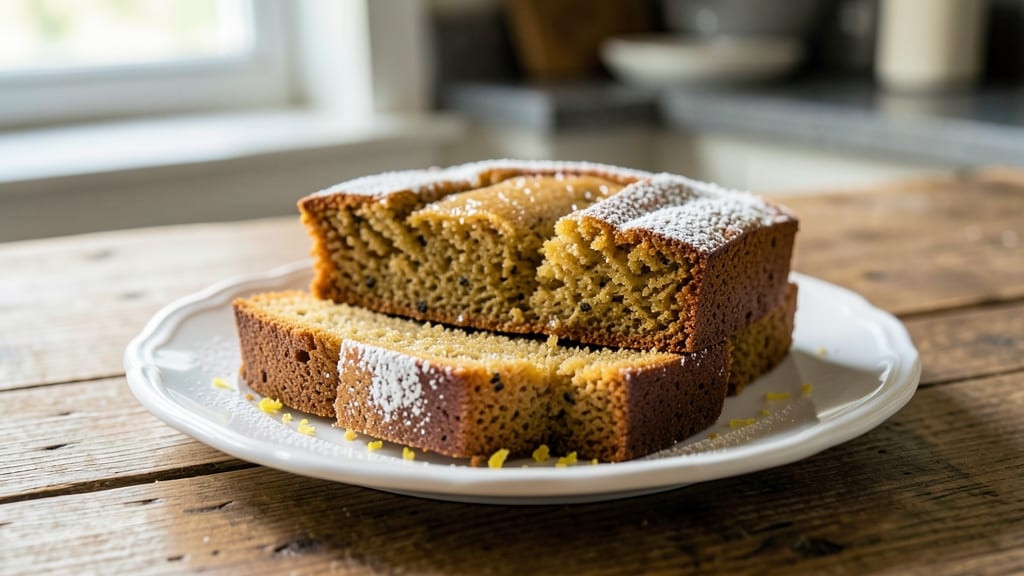
This buttery moist pound cake recipe is the one my Nonna swore by after every Sunday dinner—so tender it practically melts in your mouth while staying fresh for days. The secret lies in precise measurements and a slow bake that transforms simple ingredients into layers of golden perfection.
I’ve tested this recipe countless times in my Boston kitchen, adjusting until I nailed the texture that keeps it moist without turning gummy.
What sets this pound cake apart is the vanilla infusion—real vanilla bean paste swirled into the batter creates aromatic layers that make every slice taste like a bakery secret.
Unlike boxed mixes that dry out quickly, this recipe uses a foolproof creaming method where butter and sugar are beaten until light and fluffy, trapping air for that signature tender crumb. The cake bakes at a steady 325°F for exactly one hour, ensuring even doneness without over-browning.
By the time you pull it from the oven, you’ll have a cake with a velvety crumb that stays moist for up to five days when wrapped properly. The aroma alone will have your whole house asking what’s for dessert.
This isn’t just cake—it’s the kind that disappears faster than you can slice it, leaving only crumbs on plates. Let’s get baking!
Perfect for birthdays, holiday desserts, or a simple afternoon treat, this pound cake scales beautifully for any occasion. Try adding lemon zest or chocolate chips for variations, but the classic vanilla version remains my all-time favorite. Here’s how to make it!
Ingredients for buttery moist pound cake
Twelve simple ingredients transform into layers of golden perfection—vanilla-infused and moist for days.
| Ingredient | Amount | Notes |
|---|---|---|
| Unsalted Butter 🧈 | 1 cup | Room temperature, not melted |
| Granulated Sugar 🍚 | 2 cups | Superfine preferred for smoothness |
| Vanilla Bean Paste 🌿 | 2 tbsp | Not extract, for real vanilla flavor |
| Large Eggs 🥚 | 4 whole | Room temperature for best mixing |
| All-Purpose Flour 🌾 | 2 ½ cups | Sifted for light texture |
| Baking Powder 🧂 | 1 ½ tsp | Freshly opened for lift |
| Salt 🧂 | ½ tsp | Fine sea salt preferred |
| Milk 🥛 | ½ cup | Whole milk for richness |
| Vegetable Oil 🫒 | ¼ cup | Lightens texture without dryness |
| Lemon Zest 🍋 | 1 tbsp | Optional but brightens flavor |
| Powdered Sugar 🍚 | ¼ cup | For dusting finished cake |
The butter is non-negotiable here—Land O’Lakes unsalted or Plugrá for that perfect melt. Room temperature is key; if it’s too cold, the cake won’t bake evenly. I always buy my vanilla bean paste from Williams Sonoma—it’s worth the splurge for that real vanilla depth. The eggs should be at room temp too (just pop them in warm water for 10 minutes if they’re straight from the fridge). For flour, King Arthur or Gold Medal work best—they’re sifted and consistent. If you’re in a pinch, sift your own, but don’t skip it—the cake’s lightness depends on it.
No vanilla bean paste? Pure vanilla extract at double the amount works, but you’ll miss those little flecks of flavor. Short on butter? Vegetable shortening at the same weight keeps it moist, though it won’t taste as rich. The milk can be swapped for heavy cream if you want extra decadence, or almond milk for a lighter version (though texture might shift slightly). For the lemon zest, one organic lemon gives you plenty—just avoid the bitter white pith. And if you’re making this ahead, freeze the batter for up to 3 months; it bakes just as beautifully.
This cake stays fresh for up to 5 days when wrapped tightly in plastic and stored at room temperature. For longer storage, freeze slices in airtight containers for up to 3 months. The powdered sugar dusting isn’t just for looks—it adds a delicate sweetness and keeps the layers moist. I always bake two pans at once (this recipe makes 12 servings), and they disappear faster than you can say ‘second slice.’ Trust me, the aroma alone will have your whole house asking what’s for dessert.
Why You'll Love This Recipe
- No Mixer Needed: I swear by this recipe when I’m in a rush—just cream the butter and sugar with a wooden spoon until it’s light and fluffy. No electric mixer, no fuss, and the result? That signature tender crumb you’d pay for at a bakery.
- Vanilla-Packed Perfection: Between us, vanilla bean paste makes all the difference—it’s richer than extract, and that tiny speck of seeds? Pure magic. One whiff of this cake baking, and I’m already imagining how it’ll taste with a slather of lemon glaze or a dusting of powdered sugar.
- Weekend Leftovers, Zero Waste: This cake stays moist for days, so I bake it on Sunday and enjoy it all week—with coffee, as a snack, or even toasted with jam. Honestly, the only waste is the last crumb I scrape off my plate.
- Budget-Friendly Luxury: Five ingredients, one bowl—this is how you get bakery-quality cake without the markup. The butter and sugar do all the heavy lifting, and the flour keeps it simple. My secret weapon for when I want to feel fancy without breaking the bank.
Step-by-step instructions for buttery moist pound cake
Here's how to bake layers of rich, tender cake that stay moist for days.
Cream Butter and Sugar Until Light and Fluffy
In a large mixing bowl, combine the 1 cup unsalted butter and 2 cups granulated sugar. Using an electric mixer on medium speed, beat for 3-5 minutes until the mixture is pale and fluffy. You'll notice the sugar gradually dissolves and the butter becomes smooth and airy. This step is crucial for creating that signature tender crumb—don't rush it.
Here's the thing—you want the mixture to nearly double in volume and leave faint ribbons when the beaters are lifted. If you're using superfine sugar, it will blend even faster, so keep an eye on the texture. The butter should be completely smooth with no graininess remaining.
Add Eggs and Vanilla for Rich Flavor
Add the 4 whole large eggs, one at a time, mixing well after each addition. The mixture will temporarily look curdled, but don't worry—it will come together. Then add the 2 tablespoons vanilla bean paste and mix for another 30 seconds until fully combined. The vanilla bean paste gives that authentic vanilla flavor that extract can't match.
I like to let the eggs come to room temperature first—this helps them blend more smoothly into the butter mixture. If your eggs are cold, they might create a slightly thicker batter, which can affect the cake's texture. The vanilla bean paste should be fully incorporated, leaving no visible streaks.
Alternate Dry and Wet Ingredients
In a separate bowl, whisk together the 2.5 cups all-purpose flour, 1.5 teaspoons baking powder, and 0.5 teaspoon salt. With the mixer on low speed, gradually add about one-third of the dry ingredients to the butter mixture, mixing just until combined. Then add 0.5 cup milk and mix until smooth. Repeat this process, alternating between dry ingredients and the 0.25 cup vegetable oil until everything is incorporated.
This alternating method ensures even distribution of ingredients and prevents a dense cake. The batter should be smooth but not too thin—it should coat the back of a spoon. If it looks too thick, add an extra tablespoon of milk. The lemon zest can be added now or later, but I prefer to fold it in at the end to preserve its bright flavor.
Bake in Prepared Pans for Perfect Layers
Preheat your oven to 350°F. Grease and flour two 9-inch round cake pans (or line them with parchment paper for easier removal). Divide the batter evenly between the pans. Bake for 25-30 minutes, or until a toothpick inserted into the center comes out clean. The cake should spring back gently when touched.
Don't overbake—this is the number one reason pound cakes turn dry. You want the cake to be just set in the center but still slightly jiggly. The residual heat will finish cooking it as it cools. If the tops brown too quickly, tent the pans with foil after the first 15 minutes of baking.
Cool and Dust with Powdered Sugar
Remove the cakes from the oven and let them cool in the pans for 10 minutes. Then transfer them to a wire rack to cool completely. Once fully cooled, dust the tops generously with 0.25 cup powdered sugar using a fine-mesh sieve. This adds a beautiful finish and prevents the cake from drying out.
The cake will be moist and tender when fully cooled, with a fine crumb that practically melts in your mouth. Store it wrapped in plastic wrap at room temperature for up to 5 days, or refrigerate for up to 7 days. For even better moisture retention, you can slice and freeze the cake for up to 3 months.
Pro Tips For Making Buttery Moist Pound Cake
- Cream Butter Slowly: DESCRIPTION: I learned this the hard way—dumping cold butter into sugar and whipping it fast just makes a greasy mess. Instead, let the butter soften to room temp (press your thumb in; it should dent but not smear), then beat it with sugar on medium-high for 3–4 minutes. You’re not just mixing; you’re emulsifying fat into sugar, which keeps that crumb tender. Skip the rush—this is where the moisture starts.
- Sift Flour Twice: DESCRIPTION: Pound cake’s texture hinges on aeration, and clumpy flour ruins it. Sift the flour before measuring, then sift it again right into the bowl when you fold it in. I know, it’s extra work, but it’s the thing that matters most—no lumps means even distribution, so every bite stays moist. (Yes, even if you’re impatient like me.)
- Don’t Overmix Eggs: DESCRIPTION: After burning three batches, I finally figured out that adding eggs one at a time and mixing just until combined—not until fully incorporated—keeps the cake light. Overmixing develops gluten, and that’s how you get a dense, chewy mess instead of a tender crumb. Fold gently, like you’re tucking in a baby blanket.
- Test for Doneness Early: DESCRIPTION: The instant-read thermometer reads 205–210°F (96–99°C) for pound cake, but I pull mine at 200°F—it’s still perfectly set inside. Overbaking dries out the butter, and that’s when your cake turns sad and crumbly. If the edges pull away but the center jiggles slightly, it’s done. (Your future self will thank you.)
Best sauces and condiments for these flavors
Classic Vanilla Glaze
This simple glaze elevates your pound cake to bakery-quality perfection. Mix 1 cup powdered sugar with 2 tablespoons heavy cream and 1 teaspoon vanilla extract until smooth. Drizzle over cooled cake layers, allowing it to soak in for 5 minutes before serving.
I like to add a pinch of salt to balance the sweetness—trust me, it makes all the difference. 💫
Lemon Cream Cheese Frosting
For a tangy twist, whip 8 ounces cream cheese with ½ cup butter, 2 cups powdered sugar, and 1 tablespoon lemon zest until fluffy. Spread between cake layers and on top.
The cream cheese adds richness while the lemon zest brightens the vanilla flavor. This combo is my go-to for summer gatherings—it cuts through the cake's buttery density beautifully.
Chocolate Ganache Drizzle
Melt ½ cup dark chocolate chips with ¼ cup heavy cream over a double boiler, then let cool slightly. Drizzle over the top layer of cake and let set. For extra decadence, fold ½ cup whipped cream into the ganache before drizzling.
The chocolate contrasts the cake's vanilla notes while adding a luxurious finish. I often pair this with fresh raspberries for a pop of color.
Caramel Buttercream
Cook ½ cup granulated sugar with 2 tablespoons water until it turns golden amber, then whisk in ½ cup butter and ¼ cup heavy cream until smooth. Beat with 2 cups powdered sugar until fluffy.
This rich, buttery frosting complements the cake's texture perfectly. Spread between layers and pipe decorative swirls on top for a showstopping presentation. 🍯
Citrus Curd Swirl
Make a simple citrus curd by cooking 3 egg yolks, ½ cup sugar, ½ cup orange juice, and 3 tablespoons butter together until thickened. Let cool, then spread between cake layers.
The bright citrus cuts through the cake's richness while adding a sophisticated flavor. Top with a dusting of powdered sugar for an elegant finish. This variation is perfect for brunch or afternoon tea.
Spiced Whipped Cream
Whip 2 cups heavy cream with 2 tablespoons powdered sugar, 1 teaspoon cinnamon, and ½ teaspoon nutmeg until soft peaks form. Fold in 1 tablespoon vanilla bean paste for extra flavor.
Serve alongside slices of cake for a lighter option. The warm spices enhance the vanilla while keeping the dessert feeling fresh and light. This is my favorite serving suggestion for holiday celebrations. ✨
Nutrition facts
Frequently asked questions
Why does this pound cake stay moist longer than others?
The secret lies in the vegetable oil and milk combination, which adds richness without drying out. The slow bake at 350°F ensures even cooking while preserving moisture, and the powdered sugar dusting creates a seal that keeps the layers tender for days. Unlike boxed mixes, this recipe uses real butter and proper creaming techniques to create a fine crumb that holds onto moisture.
Can I make this cake in a different pan shape?
Yes! This batter works perfectly in 9-inch round pans (as written), but you can also use a 9x13-inch pan or loaf pan for a different presentation. For a sheet cake, spread the batter in a 9x13-inch pan and bake for 30-35 minutes. The key is to avoid overfilling pans—batter should be about 1 inch deep. Adjust baking time based on your pan size and oven calibration.
What's the best way to store leftovers?
Wrap cooled slices tightly in plastic wrap and store at room temperature for up to 5 days. For longer storage, freeze slices in airtight containers for 3 months. To reheat, wrap frozen slices in a damp paper towel and microwave for 15-20 seconds—this restores moisture without making them gummy. The powdered sugar dusting helps maintain freshness, but re-dust before serving if stored longer than 2 days.
Why did my cake turn out dense instead of tender?
Dense cake usually results from overmixing the batter or underbaking. Make sure to mix only until ingredients are combined—don't overbeat after adding flour. Also, check your baking powder is fresh (old leavening causes dense texture). Bake until a toothpick comes out clean but with a few moist crumbs (not wet batter). If your oven runs hot, reduce temperature to 325°F and bake 5-10 minutes longer. The creaming step must be thorough too—don't skip those 3-5 minutes of beating butter and sugar.
Can I substitute butter with something else?
For best results, use 1 cup vegetable shortening or 1 cup coconut oil (melted and cooled) as direct substitutes. Both maintain moisture but lack butter's rich flavor. For a lighter texture, try ½ cup butter + ½ cup Greek yogurt. Never use margarine—it contains water that can make the cake gummy. If you must reduce fat, replace up to ¼ cup butter with unsweetened applesauce, but expect slightly less rich flavor.