
Main Courses
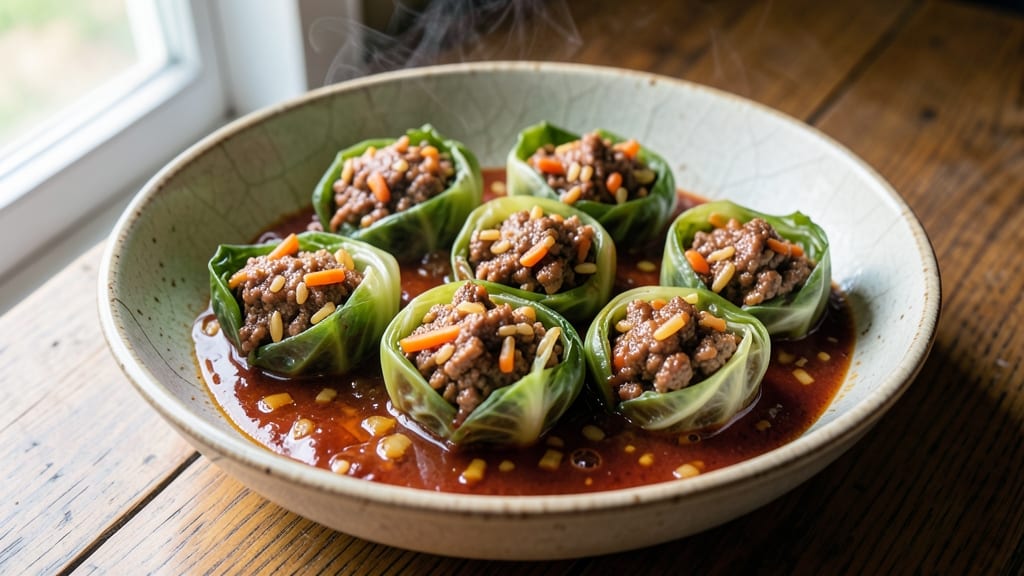
Master this easy cabbage rolls freezer recipe to save time and enjoy hearty meals whenever you crave them. This recipe delivers restaurant-quality comfort with tender cabbage leaves wrapped around savory beef and rice, all designed to freeze perfectly for later.
The secret lies in proper layering and sealing before freezing—no soggy rolls here.
What makes this method work is assembling the rolls first, then baking them fresh or freezing them for up to three months. Each layer—cabbage, filling, sauce—stays intact when frozen, so you get that homey texture and flavor later. The recipe uses simple ingredients but delivers professional results with minimal effort.
When you're ready to serve, these rolls reheat beautifully from frozen, offering the same satisfying combination of tender meat, fluffy rice, and slightly crisp cabbage. The slow-cooked tomato sauce ties everything together, creating a dish that tastes like it simmered all day. Perfect for meal prep or holiday gatherings.
For best results, wrap individual rolls tightly in plastic wrap before freezing. Thaw overnight in the fridge, then bake as directed for perfectly reheated comfort food. This method transforms a time-consuming dish into a stress-free freezer staple.
Ingredients for cabbage rolls freezer
Twelve tender cabbage leaves and simple pantry staples transform into freezer-friendly cabbage rolls.
| Ingredient | Amount | Notes |
|---|---|---|
| Cabbage Leaves 🥬 | 12 large | Outer leaves removed, blanched |
| Ground Beef 🥩 | 2 lb | 80% lean, finely ground |
| Long-Grain White Rice 🍚 | 2 cups | Uncooked, medium grain |
| Tomato Paste 🍅 | 1 can (6 oz) | Smooth, no sugar added |
| Yellow Onion 🧅 | 1 large | Diced, about 1.5 cups |
| Carrots 🥕 | 2 medium | Grated, about 1 cup |
| Garlic Cloves 🧄 | 4 cloves | Minced, fresh preferred |
| Tomato Sauce 🍅 | 2 cups | Canned, no added sugar |
| Beef Broth 💧 | 1 cup | Low-sodium preferred |
| Bay Leaves 🌿 | 2 whole | Dried, crushed |
| Black Pepper 🌶️ | 1 tsp | Freshly ground |
| Salt 🧂 | 1 ½ tsp | Kosher or sea salt |
| Butter 🧈 | 2 tbsp | Unsalted, for cabbage |
The cabbage leaves are the foundation—outer leaves work best because they're largest and sturdiest. Blanch them for just 2-3 minutes in boiling water to soften without losing shape. Whole Foods and Trader Joe's often carry pre-washed cabbage, which saves time. For the beef, 80% lean ground chuck gives the best flavor and texture. Avoid pre-ground meat from the bulk bins—it can be dry and tough. The rice should be medium grain for that perfect texture when reheated. I always use Day-O brand rice because it stays fluffy even after freezing.
No tomato paste? Fresh crushed tomatoes work in a pinch, but reduce them first to concentrate the flavor. The beef broth can be swapped for water plus a bouillon cube, though the flavor won't be as rich. For the carrots, baby carrots work perfectly—just grate them without peeling. Fresh garlic is non-negotiable here—the flavor is too subtle with powdered. Need a shortcut? Pre-minced garlic from a jar is better than nothing, but fresh is worth the extra minute. The tomato sauce can be homemade or store-bought—Rao's or Muir Glen are my go-tos for quality without added sugar.
Assembled rolls keep in the fridge for 3 days before freezing. Wrap each roll tightly in plastic wrap, then place them in a single layer on a tray before transferring to a freezer bag. This prevents sticking and keeps them intact. Thaw overnight in the fridge—never microwave directly from frozen—then bake as directed. The rolls reheat beautifully, with the cabbage staying slightly crisp and the filling perfectly tender. Freeze for up to 3 months without sacrificing texture.
Why You'll Love This Recipe
- No Fuss Assembly: I swear by the freezer-friendly trick of parboiling the cabbage leaves—just blanch them for 3 minutes, and they soften perfectly for rolling. No more wrestling with stubborn leaves while the filling waits.
- Rich, Deep Satisfaction: That combo of tomato paste and browned onion? It builds layers of flavor you won’t find in store-bought versions. Plus, the ground beef and rice filling stays juicy—no dry, sad bites here.
- Meal Prep MVP: Here’s what sold me—freeze them raw, then bake straight from frozen. Game over for last-minute dinner stress. (Yes, even on a Tuesday night when you’ve got zero energy.)
- Budget-Friendly Feast: Ground beef stretches far with rice, and cabbage leaves are cheaper than you’d think—especially when you buy a whole head. One batch feeds my family for days, and the leftovers? Even better reheated.
Step-by-step instructions for freezer-friendly cabbage rolls
This method ensures tender filling and perfectly preserved cabbage leaves for later.
Blanch the Cabbage Leaves
Bring a large pot of salted water to a boil. Add the 12 large cabbage leaves and cook for 3-5 minutes until they soften and become pliable. Here's the thing—you want them to wilt enough to wrap around filling but not so soft they tear. Use tongs to transfer each leaf to a clean kitchen towel, patting dry thoroughly. This step removes bitterness and prepares them for rolling.
Work quickly as the leaves cool rapidly. If any leaves tear beyond repair, set them aside for use as wrapping later rather than discarding them entirely. The goal is to maintain as much intact surface area as possible for wrapping the filling.
Prepare the Filling Mixture
In a large skillet, melt the 2 tablespoons butter over medium heat. Add the diced 1 large yellow onion and cook for 5 minutes until softened and translucent. Add the grated 2 medium carrots and cook for another 3 minutes, stirring occasionally. You'll notice the vegetables release moisture—this is normal and helps create a flavorful base.
Push the vegetables to one side of the pan and add the 2 pounds ground beef. Cook until browned, breaking it apart with a wooden spoon. Drain excess fat if needed, leaving about 1 tablespoon in the pan. Add the minced 4 cloves garlic and cook for 30 seconds until fragrant.
In a separate bowl, combine the 2 cups cooked long-grain white rice with the 1 can (6 oz) tomato paste, 2 cups tomato sauce, 1 cup beef broth, 2 whole crushed bay leaves, 1 teaspoon black pepper, and 1.5 teaspoons salt. Mix well to distribute seasonings evenly. Stir this mixture into the skillet with the beef and vegetables. Reduce heat to low and simmer for 5 minutes to blend flavors thoroughly.
Assemble and Freeze the Cabbage Rolls
Lay each blanched cabbage leaf on a clean work surface with the stem end facing you. Place about ¼ cup of the filling mixture near the stem end. Fold the sides inward, then roll tightly from the bottom up, tucking in the sides as you go. This creates a compact package that holds its shape during freezing and cooking.
Place each completed cabbage roll seam-side down in a single layer on a parchment-lined baking sheet. Freeze for 1 hour to firm up. This prevents them from sticking together during long-term storage. Once frozen, transfer to a freezer-safe container or heavy-duty freezer bag, removing as much air as possible.
Label with the date and contents. These will keep for up to 3 months in the freezer. When ready to cook, there's no need to thaw—simply add them directly to boiling water for the cooking process.
Cook from Frozen (Optional Method)
For the most convenient preparation, place the frozen cabbage rolls directly into a large pot of boiling salted water. Add enough water to cover the rolls by about 1 inch. Bring to a gentle boil, then reduce heat to medium-low and simmer for 45-50 minutes until the cabbage is tender and filling is heated through.
Alternatively, you can bake them from frozen by placing in a baking dish, covering with the remaining tomato sauce mixture, and baking at 375°F for 40-45 minutes. Both methods yield tender, flavorful cabbage rolls with minimal effort.
Pro Tips For Making Cabbage Rolls Freezer
- BOIL CABBAGE UNTIL TENDER: I learned this the hard way—cabbage leaves that aren’t fully softened will crack when you roll them. Simmer them in salted water for 10-12 minutes until they’re pliable enough to wrap around your filling without tearing. (Yes, even if they look sad and wilted—this is good.)
- SALT THE MEAT MIX: Season the ground beef and rice filling before rolling, not after. The salt needs time to distribute, especially if you’re freezing these—otherwise, you’ll end up with bland centers. Use 1.5 teaspoons of salt per pound of meat and let it sit for 5 minutes while you prep the leaves.
- PACK ROLLS TIGHTLY, LEAVE ROOM: Roll them snug but not stuffed—overpacking makes them burst when frozen. Leave a ½-inch gap at the top to prevent expansion cracks. Then, freeze them in a single layer before transferring to bags. (Trust me, you don’t want to dig out half-frozen, glued-together rolls later.)
- THAW IN THE FRIDGE, NOT THE SINK: Move the rolls from the freezer to the fridge 24 hours before cooking. Dumping them straight into boiling water will turn them to mush—slow thawing keeps the cabbage intact. If you’re desperate, use the microwave on defrost mode, but expect slightly softer leaves.
Pro cooking tips for this recipe
Freezing Prep Essentials
Use heavy-duty plastic wrap or freezer paper to individually wrap each cabbage roll before freezing. I swear by Glad Press'n Seal wrap because it seals tightly and prevents freezer burn.
For extra protection, place wrapped rolls in a single layer on a tray before transferring to a freezer bag—this prevents sticking and keeps them intact. 🧊
Thawing Like a Pro
Never thaw cabbage rolls in the microwave—they’ll turn mushy. Instead, transfer them to the fridge 12-24 hours before cooking. For a quick fix, place the frozen rolls in a sealed container with cold water for 1-2 hours, changing the water once.
This method preserves texture while speeding up the process. Always check for even thawing before cooking.
Reheating Without Ruining
For best results, reheat cabbage rolls in a large pot of boiling water for 45-50 minutes after thawing. If using the baking method, cover with sauce and bake at 375°F for 40-45 minutes until heated through.
Avoid high heat—it can dry out the filling. I like adding a splash of beef broth to the pot to keep the rolls moist during reheating.
Freezer Longevity Tips
Label your freezer bags with the date—these rolls stay fresh for up to 3 months without texture loss. Store them in the coldest part of your freezer (usually the back or bottom shelf) for maximum preservation.
If you notice any ice crystals, don’t worry—they’ll cook just fine. Just pat them dry before reheating to avoid excess moisture.
Filling Texture Secrets
The key to tender filling after freezing is cooking the rice slightly underdone (al dente) before assembling. This prevents mushiness when reheated. I also add 1 extra tablespoon of tomato paste to the filling mixture—it thickens slightly during freezing and keeps everything cohesive.
Avoid overmixing the filling, or the rolls may fall apart when reheated.
Sauce Strategy
Save ½ cup of tomato sauce separately before assembling the rolls. Use this reserved sauce to cover the rolls during reheating—it adds moisture and depth of flavor. If the sauce seems too thin after freezing, simmer it with 1 teaspoon cornstarch for 5 minutes to restore thickness.
This simple trick makes all the difference in texture and taste. 💫
Nutrition facts
Frequently asked questions
Why do I need to blanch the cabbage leaves before rolling?
Blanching softens the leaves so they wrap neatly without tearing, while removing bitterness for better flavor. The 3-5 minute boil makes them pliable but still sturdy enough to hold filling. Skipping this step often leads to broken rolls during freezing.
Can I make cabbage rolls without meat?
Swap the beef for 1.5 cups cooked lentils or 1 lb mushrooms finely chopped. Keep the rice-to-filling ratio the same (about ¼ cup per roll) to maintain texture. Vegetarian versions freeze just as well when wrapped properly.
What's the best way to reheat frozen cabbage rolls?
Simmer in water for 45-50 minutes or bake at 375°F for 40-45 minutes with sauce. Never microwave from frozen—they'll get rubbery. For extra moisture, add ½ cup broth to the pot during reheating.
How do I prevent freezer burn on cabbage rolls?
Wrap each roll tightly in plastic wrap, then place them in a single layer on a tray before transferring to a freezer bag. Remove as much air as possible and store in the coldest part of your freezer. This method keeps them fresh for up to 3 months without ice crystals.
Can I freeze just the filling instead of whole rolls?
Yes, but texture changes when reheated. Freeze filling in airtight containers for up to 2 months, then assemble rolls fresh. For best results, freeze whole rolls—they hold shape and reheat more evenly. The cabbage acts like a protective wrapper during freezing.