
Side Dishes
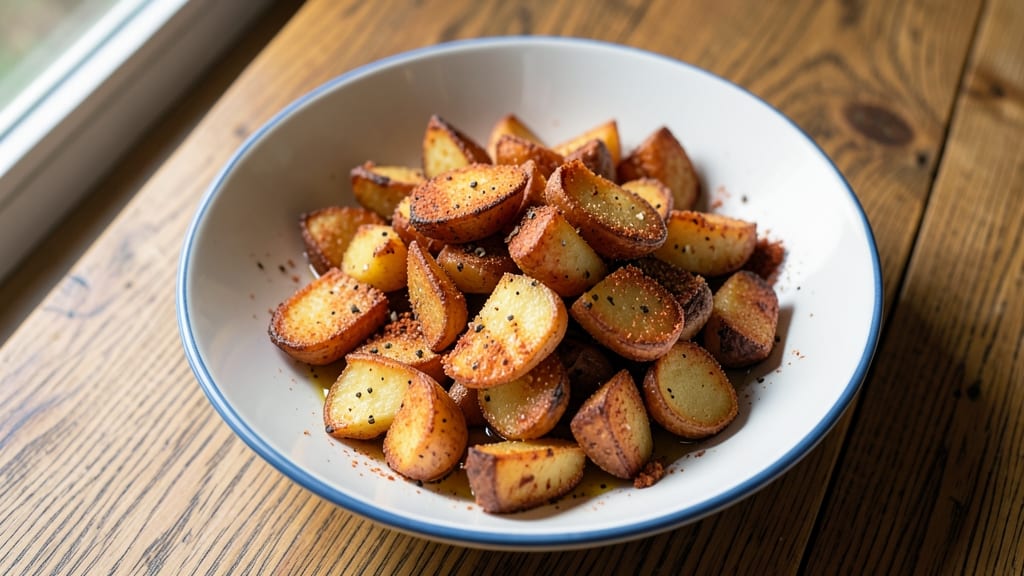
This canned potatoes home fries recipe proves you can get crispy, golden bites in minutes—just pan-fry pantry staples for effortless perfection. This method delivers restaurant-style texture without the wait, using just 15 minutes of active cooking.
The key lies in proper draining, high-heat searing, and a crispy seasoning blend that locks in flavor while creating that coveted caramelized crust.
What makes this recipe work is the balance between simplicity and technique—no peeling, no pre-cooking, just a hot pan and a few essential steps. You'll achieve that satisfying crunch by draining the potatoes thoroughly, then cooking them in batches to avoid steaming.
The right seasoning (salt, pepper, and a touch of paprika) elevates every bite, turning a basic side into something worth celebrating.
By the end, you'll have golden, crispy home fries with tender centers that hold their shape—ideal for breakfast, brunch, or a hearty side dish. The aroma alone will have everyone at the table asking for seconds. Ready to master this foolproof method? Let's get cooking.
For extra flavor, consider adding diced onions or a sprinkle of grated cheese at the end, but the basic version delivers crispy, satisfying results every time. This recipe proves that even pantry staples can shine with the right technique.
Ingredients for canned potatoes home fries
Eight pantry staples transform canned potatoes into crispy, golden home fries in minutes.
| Ingredient | Amount | Notes |
|---|---|---|
| Canned Potatoes 🥔 | 2 cans | Drained, 15 oz each, no-salt-added preferred |
| Vegetable Oil 🫒 | ½ cup | High smoke point, like canola or avocado |
| Salt 🧂 | 1 ½ tsp | Kosher or sea salt, adjust to taste |
| Ground Black Pepper 🌶️ | ½ tsp | Freshly cracked preferred |
| Smoked Paprika 🌶️ | ½ tsp | For smoky depth, optional but recommended |
| Garlic Powder 🧄 | ½ tsp | Fresh garlic for stronger flavor if available |
| Onion Powder 🧅 | ½ tsp | Adds subtle sweetness |
| Butter 🧈 | 2 tbsp | Unsalted, for finishing |
| Fresh Parsley 🌿 | ¼ cup | Chopped, for garnish (optional) |
The canned potatoes are the star—look for no-salt-added brands like Del Monte or Green Giant for better flavor control. Drain them well, then rinse under cold water to remove excess starch (this prevents sogginess). Costco or Walmart often carry these at the best prices. For extra crispiness, pat them completely dry with paper towels before cooking. The oil choice matters too—avocado or canola oil handles high heat without burning, while olive oil can taste bitter when overheated.
No smoked paprika? Substitute with a pinch of cayenne for heat or extra black pepper for depth. Fresh garlic and onion powder can be swapped for 1/2 tsp each of minced garlic and onion if you prefer. For a dairy-free option, skip the butter and use 2 tbsp extra olive oil instead. The parsley is just for garnish, but if you're out, a sprinkle of fresh chives works too. Want more flavor? Add 1/4 tsp of onion flakes to the seasoning mix before cooking.
Store leftover home fries in an airtight container for up to 3 days—reheat in a skillet with a splash of oil for 2-3 minutes until crispy again. For meal prep, cook an extra batch and freeze portions on a tray before transferring to a bag (keeps for up to 3 months). These reheat beautifully and make great breakfast hash or a quick side dish. The secret to perfect texture? Don't overcrowd the pan—cook in batches if needed.
Why You'll Love This Recipe
- No Chopping, No Stress: I’ll admit—this is my lazy-day hero. Just drain, drain, drain those canned potatoes, toss them in oil with salt and that perfect pinch of smoked paprika, and shove them in the pan. No peeling, no dicing, no waiting for water to boil. The only prep is opening a can and shaking off excess liquid.
- Smoky Crispy Magic: Honestly, the smoked paprika transforms this into something way better than basic home fries. That subtle smokiness clings to the edges while the insides stay tender—like a cozy hug for your taste buds. (Yes, even on a Tuesday night.)
- Breakfast or Sidekick: These work everywhere. Scramble eggs on top for a lazy breakfast, pile them under a burger for crunch, or serve them alongside steak like a fancy restaurant side. I’ve even reheated them cold in a sandwich—no judgment.
- Pantry Staple Savior: Between us, canned potatoes are my budget secret. They’re cheaper than fresh, last forever, and this recipe turns them into something ridiculously good without breaking the bank. Plus, leftovers? Just reheat in the microwave or oven—no soggy mess.
Step-by-step instructions for crispy pan-fried canned potatoes
Here's how to transform canned potatoes into restaurant-style home fries with perfect crispiness.
Prepare the Potatoes for Maximum Crispiness
Drain the 2 cans of canned potatoes thoroughly, shaking them in a colander to remove excess liquid. I like to use my fingers to separate any large clumps while they're still damp—this helps create more surface area for browning. Transfer the potatoes to a large bowl and pat them completely dry with paper towels. Any remaining moisture will prevent proper crisping, so take your time here.
In the same bowl, combine the potatoes with the 1.5 teaspoons of salt, 0.5 teaspoon of ground black pepper, 0.5 teaspoon of smoked paprika, 0.5 teaspoon of garlic powder, and 0.5 teaspoon of onion powder. Toss everything together until the potatoes are evenly coated in the seasoning mixture. This step ensures every bite has that perfect balance of smoky, savory flavors. Let the seasoned potatoes sit for 5 minutes while you prepare the pan—this gives the seasoning time to adhere fully.
Heat the Oil to the Right Temperature
Pour the 0.5 cup of vegetable oil into a large skillet with a heavy bottom—cast iron works best for even heat distribution. Place the skillet over medium-high heat and let it heat for 3-4 minutes. The oil should reach about 350°F—you'll know it's ready when a small piece of potato sizzles vigorously when dropped in. If you don't have a thermometer, test the oil by dropping in a tiny piece of potato. It should sizzle immediately and begin cooking within 10 seconds without burning.
Here's the thing—too low heat means soggy potatoes, while too high heat burns the outside before the inside cooks. Medium-high gives you that perfect balance of crispy exterior and tender interior. If the oil starts smoking, reduce the heat slightly and let it cool for a minute before proceeding.
Fry the Potatoes Until Golden Brown
Working in batches if needed (to avoid overcrowding), add about half of the seasoned potatoes to the hot oil. Spread them out in a single layer—they should fit comfortably without touching. Cook for 4-5 minutes, stirring occasionally, until the potatoes are golden brown on all sides. You want to see crispy edges forming and hear that satisfying sizzle. Don't walk away—this is when they develop that perfect texture.
If you notice the potatoes browning too quickly on the bottom, reduce the heat slightly to medium. The goal is even cooking—you should see crispy edges forming while the centers remain tender. Transfer the cooked potatoes to a paper towel-lined plate to drain excess oil. Repeat with the remaining potatoes, adding more oil if needed (about 1 tablespoon per batch).
Finish with Butter for Richness
Return the skillet to medium heat and add the 2 tablespoons of butter. Let it melt completely, about 1 minute, until it foams and turns golden. This butter will add richness and help create a glossy finish on your home fries. Add the crispy potatoes back to the skillet and toss gently to coat them evenly in the butter. Cook for another 30-60 seconds until the butter is fully incorporated and the potatoes are heated through.
Here's where the magic happens: the butter not only enhances flavor but also helps create that beautiful sheen on the potatoes. If the butter starts to brown too quickly, remove the skillet from heat for a few seconds. The potatoes should be hot and bubbling slightly with that perfect golden color.
Garnish and Serve Immediately
Transfer the finished potatoes to a serving platter and sprinkle with the 0.25 cup of chopped fresh parsley. The parsley adds a fresh contrast to the smoky, savory flavors and makes the dish look beautiful. Serve immediately while the potatoes are hot and crispy—this is when they're at their best texture. The parsley will stay fresh and vibrant, adding that final touch of color and brightness.
For extra crispiness, you can broil the potatoes for 1-2 minutes at the end, watching closely to prevent burning. But honestly, the pan-frying method with butter gives you that perfect texture without needing the broiler. These home fries are ready to serve as a side dish, breakfast item, or even a hearty snack with a little sour cream or hot sauce on top.
Pro Tips For Making Canned Potatoes Home Fries
- Drain and Pat Dry: Canned potatoes come packed in water, and that extra moisture turns your crispy home fries into soggy mush. Dump the drained potatoes into a clean kitchen towel, shake it out like you’re drying off a wet dog, and give them a good squeeze—this guarantees a proper sear instead of a sad, limp mess.
- Use a Heavy Pan: I learned this the hard way—light pans heat unevenly and leave you with half-cooked potatoes. Grab a cast-iron skillet or heavy stainless steel pan (like the one you’ve been eyeing for years) and get it screaming hot over medium-high heat before adding oil. The even heat distribution is the difference between "meh" and "damn, that’s crispy."
- Skip the Overcrowding: Nothing ruins texture like a packed pan. Work in batches if needed—your pan should only hold a single layer of potatoes with a little wiggle room. Overcrowding steams them instead of frying, and you’ll end up with a greasy, uneven pile instead of golden, shatterable edges.
- Finish with a Hot Oil Shower: After the potatoes are mostly crispy, pour a tablespoon of fresh hot oil over them and toss quickly. The extra fat at the end of cooking locks in flavor and adds that restaurant-style sheen. (Yes, even if you’re impatient like me—wait 30 seconds for the oil to heat up first.)
Troubleshooting perfect results
Potatoes Too Soggy?
If your home fries turn out soggy instead of crispy, the issue is almost always excess moisture. Drain the canned potatoes thoroughly and rinse them under cold water to remove surface starch.
Then, pat them completely dry with paper towels—don’t skip this step! I’ve found that using no-salt-added canned potatoes (like Green Giant) also helps since they contain less added moisture. 🥔
Uneven Cooking?
Uneven cooking usually means your oil temperature isn’t consistent. Use a heavy-bottomed skillet (like Lodge cast iron) and maintain medium-high heat—too low causes steaming, while too high burns the outside before the inside cooks.
Test the oil by dropping in a tiny potato piece: it should sizzle immediately. If your pan isn’t hot enough, let it heat for an extra 2 minutes before adding potatoes. ⚡
Potatoes Sticking?
Sticking happens when potatoes release starch or the pan isn’t hot enough. Always use enough oil (about ½ cup for the first batch) to coat the bottom of the pan. If your pan isn’t nonstick, avoid overcrowding—cook in small batches if needed.
A well-seasoned cast iron skillet or a nonstick pan with a lid (like Cuisinart MultiClad) prevents sticking better than most. 🔥
Seasoning Not Sticking?
If your seasoning falls off instead of adhering, the potatoes are too wet. Let them sit for 5 minutes after seasoning to absorb flavors. For extra grip, lightly toss them in 1 tablespoon flour before cooking.
I also recommend toasting the spices in the pan for 30 seconds before adding oil—this deepens their flavor and helps them cling better. 🌶️
Oil Burning Too Fast?
If your oil starts smoking or burning, it’s too hot. Reduce heat to medium and let it cool for 1-2 minutes before proceeding. Avocado or canola oil has a higher smoke point (400°F+) than olive oil, so stick with those for crispy results.
If you don’t have a thermometer, test with a wooden chopstick: dip it in—if bubbles form immediately, the oil is ready. 🌡️
Potatoes Overcooking?
Overcooked potatoes lose their tender centers and turn mushy. Watch closely and remove them from the pan as soon as they’re golden brown (about 4-5 minutes). If you notice the edges browning too quickly, reduce heat slightly and cook in smaller batches.
For extra insurance, undercook them by 30 seconds—they’ll finish cooking while resting in the butter. 💡
Nutrition facts
Frequently asked questions
Can I use regular canned potatoes instead of no-salt-added?
Yes, but you may need to adjust the seasoning. Regular canned potatoes often contain added salt, so taste before adding the full 1.5 teaspoons of salt in the recipe. If they taste salty, reduce the salt to 1 teaspoon or omit it entirely. The key is balancing flavors—don’t skip tasting!
How do I make these extra crispy?
For maximum crispiness, double-drain the potatoes after opening the can, then rinse them under cold water to remove excess starch. Pat them thoroughly dry with paper towels and let them sit for 10 minutes before seasoning. Cook in a cast iron skillet with medium-high heat and avoid overcrowding. For a restaurant-style finish, broil for 1-2 minutes at the end.
Can I make this recipe ahead of time?
You can prep the seasoned potatoes 1 day ahead and store them in an airtight container in the fridge. Cook them fresh when ready—reheat in a skillet with 1 tablespoon oil for 3-4 minutes until crispy again. For freezing, cook the potatoes fully, let them cool, then freeze in a single layer before transferring to a bag. Reheat from frozen in a skillet for 5-6 minutes.
What’s the best oil for crispy home fries?
Canola or avocado oil work best because they have high smoke points (400°F+) and neutral flavors. Avoid olive oil—it burns easily and can taste bitter. If you don’t have these, vegetable oil or ghee are good alternatives. Use enough oil to coat the pan (½ cup for the first batch) to prevent sticking and ensure even cooking.
Can I add other veggies to this recipe?
Sauté ½ cup diced onions or ½ bell pepper in the same skillet for 3-4 minutes before adding the potatoes. For extra flavor, try ½ teaspoon garlic powder or 1 minced garlic clove with the onions. Just make sure to cook the veggies until soft before adding the potatoes to avoid burning.