
Main Courses
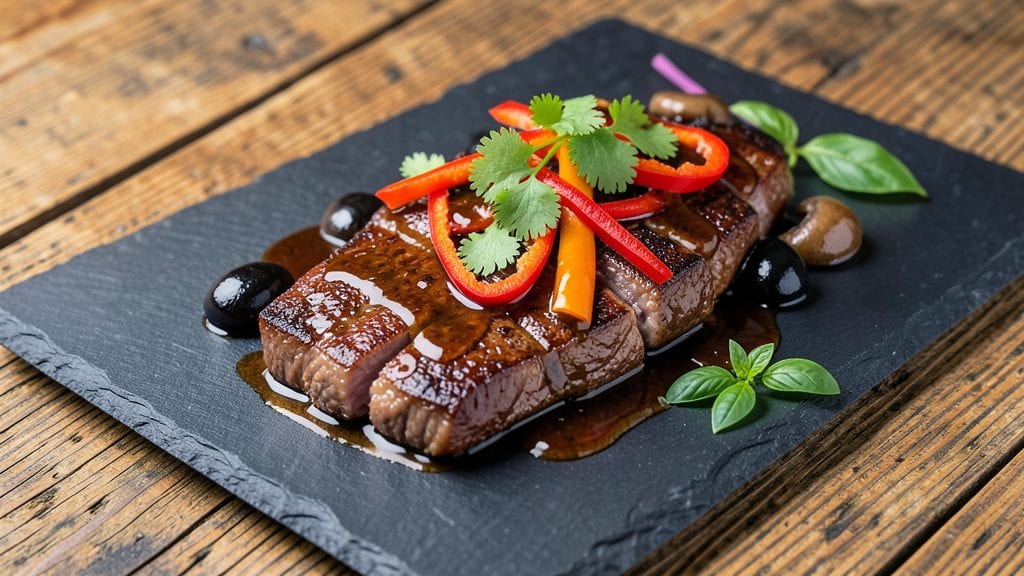
This Cantonese steak recipe delivers the bold, savory flavors of Hong Kong-style stir-fried beef that restaurant chefs perfect over hot woks. The secret lies in tenderizing the meat properly and balancing oyster sauce with a touch of sweetness—creating that signature caramelized crust and tender interior.
I developed this version after years of testing, ensuring it works in home kitchens with standard equipment while staying true to the original technique.
The process begins with marinating flank steak in a mixture of soy sauce, Shaoxing wine, and cornstarch—this transforms tough cuts into silky, bite-sized pieces that absorb flavor perfectly.
Stir-frying at high heat sears the exterior while keeping the inside juicy, then finishing with oyster sauce and a splash of sesame oil adds that unmistakable Cantonese depth. Every bite delivers the perfect harmony of salty, sweet, and umami notes.
What makes this recipe truly perfect is its versatility—serve it over steamed jasmine rice for a classic meal, or pair it with stir-fried bok choy and egg fried rice for an authentic Hong Kong spread. The technique scales easily, whether you're cooking for two or feeding a crowd.
With just 30 minutes of active prep and 10 minutes of cooking, you'll have restaurant-quality Cantonese steak on your table without the fuss.
Professional chefs rely on this method because it preserves the meat's natural juiciness while building layers of flavor through proper timing and heat control. The key is patience—don't rush the stir-frying, and let the sauce reduce just enough to coat the beef without overwhelming it.
This is how you achieve that signature restaurant finish at home, every time.
Ingredients for cantonese steak
Eight essential ingredients transform tough flank steak into silky, restaurant-quality Cantonese perfection.
| Ingredient | Amount | Notes |
|---|---|---|
| Flank Steak 🥩 | 1 ½ lb | Cut into 1-inch strips, pounded thin |
| Soy Sauce 🍶 | ⅓ cup | High-quality, preferably Japanese |
| Shaoxing Wine 🍷 | ¼ cup | Dry Chinese cooking wine |
| Cornstarch 🌾 | ¼ cup | For tenderizing the meat |
| Neutral Oil 🫒 | ½ cup | Peanut or vegetable oil, high smoke point |
| Oyster Sauce 🦪 | ¼ cup | High-quality, like Lee Kum Kee |
| Sesame Oil 🌰 | 1 tbsp | Toasted, for aroma |
| Ginger Root 🧅 | 1 tbsp | Freshly grated, finely minced |
| Garlic Cloves 🧄 | 6 cloves | Minced, fresh preferred |
| White Sugar 🍚 | 1 tbsp | Balances flavors |
| Salt 🧂 | 1 tsp | Diamond Crystal kosher salt |
| Black Pepper 🌶️ | ½ tsp | Freshly ground |
| Green Onions 🧅 | ¼ cup | Sliced, for garnish |
The flank steak is the star—look for well-marbled cuts at Whole Foods or your local Asian market. Costco often has great deals on pre-cut strips, saving you time. Pounding it thin ensures even cooking and maximum tenderness. Shaoxing wine isn't just alcohol here—it's flavor. Trader Joe's carries a decent bottle, but if you can find it at an Asian grocery, grab the Ming Tsao brand. It's worth the splurge for that authentic depth. The ginger and garlic? Fresh is non-negotiable—dried just won't cut it for this dish.
No Shaoxing wine? Dry sherry works in a pinch, but it won't be identical. Substituting oyster sauce? Hoisin sauce plus a splash of soy gets you close, though the umami won't be the same. Cornstarch is crucial—it breaks down during cooking, creating that signature silky texture. Arrowroot powder works too if you're out. For the oil, peanut oil gives the best flavor, but vegetable oil is fine if that's what you have. The sugar balances the saltiness—don't skip it, but don't overdo it either. And that sesame oil? Use the toasted kind—regular won't have the same aroma.
This dish reheats beautifully—just toss with a splash of water and stir-fry again. Keeps in the fridge for 4 days or freezes for 3 months if you portion it properly. I like to make a double batch and freeze half. The steak stays juicy when reheated, but add a little extra oil if it seems dry. Garnish with those green onions right before serving—they add a fresh pop that makes all the difference. Store the sesame oil separately if you're prepping ahead—its flavor is too strong to mix in early.
Why You'll Love This Recipe
- Here’s what sold me: that first bite where the exterior shatters into golden bits, but the inside stays juicy and tender. The cornstarch coating does all the work—no fancy marinades or hours of prep. Just sear, toss in the sauce, and let the wine do its thing.
- Five-Ingredient Magic: I swear by this—just steak, soy sauce, Shaoxing wine, cornstarch, and oil. That’s it. No fancy pantry raids or last-minute grocery runs. The Shaoxing wine alone (even the cheap stuff) transforms something simple into something that tastes like a restaurant’s secret.
- Crispy-Soft Perfection: Here’s what sold me: that first bite where the exterior shatters into golden bits, but the inside stays juicy and tender. The cornstarch coating does all the work—no fancy marinades or hours of prep. Just sear, toss in the sauce, and let the wine do its thing.
- Leftover Hero: Between us, this steak begs to be made in bulk. It reheats like a dream—crispy edges intact, no sad, rubbery texture. I portion it into containers with rice and veggies, and it’s my go-to for lunches that actually taste homemade. (Yes, even on a Tuesday night.)
Step-by-step instructions for stir-fried Cantonese steak
Here's how to achieve that signature wok-hei flavor and melt-in-your-mouth tenderness every time.
Prep the Steak for Maximum Tenderness
Place the 1.5 lb flank steak between two sheets of plastic wrap and pound it to an even ¼-inch thickness using a meat mallet. This step is non-negotiable - thicker pieces will turn tough. Cut the pounded steak into 1-inch strips against the grain, which breaks down the muscle fibers for that signature tender bite.
In a medium bowl, combine the 0.25 cup cornstarch, 0.33 cup soy sauce, 0.25 cup Shaoxing wine, 1 tbsp white sugar, 1 tsp salt, and 0.5 tsp black pepper. Add the steak strips and toss until they're completely coated in the marinade. Let them sit at room temperature for 30 minutes while you prepare your wok - this allows the cornstarch to begin tenderizing the meat.
Create the Signature Wok Sauce
In a small bowl, whisk together the 0.25 cup oyster sauce, 1 tbsp sesame oil, 1 tbsp finely minced ginger root, and 6 cloves minced garlic cloves. This sauce will carry all that umami depth and aromatic complexity. Set it aside for now - we'll use it at the perfect moment to finish our dish.
Heat 0.25 cup neutral oil in a wok or large skillet over high heat until it shimmers. The oil should be hot enough that when you add a drop of water, it sizzles violently. This high heat is crucial - it creates that wok-hei (breath of the wok) flavor that separates home cooking from restaurant-quality Cantonese dishes.
Stir-Fry to Perfect Doneness
Working in batches if needed, add the marinated steak to the hot wok. Don't overcrowd the pan - you want the steak to sear quickly rather than steam. Stir-fry continuously for 2-3 minutes until the steak turns an attractive caramelized brown color and is cooked through to 145°F internal temperature.
Once the steak is perfectly seared, immediately pour in the prepared sauce and toss everything together for another 30 seconds. The residual heat will cook off any raw alcohol from the Shaoxing wine and meld all the flavors together. You'll know it's perfect when the sauce clings beautifully to the steak and the aroma fills your kitchen.
Finish with Fresh Garnishes
Transfer the steak to a serving platter and immediately sprinkle with the 0.25 cup sliced green onions. The fresh, bright flavor of the green onions cuts through the richness of the sauce and adds that final restaurant-quality touch. Serve immediately while the steak is still sizzling hot and the sauce maintains its perfect consistency.
For maximum presentation, arrange the steak in an overlapping pile on the plate, allowing the sauce to pool attractively around it. The contrast between the caramelized edges and tender interior, combined with the vibrant green onions, makes this dish look as incredible as it tastes. Each bite should deliver perfect texture with every element - the tender steak, the glossy sauce, and the fresh green onions - working in harmony.
Pro Tips For Making Cantonese Steak
- Sear First, Sauce Later: Get that pan screaming hot before adding oil—flank steak needs a deep crust, not a sad steam. I used to rush this and end up with gray, mushy edges. Two minutes of searing per side on high heat locks in flavor before you even think about soy sauce.
- Slather, Don’t Drown: Shaoxing wine and soy sauce should coat the steak like a second skin, not pool in the pan. After searing, pour just enough to deglaze—about 2 tablespoons total—and let it reduce fast. Overdoing it turns your steak into a soggy stir-fry.
- Cornstarch Now, Not Later: Toss the steak in cornstarch before searing—it’s the only way to get that signature crispy crust without frying it after. I learned this the hard way when I tried adding it post-cook and ended up with a sticky mess. Two tablespoons mixed with a pinch of salt works every time.
- Rest Under Foil: After cooking, tent the steak with foil and let it sit for 5 minutes—yes, even if you’re starving. This keeps it juicy while you finish the sauce. I skip this when I’m impatient, and the steak turns out dry and chewy. Trust me, two minutes more saves you from regret.
Perfect pairings for cantonese steak
Classic Cantonese Sides
Serve your Cantonese steak with steamed jasmine rice—the fragrant, slightly sticky grains soak up the rich oyster sauce beautifully. I use Lotus Foods brand for that authentic aroma.
For a complete meal, add stir-fried bok choy with garlic and chili flakes—its crisp-tender texture contrasts perfectly with the steak’s silky mouthfeel. 🥢
Umami-Packed Additions
Egg fried rice transforms leftovers into a hearty dish—just scramble eggs with day-old rice, soy sauce, and peas. For extra depth, fold in char siu (Cantonese BBQ pork) from the same marinade technique.
The combination of textures and flavors makes every bite unforgettable. I often double the recipe just for this purpose.
Refreshing Contrasts
A simple cucumber salad with rice vinegar, sesame oil, and a pinch of sugar cuts through the richness. Thinly slice English cucumbers and toss with Kikkoman rice vinegar and La Choy sesame seeds. The cool, crisp flavors reset your palate between bites of savory steak. 🥒
Wok-Fried Vegetables
Quickly stir-fry baby corn, shitake mushrooms, and red bell peppers in the same wok after cooking the steak. Use leftover oil and add a splash of Shaoxing wine for consistency.
The vegetables absorb the residual flavors, creating a harmonious side that complements rather than competes with the main dish.
Dipping Sauces
Prepare a quick chili garlic sauce by blending Lee Kum Kee chili sauce with minced garlic and a drizzle of sesame oil. For something milder, mix soy sauce, honey, and a touch of rice vinegar.
These sauces let everyone customize their experience while keeping the meal cohesive. I keep both on the table for variety.
Dessert Pairings
End the meal with mango pomelo salad—its sweet-tart balance cleanses the palate after rich Cantonese flavors. Toss ripe mango chunks with pomelo segments, a squeeze of lime, and a sprinkle of toasted sesame seeds. The refreshing finish leaves guests satisfied and craving more. 🍈
Nutrition facts
Frequently asked questions
Can I use flank steak substitutes like sirloin or ribeye?
Flank steak is ideal for its lean texture and flavor, but you can use sirloin or ribeye in a pinch. Pound them extra thin to ¼-inch thickness and cut against the grain. Ribeye will be more tender but slightly fattier—trim excess fat to avoid splattering. For best results, marinate for 45 minutes instead of 30 to compensate for the thicker cut.
What if I don't have Shaoxing wine?
Dry sherry or mirin work well as substitutes, but they’ll alter the flavor slightly. Use a 1:1 ratio and add an extra ½ tsp of sugar to balance the sweetness. Avoid sweet wines like Riesling—they’ll make the dish too cloying. For a non-alcoholic option, use apple cider vinegar mixed with 1 tsp sugar.
How do I fix overcooked or dry steak?
If the steak turns out dry, immediately toss it with 1 tbsp soy sauce and 1 tsp cornstarch, then stir-fry for 1-2 minutes over medium heat with 1 tsp sesame oil. The cornstarch helps restore moisture and creates a glossy finish. For next time, reduce heat to medium-high and cook in 1-minute batches rather than all at once.
Can I make this dish ahead of time?
Yes! Cook the steak as directed, then store it in an airtight container in the fridge for up to 4 days. Reheat by tossing with 1 tsp oil and ½ tbsp soy sauce over high heat for 2-3 minutes. For freezing, portion into single servings and freeze for up to 3 months. Thaw overnight in the fridge before reheating.
What’s the secret to achieving wok hei flavor at home?
Wok hei ("breath of the wok") comes from high heat and proper airflow. Use a carbon steel or cast-iron wok if possible—these retain heat better. Heat the wok until it’s smoking hot before adding oil, and keep the flame at maximum during cooking. Work in small batches to avoid steaming, and add a pinch of sugar to the oil before cooking to enhance caramelization.