
Main Courses
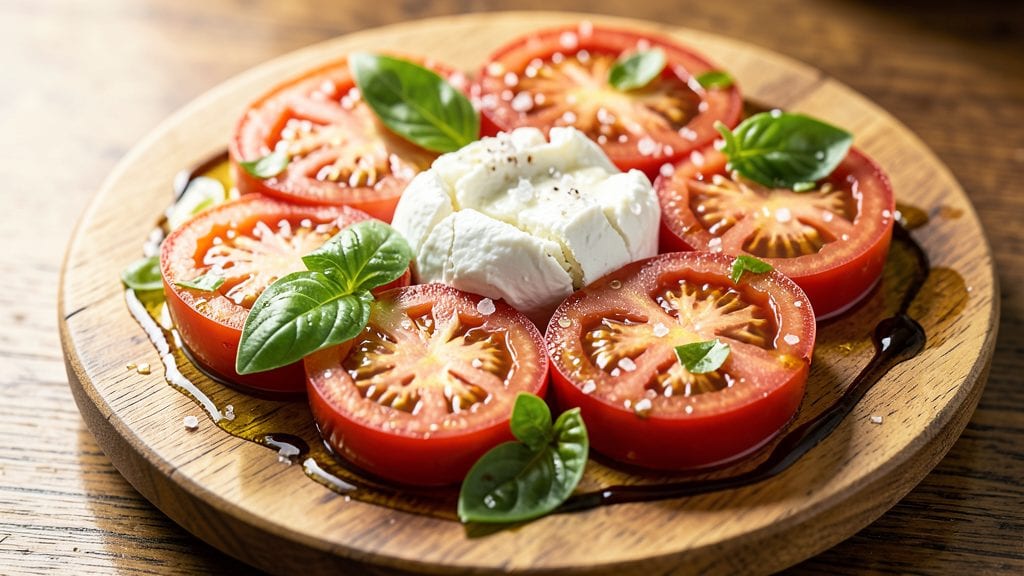
Recreating Carrabba's Tomato Caprese with fresh burrata at home delivers that same ultra-creamy, restaurant-quality experience you crave. The secret lies in heirloom tomatoes, perfectly ripe burrata, and a delicate balance of fresh basil and olive oil that transforms simple ingredients into something extraordinary.
After years of perfecting this dish, I've found the precise technique that ensures every bite feels like a taste of Italy.
What makes this recipe truly special is the attention to presentation—each slice of tomato, dollop of burrata, and basil leaf is arranged with intention to create a dish that's as visually stunning as it is delicious.
The ultra-creamy burrata melts slightly at room temperature, creating a luxurious texture that pairs beautifully with the juicy, ripe tomatoes. This isn't just a salad; it's a showstopper that elevates any meal.
The assembly is simple yet precise: layer tomatoes and burrata, drizzle with high-quality olive oil, and finish with fresh basil. The result is a dish that's light yet satisfying, with flavors that dance between sweet, tangy, and creamy.
This is the kind of meal that feels like a celebration, even on a weeknight. Ready to recreate this Carrabba's classic at home?
Pair it with crusty bread or grilled chicken for a complete meal that's sure to impress. The beauty of this dish is its versatility—it works as a starter, a light main, or even a centerpiece for a summer gathering.
Here's how to bring this restaurant favorite into your kitchen with professional results every time.
Ingredients for carrabba's tomato caprese with fresh burrata
Four heirloom tomatoes, creamy burrata, and fresh basil make this Carrabba's classic shine.
| Ingredient | Amount | Notes |
|---|---|---|
| Heirloom Tomatoes 🍅 | 4 whole | Medium-sized, ripe, seedless preferred |
| Fresh Burrata Cheese 🧀 | 1 lb | Room temperature for best texture |
| Fresh Basil Leaves 🌿 | ½ cup | Large leaves, stems removed |
| Extra-Virgin Olive Oil 🫒 | ½ cup | High quality, fruity |
| Balsamic Glaze 🍯 | 2 tbsp | Red balsamic reduction |
| Flaky Sea Salt 🧂 | 1 tsp | Maldon or similar |
| Freshly Ground Black Pepper 🌶️ | ½ tsp | Coarsely cracked |
| Crusty Bread 🍞 | 1 loaf | For serving, optional |
| Fresh Mozzarella Pearls 🧀 | ½ cup | Optional for extra creaminess |
| Lemon Zest 🍋 | 1 tsp | Freshly grated |
| Garlic Cloves 🧄 | 2 cloves | Minced for optional garlic oil |
| Fresh Thyme Leaves 🌿 | ¼ cup | Optional garnish |
The tomatoes are everything—heirloom varieties like Brandywine or Cherokee Purple deliver that sweet, juicy burst. Local farmers markets usually have the best selection when they're in season (June-September). If you can't find heirloom, beefsteak tomatoes work too, just make sure they're fully ripe. The burrata? Whole Foods or specialty Italian markets carry the best brands like Caseificio di Cisterna. Look for that creamy, almost liquid center—it should feel cool to the touch. Fresh mozzarella pearls from Trader Joe's add extra richness if you want to go all-out.
No heirloom tomatoes? Cherry tomatoes halved work in a pinch, but they won't have that same depth of flavor. Fresh basil is non-negotiable here—dried just won't cut it. For the olive oil, avoid the cheap stuff; you want something with real fruitiness that can stand up to the tomatoes. The balsamic glaze can be store-bought (I like Colavita) or homemade—simmer 1 cup balsamic vinegar until reduced by half. Want more garlic flavor? Infuse 2 tbsp olive oil with 2 minced cloves for 10 minutes before drizzling. The mozzarella pearls? Fresh buffalo mozzarella cut into chunks works too if you can't find pearls.
Let everything sit at room temperature for 30 minutes before assembling—this makes the burrata even creamier. Store any leftovers in the fridge with a thin layer of olive oil to keep them fresh for up to 2 days. The tomatoes will soften, so assemble just before serving. For presentation, I like to use a slate board or wooden platter—arrange the tomatoes in a circle, add dollops of burrata, then drizzle everything with olive oil. Garnish with basil leaves and a sprinkle of flaky salt right before serving. This dish is all about the visual—take your time with the plating!
Why You'll Love This Recipe
- I’ll be real: I rarely make enough for seconds, but when I do, the next day’s lunch is just as good. The tomatoes hold their sweetness, the burrata stays dreamy (if slightly firmer), and the basil keeps its bright punch. Pack it in a container with a drizzle of olive oil—it’s basically a meal in a jar.
- No-Chop Necessary: I swear by this—just slice those heirloom tomatoes in half, tear the basil, and let the burrata do the work. That’s it. No dicing, no mincing, no fuss. The only prep is arranging the tomatoes and cheese like a lazy charcuterie board.
- Burst of Creamy Magic: That first bite of burrata—still warm, oozing into the juicy tomato—is like summer in a spoonful. The balsamic glaze ties it all together with a sweet-tart punch that makes me want to eat it straight off the cutting board. (Between us, I’ve been known to.)
- Weeknight or Fancy Dinner: Honestly, this is my go-to for both. Toss it on the table when friends pop over unexpectedly, or serve it as a showstopper at a dinner party. The same simple steps work—just swap the plate if you’re feeling fancy. (Pro tip: Add a sprinkle of flaky salt right before serving.)
Step-by-step instructions for Carrabba's tomato caprese with fresh burrata
Here's how to assemble this dreamy, ultra-creamy dish with restaurant-quality ease.
Prepare the Heirloom Tomatoes
Begin by slicing the 4 whole heirloom tomatoes into ¼-inch thick slices—about 8 slices per tomato. I like to use a sharp chef's knife and cut them as evenly as possible for consistent presentation. Arrange the tomato slices on a large serving platter, slightly overlapping them in concentric circles to create a visually stunning display.
While you work, sprinkle each tomato slice lightly with ½ teaspoon of the flaky sea salt and ¼ teaspoon of the freshly ground black pepper. This early seasoning helps draw out moisture from the tomatoes, intensifying their natural sweetness. Let them sit for 5 minutes before proceeding—this brief rest allows the flavors to meld slightly.
Assemble the Creamy Burrata Centerpiece
Gently tear the 1 lb fresh burrata cheese into 4 equal portions, keeping the delicate inner strands intact. Place each portion in the center of the tomato arrangement, creating a beautiful contrast between the vibrant red tomatoes and the creamy white cheese. The burrata should be at room temperature for the best texture—if it's cold from the fridge, let it sit for 10-15 minutes before serving.
Drizzle each burrata portion with 1 tablespoon of the extra-virgin olive oil and ½ teaspoon of the lemon zest. The citrus brightens the rich cheese while the olive oil adds a luxurious finish. Sprinkle 1 tablespoon of the fresh mozzarella pearls around each burrata piece for additional creaminess, if using. These pearls melt slightly when served, creating an extra decadent texture.
Garnish with Fresh Herbs and Balsamic Glaze
Tear the 0.5 cup fresh basil leaves into smaller pieces and distribute them evenly around the platter, focusing on the spaces between the tomato slices and burrata. The basil's fresh aroma will elevate the dish immediately. Next, sprinkle the 0.25 cup fresh thyme leaves lightly over the entire arrangement—just a few leaves per section is plenty, as thyme has a strong flavor.
Finally, drizzle ½ tablespoon of the balsamic glaze in a zigzag pattern over each burrata portion. The glaze should be reduced but still slightly syrupy—this creates a beautiful contrast with the creamy cheese and juicy tomatoes. For extra flair, add a pinch of flaky sea salt on top of each burrata piece right before serving.
Serve with Crusty Bread
Slice the 1 loaf crusty bread into ½-inch thick pieces and arrange them on a separate platter or around the tomato caprese. The bread's crunch provides a perfect textural contrast to the soft, creamy burrata and juicy tomatoes. I like to warm the bread slightly in the oven for 2-3 minutes at 350°F to enhance its texture—just until it's toasty but not browned.
Serve the tomato caprese immediately while the burrata is still cool and creamy. Each bite should deliver a perfect balance of sweet tomatoes, rich burrata, fresh herbs, and the bright acidity of the balsamic glaze. The bread soaks up any extra olive oil or balsamic reduction, making it a satisfying addition to this elegant dish.
Pro Tips For Making Carrabba'S Tomato Caprese With Fresh Burrata
- Slice Tomatoes Cold: Pull heirloom tomatoes straight from the fridge and slice them just before assembling—room temperature makes them mushy and watery. I used to slice ahead of time, and the plate always looked sad by serving. Cold slices hold their shape and release less juice, keeping that perfect balance of texture.
- Drain Burrata First: Burrata’s creamy center is delicious, but excess whey pools on the plate. Gently tear open the cheese, let it sit for 5 minutes, then spoon out the liquid before plating. This keeps your presentation clean and lets the cheese shine without soggy basil.
- Toast Basil Leaves: Lightly toast the basil leaves in a dry pan for 10 seconds per side—they’ll crisp slightly and release their aroma. It’s a quick move that adds depth instead of just dropping raw leaves on top. (Yes, even if you’re impatient like me.)
- Swap Glaze for Reduction: Skip the pre-made balsamic glaze—simmer ¼ cup balsamic vinegar and 1 tbsp honey for 3-4 minutes until syrupy. It’s richer, less sweet, and tastes like it came from a restaurant. (Your future self will notice the difference.)
Regional styles of this carrabba's tomato caprese with fresh burrata
Southern Italian Twist
In Southern Italy, this dish often features San Marzano tomatoes instead of heirloom varieties—their sweet, low-acid profile makes them ideal for Caprese. I've made this version with cherry tomatoes halved when heirlooms weren't available, though the flavor won't be quite as refined.
The key Southern touch? Adding 1 tbsp chopped fresh oregano to the olive oil drizzle—it pairs beautifully with the basil and adds that authentic Italian herb blend. 🌿
Tuscan Olive Oil Infusion
Tuscany takes this dish to the next level by infusing the olive oil with garlic and rosemary. Sauté 3 minced garlic cloves in ¼ cup olive oil for 2 minutes until fragrant, then add 2 sprigs fresh rosemary and let steep for 5 minutes off heat.
Strain and use this infused oil for drizzling—it adds a subtle herbal depth that complements the burrata perfectly. I keep a small jar of this in my fridge for quick dressings.
Roman Rustic Presentation
Romans serve this dish with a focus on rustic simplicity—no fancy plating, just fresh ingredients arranged naturally.
Try this approach: place the tomato slices and burrata directly on a wooden board, then scatter toasted pine nuts (toasted in 1 tbsp olive oil for 2 minutes) around the edges for crunch.
The Romans also often add a sprinkle of crushed black pepper directly on the burrata right before serving, which I find adds an interesting contrast to the creamy cheese. 💛
Sicilian Spiced Variation
For a Sicilian-inspired twist, add 1 tsp crushed fennel seeds to the olive oil drizzle—this adds an anise-like note that pairs surprisingly well with the tomatoes. I also like to add thinly sliced fresh chili peppers (like 'nduja if you're feeling adventurous) around the edges for a subtle heat.
The Sicilians often serve this with crispy fried anchovies on top of the burrata for an umami punch that takes the dish to restaurant-quality levels.
Venetian Balsamic Reduction
Venetian cooks take their balsamic glaze to another level by reducing it with a splash of white wine vinegar. Simmer 1 cup balsamic vinegar with 2 tbsp white wine vinegar until reduced by half, then finish with 1 tsp honey.
This creates a glossy, slightly tangy reduction that has more complexity than standard balsamic glaze. Drizzle it in thin lines over the burrata for that authentic Venetian touch.
Modern Fusion Approach
For a contemporary twist, I've seen this dish elevated with smoked salt instead of regular flaky salt and microgreens sprinkled on top. The smoky depth from the salt adds complexity, while the microgreens provide a fresh, peppery contrast.
Another modern approach is to serve the burrata slightly warm—place it in a 200°F oven for 3-4 minutes before assembling to create a warm, gooey center that contrasts beautifully with the cool tomatoes. This works especially well for brunch presentations.
Nutrition facts
Frequently asked questions
Can I substitute burrata with regular mozzarella?
While you can use fresh mozzarella in a pinch, it won't give you that signature ultra-creamy texture. Burrata's liquid center creates the luxurious mouthfeel that makes this dish special. For a closer substitute, try mixing fresh mozzarella with a little heavy cream (1 tbsp cream per 8 oz mozzarella) to mimic the richness. The flavor will be different but still delicious!
How do I make this dish ahead of time?
Prep the tomatoes and burrata separately up to 2 hours ahead, but don't assemble until serving. Keep tomatoes at room temperature and store burrata in its container with a thin layer of olive oil. Arrange everything just before serving to maintain the perfect texture contrast. The basil should always be added fresh for maximum aroma.
What's the best way to store leftovers?
If you have leftovers (unlikely with this dish!), store only the tomatoes and burrata separately in airtight containers. Keep them refrigerated for up to 2 days. Reassemble with fresh basil and a light drizzle of olive oil when ready to serve. The texture won't be quite as perfect, but it's still tasty!
Can I make this vegetarian?
This dish is naturally vegetarian. For extra protein, serve with grilled vegetable skewers or a side of marinated artichoke hearts. The creamy burrata and juicy tomatoes make it satisfying on its own, but these additions create a complete meal. The bread helps soak up any extra flavors too!
Why does my burrata get watery?
Burrata releases its liquid center when exposed to heat or when cut too aggressively. To prevent this, keep everything chilled until serving and tear the burrata gently with your hands rather than cutting it. Room temperature burrata should be cool to the touch—never warm. The liquid is actually part of the cheese's charm when used properly!