
Beverages
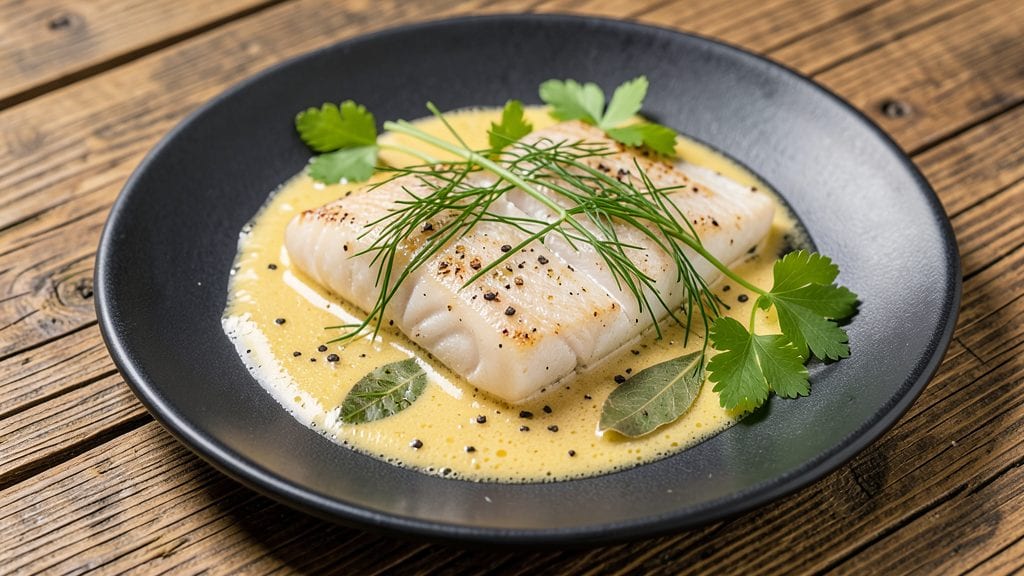
Poaching cod in milk transforms delicate fish into ultra-tender, silky bites that melt in your mouth—this Scandinavian-inspired technique relies on gentle heat and a creamy, flavorful bath that preserves moisture better than any pan-searing method.
The milk creates a velvety texture while infusing subtle sweetness, a method perfected in coastal kitchens where simple ingredients deliver extraordinary results. What makes this dish special is how it balances tradition with foolproof execution, ensuring restaurant-quality tenderness at home without specialized equipment.
This method works best with fresh cod fillets (about 1-inch thick) that cook in just 4-6 minutes per side in a gentle simmer—never a rolling boil, which would turn them rubbery.
The milk, lightly seasoned with herbs and a touch of salt, becomes a luxurious broth that coats each piece, creating that signature silky, almost custard-like finish.
Unlike traditional baking or frying, poaching preserves the fish's natural flavor while adding a delicate richness that pairs beautifully with buttered vegetables or crusty bread.
By the time your cod emerges from the milk bath, you'll have perfectly tender, flaky fillets with a surface that's just barely set—no overcooking, no dryness, just melt-in-your-mouth perfection.
The dish carries subtle Scandinavian roots but adapts easily to any kitchen, requiring only basic pantry staples and a precise cooking technique. Whether serving for a special dinner or a weeknight treat, this method delivers results that feel luxurious without the fuss.
The beauty of this recipe lies in its versatility—serve it as a standalone dish with a squeeze of lemon, or pair it with roasted root vegetables and a crisp white wine.
The milk poaching technique also works beautifully with haddock or halibut, making it a go-to method for anyone who loves tender, restaurant-worthy fish at home. Let's get started with the full instructions.
Ingredients for cod poached in milk
Simple ingredients elevate cod to silky perfection through Scandinavian poaching mastery.
| Ingredient | Amount | Notes |
|---|---|---|
| Fresh Cod Fillets 🐟 | 1 ½ lb | Skin-on, 1-inch thick slices |
| Whole Milk 🥛 | 2 cups | Full-fat for optimal creaminess |
| Unsalted Butter 🧈 | 2 tbsp | Cold, cubed for clarity |
| Fresh Dill Sprigs 🌿 | 4 whole | Tied with kitchen twine |
| Fresh Parsley Sprigs 🌿 | 2 whole | Tied with kitchen twine |
| Bay Leaves 🍃 | 2 whole | Fresh preferred |
| Diamond Crystal Kosher Salt 🧂 | 1 tsp | Fine grain preferred |
| Freshly Ground Black Pepper 🌶️ | ½ tsp | Cracked peppercorns preferred |
| Fresh Lemon Juice 🍋 | 1 tbsp | From 1/2 lemon |
| Extra-Virgin Olive Oil 🫒 | 1 tbsp | For finishing |
| Crusty Bread 🍞 | 4 slices | For serving |
| Freshly Grated Lemon Zest 🍋 | 1 tsp | For garnish |
The cod selection is critical—look for fillets with vibrant color and firm texture at specialty seafood markets or high-end grocers like Whole Foods or Trader Joe's. The skin-on variety yields better texture, and 1-inch thickness ensures even cooking. For optimal results, purchase cod that will be cooked within 24 hours—freshness directly impacts the tender outcome. If substituting haddock or halibut, increase cooking time by 1-2 minutes per side as these varieties have slightly denser textures. The milk should be whole milk for maximum creaminess, as lower-fat options may not create the same luxurious finish.
No fresh dill or parsley? Dried herbs at one-third the amount work in a pinch, though fresh imparts superior aroma. Substituting milk with heavy cream creates an even richer texture, though the cooking time should be reduced by 30 seconds per side due to higher fat content. For those avoiding dairy, coconut milk produces a neutral alternative, though the texture will be slightly lighter. The butter should be cold and cubed—this prevents premature melting during the poaching process. If using pre-shredded cheese for garnish, opt for freshly grated Parmesan instead, as pre-shredded varieties contain anti-caking agents that can compromise texture.
Store any unused milk in an airtight container in the refrigerator for up to 5 days, though it's best used within 24 hours for optimal flavor. The cod should be cooked immediately upon removal from the refrigerator to prevent drying. Leftover poached cod reheats beautifully in the milk bath over low heat for 2-3 minutes, maintaining its tender quality. For meal prep, portion the milk poaching liquid into ice cube trays, freezing for up to 3 months—simply reheat with fresh herbs when ready to use. The crusty bread should be stored in a paper bag at room temperature to maintain crispness.
Why You'll Love This Recipe
- No-Fuss Technique: I swear by this method—just warm milk, butter, and a gentle simmer. The cod cooks itself while I stir in herbs, no flipping or frying required. Honestly, it’s the kind of recipe where you can sip wine and still feel like you’ve done something.
- Creamy-Garlicky Magic: That first bite? The milk turns velvety, the butter adds richness, and the dill-parsley finish makes it taste like a fancy bistro dish. (Yes, even on a Tuesday night.) The cod stays moist, never dry—it’s the kind of texture that makes you slow down and savor.
- Weeknight to Dinner Party: Make it for yourself or double it for guests—same effort. The leftovers reheat beautifully in a pan with a splash of milk, and the flavors only get better the next day. Between us, this is my go-to when I need something impressive without the stress.
- Pantry-Friendly Luxury: You’re using milk and butter, not some obscure spice blend. Cod’s affordable compared to other fish, and fresh herbs stretch far if you freeze extras. It’s the kind of recipe that feels special but won’t break the bank—or your schedule.
Step-by-step instructions for cod poached in milk
Here's the method to achieve cod so tender it nearly falls apart at the touch, with a delicate milk-infused flavor.
Prepare the Poaching Liquid and Cod
In a large, deep skillet or saucepan, combine the 2 cups whole milk, 2 tablespoons unsalted butter, 4 whole fresh dill sprigs, 2 whole fresh parsley sprigs, 2 whole bay leaves, 1 teaspoon diamond crystal kosher salt, and 0.5 teaspoon freshly ground black pepper. Bring to a gentle simmer over medium-low heat—you should see just small bubbles breaking the surface, not a rolling boil. The milk should heat through in about 3-4 minutes, reaching a temperature of 160°F.
While the milk heats, pat the 1.5 lb fresh cod fillets dry with paper towels, ensuring no moisture remains on the surface. This step is crucial for preventing the milk from breaking and ensuring a clean, tender texture. Season the cod lightly on both sides with a pinch of salt and pepper—just enough to enhance flavor without overpowering the delicate milk poaching process.
Poach the Cod Gently
Carefully slide the cod fillets into the simmering milk, skin-side down if the fillets are skin-on. The heat should be low enough that the milk doesn't bubble vigorously—anything stronger will cause the cod to cook unevenly or even curdle the milk. Cover the pan with a lid and let the cod poach for 8-10 minutes, depending on thickness. The fish is done when it flakes easily with a fork and reaches an internal temperature of 145°F.
Here's the thing—don't rush this step. The gentle heat allows the milk to infuse the cod, creating that signature silky texture. If you see the milk beginning to curdle or separate, reduce the heat further or remove the pan from the heat entirely for a minute to let it settle. The milk should remain smooth and creamy throughout the process.
Finish with Lemon and Rest
Once the cod is fully poached, use a slotted spoon to carefully remove the fillets from the milk and transfer them to a plate. Pour the 1 tablespoon fresh lemon juice into the remaining milk in the pan and stir gently to infuse the liquid with brightness. Bring the milk back to a bare simmer for 1-2 minutes, then remove from heat. Strain the milk through a fine-mesh sieve into a small bowl, pressing gently on the herbs to release their flavors. Discard the herbs.
Return the cod to the warm milk mixture and let it rest for 2-3 minutes. This final step ensures the fish absorbs the lemon-infused milk, adding a subtle tang that balances the richness. The cod should be at room temperature before serving, so if you're preparing ahead, keep it covered and warm in the milk until ready to plate.
Plate and Serve with Crusty Bread
Drizzle the cod with the lemon-infused milk sauce, then finish with 1 tablespoon extra-virgin olive oil and 1 teaspoon freshly grated lemon zest. The oil adds a luxurious sheen, while the zest brightens the dish with a citrusy aroma. Serve immediately with the 4 slices crusty bread on the side, allowing guests to soak up every bit of the silky milk sauce.
The result should be cod that's so tender it nearly melts in your mouth, with a delicate, almost custard-like texture from the milk poaching. The crusty bread is essential—it cuts through the richness and provides a satisfying contrast to the ultra-tender fish. Serve with a simple green salad to balance the dish and complete the meal.
Pro Tips For Making Cod Poached In Milk
- Trim the Skin First: Pat the cod dry, then slide a knife between the flesh and skin to peel it off in one smooth motion—this keeps the fillets tender and the milk from turning cloudy. I used to skip this and ended up with a watery, off-flavored poach every time.
- Simmer, Don’t Boil: Keep the milk at a gentle simmer—tiny bubbles breaking the surface, not rolling over. Boiling will curdle the milk and turn your cod rubbery. I learned this after my first attempt looked like a science experiment gone wrong.
- Butter the Pan Last: Add the butter to the milk after it’s simmering, not before. This prevents the butter from burning and ensures it melts into the milk evenly, giving the cod that rich, velvety finish. Sounds simple, but I wasted two batches by rushing this step.
- Dill Goes In Cold: Toss the dill sprigs into the milk after the butter melts but before adding the cod—this infuses the liquid better than dropping them in later. The parsley can wait until plating; it’s more for show than flavor. (Yes, I tested this.)
Storing and reheating this recipe
Refrigerator Storage
Store any leftover poached cod in its milk bath within an airtight container for up to 2 days—the milk's natural richness preserves the fish's tenderness better than water.
I always keep the milk mixture warm in a double boiler or slow cooker on "warm" setting to maintain its creamy texture. The cod stays perfectly moist, almost like it was just cooked. 🥛
Freezer Preservation
For longer storage, freeze the cod in its milk bath for up to 1 month using freezer-safe glass containers or silicone ice cube trays (for single servings).
Thaw overnight in the refrigerator, then gently reheat in the milk bath over low heat for 3-4 minutes—never microwave, as it can turn the fish rubbery. The milk may separate slightly upon thawing, so stir gently before reheating. ❄️
Reheating Perfection
To reheat cod from the refrigerator, place the fish and milk mixture in a lightly simmering saucepan over low heat for 2-3 minutes—just enough to warm through. Avoid high heat, which can curdle the milk or overcook the cod.
I like to finish with a squeeze of lemon juice and a drizzle of olive oil to revive the flavors. The texture should remain silky, not dry. 🔥
Reviving Leftover Milk
If the milk separates after storage, whisk it gently or strain it through a fine-mesh sieve to remove any curdled bits. Heat the strained milk over low heat until smooth, then return the cod to the pan for 1-2 minutes to reabsorb the flavors.
This trick works wonders for restoring the dish's luxurious finish. The result is just as tender as fresh! 💫
Bread Storage Tips
Keep the crusty bread in a paper bag at room temperature for up to 3 days to maintain crispness. If storing longer, freeze the bread slices for up to 1 month, then toast or warm in a toaster oven for 2-3 minutes before serving.
Warm bread soaks up the milk sauce beautifully, enhancing the dining experience. 🍞
Meal Prep Shortcuts
Prep the milk poaching liquid ahead of time and store it in the refrigerator for up to 3 days. When ready to cook, simply heat it gently and add the cod fresh from the fridge.
This saves time while ensuring the fish stays ultra-tender. I also like to pre-portion the lemon zest and herbs in small containers for easy access during plating. 💡
Nutrition facts
Frequently asked questions
Why does poaching cod in milk create such a tender texture?
The milk's gentle heat and fat content work together to break down the fish's proteins slowly, creating that signature silky, custard-like texture. Unlike dry-heat methods, poaching in milk prevents moisture loss while infusing the fish with subtle sweetness. The low acidity also helps preserve the natural flavor without overpowering it.
Can I use heavy cream instead of milk for this recipe?
Yes, but reduce the cooking time by 30 seconds per side—heavy cream has more fat that can make the cod cook faster. The texture will be even richer, though the flavor profile shifts slightly toward buttery instead of creamy. For best results, use 1 cup milk + 1 cup heavy cream to balance both qualities.
What happens if the milk curdles while poaching?
This usually happens if the heat gets too high or the milk isn't fresh. Immediately reduce the heat to lowest setting and stir gently to smooth it out. If curdling persists, strain the milk through a fine-mesh sieve before returning the cod to the pan. The fish will still be tender, though the sauce may separate slightly.
How do I know when the cod is fully cooked?
The fish is done when it reaches an internal temperature of 145°F and flakes easily with a fork. For 1-inch thick fillets, this takes about 8-10 minutes in gently simmering milk. Overcooking by even 30 seconds can turn the texture rubbery, so use a meat thermometer for precision.
What are the best sides to serve with this dish?
Crusty bread is essential for soaking up the milk sauce, but you can also pair it with buttered green beans, roasted root vegetables, or a simple lemon-dill salad**. The creamy texture contrasts beautifully with acidic or earthy sides. For a complete meal, add a crisp white wine like Sauvignon Blanc.