
Side Dishes
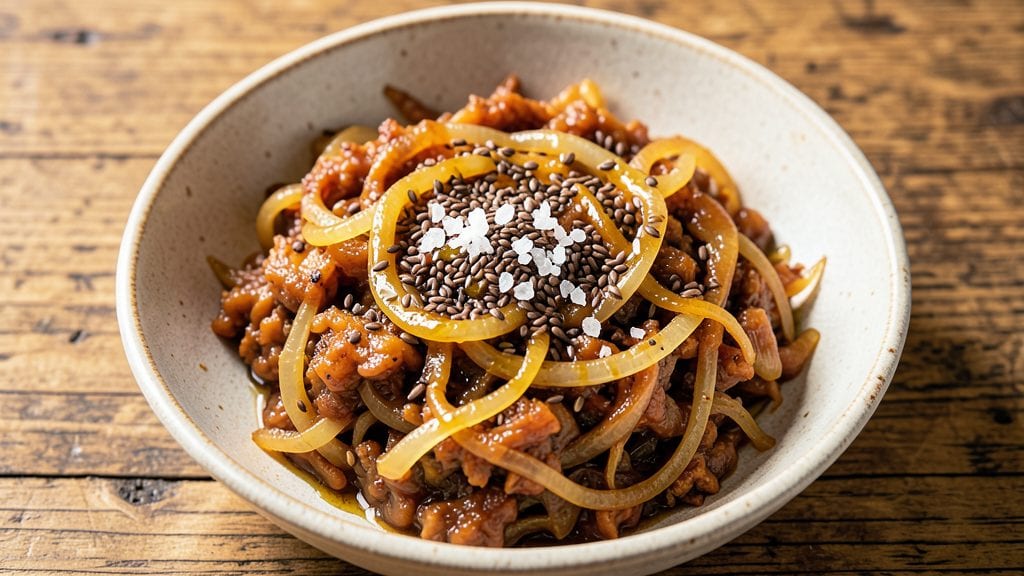
This cooked sauerkraut recipe transforms tangy fermented cabbage into a caramelized, savory side that steals the show at any meal. The key lies in balancing sweetness and acidity through slow cooking with onions and spices until the edges develop that perfect crispy texture.
I first discovered this technique while searching for ways to use up sauerkraut without the harsh tang overwhelming other dishes.
The process is simpler than it sounds—just one pan, 30 minutes, and a handful of ingredients that work together to create depth of flavor. Onions form the base, slowly caramelizing to mellow the sauerkraut's sharpness, while a touch of brown sugar and caraway seeds add complexity.
The result is a dish that's equally at home alongside roasted meats or as a hearty vegetarian main.
What you'll end up with is sauerkraut that's tender yet still holds its crunch, with a glossy sheen from the caramelized onions and a perfect balance of tangy, sweet, and earthy flavors. The aroma alone will have everyone at the table asking what's for dinner.
This method preserves all the probiotic benefits while making the dish approachable for anyone who's ever found plain sauerkraut too intense.
Serve it warm with sausages, mashed potatoes, or even as a topping for burgers—it's that versatile. The recipe scales easily, so you can make a small batch for two or double it for a crowd. Let's get cooking—your taste buds will thank you.
Ingredients for cooked sauerkraut
One pan, twelve ingredients—transforming tangy sauerkraut into a caramelized masterpiece every time.
| Ingredient | Amount | Notes |
|---|---|---|
| Sauerkraut 🥬 | 4 cups | Drained and rinsed if too acidic |
| Yellow Onions 🧅 | 2 medium | Thinly sliced for even cooking |
| Brown Sugar 🍯 | 2 tbsp | Light or dark variety preferred |
| Caraway Seeds 🌾 | 1 tsp | Whole seeds, lightly crushed |
| Apple Cider Vinegar 🍏 | 1 tbsp | For balancing acidity levels |
| Vegetable Oil 🫒 | 2 tbsp | For even caramelization |
| Bay Leaves 🌿 | 1 whole | Dried for subtle flavor |
| Salt 🧂 | ½ tsp | Kosher or sea salt preferred |
| Black Peppercorns 🌶️ | 5 whole | Freshly cracked for aroma |
| Fresh Thyme Leaves 🍃 | 1 tsp | Or 0.25 tsp dried thyme |
| Garlic Cloves 🧄 | 2 cloves | Minced for aromatic depth |
| Water 💧 | ¼ cup | For moisture balance |
The sauerkraut quality matters most here. Look for jars with firm, crisp cabbage—avoid any with a strong vinegar smell or slimy texture. Trader Joe's and Whole Foods carry excellent brands like Bubbies or Weck. If your sauerkraut is too acidic, rinse it under cold water before draining. The onions should be sweet and firm—yellow or red varieties work best. For extra flavor, char the onions slightly before adding them to the pan. Caraway seeds are key; Penzeys or bulk spice sections offer the best quality. Whole seeds release flavor better than pre-ground versions.
No caraway seeds? Celery seeds work in a pinch—use half the amount. Short on brown sugar? Honey or maple syrup adds sweetness, though the flavor profile shifts slightly. The apple cider vinegar balances acidity—if you're using store-bought sauerkraut with added vinegar, reduce this to 0.5 tbsp. Fresh thyme is ideal, but dried works at one-quarter the amount. For the garlic, roasted garlic powder can substitute, though it lacks the same depth. The vegetable oil should have a high smoke point—avocado or canola oil are excellent choices for caramelizing onions without burning.
Store any leftovers in an airtight container in the fridge for up to 5 days. The flavors actually improve overnight as everything melds together. For freezing, portion into single servings—sauerkraut reheats beautifully and keeps its texture. If making ahead, cook it just until tender (about 20 minutes) and finish caramelizing before serving. This dish reheats well, making it perfect for meal prep. The aroma alone will have your kitchen smelling like a German beer hall—worth every minute.
Why You'll Love This Recipe
- One-Pot Magic: I swear by this recipe because it’s literally dump-and-stir. No chopping like a fine chef—just slice those onions roughly, toss everything in one pot, and let the vinegar and sugar work their tangy-sweet alchemy. My lazy nights thank me every time.
- Sweet-Tart Crunch: That caramelized onion and brown sugar combo? It’s like a hug for your taste buds. The caraway seeds add this earthy kick, and the apple cider vinegar brightens it all up—like a grown-up version of my childhood’s tangy snacks, but way better.
- Weeknight Workhorse: This stuff elevates everything. Slap it on sausages, mix it into mashed potatoes, or serve it as a side—it’s the MVP of my meal prep. Honestly, I’ve even used it as a topping for deviled eggs (yes, really) when I’m desperate for flavor.
- Pantry Goldmine: Between us, sauerkraut is cheap, and this recipe stretches it into something luxurious. A single bag lasts me weeks—I keep it in the fridge for quick sides or toss it into soups when I’m out of ideas. Plus, the leftovers? Even better the next day.
Step-by-step instructions for cooked sauerkraut
Here's how to transform tangy sauerkraut into a caramelized, flavorful side dish with perfect texture.
Prepare the Base Ingredients
Start by draining and rinsing the 4 cups sauerkraut if it's too acidic—just give it a quick rinse under cold water and drain well in a colander. This removes excess brine while preserving the tangy flavor. In a small bowl, combine the 2 tbsp brown sugar, 1 tsp caraway seeds, 0.5 tsp salt, 5 whole black peppercorns, and 1 tsp fresh thyme leaves. Lightly crush the caraway seeds with a mortar and pestle or rolling pin—this releases their aroma without turning into powder.
While the sauerkraut drains, thinly slice the 2 medium yellow onions. I use a mandoline for even slices, but a sharp knife works too. The goal is to create thin, uniform pieces that will caramelize beautifully. Keep the onions separate until we're ready to cook them together with the sauerkraut.
Caramelize the Onions and Build Flavor
Heat a large, heavy-bottomed skillet over medium heat and add the 2 tbsp vegetable oil. Once the oil shimmers, add the sliced onions and cook for 10-12 minutes, stirring occasionally. You're looking for golden brown color and soft texture—the onions should be tender but not crispy. This step develops deep sweetness that balances the sauerkraut's acidity.
After 10 minutes, add the 2 minced garlic cloves and 1 whole bay leaf to the skillet. Cook for another 30 seconds until the garlic is fragrant but not browned. Immediately pour in the 1 tbsp apple cider vinegar, scraping up any browned bits from the bottom of the pan. These bits are packed with flavor—don't miss them. Let the vinegar simmer for 1 minute until it mostly evaporates.
Combine and Simmer the Sauerkraut
Add the prepared sauerkraut mixture to the skillet along with the spice blend. Stir gently to combine, then pour in the 0.25 cup water. Bring everything to a gentle simmer over medium-low heat. The liquid should just bubble softly—if it's boiling vigorously, reduce the heat. Cover the skillet and let it cook for 15-20 minutes, stirring occasionally to prevent sticking.
Here's where the magic happens: the sauerkraut will soften while retaining its slight crunch, and the flavors meld together. You'll know it's ready when the sauerkraut is tender but still holds its shape, and the liquid has reduced to a glossy glaze. The aroma should be rich and complex—sweet from the caramelized onions, tangy from the sauerkraut, and earthy from the spices.
Finish and Adjust Seasoning
Once the sauerkraut reaches perfect tenderness, remove the bay leaf and adjust the seasoning if needed. Taste a spoonful—the balance should be between sweet, tangy, and savory. If it needs more acidity, add a splash more apple cider vinegar. If it needs more sweetness, add a pinch of brown sugar. The dish should be flavorful but not overwhelming.
For the final touch, transfer the cooked sauerkraut to a serving dish. Let it sit at room temperature for 5 minutes before serving—this allows the flavors to settle and the texture to set slightly. The result should be a dish with caramelized onions, tender sauerkraut, and a perfect balance of sweet, tangy, and aromatic flavors. Serve warm as a side dish or topping for sausages and roasted meats.
Pro Tips For Making Cooked Sauerkraut
- Sauté Onions First: DESCRIPTION: Don’t just toss everything in raw—get those onions golden brown (about 5-7 minutes) before adding sauerkraut. I learned this the hard way when my kraut tasted flat because the onions never developed flavor. A little char makes a real difference.
- Rinse Kraut If Too Sour: DESCRIPTION: If your sauerkraut is aggressively tangy, give it a quick rinse under cold water before cooking. Drain well, then pat dry with a towel—this cuts the acidity without losing texture. (Yes, even if you’re impatient like me.)
- Low and Slow After Vinegar: DESCRIPTION: Once you add apple cider vinegar, drop the heat to medium-low and let it simmer uncovered for 10-15 minutes. Skipping this step leaves the kraut watery and underseasoned. Patience here guarantees better flavor.
- Toast Caraway Seeds: DESCRIPTION: Dry-toast the caraway seeds in a separate pan for 30 seconds until fragrant before mixing them in. Sounds weird, but it works—this amplifies their aroma without bitterness. (Your future self will notice the difference.)
Serving suggestions for this recipe
Classic German Pairings
This caramelized sauerkraut shines alongside traditional German dishes like bratwurst or knackwurst. Serve it warm in a stoneware bowl with a dollop of Dijon mustard for dipping. I love pairing it with potato dumplings (Kartoffelknödel)—the soft, pillowy texture contrasts beautifully with the sauerkraut's crunch.
For a hearty meal, add a side of red cabbage (Rotkohl) and a cold Pilsner beer to complete the experience. 🍺
American BBQ Elevation
Transform your next cookout by using this sauerkraut as a topping for pulled pork sandwiches or smoked brisket. The tangy-sweet balance cuts through the richness of fatty meats. I recommend serving it on a toasted brioche bun with caramelized onions and a drizzle of honey BBQ sauce.
For a vegetarian option, pile it onto a grilled portobello mushroom with blue cheese crumbles and a balsamic glaze.
Breakfast Reinvention
Why stop at dinner? This cooked sauerkraut makes an unexpected but brilliant breakfast side. Serve it alongside scrambled eggs with sharp cheddar cheese and crispy bacon for a savory morning. The acidity balances the richness perfectly.
I also love adding it to breakfast burritos with black beans and sautéed peppers—it adds a probiotic boost to start your day. A sprinkle of fresh chives adds brightness to the dish. 💛
Garnish Like a Pro
Elevate your presentation with simple but effective garnishes. A sprinkle of toasted caraway seeds adds warmth and echoes the spice in the dish. Fresh dill or parsley provides a pop of color and freshness. For extra crunch, top with crispy fried onions or toasted pumpkin seeds.
I also like a drizzle of high-quality olive oil right before serving—it enhances the caramelized flavors and makes the dish look restaurant-worthy.
Meal Prep Strategies
Make this dish ahead of time for easy weeknight meals. Cook it completely (as directed) and store in an airtight container in the fridge for up to 5 days. Reheat gently in a skillet with a splash of water or broth to restore moisture.
For freezing, portion into single servings—it reheats beautifully and keeps its texture. I like to prep a big batch on Sundays and use it throughout the week for quick sides or topping for grilled meats. The flavors actually deepen over time! ⏰
Unexpected Toppings
Get creative with toppings to customize this dish for any occasion. A crumbled Gouda or Gruyère cheese adds richness, while crispy fried shallots bring extra crunch. For a smoky twist, top with crumbled bacon or smoked paprika.
If you love heat, add a pinch of red pepper flakes or a dollop of spicy mustard. Even a simple sprinkle of toasted sesame seeds adds an Asian-inspired flair that works surprisingly well.
Nutrition facts
Frequently asked questions
Why does my cooked sauerkraut taste too sour?
Excess acidity usually comes from either too much vinegar in the sauerkraut or not enough sweetness to balance it. Start by rinsing the sauerkraut well to remove excess brine, then add 1 extra tablespoon of brown sugar or 1 teaspoon of honey during cooking. If it's still too sharp, a splash of apple cider vinegar (not white vinegar) can help mellow the flavor while adding depth.
Can I make this recipe without caraway seeds?
Caraway seeds add a classic flavor, but you can substitute with ½ teaspoon celery seeds or ¼ teaspoon fennel seeds for a similar earthy note. If you're avoiding seeds entirely, try 1 teaspoon dried marjoram or ½ teaspoon smoked paprika for warmth. The dish will still be delicious—just with a different aromatic profile.
How do I prevent the sauerkraut from getting mushy?
Overcooking is the main culprit! Keep the heat at medium-low and cook the sauerkraut for only 15-20 minutes after combining with onions. The cabbage should be tender but still hold its shape—think "al dente." Stirring occasionally also helps distribute heat evenly. For extra texture, add 1 tablespoon of water or broth at the end to steam the edges slightly.
What’s the best way to reheat cooked sauerkraut?
Reheat gently in a skillet over low heat with 1 tablespoon of water or broth to restore moisture. Cover the pan and cook for 3-5 minutes, stirring occasionally, until warmed through. Microwaving works in a pinch (place in a bowl with a splash of water, cover, and heat for 1-2 minutes), but the texture won’t be as crisp. The key is low and slow to avoid drying it out.
Can I use raw sauerkraut instead of cooked?
Raw sauerkraut has a much sharper, more acidic flavor that can overpower dishes. Cooking transforms it by softening the cabbage, caramelizing the onions, and balancing the tang with sweetness and spices. If you're short on time, try sautéing raw sauerkraut for just 5-7 minutes with onions and a pinch of sugar—but expect a bolder, tangier result. For best flavor, follow the full recipe.