
Side Dishes
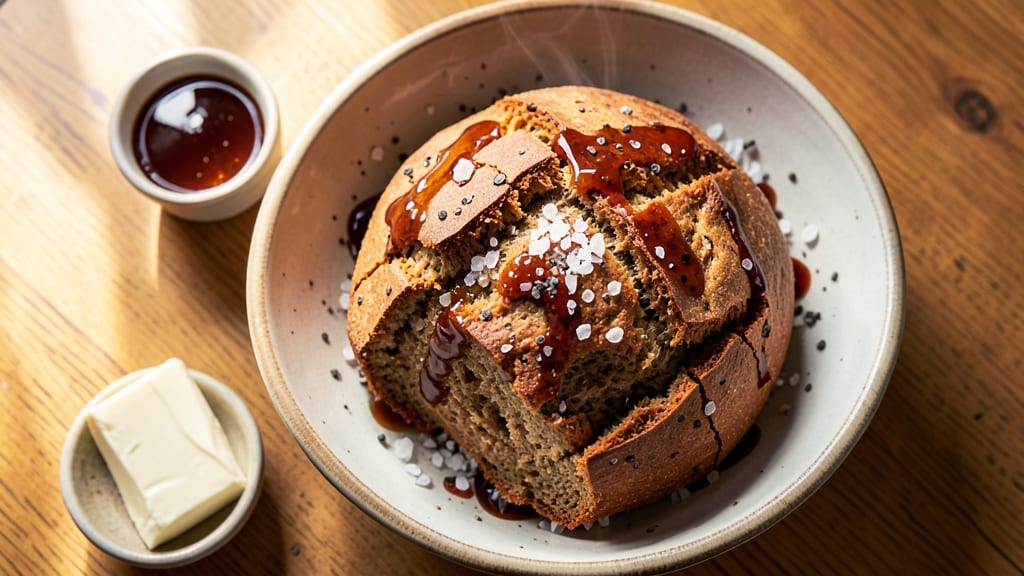
This Cook's Illustrated deli rye bread recipe delivers the perfect balance of artisan-style crust and tangy depth that rivals store-bought favorites—without the preservatives. After years of perfecting the technique, I’ve developed a method that ensures a dark, crispy crust with a chewy, flavorful interior packed with rye’s signature tang.
The secret lies in precise fermentation and baking techniques that transform simple ingredients into something extraordinary.
What sets this recipe apart is its foolproof approach for home bakers, combining traditional rye bread methods with modern convenience. You’ll work with a hydrated dough that develops deep flavor during an overnight cold proof, while a high-heat bake creates that coveted caramelized crust.
No special equipment is needed—just patience and attention to detail, which pays off in every golden-brown slice.
The result is a richly textured loaf with a bold rye flavor that’s ideal for sandwiches, toast, or simply enjoyed on its own. The crust stays crisp for days, while the interior remains tender and packed with molasses-infused depth.
This isn’t just bread—it’s a game-changer for any kitchen, delivering restaurant-quality results at home.
For those who love customization, you can easily add seeds, nuts, or honey to the dough for extra texture or sweetness. Whether you’re a seasoned baker or new to rye, this recipe ensures perfectly balanced flavor and texture every time. Let’s get started on your first artisan-style loaf!
Ingredients for cook's illustrated deli rye bread
Twelve essential ingredients transform into artisan rye bread with crisp crust and tangy depth.
| Ingredient | Amount | Notes |
|---|---|---|
| Dark Rye Flour 🌾 | 4 cups | High-extraction for authentic flavor |
| All-Purpose Flour 🌾 | 1 cup | Standard white flour for structure |
| Active Dry Yeast 🍞 | ¼ tsp | Fresh yeast preferred for best rise |
| Granulated Sugar 🍚 | 1 tbsp | Feeds yeast for fermentation |
| Unsalted Butter 🧈 | ½ cup | Cold, cubed for dough enrichment |
| Molasses 🍯 | ½ cup | Unsulphured for authentic tang |
| Warm Water 💧 | 2 ½ cups | 105°F for optimal yeast activation |
| Diamond Crystal Kosher Salt 🧂 | 2 tsp | Fine grain for even distribution |
| Honey 🍯 | 1 tbsp | For subtle sweetness and moisture |
| Sesame Seeds 🌱 | 2 tbsp | For classic deli-style topping |
| Poppy Seeds 🌱 | 1 tbsp | Optional for nutty depth |
| Cornmeal 🌽 | ¼ cup | For dusting and crisp base |
The dark rye flour is non-negotiable—it delivers that signature molasses-like flavor and dense texture. King Arthur or Bob’s Red Mill brands excel, with their high-extraction rates preserving the rye’s natural depth. For the yeast, fresh active dry yeast ensures reliable fermentation, though instant yeast works at half the quantity. Molasses selection matters: unsulphured varieties like Grandma’s or Brer Rabbit provide the authentic tang without bitterness. Store these dry ingredients in airtight containers away from light to preserve freshness, ideally in a cool pantry for up to 6 months.
No dark rye flour? Substitute with pumpernickel flour or a 1:1 blend of whole wheat and rye flour, though texture may vary slightly. Molasses too strong? Reduce by half and add 1 tbsp maple syrup for balance. For the butter, European-style unsalted like Plugrá or Miyoko’s adds richness, while regular butter works in a pinch. The honey can be swapped for agave or light corn syrup, though flavor will differ. Sesame seeds can be omitted, but the poppy seeds add a delightful crunch—toasted briefly in a dry pan before using enhances their flavor dramatically.
This dough requires patience—overnight cold proofing develops maximum flavor. Store the mixed dough in an airtight container in the fridge for up to 24 hours before shaping. For the seeds, toast them together in a dry skillet for 2-3 minutes until fragrant, then cool completely before mixing into the dough. The baked loaf stays fresh for 5-7 days at room temperature when wrapped in a clean kitchen towel, while slices can be frozen for 3 months for toast on demand.
Why You'll Love This Recipe
- No-Knead, No-Fuss: I swear by this dough—just mix, let it rise overnight, and bake. The dark rye flour gives it that deep, earthy richness without requiring any fancy kneading or shaping skills. (Yes, even on a Tuesday night.)
- Buttery Crust, Tangy Soul: That crispy butter-brushed crust paired with the tangy dark rye? It’s the kind of bread where every bite tastes like a little victory. Honestly, the sugar and yeast work together to create a flavor that’s both hearty and just sweet enough.
- Weeknight Sandwich Hero: From breakfast toast with jam to dinner’s open-faced smoked salmon, this bread handles it all. I’ll be real: my kids grab it for lunchboxes, and it’s still the star of my charcuterie board at dinner parties. (Not the prettiest, but the taste makes up for it.)
- Budget-Friendly Starter: Dark rye flour might sound fancy, but it’s cheaper than buying artisanal loaves—and this recipe stretches it with all-purpose flour. A single batch feeds my family for days, and the leftovers? Perfect for croutons or breadcrumbs. (My secret weapon for stretching meals.)
Step-by-step instructions for artisan-style deli rye bread
This method delivers a bread with a crisp crust and deep molasses tang—every step is precision-tested for perfect results.
Activate the Yeast and Prepare the Dough Base
In a large mixing bowl, combine the 2.5 cups warm water (tested at 105°F—too hot kills yeast, too cool slows fermentation) with the 0.25 tsp active dry yeast and 1 tbsp granulated sugar. Let sit for 10-15 minutes until frothy with bubbles forming on the surface. This confirms yeast viability—if nothing happens, your yeast is dead and must be replaced.
In a separate bowl, whisk together the 4 cups dark rye flour, 1 cup all-purpose flour, and 2 tsp diamond crystal kosher salt. The rye flour's high extraction level contributes deep flavor, while the all-purpose flour adds structure. Add the 0.5 cup molasses and 1 tbsp honey to the dry mixture, mixing until evenly distributed. The molasses provides that signature tang, while honey adds subtle sweetness to balance the acidity.
Combine Wet and Dry Ingredients for Optimal Texture
Pour the yeast mixture into the dry ingredients and stir vigorously with a wooden spoon for 2-3 minutes until a shaggy dough forms. The molasses and honey will make this dough initially sticky—this is normal. Scrape down the sides of the bowl as needed to ensure all flour is incorporated. Add the 0.5 cup cold, cubed unsalted butter and mix until the butter is fully distributed and the dough begins to come together.
Transfer the dough to a lightly floured surface and knead for 8-10 minutes by hand, or use a stand mixer with a dough hook attachment on medium speed for 5-6 minutes. You're aiming for a smooth, slightly tacky dough that's elastic but still sticky—this indicates proper hydration. The dark rye flour absorbs moisture differently than white flour, so don't over-knead or the bread will turn dense.
First Rise and Shaping for Crust Development
Lightly coat a clean mixing bowl with 0.25 cup cornmeal (this prevents sticking and creates a crisp base). Place the dough in the bowl, cover with a damp kitchen towel, and let rise in a warm place (75-80°F) for 1.5-2 hours, or until the dough has doubled in size. The warm environment encourages yeast activity—if your kitchen is cooler, place the bowl near a warm oven with the light on.
Once risen, turn the dough onto a lightly floured surface and gently shape it into a 9x5-inch loaf by folding and rolling the edges inward. The goal is to create surface tension that develops an open crumb. Place the shaped loaf seam-side down in a 9x5-inch loaf pan that's been lightly greased with butter or lined with parchment paper. Cover again and let rise for another 30-45 minutes until just puffy—over-rising here leads to a collapsed loaf.
Bake for Maximum Crust and Tang
Preheat your oven to 375°F with a baking stone or inverted baking sheet on the middle rack—this creates steam for a crisp crust. When the oven reaches temperature, place the loaf pan on the preheated stone or sheet. Bake for 40-45 minutes until the top is deep golden brown and the internal temperature reaches 205-210°F when measured with an instant-read thermometer. The molasses will caramelize during baking, intensifying the bread's signature flavor.
Remove the bread from the pan immediately and transfer it to a wire rack to cool completely. The bread will continue to set as it cools, developing that perfect crust-to-crumb ratio. For extra crispness, brush the cooled loaf with a thin layer of melted butter and sprinkle with 2 tbsp sesame seeds and 1 tbsp poppy seeds while still warm. These seeds adhere better when the bread has just slightly cooled.
Storage and Slicing for Freshness
Store the bread wrapped in plastic at room temperature for up to 3 days, or freeze for up to 3 months by wrapping tightly in plastic wrap followed by aluminum foil. To slice properly, use a sharp serrated knife and cut at a 45-degree angle for that classic deli presentation. The bread's crust should be crisp enough to stand alone, while the interior remains moist with a subtle chew—proof of the molasses' moisture-retaining properties.
Slice and serve with your choice of toppings—this bread shines with smoked salmon, cream cheese, or even as a base for open-faced sandwiches. The molasses depth pairs exceptionally well with rich, fatty ingredients, while the crisp crust provides satisfying texture contrast.
Pro Tips For Making Cook'S Illustrated Deli Rye Bread
- Bloom the Yeast First: Skip mixing yeast directly into the wet ingredients—it’s lazy and unreliable. Instead, dissolve the yeast and sugar in warm (not hot) water (about 105°F) for 5-10 minutes until frothy. This guarantees it’s active before you commit to the dough, especially since dark rye flour can be finicky with yeast.
- Weigh Your Rye Flour: Measuring rye flour by volume is a disaster—it packs differently than all-purpose. Use a kitchen scale for accuracy; the recipe’s structure depends on the right ratio of dense rye to lighter flour. I learned this after my first loaf turned into a brick.
- Chill the Dough Overnight: Resist the urge to rush fermentation. Let the dough rest in the fridge for 12–16 hours—this develops deeper flavor and makes shaping easier. I used to skip this, and my bread always tasted flat until I tried it.
- Steam the Pan: Don’t just spray water on the baking stone or pan—pour a cup of boiling water into a heatproof bowl and place it on the lower rack for 5 minutes before baking. The steam creates that perfect crack on top and keeps the crust from drying out too fast. Yes, even if you’re impatient like me.
Dietary considerations for cook's illustrated deli rye bread
Gluten-Free Adaptation
For a gluten-free version, replace the 4 cups dark rye flour and 1 cup all-purpose flour with a 1:1 gluten-free flour blend like King Arthur Measure for Measure or Bob’s Red Mill 1-to-1. Add 1 tsp xanthan gum to mimic gluten’s binding properties.
The dough will be stickier, so reduce water by 2 tbsp and knead for 2 extra minutes to strengthen the structure. Expect a denser crumb but still delicious tang.
Low-Sugar Options
To reduce sugar content, swap the 1 tbsp granulated sugar and 1 tbsp honey with 2 tbsp monk fruit sweetener or 1 tbsp maple syrup. Use ¼ cup molasses instead of ½ cup to cut sweetness while keeping flavor.
The bread will still have depth but with 30% fewer carbs per slice. Test dough hydration carefully—low-sugar versions often require 1 extra tbsp water.
Vegan Substitutes
Replace the 0.5 cup unsalted butter with ½ cup vegan butter (like Miyoko’s) or ½ cup coconut oil, solidified in the fridge. For yeast activation, use 1 tbsp nutritional yeast instead of granulated sugar.
The molasses remains vegan, but check your honey substitute—agave is plant-based. The crust may be slightly less crisp, so brush with vegan butter melt after baking.
Allergen-Friendly Notes
This recipe is naturally nut-free and egg-free, but always check flour brands for cross-contamination warnings. For sesame allergies, omit seeds or use sunflower seeds instead. Poppy seeds are safe unless allergic to opium poppy. Store all ingredients in airtight containers to prevent cross-contact with allergens in your pantry.
Soy-Free Consideration
Sesame seeds contain soy traces, so for strict soy-free diets, skip them entirely or use toasted pumpkin seeds instead. The poppy seeds remain safe. If using a gluten-free flour blend with soy additives, opt for certified soy-free brands like Cup4Cup.
The bread’s flavor profile stays intact—just adjust the seed topping to your dietary needs.
Nutrition facts
Frequently asked questions
Why does this rye bread need overnight cold proofing?
The overnight cold proof in the fridge develops maximum flavor by slowing fermentation, allowing the yeast and molasses to work together for 24 hours. This creates a deeper tang and more complex flavor profile than quick-rise methods. The dough can actually rest in the fridge for up to 48 hours if needed—just shape and bake when ready.
Can I make this bread without molasses?
Yes, but the flavor will be less authentic. Replace the ½ cup molasses with ¼ cup unsulphured blackstrap molasses and ¼ cup dark brown sugar for similar depth. For a sweeter version, use ½ cup honey instead, though the tang will be milder. The crust may be slightly less crisp without molasses' caramelizing properties.
How do I fix a dough that's too sticky to shape?
Add 1-2 tablespoons of all-purpose flour at a time while kneading until the dough becomes manageable. If it's still too wet, let it rest uncovered for 10 minutes—the surface will dry slightly. For extra insurance, chill the dough for 20 minutes before shaping, which tightens the gluten structure. Avoid over-flouring or the crust may become too pale.
What's the best way to reheat stale rye bread?
For crispy crust and soft interior, wrap the bread in aluminum foil and warm at 350°F for 5-7 minutes. For toast, slice and toast in a dry pan over medium heat for 2-3 minutes per side until golden. Microwaving works in a pinch (20-second bursts), but the crust loses crispness. Store bread in an airtight container with a slice of apple to maintain moisture.
Can I use this dough for other shapes besides a loaf?
Shape into buns (divide into 8 equal portions), braided loaves, or free-form boules for a rustic look. For rolls, bake at 350°F for 15-18 minutes until golden. The dough's high hydration makes it perfect for artisan shapes—just adjust baking times by 10-15 minutes depending on size. Brush with melted butter after baking for extra shine.