
Breakfast & Brunch
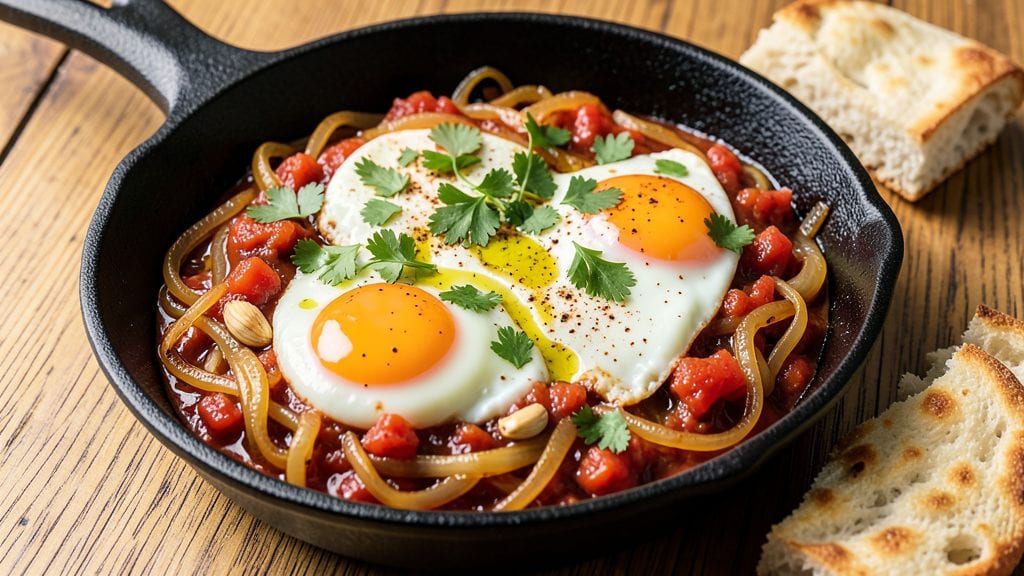
The Cook's Illustrated shakshuka recipe transforms a simple breakfast into a restaurant-worthy experience with its rich, spiced tomato sauce and perfectly poached eggs. This vegetarian dish starts with a slow-simmered base of tomatoes, bell peppers, and aromatic spices, creating a flavorful broth that cradles tender eggs.
The key lies in balancing traditional techniques—like blooming spices in oil—with modern twists, such as smoked paprika or harissa for depth.
What sets this recipe apart is its versatility and simplicity. You’ll begin with a 30-minute prep that includes sautéing onions and garlic, then simmering the sauce until it’s thick and fragrant.
The eggs poach directly in the sauce, absorbing its rich flavors while maintaining a runny yolk for that signature shakshuka texture. This method ensures restaurant-quality results without requiring advanced skills or ingredients.
The final dish delivers layers of flavor—tangy tomatoes, smoky spices, and creamy eggs—all harmonized in one comforting bowl. Serve it with toasted crusty bread to soak up every last bit of sauce or drizzle with yogurt for a cooling contrast.
The dish is hearty enough for brunch but light enough for a weeknight dinner, making it a go-to for any meal.
Optional garnishes like fresh herbs, crumbled feta, or chili flakes elevate the dish further, allowing you to customize it to your taste. Whether you're a seasoned cook or a beginner, this recipe delivers foolproof, flavorful results that will have you reaching for the eggs every morning.
Ingredients for cook's illustrated shakshuka
Restaurant-quality shakshuka starts with these 15 ingredients—simple yet transformative for breakfast or dinner.
| Ingredient | Amount | Notes |
|---|---|---|
| Extra-Virgin Olive Oil 🫒 | ½ cup | High-quality, fruity variety preferred |
| Yellow Onions 🧅 | 1 whole | Medium size, thinly sliced |
| Garlic Cloves 🧄 | 6 cloves | Fresh, peeled and minced |
| Canned Crushed Tomatoes 🍅 | 2 cups | San Marzano preferred for sweetness |
| Tomato Paste 🍅 | 2 tbsp | High-quality, no sugar added |
| Smoked Paprika 🌶️ | 1 tsp | For authentic smoky depth |
| Ground Cumin 🌿 | 1 tsp | Freshly toasted for intensity |
| Ground Coriander 🌿 | 1 tsp | For citrusy brightness |
| Red Bell Pepper 🍆 | 1 whole | Medium size, diced |
| Large Eggs 🥚 | 4 whole | Fresh, room temperature |
| Plain Yogurt 🥛 | ¼ cup | Full-fat for creaminess |
| Fresh Cilantro 🌿 | ¼ cup | Chopped, for garnish |
| Feta Cheese 🧀 | ¼ cup | Crumbled, optional topping |
| Salt 🧂 | 1 ½ tsp | Diamond Crystal kosher salt |
| Black Pepper 🌶️ | ½ tsp | Freshly cracked |
The foundation begins with San Marzano crushed tomatoes, which deliver unmatched sweetness and depth—Trader Joe's and Whole Foods carry them year-round. For the spices, opt for freshly toasted ground cumin and coriander; Penzeys Spices offers pre-toasted blends if you're short on time. The smoked paprika is non-negotiable—it's what gives shakshuka its signature smoky character. Fresh red bell peppers add vibrant color and subtle sweetness, but roasted jarred peppers work in a pinch. For the yogurt, full-fat Greek yogurt provides the best creaminess without overpowering the dish.
No smoked paprika? Substitute harissa paste at half the amount for heat and depth. Fresh cumin seeds can be toasted and ground for an even more intense flavor. For the tomatoes, high-quality canned tomatoes like Muir Glen are a solid alternative, though San Marzano remains superior. The feta can be swapped for vegetarian-friendly halloumi if you prefer a firmer texture. If you're avoiding dairy entirely, omit the yogurt and garnish with extra cilantro instead. The eggs should be fresh, room-temperature for perfect poaching—cold eggs will seize up in the sauce.
This shakshuka reheats beautifully, with flavors deepening overnight—ideal for meal prep. Store the sauce (without eggs) in an airtight container for up to 5 days in the fridge or 3 months frozen. When reheating, add a splash of water to prevent thickening. For serving, toast crusty bread or serve with warm pita. The dish tastes even better the next day as the flavors meld, making it perfect for prepping ahead.
Why You'll Love This Recipe
- Here’s what sold me: the way garlic cloves caramelize in olive oil, then melt into the crushed tomatoes, creating this smoky-sweet depth. Add a fried egg? Instantly, you’ve got that crispy yolk cutting through the velvety sauce—every bite’s a flavor win.
- One-Pan Magic: I swear by this recipe when I’m too tired to scrub pots—just onions, garlic, and crushed tomatoes simmering in olive oil until the eggs poach right in. That rich tomato paste base? It’s the secret to a sauce so deep you’ll forget you didn’t spend hours stirring.
- Savory Umami Bomb: Here’s what sold me: the way garlic cloves caramelize in olive oil, then melt into the crushed tomatoes, creating this smoky-sweet depth. Add a fried egg? Instantly, you’ve got that crispy yolk cutting through the velvety sauce—every bite’s a flavor win.
- Breakfast or Dinner: Honestly, I make this for both without batting an eye. Serve it with crusty bread in the morning, or pile it high on a plate with feta and greens for a weeknight dinner. The recipe’s flexible enough to stretch for brunch or a lazy Sunday supper.
Step-by-step instructions for cook's illustrated shakshuka recipe
A rich tomato base and perfectly poached eggs create this North African classic.
Build the Spiced Tomato Base
Heat the 0.5 cup extra-virgin olive oil in a 12-inch cast-iron skillet over medium heat. Add the 1 whole yellow onion, sliced into ¼-inch strips, and cook for 8-10 minutes until softened and golden. The onions should caramelize slightly at the edges—that's when you know they're ready.
Add the 6 cloves minced garlic cloves and cook for 30 seconds until fragrant. Immediately stir in the 2 tbsp tomato paste and cook for 1 minute to develop its deep, concentrated flavor. This step prevents the paste from clumping and ensures it blends seamlessly into the sauce.
Simmer the Tomato Sauce
Pour in the 2 cups canned crushed tomatoes, scraping up any browned bits from the bottom of the skillet. Add the 1 tsp smoked paprika, 1 tsp ground cumin, 1 tsp ground coriander, 1.5 tsp salt, and 0.5 tsp black pepper. Stir well to combine all the spices with the tomatoes.
Bring the mixture to a gentle simmer over medium-low heat, then reduce heat to low to maintain a steady simmer. Let it cook uncovered for 20-25 minutes, stirring occasionally, until the sauce thickens slightly and the flavors meld. You're aiming for a consistency that coats the back of a spoon but still has a slight looseness to it—this ensures the eggs will poach beautifully.
Incorporate the Bell Pepper
Add the 1 whole red bell pepper, diced into ¼-inch pieces, to the simmering sauce. Cook for 5-7 minutes until the bell pepper softens and becomes tender. The pepper should retain some bite but be easily pierced with a fork. This step adds natural sweetness and texture contrast to the dish.
Taste the sauce and adjust seasoning if needed. The flavors should be well-balanced—savory from the tomatoes, smoky from the paprika, and slightly earthy from the cumin and coriander. If the sauce needs more depth, a pinch of salt or a dash of smoked paprika can elevate it further.
Poach the Eggs
Using a spoon, create 4 small wells in the tomato sauce, each about 2 inches wide. Crack 1 large egg into each well, being careful not to break the yolks. The sauce should be at a gentle simmer—if it's too vigorous, the eggs will cook too quickly and become rubbery.
Cover the skillet with a lid and cook for 5-7 minutes, depending on how runny you like your yolks. For a creamy, slightly runny yolk, aim for the 5-minute mark. For a firm but still custardy yolk, go closer to 7 minutes. The eggs are done when the whites are set but the yolks remain vibrant.
Finish and Serve
Remove the skillet from heat and let it rest for 2 minutes to allow the eggs to set slightly. Stir the sauce gently to distribute any settled spices, then spoon a generous dollop of 0.25 cup plain yogurt over each serving. The yogurt adds a cooling contrast to the rich tomato base.
Garnish each serving with 0.25 cup chopped fresh cilantro and 0.25 cup crumbled feta cheese for brightness and tang. Serve immediately in shallow bowls, allowing diners to scoop up the shakshuka with crusty bread or over toasted baguette slices. The combination of silky eggs, fragrant tomato sauce, and creamy yogurt creates a harmonious balance of textures and flavors.
Pro Tips For Making Cook'S Illustrated Shakshuka
- Sweat the Onions Slow: The recipe says "sauté," but I learned the hard way—this isn’t a race. Cook the onions on medium-low for 8–10 minutes until they’re deep golden and almost caramelized, not just soft. That’s when the flavor builds, and skipping this step leaves your shakshuka tasting flat.
- Toast the Paste Properly: Spread that tomato paste in a thin, even layer—no clumps—and cook it for 3–4 minutes until it’s a glossy, dark brown. I used to rush this, and the sauce ended up thin and dull. Let it darken; that’s where the depth of flavor hides.
- Simmer, Don’t Boil: Once the tomatoes and broth come together, keep the heat at a gentle simmer, not a rolling boil. Boiling scalds the eggs and makes the sauce watery. A steady, low bubble keeps everything tender and the sauce rich—exactly how the recipe intends.
- Stir in the Garlic Late: Add the minced garlic right before the eggs go in, not at the start. Cooking it too early burns it fast, turning the sauce bitter. A quick toss in at the end gives you bright, fresh garlic flavor without the harsh edge.
Storing and reheating your leftovers
Sauce-Only Storage
Shakshuka sauce keeps beautifully without eggs—store it in an airtight glass container (I love Le Parfait jars) in the fridge for up to 5 days. The flavors deepen overnight, making it perfect for quick breakfasts.
For longer storage, freeze the sauce in silicone molds or ice cube trays for portion control—thaw overnight in the fridge before reheating. 🥫
Reheating Sauce
Warm the sauce gently on the stovetop over low heat with 1-2 tablespoons of water to prevent thickening. If using frozen sauce, thaw first, then reheat.
For microwave reheating, cover with a damp paper towel and heat in 30-second bursts, stirring between each. The sauce should reach 165°F for safety. 🔥
Egg Reheating Tips
Never reheat the eggs directly in the sauce—they’ll turn rubbery. Instead, poach fresh eggs in the reheated sauce for 5-7 minutes to maintain that signature silky texture.
For a quick fix, scramble fresh eggs and mix them into the reheated sauce at the end. This keeps the dish restaurant-worthy even when reheated. 🍳
Freezing the Full Dish
While not ideal, you can freeze shakshuka for up to 1 month by storing components separately: sauce in one container, eggs in another (raw eggs freeze poorly, so poach them fresh).
Thaw overnight in the fridge, then reheat the sauce and poach fresh eggs in it. The texture won’t be identical, but it’s a lifesaver for busy mornings. ❄️
Make-Ahead Sauce Base
Prep the tomato sauce a day ahead—it tastes even better after resting. Store it in the fridge, then finish with the bell pepper and eggs the next morning.
This is my go-to strategy for stress-free breakfasts. For extra flavor, add a pinch of smoked paprika when reheating to revive the smoky notes. 💡
Serving Leftovers
Leftover shakshuka makes a fantastic lunch or light dinner. Serve it in warm bowls with a side of toasted sourdough or a simple arugula salad. The yogurt and feta can be added fresh to brighten the flavors.
For a modern twist, top with avocado slices or pickled red onions for extra crunch. 🥗
Nutrition facts
Frequently asked questions
Why does the sauce need to simmer for 20-25 minutes?
The long simmer develops deep, complex flavors by allowing spices like cumin and smoked paprika to fully integrate with the tomatoes. This slow process also reduces the sauce to the perfect consistency—thick enough to coat the back of a spoon but loose enough to cradle poached eggs beautifully.
Can I make this vegetarian shakshuka without feta?
Skip the feta or substitute with vegan feta or halloumi for a dairy-free option. The dish still shines with yogurt, fresh herbs, and the rich tomato base. For extra protein, add white beans or tofu crumbles to the sauce before poaching the eggs.
How do I fix rubbery eggs in my shakshuka?
Overcooking causes rubbery eggs. To salvage them, remove the skillet from heat immediately and cover with a lid to trap steam. Let sit for 2-3 minutes—this helps set the whites while keeping yolks creamy. For next time, aim for 5-7 minutes of covered cooking time and avoid boiling the sauce.
What's the best way to reheat shakshuka?
Never reheat the eggs directly in the sauce—they’ll turn tough. Instead, reheat the sauce alone (with a splash of water) to 165°F, then poach fresh eggs in it. For a quick fix, scramble fresh eggs and fold them into the warm sauce at the end. This keeps the dish silky and restaurant-worthy.
Can I use fresh tomatoes instead of canned?
Fresh tomatoes work, but they require extra prep: peel, seed, and chop 4-5 large tomatoes to yield 2 cups of pulp. Roast them first (400°F for 20 minutes) to concentrate flavors, then blend until smooth. Canned tomatoes (especially San Marzano) still deliver more consistent results with less effort.