
Side Dishes
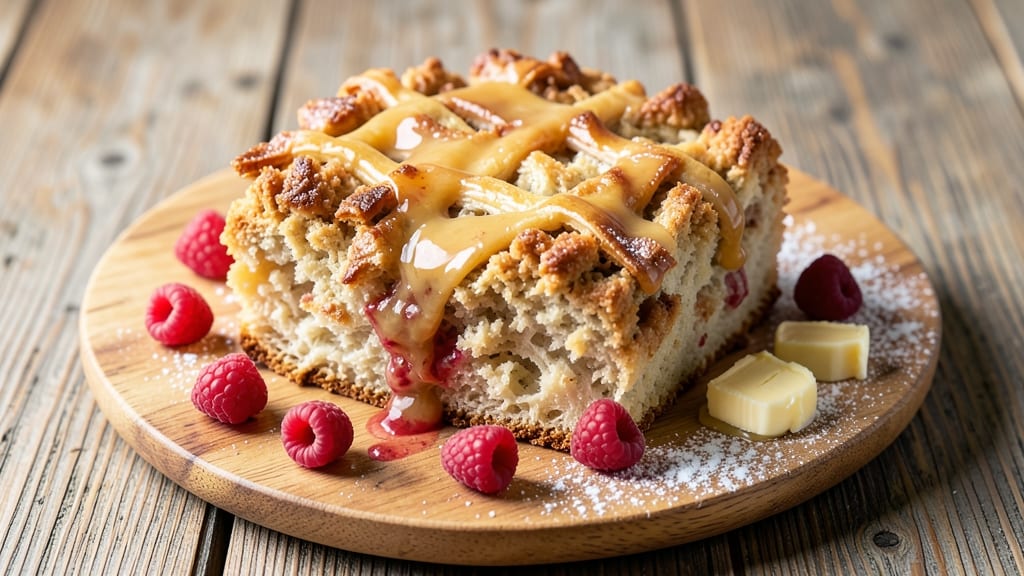
This crumble bread recipe delivers the perfect balance of a buttery, crispy top and a soft, pillowy interior—exactly what makes homemade bread irresistible. 🌟 The secret lies in a precise technique that creates those signature golden, crackly crumbs while keeping the center tender.
I've perfected this method after years of testing, and it's become a staple in my kitchen for everything from sandwiches to toast.
The key to success is using the right combination of butter and flour for the crumble topping, then baking at the correct temperature to achieve that crispy texture without burning. This recipe requires just a few simple ingredients but delivers restaurant-quality results with minimal effort.
Whether you're a beginner or an experienced baker, this foolproof method ensures perfect crumble bread every time.
By the time you pull it from the oven, you'll have a loaf with a golden, crackly crust that shatters at the touch, revealing a soft, airy interior. The aroma alone will have everyone gathering around the table.
This bread is versatile enough for sandwiches, toast, or even as a side dish—it's that good. Let's get baking!
For those who want to experiment, you can easily adapt this recipe with whole wheat flour, seeds, or even a touch of sweetness. The possibilities are endless, but the foundation remains the same: a crispy top and a soft interior that makes every slice worth savoring.
Here's everything you need to make it happen.
Ingredients for crumble bread
Buttery crumbs meet tender bread—just six core ingredients transform into golden perfection.
| Ingredient | Amount | Notes |
|---|---|---|
| Unsalted Butter 🧈 | ½ cup | Cold, cubed for crumble topping |
| All-Purpose Flour 🌾 | 2 ½ cups | Bread flour for chewier texture |
| Granulated Sugar 🍚 | 1 tbsp | Brown sugar for caramelized flavor |
| Instant Yeast 🍞 | 2 ¼ tsp | Active dry works too |
| Warm Milk 🥛 | 1 cup | 110°F for yeast activation |
| Large Eggs 🥚 | 1 whole | Room temperature for even baking |
| Diamond Crystal Kosher Salt 🧂 | 1 ½ tsp | Adjust to taste |
| Cream of Tartar 🍯 | ¼ tsp | Stabilizes dough structure |
| White Whole Wheat Flour 🌾 | ½ cup | Optional for nutty depth |
| Poppy Seeds 🌻 | 1 tbsp | Optional for crunchy texture |
| Sesame Seeds 🌰 | 1 tbsp | Optional for nutty flavor |
The butter quality makes or breaks the crumble. European-style unsalted butter like Plugrá or Land O'Lakes European has higher fat content, which creates those signature crackly crumbs. Grocery store brands work fine, but avoid margarine or low-fat alternatives—they won't deliver the same texture. Chill the butter cubes for at least 30 minutes before mixing to ensure even distribution in the crumble. For the dough, King Arthur or Bob's Red Mill all-purpose flour yields the best results—avoid self-rising or bleached varieties, as they alter the crumb structure. The warm milk should be between 110°F and 115°F to properly activate the yeast without killing it.
No European-style butter? Regular unsalted butter works perfectly—just use the same quantity. Running short on poppy seeds? Sesame seeds or chopped nuts add similar texture. For a sweeter variation, swap the granulated sugar for light brown sugar (same amount). The cream of tartar is non-negotiable for this recipe—it stabilizes the gluten structure, preventing a gummy interior. Diamond Crystal kosher salt, so use the exact amount specified. Need a gluten-free version? Bob's Red Mill 1:1 baking flour replaces the all-purpose flour, though the texture will differ slightly. Always let your dough rest for at least 30 minutes before shaping—this allows the gluten to relax and improves oven spring.
Freshly baked crumble bread is best enjoyed within 2-3 days when served at room temperature. For longer storage, wrap tightly in aluminum foil and keep at room temperature—this preserves the crispy texture better than refrigeration. To reheat, wrap slices in foil and warm in a 350°F oven for 5-7 minutes. The crumble topping loses crispness when frozen, so freeze only the dough portion (unbaked) for up to 3 months. For maximum crunch, bake the crumble topping separately on a parchment-lined sheet at 400°F for 8-10 minutes before assembling the loaf—this ensures that signature crackly texture.
Why You'll Love This Recipe
- No-Fuss Mix-In: I swear by this recipe because it’s actually just five ingredients—no weird ratios or obscure spices. Toss in the butter, flour, sugar, yeast, and warm milk, mix it up, and you’ve got dough that’s ready to shape in under 10 minutes. That’s it. No kneading, no waiting for dough to rise overnight, just done.
- Buttery Sweet Crunch: Here’s what sold me—the way the sugar caramelizes just enough to give every bite that crispy, golden edge while the inside stays tender. The butter? Oh, it’s the star—rich but not greasy, with that melt-in-your-mouth quality that makes this bread feel like a hug. (Yes, even on a Tuesday night.)
- Weeknight Hero: Between us, this is my secret weapon for lazy dinners. Toss it in the oven while you sauté veggies, and boom—warm, crusty bread ready to soak up sauces or slather with jam. It’s the kind of thing that turns a simple meal into something that feels special, without trying too hard.
- Budget-Friendly Staple: I make a double batch every time because it’s stupidly cheap to feed a crowd. Flour, sugar, butter—these are pantry basics that won’t break the bank, and leftovers? They last forever if you freeze the slices. Perfect for when you’re hosting but don’t want to stress over grocery bills.
Step-by-step instructions for crumble bread recipe
Master the art of golden, shatteringly crisp crumble topping over tender bread with these precision steps.
👨🍳 Step 1: Prepare the Dough Foundation
In a stand mixer fitted with the dough hook attachment, combine the 2.5 cups all-purpose flour, 0.5 cup white whole wheat flour, 2.25 tsp instant yeast, 1.5 tsp diamond crystal kosher salt, and 0.25 tsp cream of tartar. Mix on low speed for 30 seconds to aerate the flour and distribute the yeast evenly throughout.
Here's the thing—this initial mixing creates the gluten network that will give your bread its structure. I like to use the dough hook here because it prevents overdevelopment that can make the final crumble bread dense. Add the 1 tbsp granulated sugar next, mixing for another 10 seconds—this sugar will caramelize slightly during baking, adding depth to the flavor.
🍳 Step 2: Incorporate Wet Ingredients
With the mixer running on low speed, gradually add the 1 cup warm milk (it should feel warm to the touch, around 110°F) and the 1 whole large egg. Mix for 3-4 minutes until the dough comes together into a smooth, elastic ball that pulls away from the sides of the bowl.
This is where the magic happens—the wet ingredients hydrate the flour while the mixer develops just enough gluten for structure without toughness. If the dough feels too sticky, add 1 tablespoon more of the all-purpose flour at a time until it forms a cohesive mass. The dough should be soft but not wet when you press it gently—it should spring back slowly rather than immediately.
🔥 Step 3: Create the Crumble Topping
While the dough rests, prepare the crumble topping in a separate bowl. Cut the 0.5 cup cold unsalted butter into ½-inch cubes and place them in the bowl. Add the 1 tbsp poppy seeds and 1 tbsp sesame seeds, mixing with a fork until evenly distributed. Sprinkle in 1 tablespoon of the all-purpose flour from your dough mixture.
Use your fingers to work the butter, seeds, and flour together until you achieve a sandy, crumbly texture with pea-sized butter pieces. The cold butter is crucial—it needs to remain firm enough to create that signature crispy crumble when baked. If the mixture feels too dry, add 1 teaspoon more milk (from your dough) to help bind it without melting the butter.
🥘 Step 4: Shape and Assemble the Bread
Lightly grease a 9x5-inch loaf pan with butter or nonstick spray. Transfer the dough to a clean surface and gently shape it into a rectangle about 12x8 inches. Fold the dough in thirds (like a letter) and roll it tightly into a log, sealing the seam. Place the dough seam-side down in the prepared loaf pan.
Sprinkle the crumble topping evenly over the dough, pressing down very lightly with your fingertips to help it adhere. Here's where attention to detail pays off—the topping should cover the dough completely but not be packed down so tightly that it loses its crispy texture. Leave about ½ inch of dough exposed along the sides of the pan for that beautiful, golden crust we're after.
⏰ Step 5: Bake to Crispy Perfection
Preheat your oven to 375°F with a rack positioned in the lower third. Bake the crumble bread for 45-50 minutes until the top is a deep golden brown with crispy, crackly edges. The internal temperature should reach 190-195°F when measured in the center of the loaf.
Here's the critical moment: when you see the crumble topping turn from pale golden to deep brown with visible cracks, that's your signal to check for doneness. If the top browns too quickly before the bread is fully baked, tent it loosely with aluminum foil for the last 10 minutes to prevent over-browning while allowing the bread to finish cooking. Let the bread cool in the pan for 10 minutes before removing—this resting period ensures clean slices and prevents the crumble topping from falling apart.
Pro Tips For Making Crumble Bread
- Cut Butter in Cold: Take the butter straight from the fridge—no need to soften it first. Use a pastry cutter or two forks to work it into the flour until you get pea-sized crumbles. Overworking here turns your bread into a sad, greasy paste instead of flaky layers.
- Measure Milk Precisely: Warm the milk to about 110°F (43°C)—not boiling, not cold. Use a thermometer if you’re unsure; instant yeast hates extremes. Too hot kills it, too cold makes it sluggish, and your dough will take forever to rise.
- Skip the Over-Kneading: This isn’t brioche—you’re not chasing gluten. Mix the dough until just combined, then let it rest. Overworking it makes the crumble texture disappear and leaves you with a dense, chewy loaf instead of the light, shatterable crumb you want.
- Proof Dough Until Doubled: Give the dough a full 1–1.5 hours to rise in a warm spot—until it’s puffy and springs back slowly when poked. Rushing this step means your bread will be dense and gummy. Cover it loosely with a towel to keep it happy without sweating.
Wine and beer pairings for this recipe
Buttery Bread Wines
For crumble bread's rich, buttery crumbs and tender interior, I reach for dry Riesling—specifically a German Kabinett like Dr. Loosen Blue Slate. The wine's crisp acidity and subtle honeyed notes cut through the butterfat while complementing the bread's caramelized sugar.
Serve slightly chilled (50-55°F) to enhance its refreshing contrast against the warm bread. 🍷
Another fantastic choice is Chardonnay from cooler climates like New Zealand or California's Russian River Valley. Look for unoaked versions with bright citrus and green apple notes—Kim Crawford Sauvignon Blanc works surprisingly well too. The wine's mineral finish balances the bread's richness without overpowering it.
Malty Beer Pairings
A light amber ale like Allagash White with its subtle vanilla and biscuit notes mirrors the bread's crumbly texture beautifully. The beer's low bitterness lets the bread's buttery flavors shine while adding a creamy mouthfeel.
For a bolder option, try a Belgian witbier like Hoegaarden—its coriander and orange peel notes provide a refreshing contrast to the bread's richness.
If you prefer darker beers, a honey brown ale such as New Belgium Fat Tire (with its caramel and toffee undertones) creates a delightful harmony. The beer's slight sweetness complements the bread's caramelized sugar while its effervescence cleanses the palate between bites. 🍺
Sweet Contrast Options
For those with a sweet tooth, a Moscato d'Asti from Italy offers a perfect pairing. Its delicate berry and floral notes enhance the bread's subtle sweetness while its slight fizziness keeps the experience lively. Serve this sparkling wine slightly chilled (45-50°F) to highlight its refreshing qualities.
Or consider a Sauternes—the luscious honey and apricot flavors in this dessert wine create a luxurious pairing when served with a slice of crumble bread spread with herb butter. The wine's acidity balances the bread's richness, making each bite feel indulgent yet refreshing.
Coffee or Tea Twist
If you prefer non-alcoholic pairings, a lightly roasted coffee with chocolate notes works surprisingly well. I recommend a medium-roast Ethiopian Yirgacheffe—its floral and citrus undertones complement the bread's buttery crumbs. Serve the coffee at 195-205°F to preserve its delicate aromas.
For an afternoon tea pairing, try Earl Grey tea with its bergamot and citrus oils. The tea's bold flavor stands up to the bread's richness while its tannins provide a satisfying contrast. Add a splash of heavy cream to enhance the buttery experience. ☕
Nutrition facts
Frequently asked questions
Why does my crumble bread turn out gummy instead of crispy?
The most common cause is melted butter in the topping. Always use cold butter cubes and chill them for at least 30 minutes before mixing. Another issue could be overmixing the dough—keep mixing on low speed for just 3-4 minutes to avoid developing too much gluten. If the oven isn't hot enough (375°F), the topping won't crisp properly.
Can I make this recipe without a stand mixer?
Mix the dry ingredients in a large bowl, then gradually add the wet ingredients using a wooden spoon or your hands. Knead the dough on a lightly floured surface for 5-7 minutes until smooth and elastic. The texture will be slightly less uniform, but you'll still get that perfect crumble top. Just be gentle when shaping to avoid overworking the dough.
How do I store crumble bread to keep it fresh?
For best results, store at room temperature in an airtight container for up to 3 days. Wrapping it in aluminum foil preserves the crispy topping better than plastic. To reheat, wrap slices in foil and warm in a 350°F oven for 5 minutes. Avoid refrigerating—it makes the bread stale faster. For longer storage, freeze the unbaked dough (wrapped tightly) for up to 3 months.
What can I add to make this bread sweeter?
Swap the 1 tbsp granulated sugar for 2 tbsp light brown sugar in the dough for caramelized flavor. For extra sweetness, sprinkle 1 tbsp turbinado sugar on top before baking. You can also add ½ tsp cinnamon or ¼ tsp nutmeg to the dough for warmth. For a dessert version, fold in ½ cup dried fruit (like raisins or cranberries) or ¼ cup chocolate chips.
Can I use whole wheat flour instead of all-purpose?
Yes! Replace 1 cup of the all-purpose flour with whole wheat flour for a nuttier flavor and slightly denser texture. For best results, use white whole wheat flour (it's lighter than regular whole wheat). Add 1 tbsp extra milk if the dough feels too dry. The crumble topping will still crisp up beautifully, though the bread may brown faster—watch closely after 35 minutes.