
Snacks
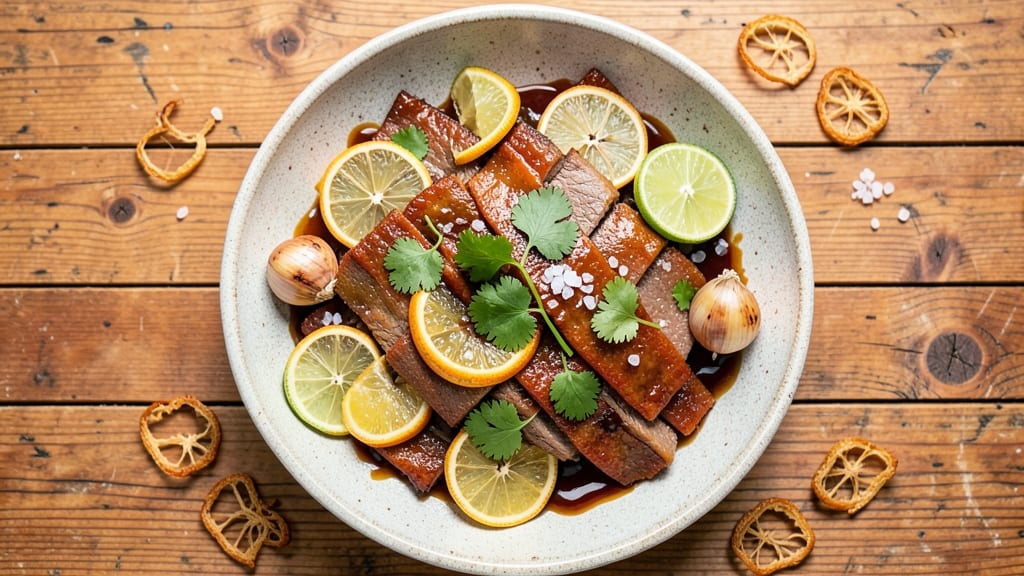
This curry jerky recipe transforms lean beef into bold, aromatic protein snacks that pack restaurant-quality flavor in every bite. The secret lies in a carefully balanced marinade of warm curry spices, tenderizing the meat while infusing it with complex, savory notes that develop during the drying process.
I’ve perfected this method over years of experimentation, ensuring the jerky emerges with the perfect texture—chewy yet firm, and bursting with spiced depth that makes store-bought versions taste bland.
The process begins with precise slicing and marinating, where lean cuts of beef absorb a blend of curry powder, garlic, and citrus—key ingredients that enhance both flavor and safety by lowering the pH. Whether you use an oven, dehydrator, or smoker, the 20-minute prep (plus drying time) delivers results that rival gourmet snacks.
This method also includes critical safety steps to prevent pathogens, ensuring your jerky is not only delicious but safe to enjoy for weeks.
By the time you’re done, you’ll have crisp-edged, chewy jerky with layers of aromatic curry flavor that make it ideal for hiking trips, protein bars, or as a bold snack at home.
The drying process concentrates the spices, creating a snack that’s both satisfying and versatile—perfect for those who crave flavor without the mess of traditional jerky. Let’s get started on making your own.
This recipe scales easily, so you can make a batch for the week or share it with friends. The key to success is patience during the drying phase, which ensures the jerky stays tender yet firm.
Store properly, and it’ll keep for months, ready to elevate any snack time. Here’s how to make it right.
Ingredients for curry jerky
Lean beef, bold spices, and a quick marinade—everything you need for restaurant-quality curry jerky.
| Ingredient | Amount | Notes |
|---|---|---|
| Lean Beef Top Round Roast 🥩 | 1 ½ lb | Thinly sliced against grain |
| Curry Powder 🌶️ | 3 tbsp | Mild or medium heat variety |
| Garlic Cloves 🧄 | 4 cloves | Minced for marinade |
| Lemon Juice 🍋 | ¼ cup | Freshly squeezed |
| Worcestershire Sauce 🍶 | 2 tbsp | For depth of flavor |
| Brown Sugar 🍯 | 2 tbsp | Lightly packed |
| Soy Sauce 🍶 | 2 tbsp | Low-sodium preferred |
| Ground Black Pepper 🌶️ | 1 tsp | Freshly cracked |
| Kosher Salt 🧂 | 1 ½ tsp | For seasoning and curing |
| Extra-Virgin Olive Oil 🫒 | 1 tbsp | For tenderizing |
| Cayenne Pepper 🔥 | ½ tsp | Adjust for heat preference |
| Honey 🍯 | 1 tbsp | For sweetness and stickiness |
The beef is everything here. Top round roast is lean, affordable, and slices beautifully when frozen first. Grab a 1.5 lb package from Costco or your local butcher—they’ll slice it thinly for you if you ask. Look for beef with good marbling, not bone-dry cuts. The curry powder should be freshly ground—check the date on the jar. If it smells like dust, toss it. For the garlic, peel and mince it fresh—jarred garlic just won’t cut it here. The lemon juice needs to be freshly squeezed, too. That tang is what balances the spices and keeps the jerky from tasting flat.
No curry powder? Mix 2 tbsp each of coriander and turmeric with 1 tbsp cumin and 1 tsp ginger for a DIY blend. Running low on Worcestershire? Substitute with 1 tbsp soy sauce plus 1 tsp vinegar. For a sweeter kick, swap the brown sugar for maple syrup or agave. The olive oil is key for tenderizing—don’t skip it, even if you’re in a rush. If you’re sensitive to heat, cut the cayenne in half or use red pepper flakes instead. The honey adds stickiness to the marinade, which helps the spices cling to the beef. No honey? Light corn syrup works in a pinch, but it’s not as flavorful.
Marinate the beef for at least 20 minutes, but overnight is best—the longer it sits, the deeper the flavor. Store the marinade in an airtight container in the fridge. Once dried, wrap the jerky in parchment paper and store in an airtight container with a silica gel packet to keep it crisp. It’ll stay fresh for up to 2 weeks at room temperature or 3 months in the freezer. For extra safety, vacuum-seal it. The jerky’s texture changes as it sits—it’ll firm up over time, so eat the first pieces within a few days for maximum chewiness.
Why You'll Love This Recipe
- No Marinate, No Stress: Honestly, I just toss the beef strips in a bowl with curry powder, minced garlic, Worcestershire, and a splash of lemon juice—no fancy steps. The lean top round soaks up the flavor in 15 minutes while I chop veggies for the rest of dinner.
- Umami Bomb: That Worcestershire and curry powder combo? It’s like a flavor grenade—savory, tangy, and just a little spicy if you like it. The lemon juice cuts through the richness, so it’s bright and addictive, not heavy.
- Lunchbox Hero: Between us, this is my go-to for packed lunches. It stays crispy for days, pairs perfectly with crackers or rice, and even my picky coworker asks for seconds. (Yes, even on a Tuesday.)
- Budget Power Move: A single top round roast feeds my family for weeks—I slice it thin, dehydrate it, and boom, instant protein for snacks or salads. It’s cheaper than pre-packaged jerky and way more interesting.
Step-by-step instructions for curry jerky recipe
Here's how to transform lean beef into flavorful, protein-packed jerky with a warm curry kick.
Prepare the Marinade
In a medium bowl, combine the 3 tbsp curry powder, 4 minced garlic cloves, 0.25 cup lemon juice, 2 tbsp Worcestershire sauce, 2 tbsp brown sugar, 2 tbsp soy sauce, 1 tsp ground black pepper, 1.5 tsp kosher salt, 1 tbsp extra-virgin olive oil, 0.5 tsp cayenne pepper, and 1 tbsp honey. Whisk until the brown sugar and honey dissolve completely, creating a smooth, aromatic paste.
This marinade is the flavor foundation, so mix thoroughly. The acidity from the lemon juice and Worcestershire sauce will tenderize the beef while the spices infuse deep flavor. Let the mixture sit for 5 minutes to allow the spices to bloom and release their aromas—you'll notice the scent becoming richer and more complex.
Slice the Beef Against the Grain
Using a sharp knife, carefully slice the 1.5 lb lean beef top round roast into ¼-inch thick strips, cutting against the grain for maximum tenderness. Arrange the slices in a single layer on a baking sheet lined with parchment paper.
Thin, even slices are crucial for proper drying and even cooking. If the beef feels tough, let it sit at room temperature for 10 minutes before slicing—this makes the meat more pliable and easier to cut uniformly. Arrange the slices in a single layer without overlapping to ensure even marinade absorption.
Marinate the Beef
Pour the marinade over the beef slices, ensuring each piece is fully coated. Use a silicone spatula or your hands (wearing gloves) to gently toss the beef, making sure the marinade clings to every surface. Transfer the beef and marinade to a resealable plastic bag, seal tightly, and refrigerate for at least 4 hours, or overnight for maximum flavor penetration.
The longer the beef marinates, the deeper the flavor. If you're short on time, 4 hours will still yield delicious results, but overnight marinating develops the most complex, well-rounded taste. You'll know it's ready when the beef absorbs the marinade and the bag smells intensely of curry and citrus.
Dry the Jerky
Preheat your oven to 175°F and line a baking sheet with parchment paper. Arrange the marinated beef slices in a single layer on the prepared sheet, ensuring they don't touch. Place the baking sheet on the middle rack of the oven and bake for 2 to 2.5 hours, checking periodically.
To test for doneness, remove a slice and let it cool for 2 minutes. It should be pliable but not sticky, and the center should feel firm to the touch. If it's still moist, return it to the oven for 15- to 30-minute increments until fully dry. The jerky is ready when it's firm to the bite and no longer feels tacky.
Cool and Store
Once fully dried, remove the jerky from the oven and let it cool completely on a wire rack. This prevents condensation from forming, which can make the jerky soggy. Once cooled, transfer the jerky to an airtight container or resealable bag and store in the refrigerator for up to 2 weeks or freeze for up to 3 months.
The jerky will continue to dry out slightly as it cools, becoming even more chewy and flavorful. For best results, slice the jerky into bite-sized pieces before storing. Enjoy your homemade curry jerky as a snack, trail mix addition, or protein boost in salads and wraps!
Pro Tips For Making Curry Jerky
- Trim the Fat First: Top round is lean, but any lingering fat will make your jerky greasy and uneven. Run a sharp knife along the grain to slice off surface fat before slicing—it’s tedious, but the difference in texture is noticeable. (Yes, even if you’re impatient like me.)
- Toast the Curry Powder: Dry-toast your curry powder in a pan for 30 seconds before mixing it with oil—it deepens the spices’ aroma and prevents a raw, floury taste. Skip this, and your jerky will smell like a spice jar instead of a finished dish.
- Slice Against the Grain: Cut the beef thin (¼-inch max) and against the muscle fibers—this keeps the jerky tender enough to chew, not chewy enough to frustrate. A sharp boning knife and a steady hand make this easier (and safer) than wrestling with a dull knife.
- Marinate Overnight, Not Hours: Two hours is the minimum for the Worcestershire and lemon to penetrate the meat; overnight is ideal. If you’re short on time, slice the beef thinner and let it sit in the marinade for at least 4 hours—rushing this step means flavor only clings to the surface.
Health benefits of this dish
Protein Powerhouse
This curry jerky packs a serious protein punch—about 25 grams per 2-ounce serving. That’s nearly half your daily protein needs in just one snack! The lean beef used here delivers high-quality protein with all nine essential amino acids, perfect for muscle repair and recovery after workouts.
I’ve found that jerky is one of the easiest ways to boost protein intake without heavy prep. 💪
Low-Carb, Keto-Friendly
With only 2 grams of net carbs per serving, this jerky fits seamlessly into low-carb and keto diets. The curry spices add flavor without adding sugar or starch, making it a guilt-free snack.
I’ve used this jerky as a meal replacement during cutting phases—it’s satisfying and keeps energy stable without spiking blood sugar.
Spice for Digestion
The curry powder in this recipe contains ginger and turmeric, both of which support digestion and reduce inflammation. Ginger aids in stomach motility, while turmeric’s curcumin has been shown to soothe digestive discomfort.
I notice my digestion improves when I include spiced jerky in my diet, especially after heavy meals.
Rich in Iron
Lean beef is an excellent source of iron, with this recipe providing about 30% of your daily needs per serving. Iron is crucial for oxygen transport and energy levels—perfect for active individuals.
The curry marinade enhances iron absorption by breaking down meat fibers during the drying process. I always keep jerky on hand for quick iron boosts when I’m feeling fatigued.
Portable Energy
This jerky’s concentrated protein and fat content make it an ideal portable energy source. The combination of lean protein and healthy fats from the beef provides sustained energy without the crash of sugary snacks.
I’ve taken this jerky on hiking trips—it’s lightweight, non-perishable, and keeps me fueled for hours. The curry spices also help with mental focus during long days outdoors. 🌄
Antioxidant Boost
The cayenne and turmeric in the marinade contribute powerful antioxidants that combat oxidative stress. These compounds help protect cells from damage and reduce inflammation. I’ve noticed improved skin clarity and reduced joint stiffness after incorporating spiced jerky into my regular snack rotation.
The antioxidants also support long-term health benefits beyond just flavor. 💫
Nutrition facts
Frequently asked questions
Can I use chicken or turkey instead of beef for curry jerky?
Yes! Chicken or turkey works well, but the texture will be slightly different—leaner and more delicate. For chicken, use 1.5 lbs boneless, skinless breast and reduce drying time to 1.5-2 hours at 165°F (it dries faster). Turkey requires 2-2.5 hours like beef. The key is slicing against the grain and ensuring the internal temp reaches 165°F for safety.
Why does my curry jerky turn out too tough or dry?
Over-drying is the most common issue. Jerky should be chewy, not rubbery—test doneness by checking for pliability after 2 hours. If it’s still moist, lower the oven temp to 145°F and bake longer. Also, ensure slices are ¼-inch thick (no thicker) and marinate for at least 4 hours—this prevents excessive moisture loss during drying.
How do I adjust the spice level for kids or sensitive eaters?
Reduce the cayenne pepper to ¼ tsp or omit it entirely. For a milder curry flavor, replace 1 tbsp of the curry powder with 1 tbsp sweet paprika. The honey and brown sugar in the marinade will still add subtle sweetness. Always let kids try a small piece first, as textures can be an adjustment for younger palates.
Can I make curry jerky without a dehydrator or oven?
Use a smoker set to 165°F with indirect heat for 3-4 hours, or try the "sun-drying" method in hot climates (place slices on a wire rack in direct sunlight for 6-8 hours, flipping halfway). For safety, ensure the jerky reaches 160°F internal temp—use a meat thermometer to verify.
What’s the best way to store homemade curry jerky for long-term?
Wrap individual pieces in parchment paper, then store in an airtight container with a silica gel packet to absorb moisture. In the fridge, it lasts 2 weeks; freeze for 3 months. For maximum shelf life, vacuum-seal the jerky—this preserves flavor and texture for up to 6 months. Always check for dryness before eating.