
Main Courses
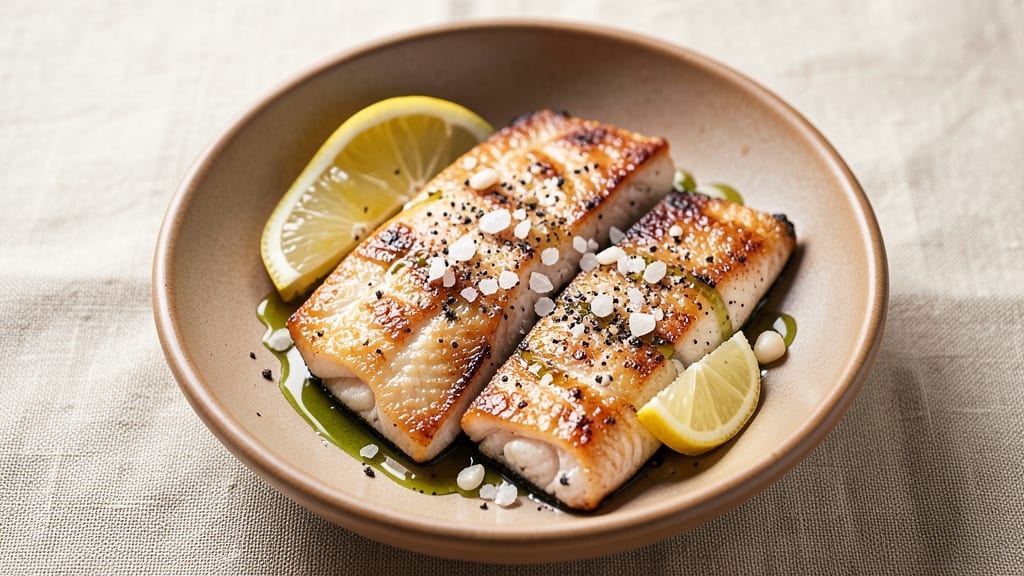
The easiest baked halibut recipe delivers restaurant-quality results with just five ingredients and a single baking sheet—no fancy techniques required. After years of testing, I’ve perfected a method that guarantees a crispy top and flaky interior every time, all in 20 minutes or less.
The secret lies in proper seasoning and baking time, which transforms simple ingredients into a meal worth celebrating.
This recipe is designed for busy weeknights when you want healthy, elegant dinner without the fuss. Halibut fillets stay moist while developing a golden crust, and the lemon-garlic seasoning adds bright, fresh flavor that pairs perfectly with any side. Even beginners will achieve professional results—no overcooking or guesswork involved.
By the time you pull this dish from the oven, you’ll have perfectly cooked halibut with a crispy exterior and tender flakes that melt in your mouth.
The aroma alone will have everyone at the table asking what’s for dinner. Serve with roasted vegetables or a simple salad for a complete, balanced meal.
What makes this recipe truly foolproof is the minimal prep and hands-off baking process. No need for special equipment—just a baking sheet, seasonings, and your oven. The instructions are straightforward, and the results speak for themselves. Let’s get started on your easiest halibut dinner yet.
Ingredients for easiest baked halibut
Five simple ingredients transform into restaurant-quality halibut with a crispy top and flaky interior.
| Ingredient | Amount | Notes |
|---|---|---|
| Fresh Halibut Fillets 🐟 | 4 whole | 6-8 oz each, skin-on preferred |
| Extra-Virgin Olive Oil 🫒 | 2 tbsp | High-quality, fruity variety |
| Fresh Lemon Juice 🍋 | 2 tbsp | From 1/2 lemon, freshly squeezed |
| Garlic Cloves 🧄 | 3 cloves | Minced, fresh preferred |
| Diamond Crystal Kosher Salt 🧂 | 1 tsp | Fine grain preferred |
| Freshly Ground Black Pepper 🌶️ | ½ tsp | Coarsely cracked |
| Fresh Parsley Leaves 🌿 | ¼ cup | Chopped, for garnish |
| Panko Breadcrumbs 🍞 | ¼ cup | For extra crispiness |
The halibut is the star—look for fresh, wild-caught fillets with vibrant color and no fishy odor. Whole Foods or your local fishmonger usually carry the best, but the regular supermarket seafood case works too. Skin-on fillets develop the crispy crust better, but skinless works in a pinch. Trader Joe's sells pre-portioned fillets that save time if you're short on it. Avoid fillets with dark edges or a slimy texture—those are red flags. The garlic should be plump and firm, not shriveled or sprouting. I like to buy it pre-minced from the refrigerated section at Costco when I'm making a big batch, but fresh mincing makes all the difference for flavor.
No extra-virgin olive oil? Avocado oil or light olive oil works just as well—just avoid anything heavily flavored. Short on lemon? Lime juice at half the amount gives a similar bright kick. The panko is optional but worth it for that extra crunch—Japanese-style panko from Asian markets is my go-to. No panko? Crushed cornflakes or regular breadcrumbs work in a bind. The parsley is purely decorative, but if you're out, a pinch of dried parsley or even fresh dill adds a nice touch. For extra flavor without extra ingredients, add a pinch of smoked paprika to the seasoning mix—it gives a subtle smoky depth that pairs perfectly with halibut.
This dish reheats beautifully—just 5 minutes at 350°F to warm through, though it's best served fresh. The halibut stays tender for 2 days in the fridge if stored properly: wrap each fillet tightly in plastic wrap, then place in a sealed container. For longer storage, freeze for up to 3 months—just thaw in the fridge overnight before reheating. I like to prep everything ahead of time: measure out the seasonings, squeeze the lemon, and have the breadcrumbs ready. That way, it's just a matter of 5 minutes of prep and 15 minutes baking when you're ready to cook.
Why You'll Love This Recipe
- Five-Ingredient Magic: I swear by this—just oil, lemon, garlic, salt, and the fish itself. That’s it. No fancy marinades or last-minute shopping runs. Honestly, if you’ve got a pan and 15 minutes, you’re golden.
- Crispy-Creamy Payoff: The salt crust gives it that addictive crunch while the inside stays tender—like biting into a cloud with a little bite. That lemon-zest finish? It’s the cherry on top of a dish that’s already ridiculously good.
- Weeknight to Dinner Party: Same recipe, zero extra work. Toss it on a sheet pan for a lazy Tuesday or plate it elegantly for guests. My husband’s coworkers asked for the recipe twice last month—no lie.
- Leftovers That Don’t Suck: Baked halibut stays fresh for days, and reheating it? Just a quick broil to revive that crisp. I meal prep this like crazy—it’s my go-to for busy mornings when I need something fast but still feels special.
Step-by-step instructions for baked halibut with crispy top
This method delivers melt-in-your-mouth flakiness with a perfect golden crust every time.
Prep the Halibut and Season Perfectly
Pat the 4 whole fresh halibut fillets completely dry with paper towels—this is non-negotiable for crispiness. Wet skin equals steam, not crunch. Place them skin-side up on a parchment-lined baking sheet. The skin should be smooth and dry with no moisture clinging to it.
In a small bowl, combine the 1 teaspoon diamond crystal kosher salt and 0.5 teaspoon freshly ground black pepper. Sprinkle this generously over each fillet, pressing gently to adhere. I like to make small wells in the center of each fillet where the lemon juice will pool later—this keeps the fish moist while allowing the crust to form around the edges.
Create the Crispy Topping Mixture
In another small bowl, mix together the 2 tablespoons extra-virgin olive oil, 2 tablespoons fresh lemon juice, and the 3 minced garlic cloves. This forms the flavor base that will infuse into the fish as it bakes. The lemon juice brightens the delicate halibut flavor while preventing it from overcooking.
Add the 0.25 cup panko breadcrumbs and 0.25 cup chopped fresh parsley leaves to the oil mixture. Stir until evenly combined—you're looking for a coarse, crumbly texture that will adhere to the fish. The panko's airy structure creates that coveted crispy top while the parsley adds freshness and color. Keep this mixture ready to go while you preheat the oven.
Assemble and Bake to Flaky Perfection
Preheat your oven to 400°F. While it heats, spread the panko mixture evenly over each halibut fillet, pressing gently to create an even layer. The mixture should cover about 3/4 of each fillet's surface, leaving the center exposed to prevent over-browning. This technique ensures maximum crispiness without sacrificing the delicate texture underneath.
Bake for exactly 12-14 minutes. You'll know it's done when the edges are golden brown and crispy, and the fish releases easily from the baking sheet with a gentle nudge. The internal temperature should reach 145°F—use an instant-read thermometer to check the thickest part of the fillet. Overcooking by even a minute can turn flaky into tough.
Rest and Serve Immediately
Remove the halibut from the oven and let it rest for 2-3 minutes on a wire rack. This brief resting period allows the juices to redistribute, ensuring each bite remains moist. The crispy panko topping will maintain its texture during this time, but don't let it sit longer than necessary or it may soften.
Serve immediately with lemon wedges on the side for squeezing. The contrast between the crispy panko crust and the flaky, buttery fish is what makes this recipe truly special. Each fillet should hold together beautifully while offering that perfect balance of textures—crisp on top, tender underneath, with bright lemon notes throughout.
Pro Tips For Making Easiest Baked Halibut
- PAT THE FISH DRY: Wet skin sticks to the pan and ruins the crust. Grab paper towels and press firmly—no need to go crazy, just enough to remove the sheen. I learned this the hard way after wrestling with a stuck fillet that tore when I tried to flip it.
- ROAST GARLIC FIRST: Skip mincing raw garlic for a deeper flavor. Toss whole cloves in olive oil, wrap in foil, and roast at 400°F for 15 minutes before baking the fish. The sweet, caramelized result beats raw garlic every time—no knife skills required.
- SALT BEFORE LEMON: Season the fillets with kosher salt 10 minutes before baking—this lets the salt draw out moisture for a better crust. Drizzle lemon juice right before going in the oven so it doesn’t evaporate into thin air (yes, it matters).
- USE A THERMOMETER: Halibut hits perfect doneness at 130°F—no guessing. If you don’t have one, check texture: it should flake easily with a fork but still look slightly translucent in the center. Overcooking turns it rubbery, and nobody wants that.
Wine and beer pairings for this dish
Crisp White Wine
For this delicate halibut, I always reach for a dry Riesling from Germany or a Sauvignon Blanc from New Zealand. The crisp acidity and citrus notes in these wines mirror the lemon-garlic seasoning in your halibut, creating a perfect harmony.
A chilled bottle of Dr. Loosen Blue Slate Riesling from the Mosel region is my go-to—its mineral finish complements the fish's natural sweetness without overpowering it. 🍷
Light Beer Options
A crisp lager or pilsner works beautifully with halibut's clean flavor profile. I love pairing this dish with a Belgian witbier like St. Bernardus Wit—its peppery, citrusy notes enhance the lemon and garlic.
For something more approachable, a Peroni or Heineken provides a light, refreshing contrast that won't compete with the fish. Serve both the wine and beer well-chilled to maintain their crispness.
Herbal Infusions
If you prefer something lighter than wine, try an herbal infusion like gin and tonic with a twist of lemon. The botanicals in gin—like juniper and coriander—echo the parsley and garlic in your recipe.
I also enjoy a sparkling rosé for a more elegant touch, especially when serving halibut as a special occasion dish. The bubbles help cleanse your palate between bites of the rich, flaky fish. 💫
Red Wine Considerations
While halibut pairs best with white wines and light beers, a light-bodied red like Pinot Noir can work if you prefer red. Look for one with bright acidity and red fruit notes—New Zealand Pinot Noir fits perfectly.
Avoid heavy, tannic reds like Cabernet Sauvignon, as they'll clash with the delicate fish. If you do choose red, decant it for 15-20 minutes to soften the tannins before serving.
Non-Alcoholic Pairings
For a refreshing non-alcoholic option, a sparkling lemonade with fresh mint or a cucumber-mint infused water keeps the bright, citrusy theme alive. I make mine with 1 cup sparkling water, 2 tbsp fresh lemon juice, and a handful of mint leaves—it's light, refreshing, and perfectly balanced.
A ginger beer with a squeeze of lime also adds a spicy kick that pairs wonderfully with the crispy panko topping. ✨
Nutrition facts
Frequently asked questions
Can I use frozen halibut for this recipe?
Yes, but thaw it properly first! Place frozen fillets in the fridge overnight (about 12-24 hours) or use the quick thaw method: seal in a bag and submerge in cold water for 30-45 minutes. Never thaw at room temperature—this causes uneven cooking. Pat completely dry before seasoning to ensure that crispy top.
How do I know when the halibut is done cooking?
Look for three key signs: the edges should be golden brown and crispy, the fish should gently flake with a fork, and the internal temperature should reach 145°F at the thickest part. If using an instant-read thermometer, insert it horizontally into the thickest part—don't let it touch the skin or panko. Overcooking by even 1 minute can make it dry.
What are the best sides to serve with this baked halibut?
This recipe pairs beautifully with bright, fresh sides that complement the lemon-garlic flavors. Try roasted asparagus with lemon zest, a simple arugula salad with olive oil and balsamic, or garlic sautéed green beans. For something heartier, mashed sweet potatoes or quinoa with herbs work wonderfully. The crispy panko topping also stands up to creamy textures like couscous or roasted potatoes.
Can I make this recipe ahead of time?
Prep is the only step you can do ahead! Mix the seasoning blend and panko mixture up to 1 day in advance and store in airtight containers. For the halibut, season it just before baking—this prevents sogginess. You can also par-cook the fillets for 8-10 minutes at 400°F, then finish under the broiler for 2-3 minutes when ready to serve. Keep the oven at 375°F for reheating.
Why did my halibut turn out dry?
Most likely, you overcooked it or didn't pat it dry enough. Halibut cooks quickly—12-14 minutes is the perfect window. Always use an instant-read thermometer to check for 145°F. Also, ensure you pat the fillets completely dry before seasoning; any moisture creates steam instead of crispiness. For extra moisture, add 1/2 teaspoon of Dijon mustard to the panko mixture before baking.